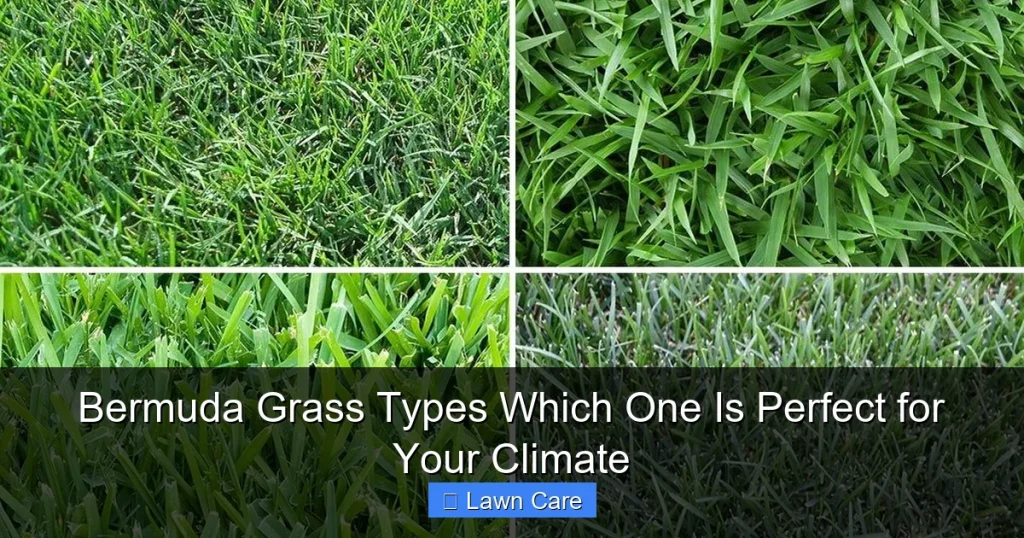
Choosing the right Bermuda grass type is crucial for a thriving lawn, especially when considering your local climate. This guide dives into popular Bermuda grass varieties, their ideal growing conditions, and how to select the best fit for your region. From drought tolerance to cold hardiness, discover which Bermuda grass will bring your lawn to life.
Hey there, fellow lawn enthusiasts! So, you’re thinking about Bermuda grass? That’s fantastic! Bermuda grass is a true champion in many yards, especially if you live in a place that gets nice and warm. It’s known for its dense growth, vibrant green color, and ability to bounce back from just about anything. But here’s the thing: not all Bermuda grass is created equal. Just like people, different types of Bermuda grass have their own quirks and preferences, especially when it comes to the weather.
Choosing the perfect Bermuda grass type for your climate is like picking the right outfit for the day – you want something that’s going to hold up and look its best, no matter what Mother Nature throws at you. If you’re in a super hot and dry area, you’ll need a different kind than if you’re in a region that experiences freezing temperatures for a few months each year. We’re going to dive deep into the wonderful world of Bermuda grass, break down some of the most popular types, and help you figure out which one is the absolute best fit for your backyard. Get ready to transform your lawn into a lush, green paradise!
## Understanding Bermuda Grass’s Climate Preferences
Before we get into the nitty-gritty of specific varieties, let’s talk about what Bermuda grass, in general, likes. As a warm-season grass, Bermuda grass thrives in heat. It absolutely loves the sun and can tolerate high temperatures very well. This makes it a popular choice for lawns, sports fields, and golf courses across the southern United States and other tropical and subtropical regions.
However, it’s important to remember that Bermuda grass has a dormancy period. When temperatures drop significantly, especially with frost or freezing, Bermuda grass will turn brown and go dormant. This is a natural survival mechanism, and it will green up again in the spring when the weather warms up. The key difference between the various Bermuda grass types lies in how well they tolerate these colder temperatures and how quickly they green up in the spring. This is where understanding your local climate becomes your superpower in selecting the right variety.
### The Impact of Temperature on Bermuda Grass
Temperature plays the biggest role in whether Bermuda grass will succeed in your area. You need to consider the average high temperatures in the summer and the average low temperatures in the winter.
* **Summer Heat:** Most Bermuda grass varieties will perform exceptionally well in summer heat. They are known for their heat and drought tolerance, making them a good choice for areas that experience significant heat waves.
* **Winter Cold:** This is where the real distinctions come in. Some Bermuda grass types are bred for better cold hardiness, meaning they can withstand lower temperatures without dying. Others are more sensitive and might struggle or even die back in prolonged freezing conditions. Knowing your average minimum winter temperatures is critical.
### Drought Tolerance: A Key Factor
Many Bermuda grass varieties are renowned for their excellent drought tolerance. This means they can survive long periods without rain, thanks to their deep root systems. If you live in an area prone to dry spells or have water restrictions, choosing a highly drought-tolerant variety is a smart move. This not only saves you water but also reduces the stress on your lawn.
## Popular Bermuda Grass Varieties and Their Climates
Now, let’s get down to the stars of the show: the different types of Bermuda grass and where they shine. Each variety has unique characteristics that make it better suited for certain climates.
### Common Bermuda Grass (Cynodon dactylon)
This is the classic, well-known Bermuda grass. It’s highly adaptable and can be grown from seed, making it a more budget-friendly option.
* **Climate Suitability:** Common Bermuda grass is very heat tolerant and can handle drought well. It has moderate cold tolerance, making it suitable for areas with mild winters and hot summers. It’s a good all-around performer in many Southern regions.
* **Pros:** Easy to establish from seed, relatively inexpensive, good heat and drought tolerance.
* **Cons:** Can be somewhat coarse in texture, may have less refined visual appeal compared to hybrid varieties, and its cold tolerance is only moderate.
### Hybrid Bermuda Grasses
These are the premium, genetically superior cultivars developed through cross-pollination. They are typically established from sod or plugs, not seed, which makes them more expensive but offers superior qualities.
#### ‘Tifway’ (or Tifton 419)
‘Tifway’ is a workhorse in the turf industry, especially popular on golf courses and sports fields due to its dense, wear-resistant growth.
* **Climate Suitability:** ‘Tifway’ thrives in hot, sunny climates. It has good drought tolerance. Its cold hardiness is decent, making it suitable for much of the Southern United States, though it might struggle in the northernmost fringes where winters are very harsh.
* **Pros:** Excellent wear tolerance, dense growth, good disease resistance, superior aesthetic appeal with its fine texture.
* **Cons:** More expensive to establish than seeded varieties, requires full sun.
#### ‘Celebration’ Bermuda Grass
‘Celebration’ is a darker green, fine-bladed Bermuda that has gained popularity for its exceptional resilience.
* **Climate Suitability:** This variety boasts superior cold hardiness compared to many other Bermuda grasses, making it a great choice for transition zones where summers are hot but winters can dip below freezing. It also has excellent drought tolerance and good shade tolerance for a Bermuda grass.
* **Pros:** Good cold tolerance, dark green color, fine texture, excellent drought tolerance, good wear resistance, and some shade tolerance.
* **Cons:** Typically established from sod or plugs, so it’s more expensive.
#### ‘Greenfields’ (or Jensen)
‘Greenfields’ is another fine-textured hybrid known for its aggressive growth and good recuperative abilities.
* **Climate Suitability:** Similar to ‘Tifway,’ ‘Greenfields’ excels in hot climates with good drought tolerance. It has moderate cold tolerance, making it a solid choice for most of the warm-season grass belt.
* **Pros:** Aggressive growth, dense turf, good wear resistance, aesthetically pleasing fine texture.
* **Cons:** Requires full sun, establishment via sod or plugs.
#### ‘Princess 77’
‘Princess 77’ is a seeded hybrid Bermuda that offers a finer texture and denser turf than common Bermuda grass.
* **Climate Suitability:** This variety is a good option for areas that experience hot summers and can tolerate moderate winters. Its cold tolerance is better than common Bermuda but not as robust as some of the top-tier cold-hardy hybrids. It’s well-suited for many parts of the transition zone.
* **Pros:** Seeded hybrid (more affordable establishment), finer texture, denser turf, good heat and drought tolerance.
* **Cons:** Cold tolerance is good but not exceptional compared to the very hardiest hybrids.
## Factors to Consider When Choosing Your Bermuda Grass Type
Beyond just temperature, a few other factors can help you make the perfect choice. Think of these as the supporting cast to your climate’s lead role.
### Sunlight Requirements
Most Bermuda grass varieties are sun worshippers. They need at least 6-8 hours of direct sunlight per day to thrive. If your lawn has significant shade, you might need to reconsider Bermuda grass or look for a variety with slightly better shade tolerance. ‘Celebration’ is often cited as having better shade tolerance than many other Bermuda types, but it’s still not a shade-loving grass.
### Soil Type and pH
Bermuda grass prefers well-draining soil. It doesn’t do well in constantly waterlogged conditions, which can lead to root rot and other diseases. Most Bermuda grasses are adaptable to various soil types, but sandy loam is often ideal. They also prefer a slightly acidic to neutral pH (around 6.0-7.0). If your soil is highly acidic or alkaline, you might need to amend it. For example, adding lime can help raise the pH if your soil is too acidic. Conversely, elemental sulfur can lower pH. It’s always a good idea to get a soil test done before planting.
### Your Lawn’s Use
How will you use your lawn? Is it a high-traffic area for kids and pets, or more of a decorative space?
* **High-Traffic Lawns:** If you have active kids, pets, or play sports on your lawn, you’ll want a wear-tolerant variety like ‘Tifway’ or ‘Celebration.’ These grasses are dense and recover quickly from damage. Many people ask, is Bermuda grass good for dogs? Generally, yes, but its density can sometimes lead to irritation for sensitive pets, and some dogs may chew on it.
* **Aesthetic Lawns:** For a beautiful, manicured look, fine-bladed varieties like ‘Celebration’ or other premium hybrids offer a superior aesthetic.
### Maintenance Commitment
While all Bermuda grass needs regular mowing, some varieties might require slightly different approaches. Fine-textured hybrids, for instance, often benefit from being mowed lower. You’ll want to research the specific mowing height recommendations for the variety you choose. For example, understanding what the best mowing height for Bermuda grass is crucial for its health and appearance. Fertilization is also key; researching what is the best fertilizer for Bermuda grass will ensure it gets the nutrients it needs.
## Establishing Your Chosen Bermuda Grass
Once you’ve picked the perfect Bermuda grass for your climate, the next step is proper establishment. This is where many people run into trouble, so paying attention here is vital.
### Seeding vs. Sodding/Plugging
* **Seeding:** Common Bermuda grass and some seeded hybrids like ‘Princess 77’ can be established from seed. This is the most cost-effective method. The best time to seed is in late spring or early summer when soil temperatures are consistently warm (70°F and above). You’ll need to keep the seedbed consistently moist until germination, which can take 1-3 weeks.
* **Sodding/Plugging:** Hybrid varieties are almost always established through sod or plugs. This is more expensive but provides an instant lawn or faster establishment compared to seed. The best time for sodding or plugging is also during the warm season when the grass is actively growing.
### Watering and Fertilizing
* **Watering:** Newly seeded or sodded lawns need consistent moisture. Water lightly but frequently to keep the top inch of soil damp. As the grass establishes, you can gradually reduce the frequency and increase the depth of watering to encourage deep root growth. Once established, Bermuda grass is quite drought-tolerant, but it will perform best with regular watering, especially during hot, dry periods.
* **Fertilizing:** Bermuda grass is a heavy feeder, meaning it needs regular fertilization to maintain its lush appearance. The best time to fertilize is during its active growing season (late spring through summer). Depending on your soil test results and the specific needs of your chosen variety, you might use a balanced fertilizer or one with a higher nitrogen content. Knowing what fertilizer is best for Bermuda grass, or if a specific blend like 10-10-10 fertilizer is good for Bermuda grass, can make a big difference.
## Dealing with Common Bermuda Grass Challenges
Even the best Bermuda grass can face challenges. Being prepared can save your lawn a lot of trouble.
### Weed Control
Weeds are a common adversary for any lawn. For Bermuda grass, you have several options. Post-emergent herbicides can be used to tackle existing weeds. It’s important to ensure the herbicide is safe for Bermuda grass, as some can cause damage. For instance, it’s good to know if atrazine is safe for Bermuda grass or research best post emergent weed killer for Bermuda grass. Pre-emergent herbicides can help prevent weeds from sprouting in the first place, especially before they germinate in the spring. Some homeowners also opt for a weed and feed product, but always check if it’s suitable for Bermuda grass.
### Pests and Diseases
Bermuda grass can be susceptible to various pests like armyworms and grubs, and diseases like dollar spot and brown patch. Good cultural practices – proper watering, fertilization, and mowing – are the first line of defense. If problems arise, identify the specific issue and use the appropriate treatment.
### Dormancy and Browning
As mentioned, Bermuda grass naturally goes dormant and turns brown in the fall and winter. This is normal! However, if your Bermuda grass is turning brown during the active growing season, it could be a sign of stress from drought, pests, diseases, or nutrient deficiencies. Understanding why my Bermuda grass is turning brown can help you address the underlying problem quickly.
## Making the Final Decision: Your Climate’s Best Bet
So, after all this, how do you make that final, perfect choice? It comes down to a straightforward assessment of your local climate.
* **For Hot, Dry Summers and Mild Winters:** Common Bermuda grass, ‘Tifway,’ or ‘Greenfields’ are excellent, reliable choices. They will thrive in the heat and handle dry spells.
* **For Hot Summers with Potentially Freezing Winters (Transition Zones):** ‘Celebration’ is often your MVP here due to its superior cold hardiness and overall resilience. ‘Princess 77’ is also a good seeded option if you’re looking for better cold tolerance than common Bermuda.
* **For Regions Where Extreme Cold is a Regular Occurrence:** While Bermuda grass is generally not recommended for areas with prolonged, hard freezes (like the northern US), if you are determined, you’ll need the absolute most cold-hardy hybrids available, and even then, be prepared for it to go dormant for extended periods and potentially have winter kill. In these cases, exploring other warm-season grasses like Zoysia or even cool-season grasses might be a better fit for what is the best grass type for your climate.
Ultimately, choosing the right Bermuda grass type is about matching its natural strengths with the environmental conditions of your specific location. With a little research and consideration, you can enjoy a beautiful, resilient, and vibrant Bermuda grass lawn that you’ll be proud of. It’s a fantastic grass for many situations, and knowing its nuances will help you succeed. For more on grass types, check out our guide on understanding the different types of grass and choosing the right one for your lawn.
Key Takeaways
- Bermuda grass is a warm-season grass ideal for hot climates with distinct seasons.
- Different Bermuda grass varieties offer varying levels of cold hardiness and drought tolerance, making climate selection paramount.
- Fine-bladed varieties generally exhibit superior cold tolerance compared to coarser types.
- Drought-tolerant varieties are excellent choices for arid or water-restricted areas.
- Consider your local sunlight and soil conditions alongside temperature when making your choice.
- Proper establishment and maintenance are key for any Bermuda grass variety to thrive.
Quick Answers to Common Questions
1. Which Bermuda grass type is best for colder climates?
For areas with colder winters, ‘Celebration’ Bermuda grass is often recommended due to its superior cold hardiness compared to many other varieties.
2. Can Bermuda grass grow in shady areas?
Most Bermuda grass varieties require full sun (6-8 hours daily). ‘Celebration’ has some shade tolerance, but it’s not a shade-loving grass and will perform best in sunny locations.
3. Is common Bermuda grass a good choice for all climates?
Common Bermuda grass is best suited for hot climates with mild winters. Its cold tolerance is only moderate, so it may not perform well in regions with prolonged freezing temperatures.
4. What is the primary benefit of hybrid Bermuda grasses?
Hybrid Bermuda grasses generally offer superior qualities such as finer texture, denser growth, better disease resistance, and improved wear tolerance compared to common Bermuda grass.
5. How do I prepare my soil for Bermuda grass?
Ensure your soil is well-draining and has a pH between 6.0 and 7.0. A soil test is recommended to determine if amendments like lime or sulfur are needed.
Frequently Asked Questions
What is the difference between common and hybrid Bermuda grass?
Common Bermuda grass is typically grown from seed and is more affordable but can be coarser in texture. Hybrid Bermuda grasses are developed through cross-pollination, established from sod or plugs, and offer finer textures, denser growth, and improved performance.
How do I know if my climate is suitable for Bermuda grass?
Bermuda grass is a warm-season grass that thrives in heat and full sun. If your region experiences hot summers and mild winters, it is likely suitable. Areas with prolonged freezing temperatures might be too cold for most Bermuda varieties.
When is the best time to plant Bermuda grass?
The ideal time to plant Bermuda grass (whether seeding or sodding) is during the late spring or early summer when soil temperatures are consistently warm, typically above 70°F, and there is no risk of frost.
How often should I water my new Bermuda grass lawn?
Newly seeded or sodded Bermuda grass needs frequent watering to keep the top inch of soil consistently moist. Once established, its watering needs decrease, and it becomes quite drought-tolerant, though regular watering will improve its appearance and health.
Are there any Bermuda grass varieties that are more drought-tolerant?
Yes, most Bermuda grass varieties are known for their excellent drought tolerance due to their deep root systems. ‘Celebration’ is particularly noted for its drought resilience.
What are the main advantages of using Bermuda grass?
Bermuda grass is highly heat-tolerant, drought-tolerant, and can recover well from damage, making it ideal for active lawns. It also provides a dense, attractive green turf when properly maintained.