To effectively control Bermuda grass thatch, remove excess thatch layer through dethatching and improve lawn health with proper watering and fertilization. A healthy, well-maintained lawn naturally resists thatch buildup, making management easier over time.
Bermuda grass thatch can be a real pain, but with the right approach, you can restore your lawn’s vitality and beauty. Thatch is a dense layer of organic material that forms between the soil and the grass, often caused by over-fertilization, poor mowing practices, or improper watering. If left unchecked, it can block water, air, and nutrients from reaching the roots, leading to a weak and patchy lawn. The good news is that tackling thatch is straightforward—regular dethatching, aeration, and maintaining healthy lawn practices can keep your Bermuda grass thriving. In this article, we’ll explore easy-to-follow tips to identify, prevent, and remove thatch, ensuring your yard stays lush and green all season long.

Bermuda Grass Thatch: Understanding and Managing It Effectively
What Is Bermuda Grass Thatch?
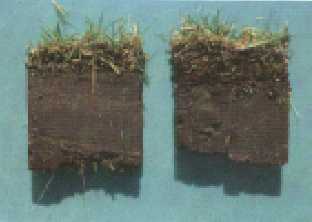
Bermuda grass thatch refers to a dense layer of organic material that accumulates between the living grass and the soil surface. It is made up of intertwined roots, stems, and dead grass clippings. While some thatch can protect the soil, excess thatch can cause problems.
Signs and Symptoms of Excess Thatch
A thick thatch layer can often be seen as a spongy, grayish or yellowish layer on top of the soil.
- Slowed water penetration into the soil
- Reduced nutrient absorption by the grass
- Weak or yellowing grass appearance
- Increased susceptibility to pests and diseases
Why Does Bermuda Grass Thatch Build Up?
Thatch builds up when the grass produces organic material faster than it decomposes. Several factors contribute to this imbalance, including high nitrogen fertilizer use, inadequate aeration, and mowing practices.
Factors That Influence Thatch Accumulation
- Soil Type: Sandy soils tend to accumulate less thatch compared to clay soils.
- Fertilizer Use: Excessive nitrogen speeds up grass growth, leading to more thatch.
- Mowing Height: Cutting grass too low can stress the turf, encouraging thatch buildup.
- Watering Practices: Overwatering can promote shallow roots and rapid thatch development.
- Climate Conditions: Warm, humid climates favor thatch accumulation in Bermuda grass.
Why Excess Thatch Is a Problem for Bermuda Grass
Too much thatch can interfere with the health of Bermuda grass by preventing proper water, air, and nutrient movement into the soil. It creates an environment where pests and diseases thrive, which can weaken the turf further.
Effects of Thatch on Turf Health
- Water runoff instead of absorption
- Reduced oxygen reaching the roots
- Weakened root systems
- Increased weed invasion
How to Test for Thatch Levels
To check if your Bermuda turf has excessive thatch, use a simple thatch test.
- Insert a rake or a soil probe into the turf about four inches deep.
- Pull back to see how much organic material is present between the grass and soil.
- If the thatch layer exceeds half an inch, it is time to take action.
Methods to Reduce Bermuda Grass Thatch
Managing thatch involves a combination of techniques that promote decomposition and prevent further buildup.
Mechanical Aeration
Aeration uses spikes or plugs to create small holes in the soil, breaking up the thatch layer and improving water and nutrient movement.
Power Raking and dethatching
Power raking or dethatching removes the thick layer of organic matter mechanically. It is most effective when the thatch layer is over half an inch thick.
Verticutting
Verticutting involves vertical blades that cut into the thatch and help break it down, promoting healthy growth.
Proper Mowing Practices
– Mow at the recommended height for Bermuda grass, usually between 1.5 and 2 inches.
– Avoid cutting more than one-third of the grass height at a time.
– Keep blades sharp to minimize stress on the grass.
Adjusting Fertilizer and Watering Practices
– Use balanced fertilizers with appropriate nitrogen levels.
– Water deeply but infrequently to encourage strong, deep roots.
– Avoid over-fertilizing, which speeds up grass growth and increases thatch.
Promoting Thatch Decomposition Naturally
Encourage microbial activity by aerating regularly and maintaining proper moisture levels. Organic compost topdressing can also facilitate decay.
Best Practices for Maintaining a Healthy Bermuda Grass Lawn
– Aerate at least once a year or more in high-traffic areas.
– Dethatch when the thatch layer reaches about half an inch.
– Follow proper mowing height and frequency.
– Water and fertilize according to the grass’s needs.
– Overseed with Bermuda grass in thin areas to keep the turf healthy.
Related Topics
Organic Lawn Care and Thatch Management
Organic methods involve natural composting and microbial inoculants to improve thatch breakdown.
Proper Soil Testing for Bermuda Grass
Understanding soil pH and nutrient levels helps in making better fertilization decisions, preventing excessive thatch buildup.
Choosing the Right Fertilizer for Bermuda Grass
Select fertilizers with balanced NPK ratios suited to Bermuda grass’s growth cycle to avoid promoting too much thatch.
Understanding Bermuda Grass Growing Conditions
Bermuda grass thrives in full sun, well-drained soil, and warm temperatures, which influence maintenance practices including thatch control.
Signs That Indicate a Need for Thatch Removal
Look for a spongy feel, water runoff, or a yellowing, unhealthy appearance in the grass, indicating thatch may be problematic.
Summary of Thatch Control Strategies
Effective control combines proper lawn maintenance, soil aeration, and adjusting fertilization and watering. Mechanical removal is crucial when thatch becomes too thick. Preventative measures, including regular aeration and proper mowing, can minimize thatch buildup.
Maintaining a balanced approach will ensure your Bermuda grass lawn remains lush, healthy, and free from excessive thatch layers. Regular monitoring and timely intervention are key to preventing problems and keeping your lawn vibrant.
Dethatching my Bermuda Lawn
Frequently Asked Questions
How can I identify thatch buildup in my Bermuda grass lawn?
Thatch appears as a dense, spongy layer of dead grass roots, stems, and debris that accumulates between the grass and soil surface. You can identify thatch by examining your lawn closely. If a thatch layer exceeds half an inch in thickness, it becomes noticeable when you walk on the grass, causing it to feel soft or spongy. Performing a soil test by removing a small section of the turf can reveal the thickness of the thatch layer. Additionally, if your Bermuda grass struggles to recover after mowing or feels uneven, thatch buildup might be interfering with healthy growth.
What are the most effective methods to remove excessive thatch from Bermuda grass?
To eliminate excessive thatch, core aeration is highly effective. This process involves removing small plugs of soil and thatch from the lawn, allowing air, water, and nutrients to reach the roots more easily. Vertical mowing, or dethatching, is another option; it uses a machine with vertical blades to cut through the thatch layer, breaking it apart for easier removal. Regular lawn dethatching combined with proper watering and fertilization helps prevent thatch buildup from returning. It’s best to perform these methods during the active growing season to promote quick recovery.
What preventive steps can help minimize thatch accumulation in Bermuda grass?
Maintaining a healthy Bermuda grass lawn requires consistent practices. Proper mowing at the correct height prevents the buildup of dead material. Avoid cutting the grass too short, as this can weaken the turf and promote thatch development. Aerating the lawn annually ensures good soil compaction and improves airflow, which inhibits thatch formation. Additionally, applying balanced fertilization and watering appropriately encourages vigorous root growth, reducing the chances of thatch buildup. Regularly removing debris and avoiding excessive use of heavy machinery on wet lawns also contribute to healthier turf free of excessive thatch.
Are there specific fertilizers or soil amendments that help break down thatch naturally?
Yes, certain soil amendments can help accelerate thatch decomposition naturally. Organic matter such as compost or mulched grass clippings, when added to the lawn, promote beneficial microbial activity that breaks down thatch. Some fertilizers contain enzymes or microbial inoculants designed to digest organic debris, speeding up the breakdown process. Incorporating these into your lawn maintenance routine can support healthy soil biology, reducing thatch buildup over time. Always follow the manufacturer’s instructions to avoid over-application and ensure safe use.
Final Thoughts
Bermuda grass thatch can build up over time, leading to poor lawn health and drainage issues. Regular dethatching removes this layer, promoting better aeration and root growth. Maintaining a balanced lawn care routine ensures your grass stays healthy. In conclusion, managing Bermuda grass thatch effectively keeps your lawn vibrant and strong.