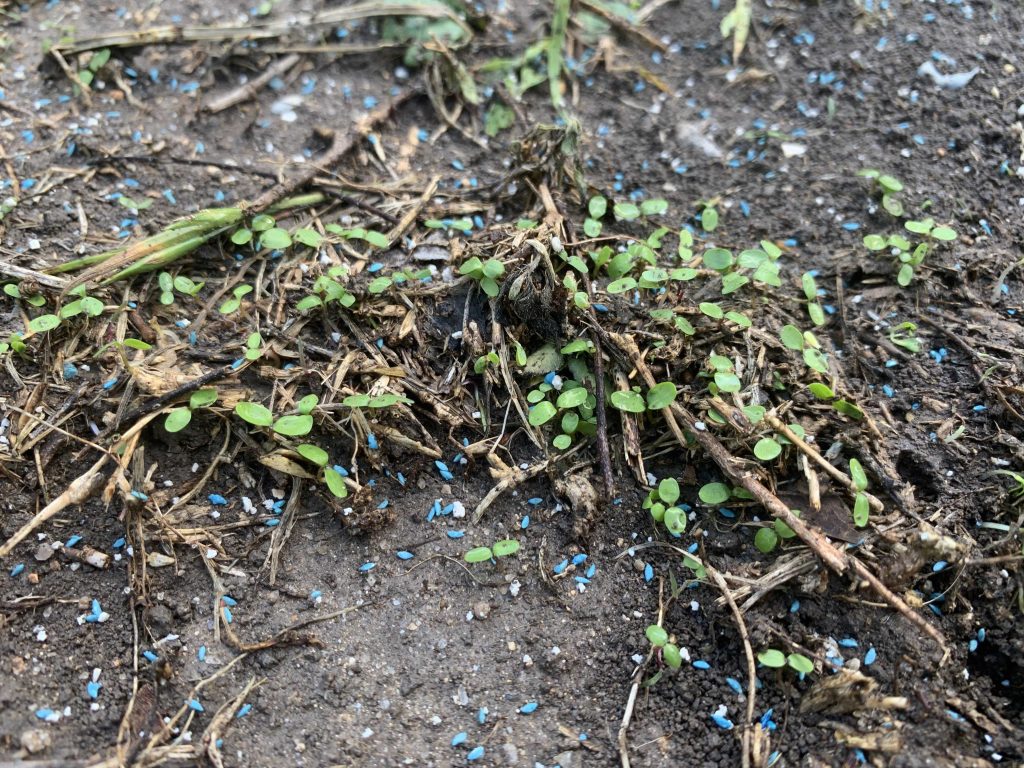
Want to see your Bermuda grass sprout quickly and thrive? The secret lies in proper planting techniques, optimal soil conditions, and consistent care. With the right approach, your Bermuda grass will sprout strong and spread beautifully across your lawn.
In short, Bermuda grass sprouts best in warm, well-drained soil with plenty of sunlight. Starting with healthy, prepped seed or sod and maintaining consistent watering and fertilization will give you the fastest and most robust results. Patience and proper care are key to establishing a lush Bermuda turf.
Getting Bermuda grass to sprout successfully is all about timing, soil quality, and proper maintenance. If you’re eager to transform your yard into a vibrant, green paradise, understanding these steps can make all the difference. From selecting the right planting method to nurturing the young sprouts, everything you do in the early stages sets the foundation for a beautiful lawn. Whether you’re starting from seed or sod, tackling the right conditions and consistent watering will ensure your Bermuda grass sprouts strong and healthy.

Bermuda Grass Sprout: Everything You Need to Know About Growing Healthy Bermuda Grass
Understanding What a Bermuda Grass Sprout Is
A Bermuda grass sprout is the young shoot that emerges from a seed after planting. It marks the beginning of new Bermuda grass growth and is essential for establishing a lush, green lawn. Right after sprouting, it needs proper care to develop into strong and healthy turf.
The Importance of a Healthy Bermuda Grass Sprout
A healthy sprout ensures that the grass develops deep roots and thick foliage over time. It acts as the foundation for a resilient lawn that can withstand foot traffic, drought, and pests. Proper care at this stage can lead to a uniform and dense grass cover.
How to Achieve Successful Bermuda Grass Sprouting
Growing Bermuda grass from seed involves several crucial steps. These steps ensure that the sprouts grow strong, healthy, and quick to establish. Here’s a detailed guide on how to get started:
Choosing the Right Time for Planting
Plant Bermuda grass seeds when the soil temperature is consistently above 65°F (18°C). The best planting times are late spring and early summer. Warm soil promotes rapid germination and vigorous sprout development.
Selecting Quality Seeds
Use high-quality Bermuda grass seeds with a high germination rate. Look for certified seeds that are free from weeds and disease. The packaging should indicate the seed purity and germination percentage.
Preparing the Soil Properly
Loosen the soil with a rake or tiller to create a smooth, level surface. Remove weeds, rocks, and debris that could inhibit seed growth. Incorporate organic matter or compost to improve soil fertility and drainage.
Planting the Seeds Correctly
Scatter the seeds evenly across the prepared soil. Lightly rake the soil to cover the seeds with a thin layer of soil—about 1/4 inch deep. Use a roller or press to ensure good seed-to-soil contact.
Watering Techniques for Optimal Sprout Development
Consistent moisture is vital during germination. Keep the soil evenly moist but not waterlogged. Water lightly several times a day during the first two weeks to keep the seeds moist and encourage sprouting.
Germination Timeline and Growth Stages of Bermuda Grass
Bermuda grass seeds typically sprout within 7 to 14 days if conditions are ideal. The initial stage involves tiny shoots breaking through the soil surface.
Early Sprout Stage
During this stage, tiny grass blades emerge from the soil and start to photosynthesize. It’s crucial to protect these fragile sprouts from heavy foot traffic and pests.
Vegetative Growth
After sprouting, the grass begins to develop a more extensive root system and fuller blades. Regular watering and light fertilization support healthy growth.
Fertilization for Strong Bermudagrass Sprouts
Feeding young Bermuda grass helps promote quick establishment. Use a balanced fertilizer with nitrogen, phosphorus, and potassium. Apply fertilizer sparingly at first, increasing as the grass matures.
Guidelines for Fertilizer Application
Start fertilizing about three weeks after sprouting. Follow the recommended application rates based on soil test results. Avoid over-fertilizing, as it can burn the young sprouts.
Common Problems During Bermuda Grass Sprout Stage
Young Bermuda grass can face issues like weeds, pests, and diseases. Identifying and managing these early ensures a better chance for healthy growth.
Weed Competition
Weeds can outcompete young grass for nutrients and sunlight. Use pre-emergent weed control and manually remove weeds when spotted.
Pest Attacks
Insects such as grubs and cutworms might target young sprouts. Use organic or chemical pest control methods appropriate for the pest and stage of growth.
Diseases to Watch For
Fungal diseases like damping-off or root rot can weaken or kill the sprout. Ensure proper drainage and avoid overwatering to prevent fungal growth.
Maintaining a Healthy Bermuda Grass Sprout
Consistent care ensures the young grass stays healthy and quickly develops into mature turf.
Proper Mowing Practices
Do not mow until the grass reaches about 2 inches in height. Use sharp blades and mow at a height of 1 to 1.5 inches to encourage dense growth.
Watering Regimen
Continue watering deeply and infrequently to promote deep root development. Avoid shallow watering that favors surface weeds.
Additional Tips for Success
– Keep foot traffic off the sprouted area to prevent damage.
– Apply mulch or straw to retain moisture.
– Regularly monitor for pests and diseases.
– Adjust watering and fertilization as the grass matures.
Related Topics for Bermuda Grass Sprouts
Transitioning from Sprout to Full Lawn
Once the sprouts are established, gradually increase mowing height and reduce watering frequency. Aerate the soil if necessary to improve root growth.
Overseeding and Lawn Renovation
In areas with patchy growth, overseeding with Bermuda grass can help fill in bare spots. Follow proper soil and seed preparation procedures.
Dealing with Dormancy and Recovery
Bermuda grass enters dormancy in colder months. Proper fertilization and watering help it recover rapidly in spring.
Soil Testing and Nutrient Management
Regular soil testing guides fertilization and amendments. Maintaining optimal pH levels and nutrient balance supports healthy sprouting.
Choosing the Right Bermuda Grass Variety
Different varieties have unique growth habits and drought tolerances. Select a seed type suited to your climate and lawn use.
Growing Bermuda grass from seed begins with a strong sprout. Proper soil preparation, watering, fertilization, and pest control set the foundation for a lush, resilient lawn. Regular maintenance during this early stage ensures healthy growth and long-term beauty.
This comprehensive guide should help you understand what it takes to cultivate thriving Bermuda grass from sprouting to full turf. Focus on consistency and patience, and your lawn will flourish over time.
Why Bermuda Grass doesn’t like to Grow from Seeds
Frequently Asked Questions
At what time of year should I plant Bermuda grass seeds to promote healthy sprouting?
Plant Bermuda grass seeds during late spring or early summer when soil temperatures consistently reach around 65-70°F (18-21°C). Warm soil encourages rapid germination and helps the sprouts establish strong roots quickly. Avoid planting when it is too cold or too hot, as extreme temperatures can hinder germination and growth.
What soil conditions are ideal for Bermuda grass sprouts to thrive?
Bermuda grass sprouts best in well-draining soils with a pH level between 5.8 and 7.0. The soil should be rich in nutrients and have good moisture retention without becoming waterlogged. Before planting, loosen the soil and incorporate organic matter to enhance fertility and ensure even moisture, supporting healthy sprout development.
How can I ensure successful germination of Bermuda grass seeds?
To improve germination success, evenly spread Bermuda grass seeds over prepared soil and lightly press them into the surface. Keep the soil consistently moist using gentle watering, but avoid overwatering, which can cause seed rot. Covering the seeds lightly with a thin layer of soil or straw can protect them from birds and aid in moisture retention.
What are common challenges when cultivating Bermuda grass sprouts, and how can I address them?
Common challenges include poor seed-to-soil contact, inadequate watering, and competition from weeds. Ensure proper seed spreading and press them gently into the soil. Maintain consistent moisture without overwatering, and keep the area weed-free to reduce competition for nutrients and water. Proper preparation and care can significantly improve sprout emergence later on.
How long does it typically take for Bermuda grass seeds to sprout?
Bermuda grass seeds usually germinate within 7 to 14 days under optimal conditions. Factors such as soil temperature, moisture levels, and seed quality influence the sprouting time. Consistent maintenance during this period helps ensure healthy seedling development and a lush lawn over time.
Final Thoughts
A well-timed watering schedule encourages Bermuda grass sprout to grow strong and healthy. Proper soil preparation and sunlight exposure are also key.
Consistent care helps the grass develop a dense, green coverage. Keep an eye on soil moisture levels and avoid overwatering.
In summary, understanding how to support your Bermuda grass sprout leads to a thriving lawn. By following these simple steps, you ensure your grass flourishes and remains resilient.