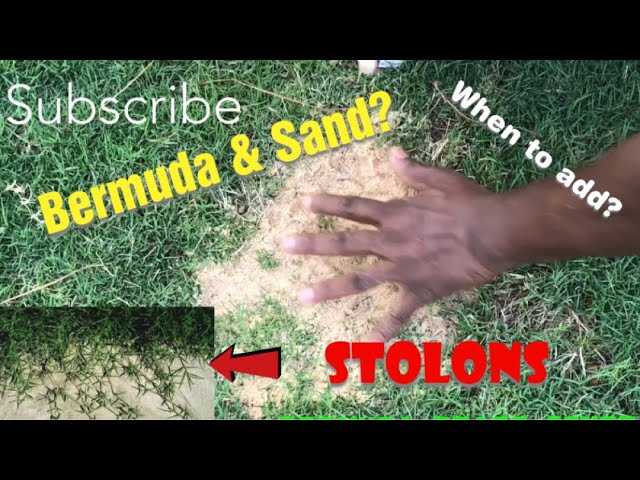
The best sand for Bermuda grass is coarse, well-draining sand with a neutral pH, ideally with a mix of course sand particles to improve soil aeration and drainage. This type of sand promotes healthy root growth and prevents waterlogging, which Bermuda grass hates.
For Bermuda grass, choosing the right sand can make all the difference in maintaining a lush, green lawn. The key is to select coarse, well-draining sand that enhances soil aeration and prevents water from pooling. Avoid fine or overly sandy types that can compact easily or cause drainage issues. When applied correctly, the right sand helps Bermuda grass flourish by creating an optimal environment for healthy root development and resilience against drought and pests. Whether repairing bare patches or improving sandy soils, understanding which sand suits Bermuda grass ensures a vibrant, durable lawn.
Looking to upgrade your Bermuda grass lawn? Picking the right type of sand is essential. Coarse, neutral pH sands with good drainage properties will give your grass the foundation it needs to thrive. This simple upgrade can lead to a visibly healthier, more resilient turf, especially in areas prone to poor drainage or compacted soil. By carefully selecting the right sand, you’ll be well on your way to enjoying a lush, green Bermuda lawn all season long.

What Kind of Sand for Bermuda Grass
Bermuda grass is a popular choice for lawns because it’s durable and thrives in warm weather. To keep it healthy and looking great, the type of sand used in the soil plays an important role. Choosing the right sand can improve drainage, boost root growth, and prevent common problems like compacted soil or pests.
Understanding the Role of Sand in Bermuda Grass Lawn
Sand is added to soil mainly to improve its texture and structure. For Bermuda grass, the main goal is to create a free-draining environment that allows water and air to reach the roots. Properly selected sand helps prevent water pooling and reduces soil compaction.
Besides drainage, sand can also influence soil pH and nutrient availability. This means choosing the right type and amount of sand is essential for a strong, lush Bermuda lawn. Not all sands are suitable, so understanding the different types helps in making an informed decision.
Types of Sand Suitable for Bermuda Grass
Silica Sand
Silica sand, also called quartz sand, is the most common type used for Bermuda grass lawns. It is made of fine, round grains that promote good drainage and aeration. This sand is durable and resists breakdown over time.
Silica sand typically has a high silica content of over 95%, which makes it very pure. It is also clean and free of organic matter or clay, reducing the chances of soil compaction or pests.
Sharp Sand
Sharp sand is coarse and angular in shape, making it excellent for improving soil drainage. It is often used in lawn topdressing and soil amendments for Bermuda grass. Its texture promotes air spaces between soil particles, which benefits root growth.
Despite its benefits, sharp sand should be used carefully to avoid increasing soil alkalinity, which Bermuda grass doesn’t prefer. It is best combined with finer sands or organic matter for a balanced soil mix.
Playground or Masonry Sand
While often readily available, playground or masonry sand is generally not recommended for Bermuda lawns. These sands tend to contain finer particles and may include debris, which can lead to poor drainage and soil compaction.
Using this type of sand might cause problems, such as clogging soil pores or introducing contaminants that harm the grass. It’s better to opt for cleaner, well-sieved sands like silica or sharp sand for lawn purposes.
What to Avoid When Choosing Sand for Bermuda Grass
It is essential to steer clear of certain types of sand to protect the health of your Bermuda lawn. Avoid beach sand, which often contains salt and organic debris that can damage grass roots.
Do not use construction or fill sand that contains clay, silt, or organic matter. These components can cause soil compaction and poor drainage, hindering root development.
Sand Particle Size and Its Impact on Bermuda Grass
Fine vs. Coarse Sand
Fine sands, like those used in pottery or some play sands, can pack tightly and reduce air spaces. This may hinder water drainage and root respiration.
Coarse sands, like silica or sharp sand, create larger pores in the soil, boosting aeration and water movement. For Bermuda grass, coarser sands generally deliver the best results.
Ideal Particle Size Range
| Type of Sand | Particle Size Range | Benefits |
|---|---|---|
| Silica Sand | 0.2mm to 0.5mm | Excellent drainage and durability |
| Sharp Sand | 0.5mm to 2mm | Good aeration and soil structure |
| Play Sand | Below 0.2mm | Can cause compaction; avoid for lawns |
For Bermuda lawns, aim for sands with particles from 0.2mm to 2mm for optimal effects.
How to Prepare and Apply Sand to Bermuda Grass
Preparing the Soil
Before adding sand, test your soil’s texture, pH, and drainage. Remove any existing debris, weeds, or organic matter that could interfere with uniform layering.
Mixing sand into compacted soil can be achieved with aeration tools or core cultivation. This process creates spaces for the roots to grow and improves overall soil health.
Applying the Sand
Spread the sand evenly across your Bermuda grass lawn using a rake or spreader. Aim for a thin layer, about half an inch to one inch, to avoid smothering the grass.
Water the lawn thoroughly afterward to help the sand settle and integrate with the soil. Repeat the process as needed, especially after aeration or overseeding.
Benefits of Using the Right Sand for Bermuda Grass
- Improves Drainage: Proper sand enhances water flow, preventing puddles and root rot.
- Promotes Healthy Roots: Air pockets created by coarse sands allow roots to breathe and grow strong.
- Reduces Soil Compaction: Looser soil structure supports better grass development.
- Prevents Pests and Diseases: Well-drained soil discourages fungi, mold, and pests like grubs.
Additional Tips for Maintaining a Healthy Bermuda Lawn with Sand
Regular Aeration
Frequent aeration helps maintain channels for water and air to reach the roots, especially if you have clay-rich soil. Use a spike or plug aerator for best results.
Balanced Fertilization
Complement sand amendments with appropriate fertilization. Bermuda grass responds well to fertilizers rich in nitrogen and phosphorus.
Consistent Irrigation
Water deeply but infrequently to encourage deep root growth. Proper irrigation combined with sandy soil prevents drought stress and promotes lush growth.
Monitoring and Adjustments
Regularly monitor soil moisture and health. Adjust your sand application or fertilization based on grass response and seasonal changes.
Related Topics to Consider
- Soil Testing for Bermuda Grass: Understand your soil’s current condition to tailor amendments.
- Topdressing Techniques: Learn how to evenly apply sand for best results.
- Adding Organic Matter: Combine sand with compost or peat to improve soil fertility.
- Addressing Soil pH: Ensure lime or sulfur adjustments are made if necessary for Bermuda grass health.
Paying attention to these factors helps ensure that the sand you choose effectively supports a healthy, vibrant Bermuda lawn that stays green and dense year-round.
The Best Sand For Lawn Leveling Is…
Frequently Asked Questions
What type of sand promotes healthy Bermuda grass growth?
Sand that promotes healthy Bermuda grass growth is coarse, well-draining, and has a high-quality angular texture. It should have a good balance of particle sizes to avoid compaction and ensure proper airflow and water movement. Silica-based sands or playsand with minimal fine particles are ideal because they prevent water retention and promote strong root development.
How does the grain size of sand affect Bermuda grass lawns?
The grain size of sand influences how well water drains and how the grass roots develop. Larger, angular grains create pore spaces that allow water to flow freely and prevent waterlogging. Fine or rounded grains can settle and cause compaction, which hampers root growth and fosters disease. Selecting sand with a uniform, coarse texture supports a resilient Bermuda grass lawn.
Are there specific sand colors or additives that benefit Bermuda grass?
While color doesn’t significantly impact Bermuda grass health, choosing sand free of contaminants like clay or organic matter is important. Some gardeners opt for white or light-colored sands to reflect heat, helping to maintain even soil temperatures. Additives such as soil conditioners or starter fertilizers mixed with the sand can improve nutrient availability, promoting lush, dense Bermuda grass coverage.
Can I use construction or play sand for my Bermuda grass lawn?
Construction or play sand can sometimes be used, but you should ensure it is clean, free of debris, and has a suitable particle size. Many of these sands contain fine particles or impurities that may compact or introduce unwanted materials into the soil. It’s best to select sands specifically labeled for horticultural or turf use, ensuring they support proper drainage and healthy root development.
Final Thoughts
Choosing the right sand for Bermuda grass is essential for a healthy, resilient lawn. Use coarse, well-draining sand that promotes proper aeration and prevents compaction. Avoid fine or clay-rich sands that hold too much moisture and hinder root growth.
Remember, the best type of sand for Bermuda grass enhances drainage and maintains stability. Always select clean, screened sand with angular grains for optimal results.
In summary, understanding what kind of sand for Bermuda grass helps ensure a lush, durable lawn that thrives in your climate.