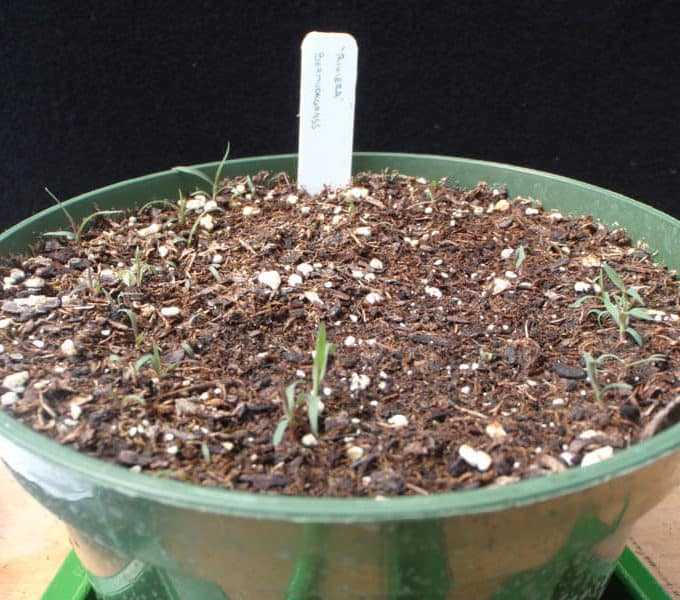
For healthy Bermuda grass seedlings, ensure they get plenty of sunlight, proper watering, and well-prepared soil. Use high-quality seeds and avoid overwatering to promote strong growth. Proper care and patience will lead to a lush, vibrant lawn in no time!
Bermuda grass seedlings can be a game-changer for your lawn if you know how to nurture them properly from the start. Growing Bermuda grass from seed is an affordable and rewarding process, but it requires attention to detail and consistent care. From selecting the right seed to maintaining optimal soil conditions, each step plays a vital role in establishing a thriving turf. If you’re eager to transform your yard into a lush, green paradise, understanding the essentials of Bermuda grass seedlings will set you on the right path. With some basic tips and a bit of patience, your new Bermuda lawn can become the envy of neighbors in no time.

Bermuda Grass Seedling: A Complete Guide to Growing a Healthy Lawn
Understanding Bermuda Grass Seedlings
Bermuda grass seedlings are young plants that emerge from seeds and are the first step toward establishing a lush, green lawn. These seedlings are delicate and require careful attention to develop into strong, mature grass. Proper care during this early stage ensures a dense and resilient turf that can withstand foot traffic and harsh weather conditions.
Characteristics of Bermuda Grass Seedlings
Bermuda grass seedlings typically appear as small, thin blades of grass with a light green color. They grow quickly once established, often within a few days after germination. As they mature, they develop a dense mat of blades that create an attractive and durable surface. Young seedlings are sensitive to environmental stressors such as drought and excessive shade, making early care crucial.
Steps to Plant Bermuda Grass Seedlings
Starting with healthy seedling care is vital for establishing Bermuda grass. Follow these steps for optimal growth:
- Soil Preparation: Clear debris and weeds from the planting area. Loosen the soil to a depth of at least 6 inches to improve drainage and root penetration.
- Seed Selection: Choose high-quality Bermuda grass seeds suited for your climate and soil conditions.
- Seeding: Spread seeds evenly across the prepared soil at the recommended rate on the package. Lightly rake to cover the seeds with a thin layer of soil.
- Watering: Keep the soil consistently moist but not soaked to encourage germination. Water lightly two to three times daily during the first week.
Optimal Growing Conditions for Bermuda Grass Seedlings
Proper environmental conditions enhance germination and seedling development. Focus on the following factors:
Sunlight
Bermuda grass thrives in full sun. Ensure your seedlings receive at least 6 hours of direct sunlight each day for healthy growth.
Soil Quality
A well-draining soil with a pH of 5.8 to 7.0 promotes root development. Enrich the soil with compost or organic matter if necessary.
Water Management
Consistent moisture is essential during germination. Avoid overwatering, which can cause seed rot, or underwatering, which may hinder growth.
Temperature
Optimal soil temperatures for Bermuda grass seedling germination range between 65°F and 75°F. Avoid planting during extremely cold or hot periods.
Proper Watering Techniques for Bermuda Seedlings
Watering is a critical part of seedling care. Use gentle, frequent watering to keep the soil moist without causing runoff or puddles. Early morning and late afternoon are the best times to water, reducing evaporation and maintaining consistent moisture levels.
Fertilizing Young Bermuda Grass Seedlings
Applying the right fertilizer helps seedlings develop strong roots and blades. Use a balanced fertilizer with equal parts nitrogen, phosphorus, and potassium. Start fertilizing about four weeks after germination, following the recommended application rates.
Types of Fertilizer
- Granular slow-release fertilizers
- Liquid fertilizers for quick absorption
Fertilizing Tips
– Avoid over-fertilizing, which can burn seedlings.
– Apply fertilizer evenly to prevent uneven growth.
– Water after fertilization to help nutrients penetrate the soil.
Pest and Disease Control for Bermuda Grass Seedlings
Young seedlings are vulnerable to pests and diseases. Regular inspection helps catch problems early. Common issues include armyworms, grubs, and fungal infections.
Prevention Strategies
- Maintain proper watering and fertilization practices.
- Remove debris and weeds that can harbor pests.
- Apply organic or chemical treatments as needed, following instructions carefully.
Weed Management in Bermuda Grass Seedlings
Weeds compete for nutrients and can choke out seedlings if not controlled. Use pre-emergent herbicides before planting or spot-treat weeds carefully after germination. Manual removal can also be effective for small patches.
Keeping Bermuda Grass Seedlings Healthy
Consistent maintenance is vital for strengthening young seedlings. Mowing should be delayed until seedlings are at least 2 inches tall to avoid damage. Watering, fertilizing, and weed control should be ongoing.
Common Challenges During Seedling Growth
Seedlings might face issues like uneven germination, pest damage, or drought stress. Address these promptly by adjusting watering schedules, applying pest control, or reseeding bare patches for uniform coverage.
Transplanting and Thinning of Bermuda Grass Seedlings
If seedlings are crowded, thin them out to give each plant enough space—about 6 inches apart. Transplant healthy seedlings to fill gaps or to improve overall turf density. Use a gentle approach to minimize root disturbance.
Seasonal Care for Bermuda Grass Seedlings
Seasonal changes impact seedling health. During hot summers, ensure ample watering and shade if necessary. In cooler months, avoid overwatering and protect seedlings from frost with covers if needed.
Long-Term Lawn Planning with Bermuda Grass
Establishing Bermuda grass seedlings is just the beginning. Plan ongoing maintenance for mowing, aeration, and fertilization to sustain a beautiful, resilient lawn. Sow new seed patches annually to fill in any bare or thin areas.
Related Topics to Consider
- Best soil amendments for Bermuda grass
- How to improve Bermuda grass germination rate
- Differences between Bermuda grass and other turf grasses
- Automatic irrigation systems for healthy seedling growth
- Seasonal lawn care tips for Bermuda grass
Seeding Bermuda Grass
Frequently Asked Questions
What is the ideal soil condition for Bermuda grass seedlings?
Bermuda grass seedlings thrive best in well-draining soils with a pH level between 5.8 and 7.0. The soil should be rich in organic matter and kept consistently moist during the initial stages of growth. Proper soil preparation, including aeration and the addition of compost or fertilizer, helps promote healthy root development and quick establishment of the grass.
How often should I water Bermuda grass seedlings during their early growth?
Water Bermuda grass seedlings lightly and frequently to keep the topsoil consistently moist but not waterlogged. Aim to water once or twice daily, especially during hot or dry weather, to encourage germination and root establishment. Gradually reduce watering frequency as the grass matures, encouraging deeper root growth for drought resistance.
What common pests or diseases should I watch for in Bermuda grass seedlings?
During early growth, Bermuda grass seedlings are susceptible to pests such as cutworms and armyworms, which can cut or damage young shoots. Fungal diseases like brown patch and leaf spot can also affect seedlings if conditions are overly wet or humid. Applying appropriate pest control measures and maintaining proper lawn hygiene will help protect your seedlings and promote healthy growth.
How long does it typically take for Bermuda grass seedlings to establish fully?
Under optimal conditions, Bermuda grass seedlings usually establish a dense, healthy turf within 4 to 6 weeks. However, full maturity and optimal growth may take up to 3 months, depending on climate, soil quality, and maintenance practices. Consistent watering, fertilization, and mowing support steady development during this period.
Can Bermuda grass seedlings be grown from older or stored seeds?
Yes, Bermuda grass seeds can be stored for later planting if kept in a cool, dry place. However, the germination rate may decrease over time. For best results, use fresh seeds and store them properly. Older seeds might take longer to germinate and may produce less vigorous plants, so consider testing a small batch before full-scale planting.
Final Thoughts
A healthy bermuda grass seedling sets the foundation for a lush lawn. Proper watering, fertilizing, and sunlight are essential for growth. Keep the soil well-drained and free of weeds to ensure strong development. Regular care encourages a dense, green turf. bermuda grass seedling plays a vital role in establishing a vibrant outdoor space.