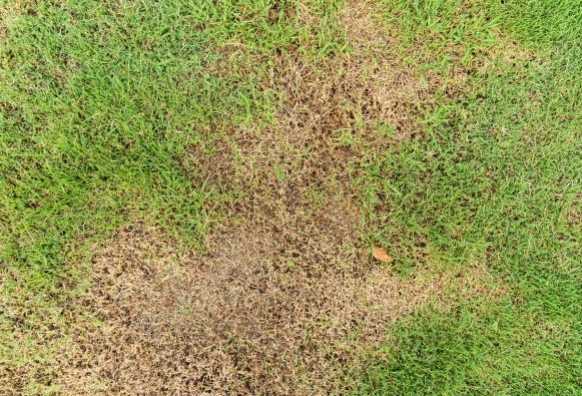
Dark spots in Bermuda grass can quickly turn your lush lawn into a patchy mess, but don’t worry—identifying and treating the underlying cause can restore its vibrant green. The key is to determine whether these spots are caused by fungal infections, pests, or environmental stress, and then take targeted action. With proper care, your Bermuda grass can bounce back to its healthy, uniform appearance.
In brief, addressing dark spots in Bermuda grass involves diagnosing the root issue—like fungal disease or pests—and applying appropriate treatments such as fungicides, insecticides, or adjusting watering practices. Regular lawn maintenance and proper fertilization are also essential to prevent future spots and promote overall turf health.
If you’ve noticed unsightly dark patches ruining your lawn, you’re not alone. These spots often appear suddenly and can be caused by a variety of issues, from fungal infections to pests or even environmental stressors. The good news is, with a quick diagnosis and some proactive steps, you can effectively eliminate these dark spots and bring your Bermuda grass back to life. Understanding what causes these patches is the first step—whether it’s a fungal disease like dollar spot or large patch, pest damage, or simply overwatering or poor soil conditions. Once identified, treatment options such as applying fungicides, improving drainage, or adjusting watering schedules can help your lawn recover swiftly. Keep reading to learn how to identify the cause of dark spots and restore the beauty of your Bermuda turf.

Understanding Dark Spots in Bermuda Grass
Dark spots in Bermuda grass can be visible signs of underlying problems that affect the health and appearance of your lawn. These spots often vary in size and shape but often share common causes that homeowners should recognize. Identifying the root cause of these dark patches is essential for effective treatment and maintaining a lush, green yard.
Common Causes of Dark Spots in Bermuda Grass
Dark spots usually appear due to several factors, including fungal infections, pest damage, or environmental stress. Understanding these causes helps in diagnosing and applying the correct solution quickly.
Fungal Diseases Affecting Bermuda Grass
Fungal infections are one of the most common reasons for dark patches. Diseases such as **Large Patch** and **Gray Leaf Spot** result in irregular dark areas that can spread if untreated.
- Large Patch causes large, irregular dark areas with edges that appear sunken or water-soaked.
- Gray Leaf Spot manifests as small, dark to grayish spots that enlarge, often with a yellow halo around them.
Recognizing the symptoms early can prevent the disease from spreading across your entire lawn.
Pest Infestation and Its Impact on Bermuda Grass
Insects like **chinch bugs** and **armyworms** can cause dark spots by damaging grass blades and stems. These pests suck plant juices, leading to weakened grass that turns darker or brownish.
- Chinch bugs leave behind dark, irregular patches with visible signs of insect infestation.
- Armyworms cause patches of dead or dying grass that often look darker and unhealthy.
Regular inspections and pest control measures help prevent pest-induced dark spots.
Environmental Stress Leading to Dark Spots
Environmental factors like drought, excessive shade, or poor soil quality can stress Bermuda grass. This stress may cause the grass to die unevenly, creating dark patches.
- Drought stress causes the grass to turn dark sooner than healthy, green areas.
- Over-shaded areas lack enough sunlight, leading to poor growth and dark patches.
- Soil compaction reduces airflow and water penetration, resulting in dark, unhealthy spots.
Managing these conditions improves the overall health of your yard.
Signs and Symptoms of Dark Spots in Bermuda Grass
Recognizing specific signs can help you identify the cause quickly. Different problems present unique characteristics that are worth noting.
Visual Appearance of Dark Patches
Dark spots can vary from small, circular patches to large, irregular areas. They are often darker than the surrounding healthy grass and sometimes have a different texture.
Texture and Feel
Affected areas may feel softer, spongier, or have a slimy surface if fungal infections are involved. Pest damage usually causes uneven surfaces or dead patches.
Additional Symptoms
Look for related signs such as discoloration, a foul smell (in case of rot), or the presence of pests. These clues assist in pinpointing the actual problem.
Diagnosing the Cause of Dark Spots
Proper diagnosis involves examining the affected areas carefully and considering recent lawn care routines.
Visual Inspection
Check for signs like mold, insects, or damage patterns. Take note of the size, shape, and location of the dark spots.
Soil Testing
Testing soil pH and nutrient levels can reveal deficiencies or imbalances that cause stress and dark patches.
Laboratory Analysis
For persistent or severe cases, send samples of the affected grass or soil to a professional lab. They can identify specific fungi, pests, or other issues.
Effective Treatment Options for Dark Spots
Addressing dark spots involves multiple strategies depending on the cause. Here are some practical approaches.
Fungal Disease Management
Apply appropriate fungicides designed for Bermuda grass diseases. Follow the label instructions carefully.
- Preventative fungicides can be applied before symptoms appear.
- Curative treatments are effective once the disease is established.
Maintain proper watering and mowing practices to reduce the chances of fungal outbreaks.
Pest Control Strategies
Use insecticides targeted at specific pests like chinch bugs or armyworms. Regular inspection and early treatment minimize damage.
- Apply insecticides according to manufacturer instructions.
- Consider natural predators or beneficial insects as biological control options.
Keep the lawn clean and free of debris to prevent pest habitats.
Managing Environmental Stress
Adjust watering schedules to avoid drought stress, especially during hot, dry periods.
- Ensure your Bermuda grass receives at least 1 to 1.5 inches of water weekly.
- Prune shaded branches to allow more sunlight penetration.
- Loosen compacted soil with aeration to improve root growth.
Improve soil quality by adding organic matter or fertilizers suitable for Bermuda grass.
Prevention Tips for Dark Spots in Bermuda Grass
Prevention remains the best way to maintain a healthy green lawn. Here are some simple steps:
- Regularly mow at the correct height to prevent stress.
- Aerate the lawn annually to reduce soil compaction.
- Water deeply but infrequently to promote strong roots.
- Fertilize with balanced nutrients, especially nitrogen, during the growing season.
- Monitor for pests and diseases periodically.
Consistent lawn care practices help keep your Bermuda grass vibrant and free of dark spots.
Additional Related Topics
Understanding related issues can help you better care for your Bermuda grass.
Proper Mowing Techniques
Keep your mower blades sharp and mow at the recommended height for Bermuda grass, which is typically 1 to 2 inches.
Soil Fertility and pH Balance
Test regularly and amend soil as needed to maintain pH levels between 6.0 and 6.5 for optimal growth.
Watering Best Practices
Water early in the morning to reduce evaporation and prevent fungal diseases caused by excess moisture at night.
Understanding Bermuda Grass Growth Cycles
Knowing when Bermuda grass goes into dormancy or active growth helps schedule treatments at the right times.
Summary
Dark spots in Bermuda grass are signs that something is affecting your lawn’s health. Proper diagnosis, timely treatment, and proactive care are key to keeping your yard green and healthy. Regular lawn maintenance and early detection can prevent many issues from escalating, saving you time and money in the long run. By understanding the causes and treatment options, you can enjoy a beautiful, dark-spot-free Bermuda grass lawn.
Brown Spots and Patches in Bermudagrass
Frequently Asked Questions
What are the common causes of dark spots appearing in Bermuda grass?
Dark spots in Bermuda grass often result from fungal infections, such as dollar spot or brown patch. Poor drainage, overwatering, and maintaining high soil moisture can create favorable conditions for these fungi. Additionally, pest infestations like grubs or insects can damage the grass roots, leading to darkened patches. Improper fertilization or nutrient deficiencies may also weaken the grass, making it susceptible to discoloration and spots.
How can I differentiate between fungal spots and pest-related discoloration in Bermuda grass?
Fungal spots usually appear as circular patches with a defined edge and may be surrounded by a yellow halo. They often grow in humid conditions and can be accompanied by a cottony or fuzzy growth. Pest-related discoloration, on the other hand, might present as irregular patches with visible insects or their damage, such as chewed grass blades or tunnels. Checking the soil and grass closely can help identify pests, while a damp or moldy appearance indicates fungal issues.
What are effective methods to treat dark spots on Bermuda grass caused by fungus?
Start by reducing watering frequency and avoiding excess moisture around the lawn. Apply appropriate fungicides, following label instructions, to control the fungal infection. Aerating the soil helps improve drainage and reduces soil compaction, discouraging fungus growth. Reseeding or overseeding bare patches can stimulate healthy growth, and maintaining proper fertilization ensures the grass receives necessary nutrients to resist disease.
Can soil health influence the formation of dark spots, and how can I improve it?
Yes, soil health significantly impacts Bermuda grass’s ability to resist diseases and develop uniform coloration. Poor soil drainage, low organic matter, or imbalanced pH levels can stress the grass, leading to dark spots. To improve soil health, consider aerating the lawn to enhance airflow and drainage. Regularly amend the soil with organic matter like compost and test soil pH to make necessary adjustments. Healthy soil promotes vigorous grass growth and reduces susceptibility to discoloration.
What preventive steps can I take to avoid dark spots in my Bermuda grass lawn?
Maintain proper mowing height and avoid cutting the grass too short, which can weaken the plant. Water deeply but infrequently to prevent excess moisture that promotes fungi. Ensure proper fertilization by providing a balanced nutrient supply tailored for Bermuda grass. Aerate the lawn regularly and remove thatch buildup to improve air circulation and soil conditions. Lastly, monitor the lawn for early signs of pests or disease, addressing issues promptly to prevent the spread of dark spots.
Final Thoughts
Dark spots in Bermuda grass often signal underlying issues like fungal infections or overwatering. Addressing these problems promptly helps restore your lawn’s health and appearance. Proper aeration and balanced fertilization can prevent recurrence and promote even growth. Staying attentive to these spots ensures your Bermuda grass stays vibrant and healthy.