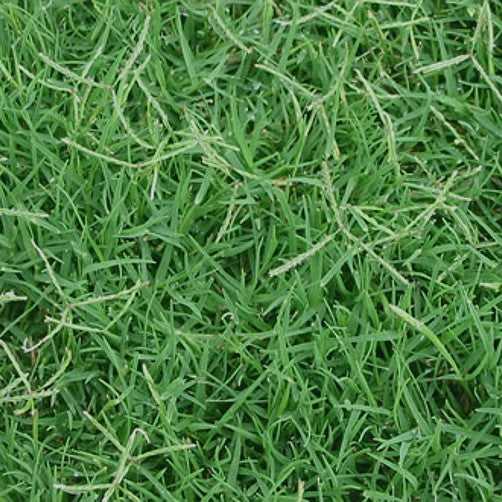
Looking to create a lush, resilient lawn? A well-chosen Bermuda grass mix can be your best solution for a durable, vibrant yard that thrives in hot climates.
The key to a healthy Bermuda lawn is selecting the right mix tailored to your needs, whether for high traffic, shade, or drought resistance. A quality Bermuda grass mix combines different varieties that complement each other, ensuring your lawn stays green and strong throughout the seasons. With proper care and the right blend, you’ll enjoy a low-maintenance, attractive yard that stands up to wear and weather.
Bermuda grass mix is an ideal solution for homeowners seeking a tough, attractive lawn in warm regions. It offers versatility and resilience through carefully selected seed blends, promoting quick establishment and long-lasting health. Choosing the right mix ensures your lawn looks stunning while minimizing maintenance and water needs.

Bermuda Grass Mix: The Complete Guide for a Healthy Lawn
Understanding Bermuda Grass Mix
Bermuda grass mix is a combination of different Bermuda grass varieties. It is specially blended to create a resilient, lush, and even turf. This mix is popular for lawns, sports fields, and golf courses because it handles heat, drought, and heavy foot traffic well.
The main goal of using a Bermuda grass mix is to get a lawn that stays green and healthy in warmer climates. The mix can include different types of Bermuda grasses to enhance features like growth rate, color, and disease resistance.
Why Choose a Bermuda Grass Mix?
Choosing a Bermuda grass mix offers several advantages. First, it increases the chances of establishing a strong, vibrant lawn quickly. Different varieties in the mix can fill in gaps as they grow, leading to a seamless appearance.
A mixed Bermuda grass is more resistant to pests and diseases. Since different types have varying strengths, this diversity helps the lawn withstand issues that could affect monoculture grasses.
Types of Bermuda Grass Used in Mixes
There are various Bermuda grass varieties made into mixes, each with unique traits. Here are some common types used:
- Common Bermuda: Known for its rapid growth and good drought tolerance.
- Hybrid Bermuda: Offers a darker color and finer texture, ideal for high-end lawns.
- Celebration Bermuda: Resilient to drought and heavy usage, great for sports fields.
- Tifway 419: Popular for golf courses, provides a dense turf with good wear tolerance.
Using a combination helps adapt to different soil types and climate conditions.
How to Select the Best Bermuda Grass Mix
Choosing the right mix depends on your specific needs and local climate. Consider factors such as sunlight exposure, soil type, and the level of foot traffic.
Start by checking what Bermuda varieties grow best in your region. Local garden centers and lawn care professionals can recommend suitable mixes. Look for mixes that highlight qualities like drought resistance, quick establishment, and lush color.
It’s also wise to read product labels to understand the percentage of each variety in the mix. A balanced blend with a good ratio of perennial to annual types offers better longevity.
Planting Bermuda Grass Mix
Planting Bermuda grass mix involves several steps. First, prepare the soil by removing weeds and loosening the soil surface. This helps the seeds or sod roots establish easily.
- Seed or Sod Selection: Decide whether to plant by seed or sod.
- Timing: The best time to plant Bermuda grass is late spring or early summer when the soil warms up.
- Seeding: Spread the seeds evenly across the prepared soil, then rake lightly to incorporate them.
- Watering: Keep the area consistently moist until the grass establishes.
Proper watering and mowing are key during the initial growth phase to promote dense coverage.
Maintaining a Bermuda Grass Mix Lawn
Regular maintenance ensures a healthy and attractive Bermuda grass lawn. It includes mowing, watering, fertilizing, and aerating.
Mowing should be done frequently to keep the grass at a height of about one to two inches. Cutting too short can weaken the grass, especially during hot weather.
Watering needs to be deep and infrequent, encouraging strong roots. Aim for watering once or twice a week depending on rainfall and soil type.
Fertilizing is crucial for vibrant color and growth. Use a balanced fertilizer with nitrogen, phosphorus, and potassium. Applying fertilizer every six to eight weeks during the growing season supports consistent growth.
Aeration helps prevent soil compaction, allowing air, water, and nutrients to reach the roots effectively. This practice is especially useful for lawns with heavy foot traffic.
Common Challenges with Bermuda Grass Mix
While Bermuda grass is hardy, it can face some issues. One common problem is weed invasion, which competes with the grass for nutrients and space.
Another challenge is that Bermuda grass can go dormant and turn brown during cooler months. Proper overseeding or choosing a different grass type for winter can help maintain a green yard year-round.
Lastly, Bermuda grass can be aggressive and spread into unwanted areas. Regular edging and control measures prevent it from invading flower beds or walkways.
Enhancing Bermuda Grass Mix Performance
To boost the durability of your Bermuda grass, consider overseeding with other grasses for different seasons. Overseeding with cool-season grasses can keep your lawn green in winter.
Adding organic matter to the soil can improve drainage and nutrient availability. Mulching around the edges also helps conserve moisture and suppress weeds.
Finally, regular testing of soil pH and nutrients should guide your fertilization plan. Bermuda grass thrives best in slightly acidic to neutral soil (pH 5.8 to 6.5). Adjusting soil conditions ensures optimal growth.
Related Topics to Consider
- Best soil preparation techniques: How to get your soil ready for Bermuda grass.
- How to control weeds in Bermuda lawns: Effective methods to keep your turf weed-free.
- Choosing the right mowing height for Bermuda grass: Tips for maintaining a healthy turf.
- Watering tips for drought-resistant lawns: Save water and keep your grass healthy.
- Comparing Bermuda grass to other warm-season grasses: Pros and cons of alternative turf options.
A well-chosen Bermuda grass mix can provide a lush, resilient lawn that endures varying weather conditions and heavy use. Selecting the right blend, planting at the optimal time, and practicing consistent maintenance will lead to a thriving turf. By understanding your specific environment and needs, you can ensure your Bermuda grass mix thrives and keeps your outdoor space looking its best.
How to get a Thick Bermuda Grass Lawn
Frequently Asked Questions
What are the ideal growing conditions for a Bermuda grass mix?
Bermuda grass thrives in warm climates with full sunlight and well-drained soil. It prefers temperatures between 75°F to 95°F (24°C to 35°C) during the day. To promote healthy growth, ensure the soil has good fertility and proper moisture levels. Regular watering during dry spells and adequate fertilization help establish a dense, green turf. Avoid planting in shaded areas or regions with cold winters, as Bermuda grass does not tolerate frost well.
How should I prepare my lawn before overseeding with a Bermuda grass mix?
Start by mowing your existing grass short to reduce competition for nutrients and sunlight. Remove any debris, weeds, and dead grass to create a clean surface. Aerate the soil to improve aeration and nutrient penetration. If necessary, amend the soil with compost or fertilizers to boost fertility. Ensure the soil surface is level to facilitate even seed distribution. Proper preparation encourages better seed-to-soil contact, which is essential for successful germination and growth.
What maintenance practices are recommended after planting a Bermuda grass mix?
Keep the soil consistently moist during the initial germination period, which usually takes 7 to 14 days. Once established, Bermuda grass requires regular mowing, typically at heights of 1 to 2 inches, to promote dense growth. Fertilize the lawn regularly, especially during peak growing seasons, using a balanced fertilizer high in nitrogen. Aerate the soil annually to prevent compaction and promote healthy root development. Water deeply and infrequently to encourage deep roots and drought tolerance. Proper maintenance ensures a resilient, lush lawn over time.
Final Thoughts
A bermuda grass mix offers an excellent solution for creating a lush, durable lawn. It adapts well to various climates and requires minimal maintenance. Choosing the right mix ensures healthier growth and a vibrant appearance. Overall, investing in a bermuda grass mix provides a practical and attractive lawn option.