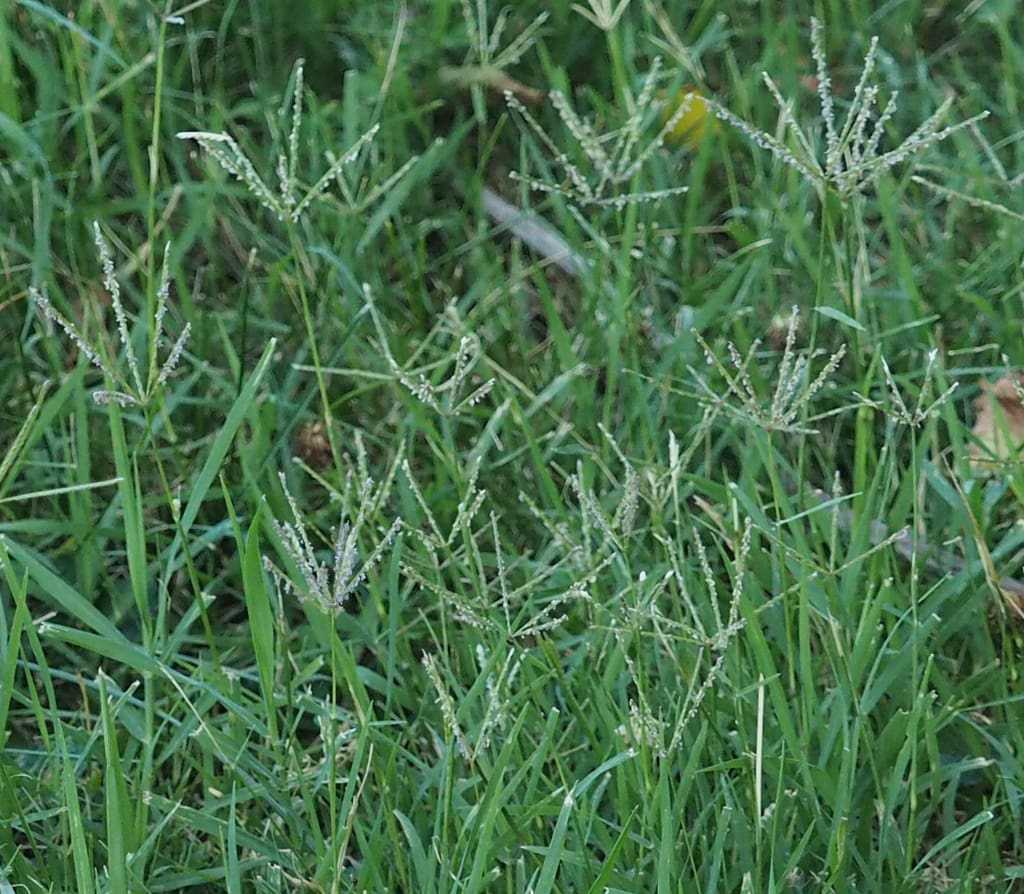
Bermuda grass is an excellent choice for Louisiana lawns thanks to its heat tolerance and drought resistance. Proper care ensures a lush, green yard that thrives in the state’s warm climate. In Louisiana, Bermuda grass can flourish with the right maintenance techniques, making it a popular turf option for homeowners and landscapers alike.
For Louisiana, Bermuda grass is highly recommended due to its adaptability to hot, humid weather and its durability during dry spells. Regular watering, mowing at the right height, and fertilizing appropriately will keep your Bermuda grass healthy and vibrant throughout the year.
Bermuda grass in Louisiana is well-suited for lawns, sports fields, and golf courses because of its resilience to heat and foot traffic. Maintaining it involves proper watering, mowing, and fertilization practices tailored to Louisiana’s climate to ensure a dense, emerald-green turf. With the right care, Bermuda grass can transform your yard into a stunning, low-maintenance landscape, even in the most challenging weather conditions.

Bermuda Grass Louisiana: Your Complete Guide to Growing and Maintaining a Healthy Lawn
Introduction to Bermuda Grass in Louisiana
Bermuda grass is a popular choice for lawns in Louisiana because it thrives in warm climates. Its ability to grow quickly and recover from damage makes it ideal for homeowners who want a lush, green yard. Understanding how to care for Bermuda grass ensures it stays healthy and looking great all year round.
Why Choose Bermuda Grass in Louisiana?
Louisiana’s hot and humid weather creates perfect conditions for Bermuda grass to flourish. It is drought-tolerant and handles heavy foot traffic well, making it suitable for family yards and sports fields. Plus, its fine texture and deep green color add to the visual appeal of any landscape.
Types of Bermuda Grass Suitable for Louisiana
- Cynodon dactylon: The most common Bermuda grass variety used in Louisiana for lawns and sports fields.
- Celebration Bermuda: Known for its cold tolerance and fine texture, suitable for homeowners wanting a premium look.
- TifGrand Bermuda: Features deep green color and finer blades, ideal for golf courses and manicured lawns.
Growing Bermuda Grass in Louisiana
Soil Preparation and Testing
Before planting Bermuda grass, test your soil’s pH level, aiming for a range between 5.8 and 7.0. Add organic matter or lime if needed to improve soil fertility and drainage. Proper soil preparation lays the foundation for healthy grass growth.
Seeding vs. Sodding
Louisiana homeowners can choose between seeding Bermuda grass or laying sod. Seeding is more affordable and suitable for large areas, but it takes longer to establish. Sodding provides instant coverage but tends to be more expensive.
Planting Timeframes
Plant Bermuda grass in Louisiana during late spring to early summer when soil temperatures reach at least 65°F. Avoid planting during cold snaps, as frost can damage young grass.
Maintenance and Care for Bermuda Grass in Louisiana
Watering Practices
Bermuda grass requires about 1 to 1.25 inches of water weekly, either through rainfall or supplemental irrigation. Water deeply and infrequently to encourage deep root growth. Adjust watering schedules based on weather conditions.
Mowing Guidelines
Maintain Bermuda grass at a height of about 1 to 2 inches. Regular mowing keeps the grass dense and prevents it from becoming woody. Never remove more than one-third of the grass height at once.
Fertilization Schedules
Apply a nitrogen-rich fertilizer every six to eight weeks during the growing season. A balanced fertilizer with phosphorus and potassium supports overall health. Avoid over-fertilizing, which can cause thatch buildup and disease.
Controlling Weeds and Pests
Regularly inspect your lawn for weeds like crabgrass and broadleaf species. Use pre-emergent herbicides in early spring and post-emergent as needed. Keep an eye out for pests such as grubs and armyworms, and treat infestations promptly.
Common Challenges of Bermuda Grass in Louisiana
Thatch Buildup
Too much thatch can hinder water and nutrient absorption. Aerate the lawn annually to reduce thatch and improve soil drainage.
Cold Damage
Although Bermuda grass is heat-tolerant, cold snaps can cause discoloration or death in some varieties. Reseed damaged areas in spring to restore your lawn.
Disease Management
Fungal diseases like dollar spot and brown patch can occur during wet seasons. Ensure proper watering practices and apply fungicides if necessary to prevent and treat infections.
Additional Tips for a Successful Bermuda Grass Lawn in Louisiana
Overseeding and Repair
Overseed damaged patches with Bermuda grass seed in late spring or early summer. Keep the soil moist until new grass establishes.
Border and Edge Maintenance
Define lawn edges with a trimmer or edging tool to keep Bermuda grass looking tidy. Proper edging also prevents grass from invading flower beds and walkways.
Seasonal Lawn Care
In fall, reduce mowing height gradually and stop fertilizing. In winter, Bermuda grass enters dormancy, so limit watering and avoid heavy traffic on the lawn.
Related Topics for Louisiana Lawn Enthusiasts
- Choosing the Best Grass for Louisiana: Besides Bermuda, other options include Zoysia and St. Augustine.
- Water Conservation Techniques: Use rain barrels and smart irrigation systems to save water.
- Soil Amendments and Aeration: Regularly aerate and add compost to improve soil health and grass growth.
Final Thoughts
Having a lush Bermuda grass lawn in Louisiana is achievable with proper planning and ongoing care. Understanding the specific needs of Bermuda grass in hot climates helps you create a vibrant, resilient yard. Regular maintenance, timely fertilization, and pest control are key to keeping your lawn healthy and beautiful throughout the seasons.
Bermuda Lawn Care – 5 Basics – For A Nice Green Lawn – Beginners Start Here!
Frequently Asked Questions
What are the benefits of planting Bermuda grass in Louisiana’s climate?
Bermuda grass thrives in Louisiana’s warm and humid climate, providing a dense and resilient turf. It handles heavy foot traffic well, making it ideal for lawns, sports fields, and recreational areas. Its drought tolerance reduces watering needs during dry periods, and it recovers quickly from damage, ensuring a healthy and attractive yard throughout the year.
What soil conditions are best suited for Bermuda grass in Louisiana?
Bermuda grass prefers well-drained soils with a pH level between 5.8 and 7.0. Sandy or loamy soils work well, but it can also adapt to clay soils if they drain properly. Before planting, improve soil drainage if necessary and incorporate fertilizers that promote healthy root development. Regular soil testing helps maintain optimal growing conditions for the grass.
How should I maintain Bermuda grass during Louisiana’s hot summers?
During Louisiana’s hot summers, keep Bermuda grass healthy by mowing it at a height of about 1 to 2 inches to promote dense growth and prevent heat stress. Water deeply and infrequently to encourage deep root growth, typically providing about an inch of water weekly. Fertilize regularly with a balanced nitrogen-rich fertilizer to support lush, vigorous growth, and aerate the lawn to reduce soil compaction and improve airflow.
What are common challenges when growing Bermuda grass in Louisiana, and how can I address them?
One common challenge is weed invasion, which can be controlled by proper mowing and fertilization practices. Thatch buildup may also occur, so regular dethatching helps maintain healthy grass. Additionally, Bermuda grass can suffer from pest issues like grubs or disease; applying appropriate treatments and maintaining good lawn hygiene can prevent major problems. Ensuring proper watering and fertilization helps the grass stay strong against environmental stresses.
When is the best time to plant Bermuda grass in Louisiana?
The ideal time to plant Bermuda grass in Louisiana is in late spring when soil temperatures reach around 65-70°F. This timing allows the grass to establish roots during the warm season before the heat of summer. For best results, prepare the soil beforehand, and consider planting either by sod for quicker coverage or by seed for a cost-effective option.
Final Thoughts
Bermuda grass Louisiana offers an excellent choice for homeowners seeking a durable and low-maintenance lawn. Its heat tolerance and ability to thrive in the Louisiana climate make it a popular option. Proper care ensures a lush, green yard that withstands the seasonal challenges.
In summary, Bermuda grass Louisiana stands out for its adaptability and resilience. It provides a practical solution for maintaining a beautiful lawn year-round.