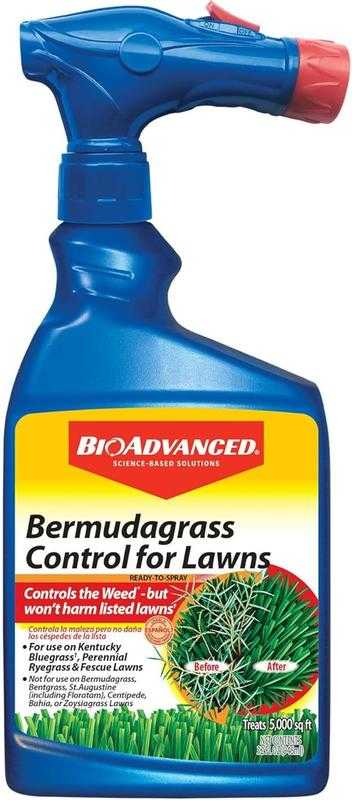
Looking to banish stubborn Bermuda grass quickly and effectively? The best Bermuda grass killer spray can be your secret weapon for a weed-free lawn. With the right product, you can target Bermuda grass directly, saving time and effort.
A Bermuda grass killer spray offers an efficient solution to control or eliminate unwanted Bermuda grass growth. These sprays are specially formulated to target Bermuda grass without harming surrounding plants when used correctly. They work quickly, providing visible results within days, making lawn maintenance easier and more manageable.
Bermuda grass killer spray is an essential tool for homeowners struggling to keep their lawns clean and healthy. It’s easy to use, cost-effective, and can dramatically improve the appearance of your yard by removing invasive Bermuda grass. Keep reading to discover which products work best and how to apply them for optimal results.

Bermuda Grass Killer Spray: The Complete Guide to Effective Lawn Control
Understanding Bermuda Grass and Why You Might Need a Killer Spray
Bermuda grass is a popular turfgrass known for its durability and lush green appearance. However, it can become invasive in areas where it is not wanted, such as flower beds, vegetable gardens, or other types of lawns. If Bermuda grass takes over, it can choke out other plants and ruin the desired landscape.
Using a Bermuda grass killer spray can help you control these stubborn patches. It’s important to identify the grass accurately to choose the right product. Bermuda grass spreads quickly through its rhizomes and stolons, making manual removal difficult and time-consuming.
Types of Bermuda Grass Killer Sprays Available
There are mainly two types of herbicides used to control Bermuda grass: selective and non-selective.
Non-Selective Herbicides
Non-selective herbicides kill everything they touch. They are useful for clearing large patches of Bermuda grass and preparing the area for new planting. Glyphosate-based products are common examples.
Selective Herbicides
Selective herbicides target Bermuda grass without harming other grasses or plants. These are ideal for spot treatments on lawns with mixed vegetation, as they minimize damage to desirable plants.
How to Choose the Right Bermuda Grass Killer Spray
Selecting the best product depends on several factors.
- Type of surrounding plants: Use selective herbicides if other plants are nearby.
- Extent of invasion: Large patches might require non-selective sprays for faster results.
- Application location: Garden beds versus lawns may need different formulations.
Always read labels carefully to ensure compatibility with your specific situation.
Applying Bermuda Grass Killer Spray Properly
Accurate application is key to effective control and safety.
Preparation
Before spraying, clear the area of debris and weeds to prevent interference. Wear protective gear such as gloves and goggles to avoid skin and eye contact.
Mixing and Spraying
Follow manufacturer instructions for mixing concentrations. Use a sprayer suitable for your area size, and apply during calm, dry weather to prevent drift and ensure better absorption.
Timing and Frequency
Apply herbicides during active growth periods, typically in late spring or summer. Multiple treatments might be necessary for complete eradication, with intervals of 2 to 3 weeks.
Safety Tips for Using Bermuda Grass Killer Sprays
Herbicides can be hazardous if not handled properly.
- Always read and follow label instructions carefully.
- Apply when no rain is forecasted for at least 24 hours.
- Avoid spraying near water sources to prevent contamination.
- Keep children and pets away from treated areas until dry.
- Store herbicides out of reach in a cool, dry place.
Effectiveness of Bermuda Grass Killer Sprays
The success of herbicide application depends on several factors.
Growth Stage of Bermuda Grass
Sprays are most effective when Bermuda grass is actively growing. Dormant or stressed grass is harder to kill.
Application Accuracy
Even coverage ensures better contact and absorption. Incomplete or uneven spraying can result in patchy control.
Environmental Conditions
High temperatures, wind, or rain can reduce herbicide effectiveness. Optimal conditions improve results and reduce the need for repeat treatments.
Alternatives and Integrated Weed Control Methods
While herbicides are powerful tools, combining methods can yield better results.
Manual Removal
Digging out Bermuda grass with a spade can remove large patches, especially when combined with spot spraying for residual roots.
Soil Solarization
Covering the area with plastic during hot months can kill Bermuda grass by heating the soil.
Maintaining a Healthy Lawn
Overseeding with desirable grasses and proper lawn care can prevent Bermuda grass from establishing again. Fertilize, water, and mow appropriately to keep other plants vigorous.
Precautions and Environmental Considerations
Using herbicides responsibly minimizes environmental impact.
Minimize Runoff
Apply herbicides when the wind is calm to prevent drift into water bodies or neighboring plants.
Choose Environmentally Friendly Options
Look for products with lower toxicity and fewer chemicals that linger in the environment.
Follow Local Regulations
Check for any restrictions or guidelines related to herbicide use in your area to stay compliant.
Monitoring and Follow-Up Treatments
Complete eradication might require ongoing monitoring.
Inspect Treated Areas
Check for new growth every few weeks and reapply if necessary. Small patches can be spot treated to prevent spread.
Prevent Re-infestation
Establish a thick, healthy lawn to crowd out Bermuda grass. Regular maintenance is essential to keep your landscape weed-free.
Cost-Effective Solutions for Bermuda Grass Control
Choosing the right herbicide and application plan can save money and effort.
Buy in Bulk
Purchasing larger quantities may reduce the overall cost per treatment.
Use Targeted Treatments
Focusing on problem areas avoids unnecessary herbicide use and saves resources.
Combine Methods
Using manual removal along with chemical control reduces the number of chemical treatments needed.
Controlling Bermuda grass effectively requires understanding your specific situation, selecting the appropriate herbicide, and applying it properly. Combining chemical treatments with mechanical and cultural methods provides the best chance for complete eradication. Regular maintenance and monitoring help keep Bermuda grass from returning and ensure your landscape stays healthy, vibrant, and weed-free.
Getting Rid of Weeds in your Bermuda Grass for Beginners
Frequently Asked Questions
What should I consider before applying a Bermuda grass killer spray?
Before using a Bermuda grass killer spray, assess the extent of the grass invasion and identify nearby plants that may be sensitive to herbicides. Choose a product specifically formulated for Bermuda grass and follow the manufacturer’s instructions carefully. Consider weather conditions; avoid applying on windy days or when rain is forecasted to prevent runoff and ensure effective application.
How long does it typically take to see results after spraying Bermuda grass killer?
Results usually become visible within one to two weeks after application. The Bermuda grass should begin to yellow, with dead patches appearing as the herbicide takes effect. For complete eradication, you might need to repeat treatments after several weeks, depending on the severity of the infestation and the product used.
Are there any safety precautions I should take when using Bermuda grass killer spray?
Yes, always wear protective gear such as gloves, goggles, and long sleeves to prevent skin and eye contact. Keep pets and children away from the treated area until it is completely dry. Store the herbicide in its original container, away from food and water sources, and wash your hands thoroughly after use. Follow all safety instructions provided on the product label to avoid accidents.
Can Bermuda grass killer spray harm other desirable plants in my yard?
Yes, if not applied carefully, herbicides can affect surrounding plants, especially if they are sensitive or non-selective types. To minimize risk, apply the spray directly onto the Bermuda grass, avoiding drift onto other plants. Using targeted application techniques or spot treatments helps protect your desired vegetation.
What should I do if Bermuda grass regrows after treatment?
If Bermuda grass reappears, conduct a second application after waiting the recommended interval specified by the product. Combine herbicide use with manual removal of dead or regrowing patches. Maintain regular lawn care to prevent Bermuda grass from spreading again, and consider adjusting your management strategies if re-infestation persists.
Final Thoughts
A bermuda grass killer spray provides an effective solution for controlling unwanted grass. It is easy to apply and offers quick results, making yard maintenance less time-consuming. Regular use helps keep your lawn neat and free of invasive bermuda grass. For best results, follow the product instructions carefully to avoid damage to desirable plants.