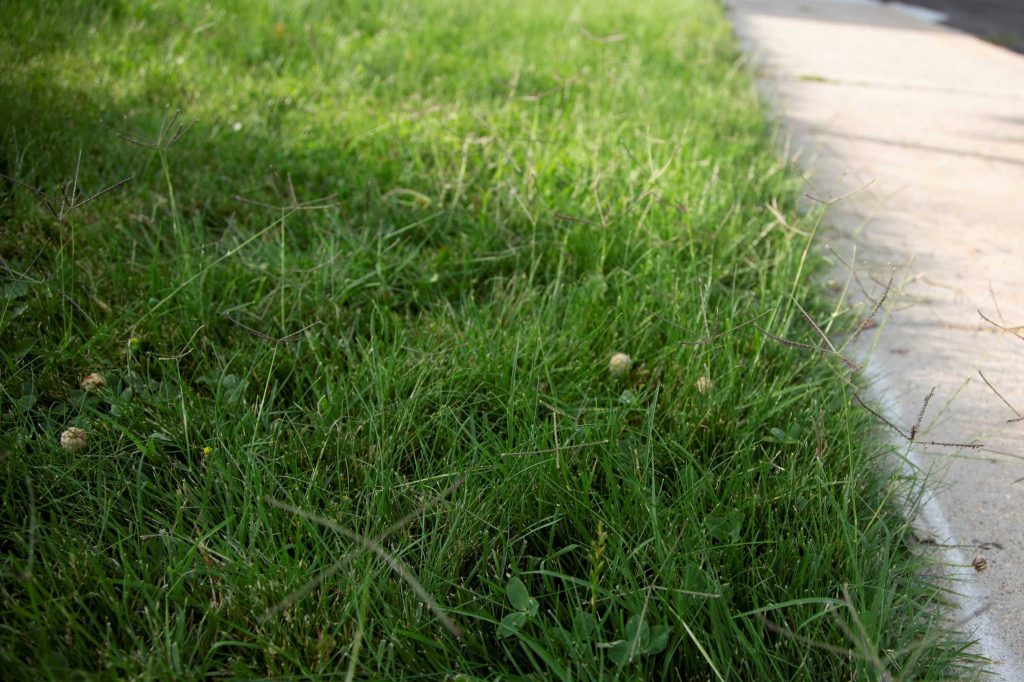
For optimal growth of Bermuda grass in Utah, ensure proper soil preparation, adequate watering, and enough sunlight. Regular maintenance, including mowing and fertilization, will keep your lawn lush and healthy despite Utah’s challenging climate.
Bermuda grass can thrive in Utah if you select the right variety and follow proper care techniques. With the right approach, you can enjoy a vibrant, durable lawn even in this state’s diverse climate conditions.
Thinking about planting Bermuda grass in Utah? It’s definitely possible, but success depends on understanding Utah’s particular weather patterns and soil conditions. Bermuda grass is known for its resilience and heat tolerance, making it a good choice for the region’s hot summers. However, to ensure your lawn flourishes, you need to focus on proper soil prep, regular irrigation, and timing your planting during the warmer months. Whether you’re aiming for a lush backyard or a sports field, knowing how to adapt Bermuda grass care to Utah’s unique environment can transform your outdoor space into a green oasis all summer long.

Bermuda Grass in Utah: Your Complete Guide to Growing and Maintaining This Popular Turf
Understanding Bermuda Grass and Its Suitability for Utah Climates
Bermuda grass is a warm-season grass known for its dense, lush green appearance. It thrives in hot, sunny environments and is highly drought-tolerant, making it a popular choice in many southern states. In Utah, where summers can be hot and dry, Bermuda grass can be a practical turf option when properly managed.
Utah’s climate features hot summers and cold winters. While Bermuda grass performs well during the summer months, it enters dormancy when temperatures drop below 60°F. This means it may turn brown and go dormant in winter, requiring overseeding with cool-season grasses if year-round green is desired. Knowing this, homeowners can plan their lawn care accordingly to ensure year-round beauty.
Why Choose Bermuda Grass in Utah?
Many Utah residents pick Bermuda grass because of its resilience and low maintenance needs. It requires less water than cool-season grasses once established, saving both time and resources. Bermuda grass also recovers quickly from damage, making it ideal for high-traffic areas like sports fields and backyards.
Another advantage is Bermuda grass’s ability to handle poor soil conditions better than other grass types. It grows well in sandy or infertile soils when properly prepared. This adaptability makes it a top choice for those looking for a durable, easy-care lawn alternative in Utah’s varied environments.
Preparing Your Soil for Bermuda Grass
Good soil preparation is key to establishing a healthy Bermuda grass lawn. Start by testing your soil to determine its pH level and nutrient content. Bermuda thrives in soil with a pH between 6.0 and 7.0, which is slightly acidic to neutral.
amend your soil based on test results to improve growing conditions. This might include adding lime to raise pH or organic matter to enrich the soil. Proper drainage is also essential because Bermuda does not tolerate waterlogged soil. Loosen compacted soil by tilling or aerating to promote root growth and ensure even water absorption.
Planting Bermuda Grass in Utah
You can plant Bermuda grass through seed, sod, or plugs. Seeding is the most cost-effective method but takes longer to establish. For quicker results, sod or plugs are best, especially if you want an instant lawn.
The best time to plant Bermuda grass in Utah is late spring to early summer when soil temperatures reach at least 65°F. Prepare the soil by leveling and removing weeds. For seed planting, spread seeds evenly and lightly rake them into the soil. Keep the soil moist but not waterlogged until the grass germinates.
Seeding Bermuda Grass
- Use high-quality Bermuda grass seed for best results.
- Spread seed at a rate of about 1 to 1.5 pounds per 1000 square feet.
- Water lightly and frequently to keep the top 1 inch of soil moist.
- Avoid heavy traffic until the grass is well established.
Sodding and Plugging Bermuda Grass
Sod provides an immediate lawn, while plugs are smaller patches that fill in over time. Lay sod or plugs on prepared soil, pressing firmly to ensure good contact. Water daily during the first two weeks to help roots establish.
Maintaining Bermuda Grass in Utah’s Climate
Regular maintenance keeps Bermuda grass lush and healthy throughout the growing season. Proper watering is critical, especially during Utah’s hot, dry summers. Water deeply and infrequently, aiming for about one inch of water per week.
Fertilization should be done regularly, typically every six to eight weeks, to provide essential nutrients. Use a nitrogen-rich fertilizer to promote vigorous growth. During the active growth months, apply fertilizer as recommended on the package, avoiding overfeeding which can lead to disease.
Proper Mowing Techniques
Mow Bermuda grass to a height of about 1 to 2 inches. Keep mower blades sharp to prevent tearing and promote a clean cut. Regular mowing encourages dense growth and inhibits weeds.
Adjust mowing height according to the season; higher during the hot months to reduce stress, and lower in spring and fall for cleaner aesthetics. Never cut more than one-third of the grass height at a time to avoid stressing the plant.
Watering Tips and Techniques
Deep watering encourages strong root growth. Water early in the morning to reduce evaporation and fungal issues. Use a sprinkler system that provides even coverage across your lawn.
Monitor weather conditions; during droughts, supplement natural rainfall with extra watering. Avoid overwatering, which can lead to disease problems like fungal infections.
Controlling Weeds and Pests in Bermuda Grass
weeds can compete with Bermuda grass for nutrients and water. Apply pre-emergent herbicides in early spring to prevent weed seeds from germinating. Hand-pulling weeds is effective for small infestations.
Common pests include armyworms and grubs. Use appropriate insecticides when infestations are detected, following manufacturer instructions. Regular lawn inspections help catch problems early, maintaining a healthy, weed-free turf.
Dealing with Winter Dormancy in Utah
Bermuda grass goes dormant in Utah’s cold winters, turning brown and halting growth. To prepare, reduce watering as growth slows. Overseeding with cool-season grasses like ryegrass can keep your lawn green year-round.
Alternatively, winterize your Bermuda lawn by applying a winter fertilizer rich in potassium, which enhances cold tolerance. Avoid mowing or fertilizing late in the season to prevent damage during dormancy.
Common Challenges and Solutions for Bermuda Grass in Utah
Utah’s variable weather presents unique challenges. One common issue is winter kill, which can be mitigated with proper overseeding and winterizing. Dry spells demand deep watering and drought-resistant practices.
Soil compaction may restrict growth; aerate your lawn annually to improve air and water movement. Regular monitoring and quick action prevent small issues from turning into major problems.
Summary of Tips for Growing Bermuda Grass in Utah
- Plant in late spring to early summer when soil warms up.
- Prepare soil by testing and amending as needed for pH and nutrients.
- Use quality seed, sod, or plugs and follow planting instructions.
- Establish a consistent watering schedule focusing on deep, infrequent watering.
- Fertilize regularly with nitrogen-rich fertilizers for vibrant growth.
- Maintain proper mowing height and sharp blades for a healthy lawn.
- Control weeds early and manage pests promptly to prevent damage.
- Prepare for dormancy with overseeding or winter fertilizers.
Growing Bermuda grass in Utah can be highly successful if you stay attentive to climate-specific needs and follow best practices. Proper soil prep, timely planting, and ongoing maintenance help create a resilient, beautiful lawn that stands up to Utah’s varied weather conditions.
Bermuda hybrid grass is now being installed in Utah after near state wide ban was lifted
Frequently Asked Questions
What are the best practices for maintaining Bermuda grass in Utah’s climate?
To maintain Bermuda grass effectively in Utah, ensure you mow it regularly at the right height, typically around 1 to 2 inches. Water deeply but infrequently to promote deep root growth, especially during hot summer months. Fertilize according to the grass’s needs, usually every 6 to 8 weeks during the growing season. Additionally, aerate the soil annually to reduce compaction and improve nutrient absorption. Keep an eye out for pests and weeds, and address any issues promptly to keep the Bermuda grass healthy and lush throughout the year.
Can Bermuda grass handle Utah’s winter temperatures?
Bermuda grass is warm-season turf, which means it struggles to survive harsh Utah winters. It goes dormant when temperatures drop significantly, turning brown and going dormant until warmer weather returns. To protect your lawn, consider overseeding with winter-hardy grasses or switching to cool-season varieties like Kentucky bluegrass or fine fescue that can withstand colder temperatures. Proper lawn management, such as aeration and fertilization, can also help Bermuda grass recover quickly in the spring.
Is it suitable to plant Bermuda grass in Utah’s residential lawns?
Yes, Bermuda grass can thrive in Utah’s residential lawns if you select the right variety and follow proper planting procedures. Bermudagrass requires full sun and well-draining soil to grow successfully. It is drought-tolerant, making it a good choice for areas with water restrictions or dry conditions. However, you should be prepared for its dormancy period during winter and plan your lawn care routine accordingly. Regular maintenance, including mowing and fertilization, helps Bermuda grass stay healthy and vibrant during the growing season.
Final Thoughts
Bermuda grass in Utah thrives due to its adaptability and drought tolerance. It provides a lush, green lawn even in dry conditions, making it ideal for the region’s climate. Proper care and maintenance ensure healthy growth and a vibrant appearance.
In summary, Bermuda grass in Utah offers a practical and attractive landscaping solution for homeowners. With the right strategies, you can enjoy a durable, beautiful lawn year-round.