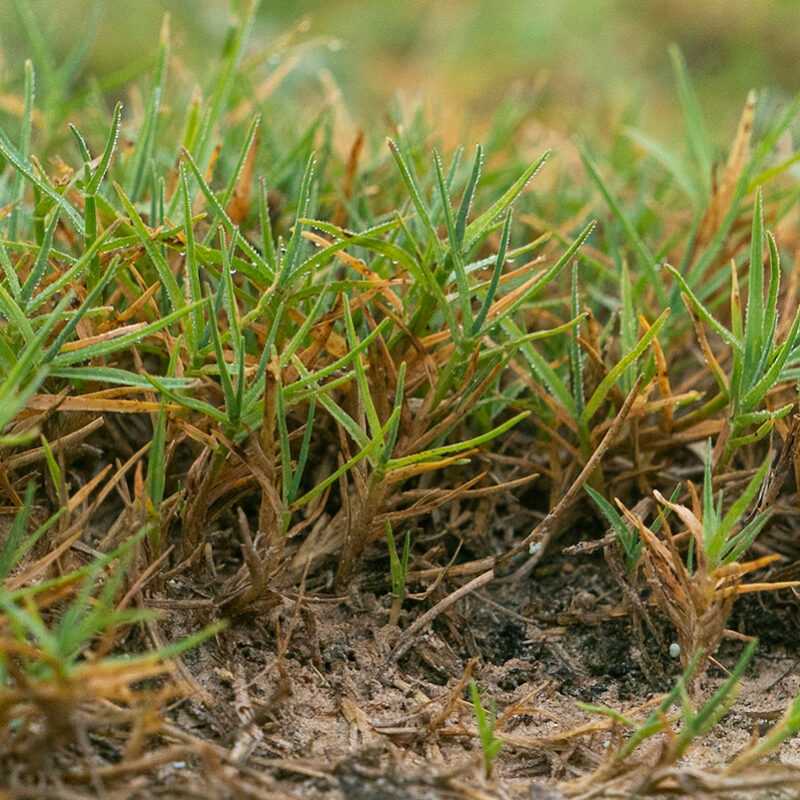
Looking to keep your livestock healthy and thriving? Bermuda grass feed could be the perfect solution! Its high nutritional value and easy growth make it a popular choice among farmers and animal owners alike. Providing a natural, cost-effective feed option, Bermuda grass supports optimal animal growth and productivity.
In short, Bermuda grass feed is a highly nutritious, readily available, and sustainable option for feeding livestock. It is rich in proteins and essential nutrients that promote healthy development. Regularly managed, it can be an excellent pasture or hay source, ensuring your animals get the best natural diet possible.
Bermuda grass, also known as Cynodon dactylon, is a warm-season perennial grass widely used as pasture for grazing animals like cattle, goats, and horses. It thrives in warm, sunny environments and is appreciated not only for its drought tolerance but also for its rapid establishment and resilience. This grass offers a dense, nutritious cover that provides animals with essential nutrients while helping keep the pasture lush and green. For farmers looking for a reliable, cost-effective way to feed their animals, Bermuda grass feed is an excellent choice, whether through grazing or harvested hay. Proper management and timing of harvest can maximize its nutritional benefits, making it a valuable resource in sustainable livestock farming.

Bermuda Grass Feed: The Complete Guide to Nourishing Your Livestock and Maintaining a Healthy Lawn
Understanding Bermuda Grass and Its Importance as Feed
Bermuda grass is a warm-season perennial grass known for its durability and high productivity. It thrives in hot climates and is a popular choice for pastures and lawns alike. Its dense growth makes it an excellent source of feed for cattle, goats, and other grazing animals.
This grass is rich in nutrients, providing animals with the energy and protein they need for growth and milk production. Farmers appreciate Bermuda grass because it can be managed easily and remains lush during the warmer months. Properly managed Bermuda pastures can support livestock efficiently and sustainably.
Properties of Bermuda Grass for Livestock Nutrition
Bermuda grass offers a balanced mix of carbohydrates, fiber, and protein. Its composition makes it suitable for varying stages of animal growth. The grass’s high digestibility enhances feed intake and nutrient absorption.
The typical nutritional profile of Bermuda grass includes:
- Crude protein: 8 to 12% during active growth
- Crude fiber: 30 to 40%
- Energy content: Moderate to high depending on maturity
Young Bermuda grass provides higher nutritional value, making it preferable for young animals or lactating livestock. As the grass matures, its fiber increases, and nutrients decrease, emphasizing the importance of timely harvesting or grazing.
Best Practices for Feeding Livestock with Bermuda Grass
Feeding livestock with Bermuda grass requires understanding its growth cycle and nutritional needs of animals. Grazing should be managed to prevent overgrazing and ensure sustained grass production.
Some best practices include:
- Allowing young, actively growing Bermuda to be the primary grazing material
- Rotating grazing areas to prevent overuse
- Supplementing with minerals and vitamins, especially during drought or low-growth periods
- Ensuring animals have constant access to fresh water
Regularly testing pasture quality helps determine the right amount and timing of grazing and supplementation. Proper fencing and pasture management are crucial for maintaining healthy Bermuda grass for feed.
Harvesting and Supporting Bermuda Grass for Use as Feed
In addition to grazing, Bermuda grass can be harvested for hay or silage. Proper harvesting techniques preserve nutrients and enhance feed quality.
Timing of Harvest
For optimal nutritional content, Bermuda grass should be harvested when it is in the active growth stage, usually about 3 to 4 inches tall. Harvesting too late results in increased fiber and decreased digestibility.
Cutting and Drying
Cut the grass early in the morning after dew has dried. Use mowing equipment to cut uniformly. Ensure a quick dry-down to reduce mold risk and nutrient loss, ideally within 48 hours.
Balancing Bermuda Grass in Animal Diets
While Bermuda grass is a good feed source, it may lack certain nutrients necessary for complete animal nutrition. Combine it with other forages, grains, or supplements to create a balanced diet.
—
Advantages of Using Bermuda Grass as Feed
Choosing Bermuda grass as feed offers multiple benefits:
- High yield potential, especially in favorable climates
- Cost-effective compared to commercial feeds
- Easy to establish and maintain
- Persistent through drought conditions with proper management
- Supports sustainable grazing strategies
Its resilience makes Bermuda grass a reliable source of feed throughout the warm months, ensuring animals stay well-nourished.
Managing Challenges with Bermuda Grass Feed
Despite its many advantages, Bermuda grass also presents some challenges. Maturity affects nutritional value, making timely management critical.
Common issues include:
- Overgrazing leading to poor pasture health
- Invasive growth in some areas, requiring control measures
- Reduced nutritional quality during dormancy or drought
- Potential for toxicity if animals graze on contaminated or deteriorated pasture
Implementing rotational grazing, soil testing, and proper fertilization can greatly improve Bermuda grass quality and longevity as feed.
Fertilization and Soil Management for Optimal Bermuda Grass Growth
Healthy Bermuda grass requires appropriate nutrients and soil conditions. Fertilization boosts growth and improves nutritional content.
Key soil requirements:
- Soil pH between 5.8 and 6.5
- Adequate nitrogen levels for lush growth
- Good drainage to prevent root diseases
Fertilize during active growth with nitrogen-based fertilizers, applying according to soil test recommendations. Over-fertilizing can lead to excessive growth but low nutrient quality, so balance is essential.
Seasonal Management and Transition Strategies
Bermuda grass grows best in summer months, but managing its seasonal cycle is crucial for continuous feed supply.
Strategies include:
- Grazing early in the season for maximum nutritional value
- Allowing the grass to rest and regrow during cooler seasons
- Overseeding with cool-season grasses for year-round forage in some regions
- Preparing pastures for dormancy by reducing grazing pressure and applying soil amendments
Smart planning ensures that Bermuda grass remains a reliable feed resource throughout its growing season.
Related Topics: Enhancing Bermuda Grass Feed Quality
To maximize the benefits of Bermuda grass feed, consider integrated management practices such as:
- Using cover crops to improve soil fertility
- Applying organic fertilizers to promote healthy growth
- Implementing soil aeration to reduce compaction
- Adding legumes like clover to improve nitrogen fixation
These practices support lush, nutritious Bermuda grass pastures, ultimately benefiting both livestock and land sustainability.
Bermuda grass serves as an excellent feed resource for many types of livestock, combining high yield potential with ease of management. Proper timing for grazing, harvesting, and fertilization can significantly enhance nutritional quality. Using Bermuda grass in a balanced diet and practicing sustainable pasture management makes it a dependable ingredient in livestock nutrition plans, supporting animal health and farm productivity. Regular attention to soil health, pasture rotation, and supplementing when necessary ensures that Bermuda grass remains a vital part of your feeding strategy.
Bermuda Lawn Care – 5 Basics – For A Nice Green Lawn – Beginners Start Here!
Frequently Asked Questions
What are the best fertilizer types for Bermuda grass feed?
For optimal growth, use a balanced fertilizer with a higher nitrogen content, such as a 3-1-2 ratio. Apply slow-release nitrogen sources to promote steady growth and maintain a vibrant green color. Incorporate fertilizers specifically formulated for warm-season grasses and follow recommended application guidelines to prevent overfeeding.
How frequently should I feed Bermuda grass during the growing season?
Feed Bermuda grass every 6 to 8 weeks during its active growing period in spring and summer. Adjust the frequency based on local climate conditions and the grass’s overall health. Avoid over-fertilizing, which can lead to excessive growth and increased disease susceptibility.
Are organic feeds effective for Bermuda grass maintenance?
Yes, organic feeds like composted manure or organic granular fertilizers provide essential nutrients and improve soil health. They release nutrients slowly, supporting sustained growth. Regular organic feeding can enhance drought resistance and reduce the need for chemical inputs.
What signs indicate that Bermuda grass needs additional feeding?
Look for yellowing or dull green coloration, slow growth, or thinning patches. These signs suggest nutrient deficiencies, especially nitrogen. Ensure the grass receives enough nutrients to recover its vibrant appearance and dense growth.
Can overfeeding damage Bermuda grass, and how can I avoid it?
Overfeeding can cause thatch buildup, excessive thatch, or encourage disease development. To prevent this, follow recommended application rates, water the grass thoroughly after fertilizing, and avoid fertilizing during periods of drought or stress. Regular soil testing can also guide appropriate feeding levels.
Final Thoughts
Bermuda grass feed provides a nutritious option for livestock, promoting healthy growth and productivity. Its adaptability to various climates makes it a reliable choice for farmers seeking consistent feed quality. Incorporating Bermuda grass feed into your livestock diet supports overall well-being and efficient farm management. Ensuring proper grazing and maintenance enhances its benefits. In summary, Bermuda grass feed stands out as a valuable resource for sustainable livestock nutrition and farm success.