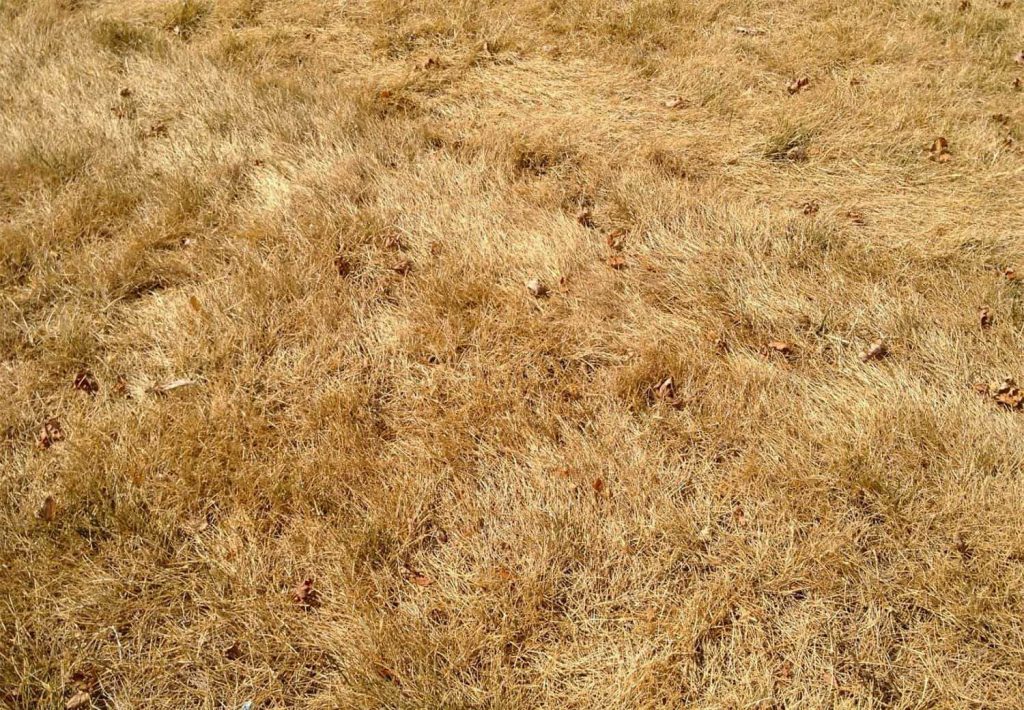
Yes, Bermuda grass often turns brown during winter. This change is a natural part of its lifecycle as it goes dormant in cooler temperatures. While the grass may appear dead, it’s actually just resting, and it will turn green again when the weather warms up.
Bermuda grass does turn brown in winter as part of its natural dormancy process. This seasonal change is common in warmer climates, and the grass often looks dead but will rebound with the arrival of spring and warmer weather. Understanding this dormancy can help you maintain your lawn and prepare for its revival.
Bermuda grass is known for its durability and lush appearance during warmer months, but many homeowners wonder what happens to it as temperatures drop. When winter arrives, especially in regions with cooler climates, this grass typically turns brown and appears dormant. This isn’t a sign of poor health but a natural response to cold weather, which causes the grass to conserve energy until conditions improve. With proper care and patience, Bermuda grass will come back to life in the spring, restoring your lawn’s vibrant green. Knowing this seasonal cycle helps you better manage expectations and maintain your lawn’s health year-round.

Does Bermuda Grass Turn Brown in Winter? An In-Depth Exploration
Understanding Bermuda Grass and Its Behavior During Winter
Bermuda grass is a popular warm-season grass known for its lush, vibrant appearance in summer. As temperatures drop, many homeowners notice changes in its color and texture. During winter, Bermuda grass often appears brown or dormant, but this isn’t necessarily a sign of trouble. Instead, it is a natural part of its growth cycle.
Bermuda grass thrives in warm climates, typically flourishing when temperatures stay between 75°F and 95°F. When winter arrives and temperatures fall below 60°F, Bermuda grass begins to slow its growth significantly. This slowing response means the grass reduces its photosynthesis activity, leading to a brownish or dull appearance.
This dormancy helps the grass conserve energy during colder months, since its growth cycle is closely tied to temperature and daylight hours. Therefore, the brown appearance in winter isn’t a sign of disease or damage, but rather a normal part of its seasonal cycle.
Why Does Bermuda Grass Turn Brown in Winter?
The primary reason Bermuda grass turns brown in winter is its adaptation to warm climates. When temperatures drop, the grass’s metabolism slows down. This dormancy process is nature’s way of protecting it from cold stress.
The plant reduces its cell activity and stops producing chlorophyll, the pigment responsible for green color. Without chlorophyll, the grass loses its vibrant green look and takes on a brown or tan hue.
Additionally, shorter daylight hours in winter limit photosynthesis, making it harder for Bermuda grass to produce the energy it needs to stay green. This dormancy period varies depending on local climate and specific grass varieties.
Some regions with milder winters might see Bermuda grass maintain some green color throughout the season. However, in colder zones, browning is almost always inevitable during winter months.
Factors That Influence How Bermuda Grass Responds to Cold
Several factors determine how brown Bermuda grass gets during winter and how quickly it recovers in spring.
Climate and Regional Temperature
In regions where winter temperatures rarely fall below freezing, Bermuda grass may stay partly green or only turn a dull greenish-brown. Conversely, colder climates with frequent frosts cause the grass to turn brown more quickly.
Type of Bermuda Grass
Different Bermuda grass varieties have varying cold tolerances. For example, TifTuf Bermuda is known for its better cold resistance, often staying greener longer during winter. Other varieties may turn completely brown or dormancy earlier in the season.
Grass Maintenance and Care
Proper care can influence how well Bermuda grass handles winter stress. Without adequate watering, fertilization, and mowing, the grass’s health can decline, making browning worse. Keeping the grass healthy before winter helps it bounce back faster when temperatures rise again.
How to Recognize Dormant Brown Bermuda Grass vs. Disease Damage
It can sometimes be tricky to differentiate between natural dormancy and problems like disease or pests.
- Color: Dormant Bermuda turns a dull brown or tan, but the grass underneath is often healthy.
- Texture: Brown dormant grass feels dry and straw-like, not soft or spongy.
- Pattern: Dormant grass usually shows uniform browning across the lawn, while disease may cause irregular patches.
- Presence of Pests or Fungus: Check for signs like fungal growth, unusual spots, or pest activity, which indicate health issues rather than dormancy.
In most cases, if the brown patches persist long after the warming temperatures return, it could be a sign that the grass has suffered damage and might need specific treatment.
Can You Prevent Bermuda Grass From Browning in Winter?
While dormancy is natural, some homeowners aim to keep their Bermuda grass greener through winter.
Use of Cold Tolerance Varieties
Selecting cultivars like TifTuf or Latitude 36 can extend the green period in milder winter climates. These varieties are bred for better cold resilience.
Proper Lawn Care Practices
Maintaining healthy turf before cold weather arrives helps minimize stress. This includes proper fertilization, mowing at the recommended height, and adequate watering.
Timing of Fertilization
Applying a slow-release fertilizer before winter can provide the nutrients Bermuda grass needs to stay resilient during dormancy. Avoid heavy fertilization late in the season, as this can encourage unwanted growth when it should be dormant.
Protection Techniques in Colder Areas
In regions with harsh winters, using covers or applying a light layer of mulch can insulate the grass and reduce cold stress.
Spring Recovery and Grassy Revival
As temperatures climb in spring, Bermuda grass begins to “green up” and recover from dormancy. It’s common for weeks to pass before the grass regains its full lush appearance.
Once warmer weather arrives, photosynthesis resumes at a faster rate, and chlorophyll production increases. Regular watering and fertilization help support this rapid growth phase.
Tips for Encouraging Quick Green-Up
- Gradually resume mowing when the grass starts actively growing.
- Apply a balanced fertilizer to promote healthy growth.
- Avoid heavy foot traffic on dormant turf, as it can cause damage.
By understanding the natural cycle of Bermuda grass, homeowners can better prepare for winter brownouts and enjoy vibrant lawns in the warmer months.
Additional Topics Related to Bermuda Grass in Winter
Apart from color changes, there are other considerations when managing Bermuda grass during colder months.
Overseeding for Year-Round Green
Some homeowners choose to overseed Bermuda with cool-season grasses like ryegrass to maintain greenery through winter. This practice provides an attractive, lush appearance even when Bermuda is dormant.
Adjusting Lawn Expectations
Knowing that browning is normal helps set realistic expectations. Being patient as the grass recovers ensures a more enjoyable lawn care experience.
Understanding Dormancy in Different Climates
In warmer regions, Bermuda may stay green longer or all year round. In colder zones, complete dormancy is typical, and brown patches are expected. Recognizing regional differences improves lawn health management strategies.
Impact of Winter Stress on Long-Term Lawn Health
Persistent cold stress without proper care can weaken Bermuda grass over time. Regular maintenance and selecting suitable varieties are crucial for long-term resilience.
This detailed understanding of Bermuda grass’s behavior during winter allows homeowners to make informed decisions. Recognizing that browning is mostly a natural part of its seasonal cycle helps maintain lawn health and beauty throughout the year.
Why your Bermuda Grass turns brown after you cut it // Browning Lawn after mowing
Frequently Asked Questions
Does bermuda grass naturally go dormant during the winter months?
Yes, bermuda grass typically enters dormancy in colder weather, especially when temperatures drop below 55°F (13°C). During this period, the grass slows its growth and turns brown as it conserves energy to survive the winter. This dormancy is a natural response to the reduced sunlight and lower temperatures, meaning the grass is not dead but temporarily inactive.
How can I tell if my bermuda grass is brown due to dormancy or damage?
To determine whether your bermuda grass is brown from dormancy or damage, observe its response to warming conditions. If you notice that the grass begins to green up and grow again as temperatures rise, it is likely dormant. Conversely, if the grass remains brown and does not show signs of new growth, it might have suffered from damage, disease, or inadequate watering. Checking the soil moisture and overall plant health can also help identify the cause.
Is it possible to keep bermuda grass green throughout the winter?
Maintaining green bermuda grass during winter is challenging in regions with cold climates. Providing supplemental heat or using special winter turf covers can help, but these measures have limited success outdoors. In most cases, bermuda grass naturally turns brown and remains dormant until warmer weather returns. To preserve its health, focus on proper winter lawn care practices, such as minimal foot traffic and avoiding heavy fertilization during dormancy.
What practices can help bermuda grass recover after browning in winter?
Post-winter recovery involves a combination of proper care and patience. As temperatures rise, gradually increase watering to promote healthy growth. Remove any dead or brown patches gently and consider overseeding if bare spots appear. Applying a balanced fertilizer designed for spring can boost recovery. Ensuring adequate sunlight and avoiding excessive foot traffic during early spring will help your bermuda grass regain its lush appearance.
Final Thoughts
Bermuda grass typically turns brown during winter due to dormancy caused by cooler temperatures. This natural process helps the grass conserve energy until warmer weather returns.
In regions with mild winters, Bermuda grass may stay green longer but still goes dormant when temperatures drop significantly. Proper lawn care can encourage quicker green-up in spring.
Does Bermuda grass turn brown in winter? Yes, it does, but this dormancy is healthy for the grass. Understanding this cycle helps maintain a vibrant lawn year-round.