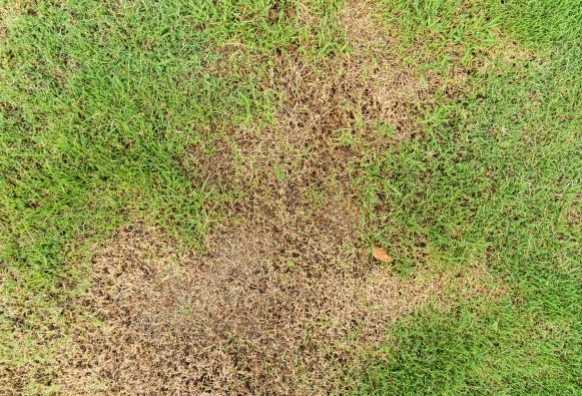
Looking for a quick fix to save your dying Bermuda grass? Don’t worry—identifying the root cause early and taking targeted action can revive your lawn. The key lies in diagnosing issues like drought stress, pests, or nutrient deficiencies and applying the appropriate solutions promptly.
Bermuda grass dying can be caused by several factors, including improper watering, poor soil health, pests, or diseases. Addressing these problems with proper watering schedules, aeration, fertilization, and pest control can restore your lawn’s health. Early intervention is essential to prevent permanent damage and keep your Bermuda grass lush and vibrant.
A thriving Bermuda grass lawn depends on proper maintenance and timely responses to problems. When your grass begins to die off, it’s crucial to assess watering habits, soil conditions, and potential pest or disease issues. In this article, we’ll explore common reasons why Bermuda grass dies and practical solutions to bring it back to life. Whether you’re battling drought, pests, or soil problems, understanding these causes will help you restore your lawn’s beauty and health.

Bermuda Grass Dying: Understanding the Causes and Solutions
What Is Bermuda Grass and Why Is It Popular?
Bermuda grass is a warm-season grass that thrives in hot climates. It is loved for its durability and ability to recover quickly from damage. This grass creates a dense, lush lawn that many homeowners and landscapers prefer.
Common Signs That Bermuda Grass Is Dying
You may notice brown patches appearing suddenly. The grass might feel spongy or thin out over time. These signs often indicate that the grass is struggling or dying.
Why Is My Bermuda Grass Dying?
Understanding the reasons behind Bermuda grass dying is key to fixing the problem. Several factors can cause this issue, including improper watering, pests, disease, and environmental stress.
Incorrect Watering Practices
Overwatering can lead to root rot, while underwatering causes dehydration. Both extremes harm Bermuda grass. The ideal practice is to water deeply but infrequently, usually once or twice a week.
Poor Soil Quality and Drainage
Soil that doesn’t drain well retains excess water, which can drown roots. Compacted or nutrient-deficient soil also affects grass health. Regular soil testing helps assess and improve soil conditions.
Pest Infestation
Insects like grubs and armyworms feed on Bermuda grass, causing patches of dead or dying turf. Detecting pests early and applying appropriate treatments can prevent further damage.
Fungal Diseases and Other Turf Diseases
Fungal infections such as dollar spot, brown patch, or root rot can weaken and kill Bermuda grass. Symptoms include discolored patches, fuzzy mold, or soft, rotting roots. Proper fungicide application is often necessary.
Environmental Stress: Heat, Cold, and Drought
Extreme weather conditions can stress Bermuda grass. High temperatures can cause dehydration, while cold temperatures may cause frost damage. Drought conditions weaken the grass and make it more susceptible to disease.
How to Diagnose the Cause of Bermuda Grass Dying
Accurate diagnosis involves checking soil moisture levels, examining the roots, and inspecting for pests. Consider taking a soil sample for testing. Observing the pattern of damage and environmental conditions helps pinpoint the cause.
Step-by-Step Diagnosis Process
- Inspect the color and texture of the affected areas.
- Check soil moisture with a probe or moisture meter.
- Look for signs of pests or fungal growth.
- Evaluate recent weather conditions and watering habits.
- Test soil pH and nutrient levels.
Effective Strategies to Revive Dying Bermuda Grass
Once you know the cause, the next step is applying the right fix. Here are some practical tips:
Adjust Watering Schedules
Maintain a consistent watering routine that encourages deep root growth. Avoid frequent shallow watering, which encourages shallow roots. Using a sprinkler or soaker hose helps distribute water evenly.
Improve Soil Quality
Aerate compacted soil to improve drainage and oxygen flow. Add organic matter or compost to boost nutrient content. Regular fertilization with a balanced fertilizer encourages healthy growth.
Pest and Disease Control
Use appropriate insecticides for pest problems. Apply fungicides as needed to control fungal infections. Always follow label instructions for safe and effective treatment.
Managing Environmental Stress
Provide shade during the hottest part of the day if possible. Ensure proper watering during droughts. Covering grass with frost cloth during cold snaps helps prevent frost damage.
Replacing Dying Bermuda Grass
Sometimes, damage is too severe for recovery. In such cases, replanting might be necessary.
Preparing the Lawn for Replanting
Remove dead grass and debris completely. Loosen the soil and improve drainage. Consider overseeding with Bermuda grass seed or laying sod for instant coverage.
Best Practices for Reseeding or Sodding
Use high-quality seed or sod suited for your climate. Keep the area moist during germination or rooting. Regular irrigation supports healthy establishment.
Preventative Measures to Keep Bermuda Grass Healthy
Prevention is the best way to keep Bermuda grass alive and vibrant.
Proper Lawn Maintenance
Mow at the recommended height to avoid stressing the grass. Avoid over-fertilization, which can burn roots. Regular aeration and dethatching promote strong turf.
Monitoring and Early Intervention
Regularly check for pests, disease signs, or uneven growth. Address problems early to prevent widespread damage.
Choosing the Right Grass for Your Climate
Select Bermuda grass varieties suitable for your specific climate zone. This enhances resilience against weather stressors.
Related Topics to Explore
- Best fertilizers for Bermuda grass
- How to prevent pests in your lawn
- Top watering tips for healthy grass
- Understanding grass disease management
- Guide to lawn aeration and dethatching
Maintaining a healthy Bermuda grass lawn requires understanding its needs and the factors that threaten its vitality. By carefully diagnosing issues and implementing proper care routines, you can revive dying areas and keep your lawn lush and green. Regular maintenance and attention to environmental conditions make it easier to prevent future problems and enjoy a beautiful outdoor space.
Bermuda dead patches
Frequently Asked Questions
Why are patches of Bermuda grass turning brown even during the growing season?
Patches of Bermuda grass may turn brown if the soil lacks sufficient nutrients or if there is inconsistent watering. High temperatures combined with extended drought can also cause stress, leading to browning. Additionally, pests or fungal diseases might damage the grass, resulting in discoloration. To address this, ensure your lawn receives proper fertilization, adequate watering, and regular pest control to promote healthy growth.
What steps can I take to revive dying Bermuda grass?
To revive your Bermuda grass, start by assessing the soil quality and adjusting your fertilization schedule to supply necessary nutrients. Aerate compacted soil to improve air circulation and water penetration. Maintain a consistent watering routine, especially during dry periods, but avoid overwatering. Reseeding thin or bare patches can also help restore the lawn’s density. Monitoring for pests and diseases and treating them early will support the grass’s recovery process.
Could improper mowing practices cause Bermuda grass to die?
Yes, mowing practices can significantly impact Bermuda grass health. Cutting the grass too short, especially frequently or during hot weather, stresses the plants and makes them more prone to drought and disease. Use a sharp mower blade and maintain a mowing height of around 1 to 2 inches to promote strong root systems and overall resilience. Proper mowing encourages dense growth and reduces weed invasion, helping prevent die-off.
How does soil pH affect the health of Bermuda grass?
Soil pH plays a vital role in Bermuda grass’s ability to absorb nutrients. If the pH is too low (acidic) or too high (alkaline), it can hinder nutrient uptake and weaken the grass. Test your soil regularly, and amend it with lime or sulfur as needed to maintain an optimal pH between 5.5 and 6.8. Proper pH levels ensure that nutrients like nitrogen, phosphorus, and potassium are available for healthy growth.
Can overwatering or underwatering lead to Bermuda grass decline?
Both overwatering and underwatering can stress Bermuda grass and cause it to decline. Overwatering creates an environment favorable for root rot and fungal infections, while underwatering deprives the grass of essential moisture, leading to dehydration and dieback. To prevent these issues, establish a watering schedule that keeps the soil consistently moist but not waterlogged, adjusting based on weather conditions and soil type.
Final Thoughts
Bermuda grass dying can be caused by various factors such as drought, poor soil conditions, or pests. Proper watering and fertilizing can help revive sections of the lawn. Identifying the root cause quickly allows for targeted solutions.
Regular maintenance and monitoring are essential to prevent further damage and promote healthy growth. Addressing issues promptly keeps your yard vibrant and lush.
In conclusion, understanding why Bermuda grass is dying helps you take effective action. Taking steps early can save your lawn and restore its beauty.