Image source: Bing (Web (fair-use with source credit))
are june bugs grubs
Are june bugs grubs? It's one of the most common lawn questions this time of year, and the answer is simpler than you might think, especially once you know what each life stage looks like.
Yes, a june bug grub is the larval stage of the adult june bug beetle. Right now in 2025, many homeowners are pulling up dead patches of turf and finding these unmistakable C-shaped larvae curled in the soil underneath. They'll start to notice the adult beetles emerging around late May and into June, which is where the whole confusion usually starts.
Those adult beetles buzzing porch lights and littering sidewalks every summer? They all started out as plump white grubs buried an inch or two underground. By understanding what each stage looks like, you'll stop guessing and start making smarter decisions for your lawn and garden.
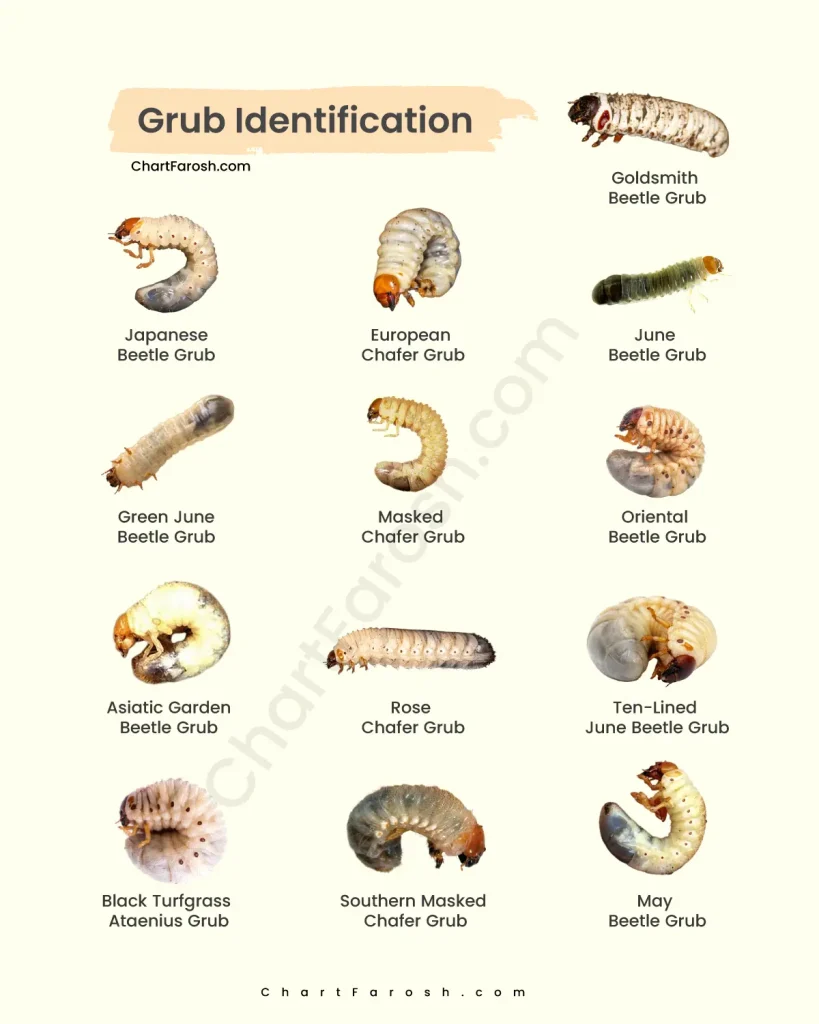
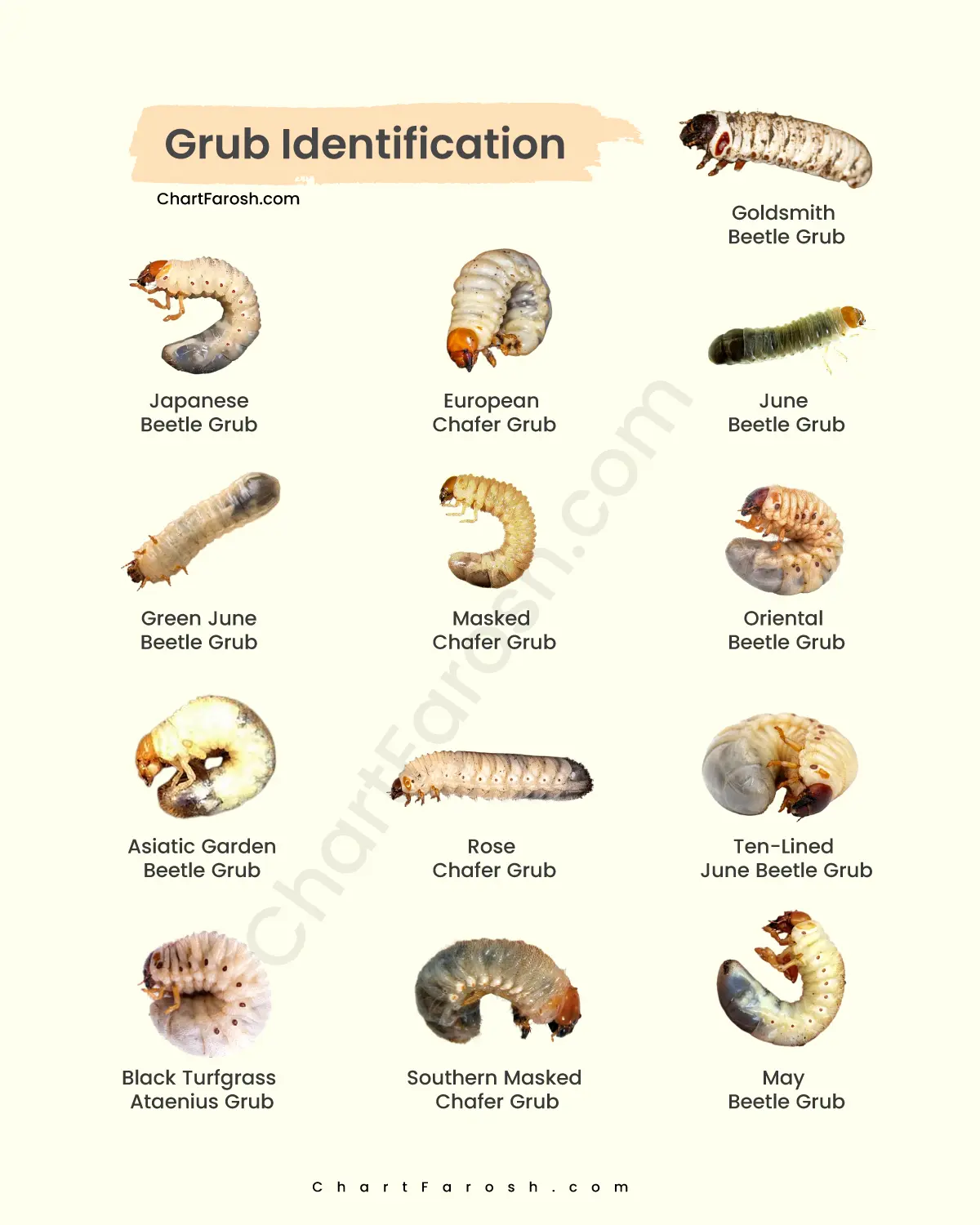
Special grub identification charts showing june bug grubs, Japanese beetle larvae, and European chafer grubs side by side. The visual highlights the creamy white body, brown head capsule, and C-shaped body plan of the larvae, alongside their adult beetle forms.
Quick Answer
Yes, june bugs are grubs during their larval stage. A june bug grub is the immature, white, C-shaped larval form of the adult june bug beetle. They live underground for one to three years before emerging as adult beetles.
The grub stage is when they cause the most damage to grass roots and turf.
Why the Adult and the Grub Look So Different
Here's where things get interesting. The adult june bug and the june bug grub look like completely different creatures. That's because they are, in a sense, two different life stages of the same insect.
The adult beetle is what most people recognize. It's a hard-shelled, brown or reddish-brown beetle about half an inch to an inch long. It has a smooth, oval body, six legs, and a pair of wings folded underneath a hardened shell.
You'll see them flying clumsily around porch lights in late spring and early summer.
The grub, on the other hand, is soft-bodied, creamy white, and curled into a distinct C shape. It has a brown head capsule and six small legs clustered near its head. It has no wings, no hard shell, and no resemblance to the flying beetle it will eventually become.
This transformation happens through complete metamorphosis. The beetle lays eggs in the soil. Those eggs hatch into grubs.
The grubs feed and grow underground for months or years. Then they pupate, and finally emerge as adult beetles to start the cycle over.
The whole process can take one to three years depending on the species and climate. In warmer southern regions, the cycle tends to be shorter. In the northern United States, it often takes two to three years for a single generation to complete its life cycle.
What a June Bug Grub Looks Like (And Where to Find One)
If you're digging around in your garden or pulling up a patch of dead turf, here's exactly what to look for.
A june bug grub has a soft, creamy white body that's distinctly curled into a C shape. The body is plump and segmented, usually ranging from about a quarter inch to over an inch long depending on its age. The head is a noticeable brown or tan color, which stands out against the pale body.
You'll see six small legs right behind the head. The rear end of the grub often looks slightly darker because you can see the contents of its digestive tract through the body wall. When you place it on a flat surface, it typically lies on its side in that curled position.
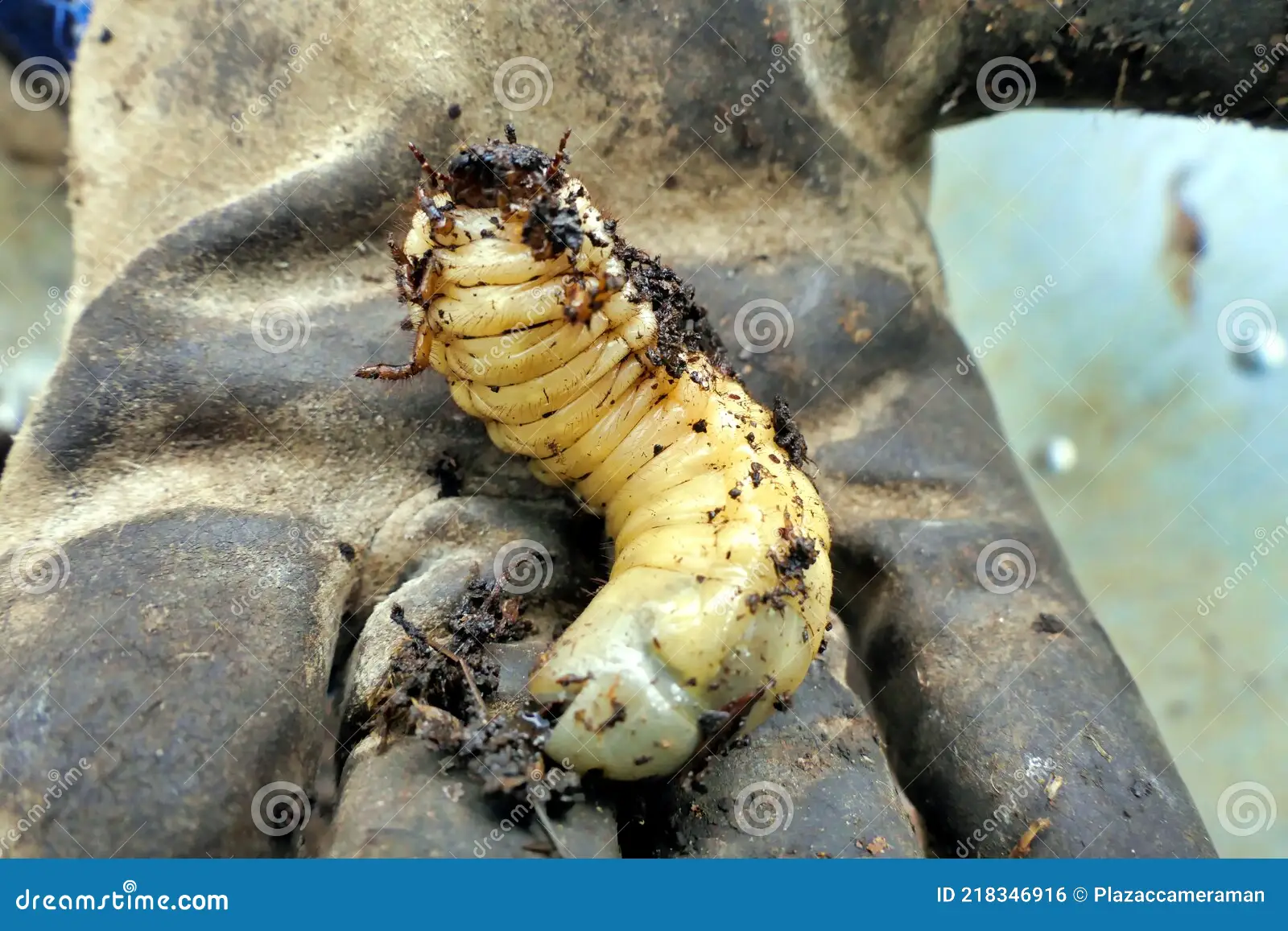
Image source: Bing (Web (fair-use with source credit))
Where to find them:
- In the top two to four inches of soil beneath turfgrass
- Under dead or brown patches of lawn that pull up easily
- In garden beds near grassy areas
- In compost heaps with decaying organic matter
- Around the root zone of ornamental plants
The easiest way to check is to cut a small square of turf about one foot across and peel it back. Count the grubs you find in the soil underneath. University extension services generally consider five to ten grubs per square foot as the threshold where treatment becomes worthwhile.
How to Tell a June Bug Grub From Other White Grubs
This is where most people get tripped up. Several different beetle species produce white grubs that look almost identical to the untrained eye. Japanese beetle grubs, European chafer grubs, and northern masked chafer grubs all share that same basic C-shaped, white-bodied, brown-headed appearance.
So how do you tell them apart?
The most reliable method is examining the raster pattern. That's the arrangement of hairs, spines, and bristles on the underside of the grub's last body segment. Each species has a distinct pattern, and entomologists use it as the definitive identification tool.
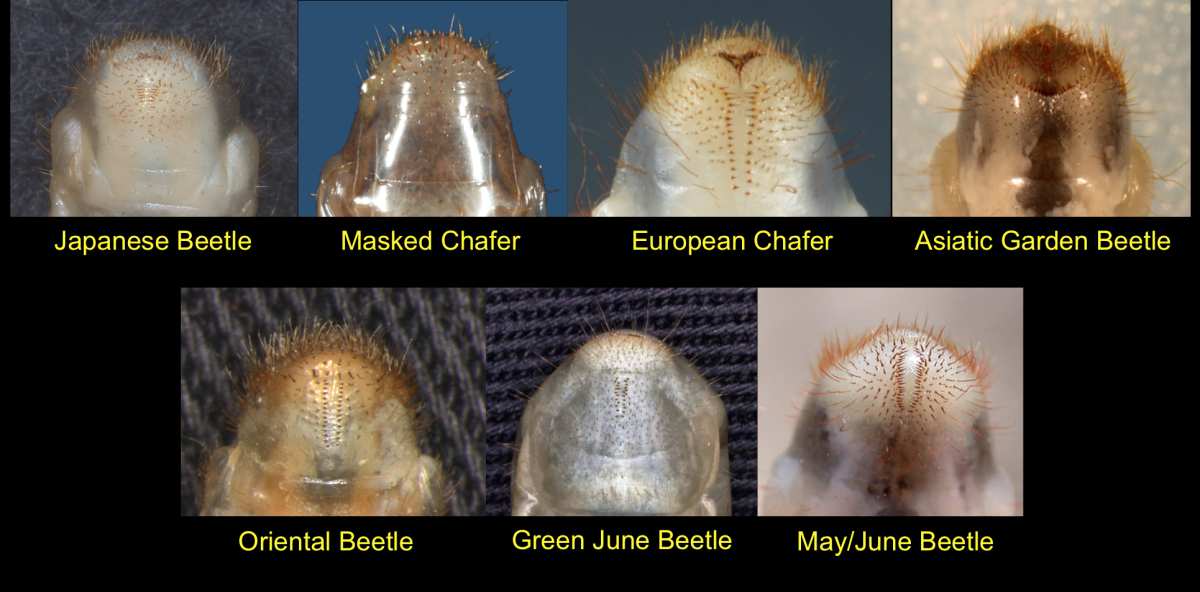
Image source: Bing (Web (fair-use with source credit))
Quick comparison of common white grubs:
| Feature | June Bug Grub (Phyllophaga) | Japanese Beetle Grub | European Chafer Grub |
|---|---|---|---|
| Body color | Creamy white | Creamy white | Creamy white |
| Head capsule | Brown | Brown | Tan to brown |
| Raster pattern | V-shaped or Y-shaped row of spines | Two parallel rows of spines | Two diverging rows of spines |
| Size at maturity | 1 to 2 inches | About 1 inch | About 0.75 inches |
| Body texture | Smooth, plump | Smooth, plump | Slightly more slender |
| Active season | Late summer through fall | Late summer through fall | Fall and spring |
If you don't have a hand lens or microscope handy, the size and timing can give you a rough clue. June bug grubs tend to be larger than Japanese beetle grubs when fully grown. They also tend to be found deeper in the soil during the hottest months.
When in doubt, your local university extension office can help with identification. Many will accept photos or physical samples and give you a definitive answer.
What June Bugs Do at Each Life Cycle Stage
Understanding the full life cycle helps you know when to look for grubs and when to expect adult beetles.
Egg stage: Adult female june bugs burrow into the soil in late spring and lay their eggs, usually in grassy areas. A single female can lay anywhere from 25 to 80 eggs. The eggs are small, white, and oval, buried about two to four inches deep.
They hatch within two to four weeks.
Larval stage (the grub): This is the longest and most destructive phase. The grubs feed on grass roots and organic matter in the soil. They go through three growth stages called instars, getting larger each time.
During this stage, they're actively damaging turf from midsummer through fall, then burrow deeper to overwinter. They may repeat this cycle for one to three years depending on the species.
Pupal stage: After the final larval instar, the grub forms a pupal cell in the soil and transforms. This stage lasts a few weeks and happens in late spring.
Adult stage: The adult beetle emerges from the soil in late spring or early summer. It feeds on foliage, mates, and lays eggs to start the next generation. Adult june bugs are attracted to lights and are often seen bumping against windows and screens at night.
The grub stage is where the real lawn damage happens. Adult beetles can defoliate trees and shrubs, but the underground feeding on grass roots is what causes those telltale brown patches that peel back like loose carpet.
What Grub Damage Actually Looks Like in Your Lawn
Grub damage can be tricky to diagnose because it looks a lot like drought stress, disease, or dog urine spots. Here's how to tell the difference.
The first sign is usually irregular brown patches of turf that don't respond to watering. The grass thins out, turns yellowish-brown, and eventually dies in scattered areas across the lawn. Unlike drought stress, which tends to show up in the hottest, driest areas first, grub damage can appear anywhere.
The real giveaway is what happens when you grab a handful of the affected grass. If it pulls up easily, almost like lifting a loose carpet, you've almost certainly got grubs. That's because the grubs have chewed through the root system, leaving nothing anchoring the turf to the soil.
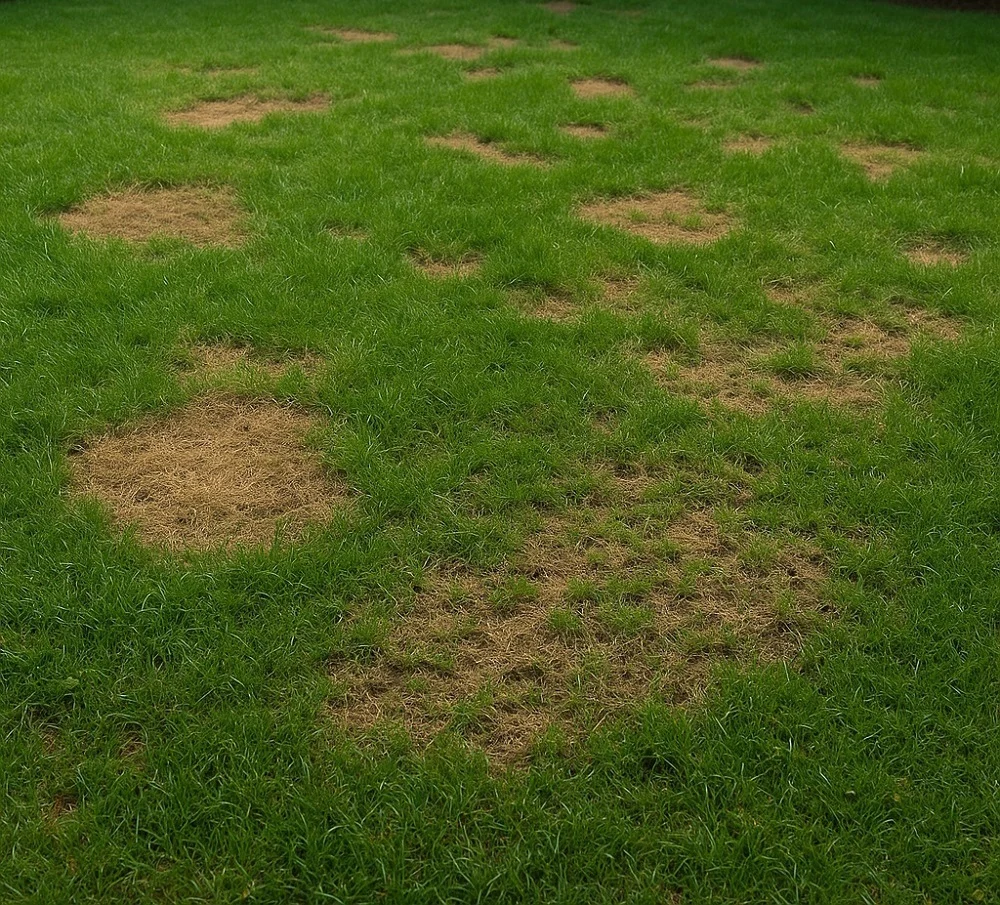
Image source: Bing (Web (fair-use with source credit))
You might also notice increased animal activity. Skunks, raccoons, and birds will dig up your lawn at night or early morning to feed on the grubs. If you see small holes or patches of torn-up turf appearing overnight, that's a strong indicator of a grub problem underneath.
Key signs of grub damage:
- Brown, dead patches that don't green up with watering
- Turf that lifts easily from the soil like a loose mat
- Increased digging by skunks, raccoons, or birds
- Spongy feel when you walk across affected areas
- Damage appearing in late summer through fall
The damage typically shows up from August through October, which is when the grubs are largest and feeding most aggressively. By the time you see visible damage, the grubs have usually been feeding for weeks or months already.
When and Where You're Most Likely to See Them
Timing matters a lot when you're trying to identify or manage june bugs and their grubs.
Adult beetles are most active from late May through July, depending on your region. They fly at dusk and are strongly attracted to lights. In the southern United States, you might see them as early as April.
In the northern states, peak activity tends to hit in June and July.
Grubs are present in the soil for most of the year, but they're easiest to find and most actively feeding from July through October. That's when they're closest to the surface and doing the most damage to turf roots. During winter, they burrow deeper below the frost line and become much harder to locate.
Regional patterns:
- Northeast and Midwest: Peak adult emergence in June. Grubs active August through October.
- Southeast: Earlier adult activity starting in April or May. Grubs may be active nearly year-round in mild winters.
- West: June bug species are less common but present in irrigated lawns and agricultural areas.
If you're trying to confirm what species you're dealing with, late summer is your best window. The grubs are large enough to examine, and you can compare their size and raster patterns against reference guides from your state's extension service.
Do June Bug Grubs Cause More Damage Than Other Grubs?
June bug grubs are definitely capable of serious lawn damage, but they're not necessarily worse than other common grub species. The amount of damage depends more on the population density and the health of your lawn than on the species itself.
Japanese beetle grubs tend to get more attention because they're widespread and highly visible as adults. European chafer grubs can be equally destructive in the Northeast. June bug grubs fall right in the same range.
What makes june bug grubs notable is their size. Fully grown Phyllophaga grubs can reach two inches long, making them some of the largest white grubs you'll encounter. A smaller number of large grubs can do the same damage as a larger number of small ones.
Damage threshold guidelines from university extension services:
| Grub Count per Sq Ft | Action Needed |
|---|---|
| 0 to 4 | Usually no treatment needed |
| 5 to 9 | Monitor closely, consider treatment if lawn is stressed |
| 10 or more | Treatment recommended |
A healthy, well-watered lawn can tolerate a few grubs without showing visible damage. The problems start when populations build up or when the lawn is already stressed by drought, heat, or poor soil conditions.
How to Decide If You Need to Treat Them
Not every grub in your lawn means you need to reach for a product. Here's a practical way to think about it.
First, confirm you actually have grubs and not some other issue. Peel back a section of turf and count what's underneath. If you're finding fewer than five grubs per square foot and your lawn looks healthy, you can probably skip treatment entirely.
Second, consider the time of year. If you're finding large grubs in spring, they're nearing the end of their feeding cycle and will pupate soon. Treatment at that point is usually unnecessary.
The best window for preventive treatment is midsummer, when new eggs have just hatched and the young grubs are small and vulnerable.
Treatment options at a glance:
| Method | Best Timing | How It Works |
|---|---|---|
| Beneficial nematodes (Heterorhabditis) | Late summer to early fall | Microscopic worms seek out and kill grubs in the soil |
| Milky spore (Paenibacillus popilliae) | Spring or fall | Bacterial disease that targets Japanese beetle grubs specifically |
| Preventive insecticides (imidacloprid, chlorantraniliprole) | June to July | Applied before eggs hatch, kills young grubs |
| Curative insecticides (trichlorfon, carbaryl) | Late summer to fall | Kills existing grubs on contact |
If you're dealing with a small, localized area, spot treatment is usually enough. Broadcast treatment across the whole lawn is only warranted when you're finding high numbers across multiple areas.
Quick Visual Identification Guide
Here's a fast reference you can use the next time you're digging in the garden.
Adult June Bug Beetle:
- Half inch to one inch long
- Brown, reddish-brown, or dark tan body
- Hard, smooth, oval shell
- Six legs, flies at dusk
- Attracted to lights
June Bug Grub:
- Creamy white, C-shaped body
- Brown head capsule
- Six small legs near the head
- Plump, segmented body
- Quarter inch to two inches long
- Found in top few inches of soil
Green June Beetle (often confused with june bugs):
- Larger, metallic green adult
- Grub is similar but often found in compost or decaying matter
- Grub sometimes crawls on its back using bristles on the body wall
If you can match what you're seeing to these descriptions, you'll have a solid starting point for identification. For a definitive answer, especially if you're planning to treat, send a sample to your local extension office.
Mistakes People Make When Identifying and Treating Lawn Grubs
A few common errors trip people up every season.
Treating at the wrong time. Applying preventive insecticide in September won't help because the grubs have already hatched and grown. The product needs to be in the soil before the eggs hatch, typically in June or July depending on your region.
Assuming all white grubs are the same. Japanese beetle grubs, june bug grubs, and chafer grubs all respond differently to certain treatments. Milky spore, for example, only works on Japanese beetle grubs. If you're dealing with Phyllophaga species, it won't do anything.
Over-treating a healthy lawn. A few grubs per square foot is normal and not worth the cost or environmental impact of treatment. Healthy turf can outgrow minor root feeding.
Confusing grub damage with other problems. Drought stress, fungal disease, dog urine, and compacted soil can all cause brown patches. Always confirm grubs are present before treating.
Ignoring the raster pattern. If you're serious about identification, the raster pattern on the underside of the grub is the gold standard. Guessing based on color and shape alone will lead to misidentification more often than not.
Frequently Asked Questions
How long do june bug grubs stay in the soil?
June bug grubs typically spend one to three years in the soil as larvae, depending on the species and climate. Warmer regions tend to have shorter life cycles, while northern populations often take two to three years to complete development.
Are june bug grubs harmful to humans?
No, june bug grubs are not harmful to humans. They don't bite, sting, or carry diseases that affect people. They're strictly a plant and turf pest, feeding on roots and organic matter in the soil.
What's the difference between a june bug and a green june beetle?
A june bug typically refers to Phyllophaga species, which are brown or reddish-brown beetles. The green june beetle (Cotinis nitida) is a separate species with a metallic green body and a larger, more robust appearance. Both produce white grubs, but the green june beetle grub is often found in compost and decaying organic matter rather than turf.
Can I get rid of june bug grubs naturally?
Yes, beneficial nematodes (specifically Heterorhabditis bacteriophora) are an effective natural option. They're microscopic worms that seek out and kill grubs in the soil. Apply them in late summer or early fall when grubs are actively feeding near the surface.
Keep the soil moist before and after application for best results.
When is the best time to treat for june bug grubs?
For preventive products, apply in June or July before eggs hatch. For curative treatments targeting existing grubs, late August through October is most effective when grubs are large, actively feeding, and still near the soil surface.
How deep in the soil do june bug grubs live?
During active feeding periods, june bug grubs are usually found in the top two to four inches of soil. During winter, they burrow much deeper, sometimes six inches or more, to get below the frost line.
Quick Answer
Yes, june bugs are grubs during most of their life cycle. The grub is simply the immature larval stage of the adult beetle. They spend the majority of their lives underground in this feeding form before transforming into the winged adults everyone recognizes from summer evenings.
When and Where You're Most Likely to See Them
Understanding the seasonal calendar helps you know when to scout for june bugs and their grubs.
Adult beetles emerge from the soil in late spring and early summer. Peak activity runs from late May through July across most of the United States. In the Gulf Coast states, adults may start appearing as early as April.
In the northern tier of states, peak flight often doesn't hit until mid-June.
You'll see them buzzing around porch lights, slamming into window screens, and crawling across sidewalks at dusk. They're attracted to light more than almost any other beetle, which is why they're such a nuisance around outdoor fixtures.
Grubs are underground year-round, but their depth changes with the seasons. In m they're feeding aggressively in the top two to inches of soil. As fall progresses and temperatures drop, they start migrating deeper to overwinter.
By winter, they may be six inches below the surface or more. In spring, they move back up into the root zone and resume feeding before pupating.
Regional patterns:
- Southeast: Earlier adult emergence, longer grub season, possible year-round larval activity in mild winters
- Midwest and Northeast: Distinct spring emergence, peak grub feeding August through October, deep winter dormancy
- Western states: Localized populations mostly in irrigated areas and near riparian corridors
Do June Bug Grubs Cause More Damage Than Other Grubs?
The short answer is that any grub species can wreck your lawn if the population gets high enough. June bug grubs aren't uniquely destructive, but they hold their own.
Japanese beetle grubs get most of the press because the adults are so visible and their range keeps expanding. European chafers can be devastating in the Northeast. June bug grubs do comparable damage in areas where Phyllophaga species are the dominant white grub.
Their size works against them when it comes to damage potential. A fully grown Phyllophaga grub can be nearly two inches long, making it one of the larger grubs you'll encounter. One big grub eats a lot of root mass.
What determines severity:
- Population density (this matters more than species)
- Lawn health and irrigation status
- Grass type and root depth
- Drought stress compounding the damage
A lawn with strong roots and regular watering can handle a moderate grub population without visible symptoms. The same population in a drought-stressed lawn can cause significant die-off.
How to Decide If You Need to Treat Them
Before spending money on any treatment, confirm what you're dealing with and whether it actually warrants intervention.
Step 1: Count what you've got. Cut a one-foot square of turf in a damaged area and peel it back. Count the grubs beneath it. Repeat this in three or four spots across the lawn.
If you're averaging fewer than five per square foot and the turf recovers with watering, treatment isn't necessary.
Step 2: Identify the species. Some treatments only work on certain grubs. Milky spore targets Japanese beetle grubs and will do nothing against Phyllophaga species. Beneficial nematodes are broad-spectrum and will work against most white grub species.
Step 3: Choose your approach.
| Situation | Recommended Action |
|---|---|
| Low grub count, healthy lawn | Monitor, no treatment |
| Moderate count, some damage | Spot treat affected areas in late summer |
| High count, widespread damage | Broadcast treatment with curative product |
| Want to prevent future problems | Preventive treatment the following June/July |
Organic options like beneficial nematodes work best when soil temperatures are above 60°F and the soil stays moist. Chemical options give faster results but require careful timing and adherence to label directions.
Quick Visual Identification Guide
Here's a side-by-side reference for the most common species you'll encounter in lawns.
| Feature | June Bug Grub (Phyllophaga) | Japanese Beetle Grub | European Chafer Grub | Green June Beetle Grub |
|---|---|---|---|---|
| Size at maturity | 1 to 2 inches | About 1 inch | About 0.75 inches | Up to 2 inches |
| Body color | Creamy white | Creamy white | Creamy white | Creamy white |
| Head color | Brown | Brown | Tan | Tan to brown |
| Raster pattern | V- or Y-shaped | Two parallel rows | Two diverging rows | Similar to june bug |
| Typical habitat | Turfgrass root zone | Turfgrass root zone | Turfgrass root zone | Compost, decaying matter |
| Crawling behavior | Lies on side in C | Lies on side in C | Lies on side in C | Often crawls on back |
If you're trying to identify a grub in your own lawn, try placing it on a flat surface. If it lies on its side in a C shape, it's almost certainly one of the common turfgrass species. Green june beetle grubs are the odd ones out, since they often crawl on their backs using bristles along their body wall.
Mistakes People Make When Identifying and Treating Lawn Grubs
Mistake 1: Treating at the wrong time. Applying preventive insecticide in September won't help because the eggs. Those products need to go down in June or July, before the next generation of grubs emerges.
Mistake 2: Assuming every white grub is the same. Different species respond to different treatments. Japanese beetle grubs are susceptible to milky spore disease. June bug grubs are not.
Using the wrong product wastes money and leaves the problem unsolved.
Mistake 3: Overreacting to a few grubs. Finding two or three grubs while gardening is completely normal. You don't need to treat your entire lawn because you found a handful of larvae. The five-to-ten-per-square-foot threshold exists for a reason.
Mistake 4: Confusing grub damage with drought. Both cause brown patches in turf. The difference is that grub-damaged turf pulls up like a carpet with no root system holding it down. Drought-stressed turf stays anchored even when it looks dead on top.
Mistake 5: Skipping identification before buying products. A quick trip to your county extension office with a sample can save you from spending money on something that won't work against what you actually have.
Frequently Asked Questions
How long do june bug grubs stay in the soil?
Most june bug species spend one to three years in the larval stage underground. Warmer climates tend to support faster development, while northern populations often take the full three years to complete their life cycle.
Can june bug grubs hurt pets or people?
No, they're completely harmless to humans and animals. They don't bite, sting, or transmit disease. Pets may eat them while digging and that's perfectly safe too.
What eats june bug grubs in the lawn?
Skunks, raccoons, opossums, moles, and birds all feed heavily on white grubs. If you're seeing animals digging up your lawn at night, that's often the first sign of a grub infestation before the turf damage even shows.
Do all june bugs come from grubs in the lawn?
Yes, every adult june bug developed from a grub that lived in the soil. However, grubs aren't always in turfgrass. They can develop in garden beds, compost piles, and under leaf litter too.
What kills june bug grubs naturally?
Beneficial nematodes (Heterorhabditis bacteriophora) are the most effective natural control. They're microscopic worms you mix with water and spray onto the soil. They actively seek out grubs and release bacteria that kill them within 24 to 48 hours.
Summary of What to Do Next
Here's a quick action plan you can follow based on everything covered above.
If you're currently seeing brown patches in your lawn, grab a shovel and check for grubs. Count them. If you're under five per square foot, water your lawn well and let the turf recover on its own.
You probably don't need any treatment at all.
If you're finding higher numbers in late summer, consider a curative treatment right then while the grubs are still feeding near the surface. If you want to prevent the whole problem next year, mark your calendar for June and apply a preventive product before the next generation of eggs hatches.
The most important step is just knowing what you're looking at. Once you can confidently tell a june bug grub from other white grubs, everything else, choosing the right product, timing it correctly, avoiding unnecessary treatments, becomes much easier.