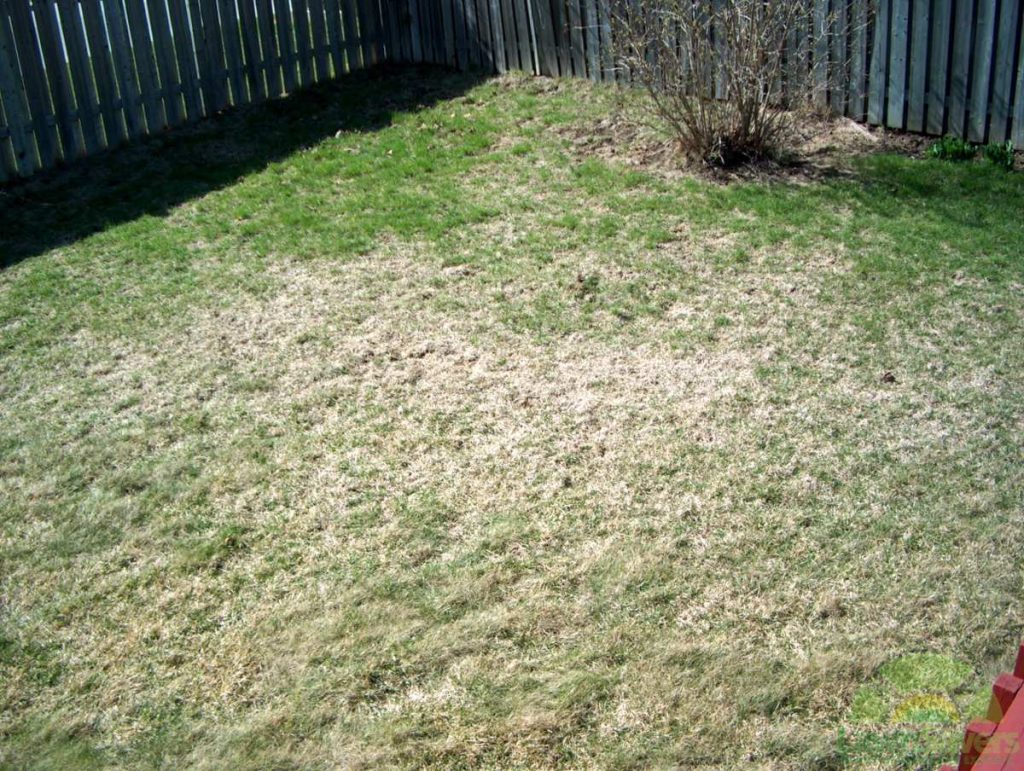
Think you need to get rid of every grub in your garden. That's usually a mistake. The question "are grubs good for garden" doesn't have a blanket answer.
It depends entirely on the species, the count, where they're at seasonally, and what you're growing. Treat harmless grubs like pests and you kill beneficial soil life doing real good for themselves.
State extension services have been warning against overtreating grubs for years. Their data shows many gardeners spray or spread treatments on populations well below damaging thresholds. Newer integrated pest management approaches emphasize species ID and threshold-based interventions.
That's the logic we're walking you through here. Not "kill everything". Not "never treat".
A real decision framework for your actual situation.
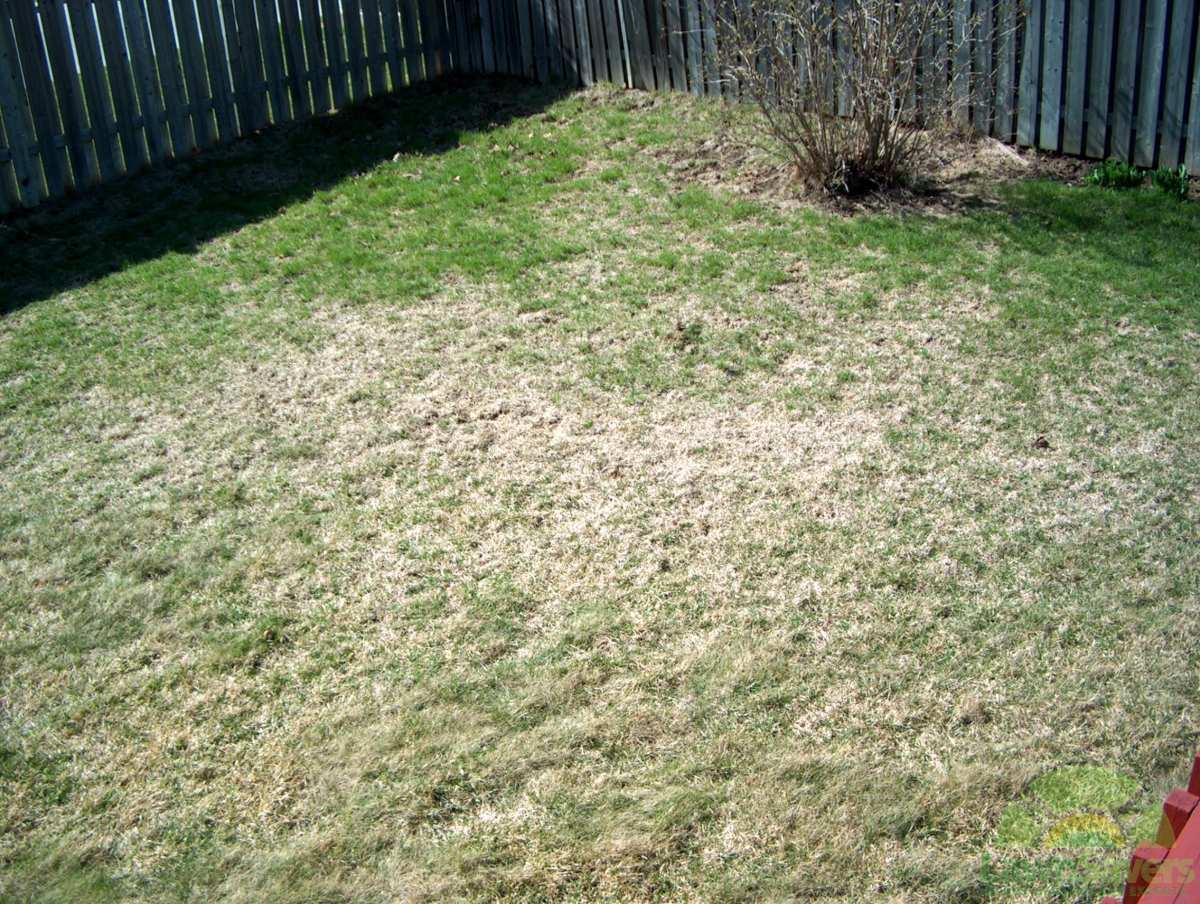
Image source: Bing (Web (fair-use with source credit))
Answer Based on Your Situation Not a General Rule
Are grubs good for your garden?
A small number of most common soil grubs break down organic matter and aerate soil. Large populations of root-feeding species like Japanese beetle grubs destroy turf and garden plants. Check what species you have.
Count them per square foot. Act only if numbers exceed extension service thresholds. Identify before you treat.
First, Let's Get Clear on What Grubs Actually Are and What They Do in Soil
Grubs are beetle larvae. Not worms, not caterpillars, not generic "bugs". They're the juvenile stage of scarab beetles, a family that includes Japanese beetles, European chafers, June beetles, May beetles, masked chafers, and black turfgrass ataenius.
Different species behave very differently underground. That's why blanket advice fails.
A typical grub has a C-shaped body, a brown or tan head capsule, and six legs near the front. Species vary in size from about half an inch to over an inch long. Most live in the top few inches of soil, though some burrow deeper in winter and drought.
Their lifecycle runs one to three years from egg to adult, depending on species and climate. The larval stage causes the most plant damage because that's when they're feeding most aggressively near roots.
Not all soil larvae are even scarabs. You might find ground beetle larvae, which are beneficial predators. Soldier fly larvae, which break down organic matter fast.
Or rove beetle larvae, which hunt other soil pests. Killed indiscriminately by broad-spectrum pesticide and lose an ally doing real work. That's why species identification matters before any decision.
Now here's where the "are grubs good for garden" question gets nuanced. Grubs occupy several ecological roles at once. Most scarab grubs do some organic matter processing.
They chew through decaying plant material helping convert it to humus. This is a soil-building contribution. They're not earthworms but they do contribute.
Species like green June beetle grubs feed on decaying organic matter in the upper layer of soil. Detritivores in this case. Species like Japanese beetle grubs and European chafers feed directly on the roots of plants.
Living root tissue and cause real damage to turfgrass and young plants. The difference matters enormously.
The Benefits That Actually Show Up in Your Garden
Let's start with the positive side, because most articles skip straight to the pesticide recommendations. Here's what moderate grub populations can do for your soil.
- Natural soil aeration: As grubs move through soil they create small channels that improve water infiltration and gas exchange. It's a secondary benefit compared to earthworm activity but it still helps relieve compaction in the upper root zone.
- Accelerated organic matter breakdown: Detritivore species feed on dead plant material and speed decomposition. Organic vegetable gardeners see this in raised beds where grubs help turn fall debris into usable organic matter by spring.
- Nutrient cycling and redistribution: Grubs move nutrients through the soil profile as they feed and excrete. This can reduce the need for supplemental fertilizing in established beds.
- Food web support: Grubs are protein-rich food sources for birds, skunks, raccoons, ground beetles, and parasitic wasps. A moderate grub population in your garden supports biodiversity above ground. That benefits pollination and natural pest control.
- Compost contribution: Detritivore grubs in active composting systems speed breakdown and contribute to finished compost quality. Large-scale composting operations actively encourage certain beetle larvae for this reason.
These benefits show up in established systems where grub counts stay below damaging thresholds. Vegetable gardeners often find moderate grub populations to be a positive indicator of biological soil activity. They correlate with lower compaction and better moisture retention where grubs are active, especially in clay soils.
Here's the critical distinction though. These benefits come from low to moderate populations. A few grubs per square foot mostly just become food for birds and contribute to organic matter processing.
It's high populations feeding on living roots that cause real problems. The threshold between "helpful" and "harmful" is where the real decision-making happens.
When Grubs Damage Your Garden
Here's the other side that doesn't get enough attention in "are grubs good for garden" discussions. High populations of root-feeding species cause cumulative damage serious enough to require intervention. The damage isn't just cosmetic.
- Root pruning and reduced nutrient uptake: Severed roots reduce the plant's ability to take up water and nutrients. Affected turfgrass shows drought stress even when soil moisture is adequate. This causes effective yield loss in vegetable gardens.
- Secondary animal damage: Skunks, raccoons, and armadillars dig for grubs in lawns. A single skunk can tear up 100+ square feet of lawn in one night. Animal damage often exceeds the grub damage itself.
- Lawn death at high counts: Extension data from multiple land-grant universities show 10+ Japanese beetle grubs per square foot typically cause visible drought stress and dead patches in cool-season turfgrasses. At 15+ grubs per square foot, brown patches become widespread and turf may require renovation.
- Winterkill acceleration: Grubs feeding in fall damage grass roots going into winter. Surviving plants may be weakened enough to die from cold stress during severe winters.
- Vulnerability to diseases and weed invasion: Thinned-out, damaged turf gives weeds a foothold and lets fungal diseases spread more easily. You often see patches that fail to green up in spring despite adequate moisture and temperature.
The economic cost matters too. Aggregating extension service surveys, American homeowners spend well over a billion dollars annually on lawn pest control, with grubs representing a significant share of that spend. Overtreating saves money on immediate aesthetics while costing long-term soil health.
Not all grub species cause equal problems. Japanese beetle grubs rank among the most destructive turfgrass pests in the eastern and midwestern United States. European chafer grubs are major problems in the Northeast and Great Lakes regions.
Green June beetle grubs mostly damage turf through tunneling and mound-building rather than root feeding. June beetle grubs tend to be less damaging per individual than Japanese beetles.
Knowing the species you're dealing with changes everything about your response strategy. The identification section walks you through practical ways to tell them apart.
How to Tell What Type of Grub You're Dealing With
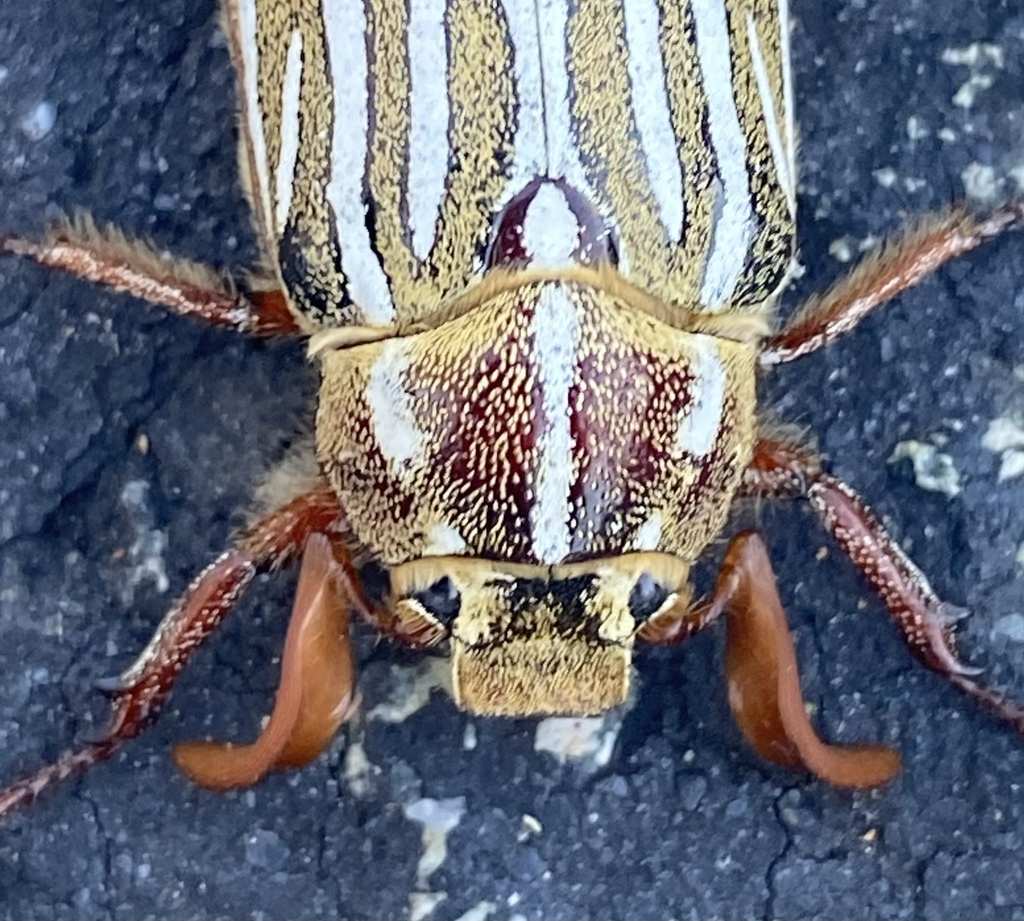
Image source: iNaturalist / Irene
Species identification is the most important step in answering "are grubs good for garden" for your specific situation. The old standard of lumping all white grubs together biologists have long considered inadequate. Experts and extension agents use physical examination to tell them apart because this is the only reliable way to know if your population is helpful or harmful.
Take a gruf out of the soil and examine it closely. The features to look for:
- Head capsule color: Japanese beetle grubs have a tan to light brown head. European chafers have a similar color but proportionally rounder body shape. Darker brown heads mostly appear in masked chafers and oriental beetles.
- Rastral pattern: This is the definitive diagnostic tool. The raster is the pattern of hairs, spines, and arranged on the underside of the abdomen just above the anus. Species identification guidelines from most state extension offices include raster pattern diagrams. Japanese beetle grubs have two rows of spines forming a distinctive V-shape. European chafer grubs have rows of spines forming a parallel pattern. Download your state's extension service grub ID guide, observe under a magnifying glass or jeweler's loupe.
- Body size and shape: Japanese beetle grubs reach about 3/4 inch long when fully grown. European chafers are similar sized but smoother. June beetle grubs grow larger, often exceeding one inch. Black turfgrass ataenius grubs are smaller, roughly 1/4 inch, and faster-moving.
- Behavior in soil: Green June beetle grubs crawl on their backs using stiff hairs on their body surface rather than their legs. Burrow and create visible dirt mounds in turf. This distinctive behavior makes them easier to identify in the field than by morphology alone.
Observation in the field also helps separate grubs from similar-looking larvae. Ground beetle larvae have visible mandibles and a more flattened body. Soldier fly larvae are grayish teardrops without visible legs and mostly found in rich organic matter.
Rove beetles are elongated with short wing covers, also found actively hunting in the upper soil layer.
This isn't just academic. Treatment timing differs by species. Japanese beetle grubs are most vulnerable to treatment from late July through September when they're small and near the soil surface.
European chafers require earlier treatment, often in late June or early July. Treating at the wrong life stage wastes money and misses the window that biological controls work best.
The lifecycle timing affects treatment choice too. Areas with established chronically high grub populations often have overlapping generations. Ongoing monitoring and spot-treatment will be more effective than a single annual application.
That's why many turfgrass management professionals recommend quarterly grub counts during growing season in affected zones.
The Threshold Test: How Many Grubs Is Too Many?
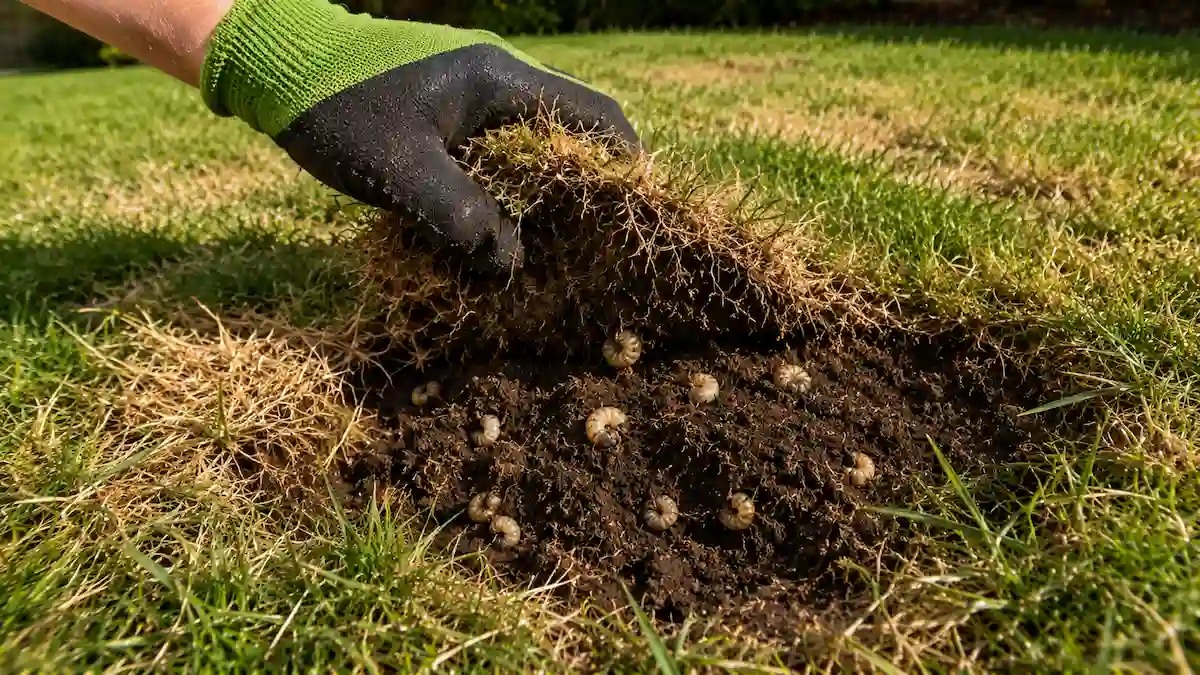
Image source: Bing (Web (fair-use with source credit))
This is where the "are grubs good for garden" question gets answered with numbers instead of opinions. Extension services across the country have established threshold levels based on decades of field research. These aren't arbitrary cutoffs.
They represent the point where root damage outpaces the plant's ability to recover.
The standard thresholds used by most state extension offices:
| Grub Count per Sq Ft | Cool-Season Turf | Warm-Season Turf | Vegetable Garden |
|---|---|---|---|
| 0-4 | No action needed | No action needed | No action needed |
| 5-9 | Monitor closely | No action needed | Monitor closely |
| 10-14 | Treat if damage visible | Monitor closely | Treat if damage visible |
| 15+ | Treat | Treat if damage visible | Treat |
These thresholds assume a mixed population of common scarab species. Japanese beetle grubs cause more damage per individual than some other species, so some extension services recommend treating at 8-10 per square foot for that species specifically. European chafers fall closer to the standard threshold.
Green June beetle grubs rarely require treatment for root damage alone, though their tunneling can be a separate issue.
Here's how to actually do the count. Cut a one-foot square of turf with a spade, about two inches deep. Peel it back like a carpet and examine the root zone.
Count every grub you find in that square. Repeat this in five or six spots across your lawn or garden, especially in areas showing stress. Average the counts.
That's your number to compare against the threshold.
Timing matters for accurate counts. Late August through October is the standard window for fall sampling in most regions. Grubs are small, near the soil surface, and actively feeding.
Spring counts can be misleading because grubs are larger but may have already caused their damage, and some may be pupating rather than feeding.
If your count falls below threshold, you're in the "grubs are fine" zone. The benefits we discussed earlier, organic matter processing, soil aeration, food web support, outweigh the minimal root damage. Let them be.
If you're hovering near the threshold, monitor again in two weeks before deciding. Populations can fluctuate naturally as birds and other predators move through.
Decision Guide: Should You Treat or Leave Them Alone?
Now we bring it together. Here's the decision framework that answers "are grubs good for garden" for your specific situation.
Leave them alone if:
- Count is below 5 per square foot
- Species is a known detritivore like green June beetle
- You're in a vegetable garden with healthy, established plants
- You're seeing good bird activity in the area (natural predation is working)
- Soil is healthy with good organic matter content
Monitor and reassess if:
- Count is 5-9 per square foot with no visible damage
- You're unsure of species identification
- Plants look healthy despite grub presence
- It's early in the season and counts may still increase
Treat if:
- Count exceeds 10-15 per square foot depending on species and grass type
- Visible damage is present (brown patches, wilting despite adequate water)
- Animal digging is becoming a problem
- Species is a known aggressive root-feeder like Japanese beetle or European chafer
- You're seeing damage progression week over week
The species identification we covered earlier feeds directly into this decision. Finding 8 green June beetle grubs per square foot is a very different situation than finding 8 Japanese beetle grubs per square foot. One is mostly harmless.
The other warrants treatment.
Your tolerance for cosmetic damage also plays a role. A homeowner who wants a perfect lawn will treat at lower thresholds than someone who prioritizes soil health and doesn't mind a few imperfect patches. Neither approach is wrong.
Just be honest about which camp you're in so you're making a deliberate choice rather than a reactive one.
Natural and Organic Control Methods That Actually Work
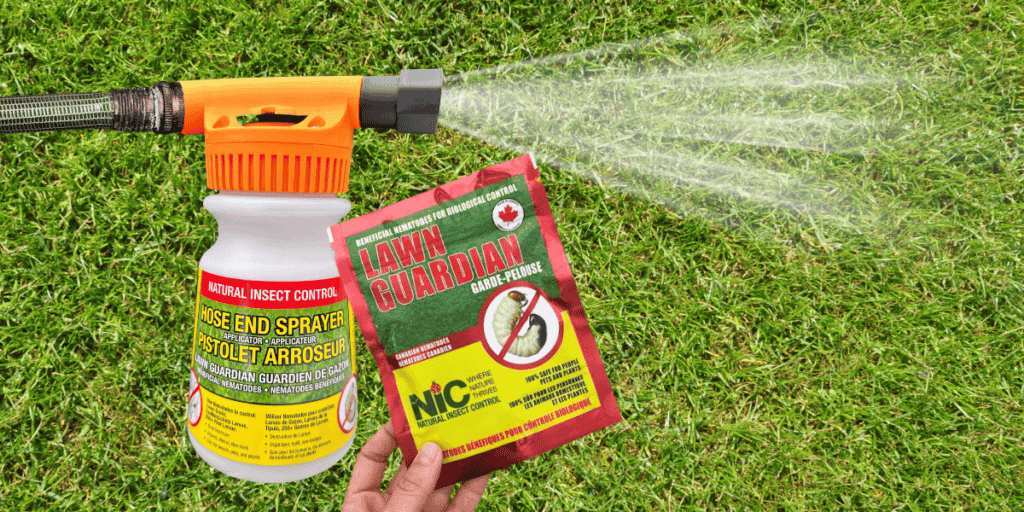
Image source: Bing (Web (fair-use with source credit))
If your counts cross the threshold, you've got options that don't involve synthetic chemicals. Biological controls have improved significantly over the past two decades. They're not instant gratification solutions, but they work with less collateral damage to beneficial soil organisms.
Beneficial nematodes (Heterorhabditis bacteriophora)
These microscopic roundworms actively hunt and kill grubs. They enter the grub's body and release bacteria that kill it within 24-48 hours. Nematodes are species-specific enough that they won't harm earthworms, plants, or people.
They're the go-to biological control for organic lawn care.
Application requires attention to detail. Nematodes need soil temperatures between 55 and 85 degrees Fahrenheit to be active. They need moisture to move through soil.
Apply in the evening or on overcast days because UV light kills them quickly. Water the area before and after application. Most products need to be used soon after purchase and kept refrigerated until application.
Dead nematodes don't kill grubs, so handling matters.
Milky spore (Paenibacillus popilliae)
This bacterium specifically targets Japanese beetle grubs. When grubs ingest spores while feeding, the bacteria multiply in their blood and kill them. Dead grubs release billions of new spores into the soil, creating a self-sustaining cycle.
Milky spore can remain effective in soil for 10-15 years after establishment.
The catch is establishment time. Milky spore takes one to three years to build up enough concentration in the soil to significantly reduce grub populations. It's a long-term investment, not a quick fix.
It also works best in areas where Japanese beetles are the dominant grub species. It's less effective against European chafers and other species.
Application is straightforward. Apply in a grid pattern across the affected area, following the product's spacing instructions. Water it in.
The bacteria need to reach the root zone where grubs are feeding. Soil temperatures above 70 degrees Fahrenheit during application help spore germination.
Neem oil (azadirachtin)
Neem acts as a feeding deterrent and growth regulator for grubs. It won't kill them outright at typical application rates, but it can reduce feeding damage and disrupt their development. Neem works best as a preventative or early intervention rather than a rescue treatment for heavy infestations.
Encouraging natural predators
This is the lowest-effort approach and often the most sustainable. Birds are voracious grub consumers. A single robin can eat dozens of grubs per day.
Installing birdhouses, maintaining brush piles, and avoiding broad-spectrum pesticides all support bird populations that keep grub numbers in check. Ground beetles and parasitic wasps also prey on grubs. Diverse, pesticide-free gardens tend to develop balanced predator-prey relationships over time.
Chemical Treatments: When They Make Sense and When They Don't
Synthetic insecticides are the nuclear option. They work fast and they work reliably. They also kill indiscriminately, disrupting the soil food web you've probably been trying to build.
That said, there are situations where they're the right call.
When chemical treatment makes sense:
- Grub counts are well above threshold and damage is severe
- You're dealing with a new infestation that biological controls can't address quickly enough
- Animal damage is creating a secondary problem that needs immediate resolution
- You're preparing to renovate a lawn and want to start with a clean slate
Active ingredients to know:
- Chlorantraniliprole (found in GrubEx and similar products) is a newer chemistry that's effective at low application rates and has lower toxicity to beneficial insects than older options. It's a preventative that works best applied before grubs hatch.
- Trichlorfon (Dylox) is a curative treatment that kills grubs on contact. It works fast, within one to three days, but breaks down quickly in soil. It's your option when you need immediate results.
- Imidacloprid is a neonicotinoid that's been widely used for grub control. It's effective but controversial due to concerns about pollinator exposure and soil persistence. Many extension services now recommend avoiding it when alternatives exist.
When to skip the chemicals:
- Counts are below or near threshold
- You're in a vegetable garden where residue concerns matter
- Pollinators are active on nearby flowering plants
- You have a healthy population of beneficial soil organisms you want to protect
- You're willing to accept some cosmetic damage in exchange for long-term soil health
Application timing is critical with chemical treatments. Preventative products like chlorantraniliprole need to be applied in early to mid-summer before grubs hatch and start feeding. Curative products like trichlorfon work best in late summer when grubs are small and actively feeding near the surface.
Applying at the wrong time wastes product and money.
Always read and follow label instructions. Pesticide labels are legal documents, not suggestions. The label tells you the correct application rate, timing, safety precautions, and environmental restrictions.
Your state department of agriculture may have additional regulations beyond the federal label.
Timing Your Response: Why Season Matters More Than Product
You can buy the best grub control product on the market and still fail if you apply it at the wrong time. Grub vulnerability changes dramatically through the season. Timing is the difference between effective treatment and wasted effort.
Early summer (June to mid-July): This is the window for preventative treatments targeting newly hatched grubs. Products containing chlorantraniliprole work best now. Grubs are tiny, near the soil surface, and actively feeding.
They're most vulnerable at this stage. Milky spore can also be applied now when soil temperatures support bacterial activity.
Late summer (August to September): This is prime time for curative treatments. Grubs are still small enough to be vulnerable but large enough to be causing noticeable damage. Nematodes work well now if soil moisture and temperature are adequate.
Trichlorfon applications are most effective during this window.
Fall (October to November): Grubs are moving deeper into soil as temperatures drop. Surface-applied treatments become less effective. If you haven't treated by now, you're better off waiting until next year and focusing on prevention.
Spring: Grubs are large and deeply buried. They're preparing to pupate and feed less aggressively. Treatment now is largely ineffective.
Use spring for monitoring and planning your summer strategy instead.
The lifecycle timing varies by species and region. Japanese beetles tend to hatch earlier than European chafers in most areas. Your state extension service can provide specific timing recommendations based on local degree-day models.
These models predict hatch timing based on accumulated heat units, which is far more accurate than calendar dates.
Common Mistakes That Make Grub Problems Worse
Even well-intentioned gardeners make errors that backfire. Here are the ones that show up repeatedly.
Treating without counting. Applying product based on a guess rather than actual grub numbers. You might be treating a population that's already below threshold, wasting money and killing beneficial organisms for no reason.
Applying nematodes in midday sun. UV light kills nematodes within minutes. Evening applications on moist soil give them the best chance of survival and effectiveness.
Watering after chemical application. Some products need to be watered in. Others don't. Reading the label prevents washing your treatment past the root zone before it can work.
Ignoring species identification. Treating for Japanese beetles when you actually have green June beetles means you're using the wrong product at the wrong time. The raster pattern check takes five minutes and saves you the cost of misapplied treatment.
Expecting instant results from biological controls. Milky spore takes years to establish. Nematodes take days to weeks. If you need immediate results, biological controls aren't your answer.
Overwatering to compensate for damage. Brown patches from grub damage don't respond to extra water because the roots are gone. Overwatering just creates conditions for fungal diseases on already-stressed plants.
What to Do If Grubs Have Already Damaged Your Lawn or Garden
Damage is done. Now what. Recovery depends on the extent of the damage and the type of plants affected.
For lawns with moderate damage, aggressive fall fertilization helps surviving grass spread into bare areas. Overseeding in early fall gives new grass time to establish before winter. Water consistently but don't overwater.
The goal is to support recovery, not to create swampy conditions.
For severely damaged areas where turf is dead or mostly dead, renovation may be the better path. Remove dead sod, amend the soil, and reseed or sod in early fall. This is also the time to apply preventative grub control so you're not fighting the same battle next year.
In vegetable gardens, damaged plants rarely recover fully. Remove them and replant with new starts if the season allows. Add compost to replace the organic matter and soil structure that grub feeding disrupted.
Consider using beneficial nematodes in the affected bed before replanting to reduce the population going forward.
Frequently Asked Questions
Are all grubs harmful to gardens?
No. Many grub species feed on decaying organic matter and cause little to no damage to living plants. Even root-feeding species are only harmful at high population levels.
Species identification and threshold counting determine whether your specific grubs are a problem.
How do I know if I have a grub problem or just drought stress?
Grub damage often looks like drought stress, but the turf will feel spongy and roll back easily because roots are severed. Drought-stressed turf stays anchored. The square foot sampling test gives you a definitive answer.
Will grub damage fix itself?
Minor damage often recovers with proper watering and fertilization. Severe damage with high grub counts won't resolve on its own. The grubs will continue feeding and the damage will worsen without intervention.
Can I use grub control products in my vegetable garden?
Some products are labeled for use around edible plants. Others aren't. Always check the label for specific crop restrictions and pre-harvest intervals.
Biological controls like nematodes are generally safe for vegetable gardens.
How long does milky spore last in soil?
Milky spore bacteria can remain viable in soil for 10 to 15 years after establishment. Once established, it provides long-term control of Japanese beetle grubs without reapplication.
Do grub treatments kill earthworms?
Broad-spectrum chemical insecticides can harm earthworms and other beneficial soil organisms. Biological controls like beneficial nematodes and milky spore are specific to grubs and don't affect earthworms.
Final Verdict: Making the Right Call for Your Situation
The answer to "are grubs good for garden" is almost always "it depends." Low populations of most species are net positive for soil health. High populations of root-feeding species cause real damage that warrants treatment.
Start with identification. Count what you have. Compare against the threshold for your grass type and grub species.
Then decide. That's the framework that keeps you from overtreating harmless populations and from ignoring problems that will only get worse.
The gardeners who handle grubs best are the ones who resist the urge to act on assumption. They dig, they count, they identify, and then they make a deliberate choice. That approach protects both your plants and the soil ecosystem that supports them long-term.