
Considering sod for your lawn offers instant beauty and maturity that seed can’t match. From rapid establishment and weed suppression to erosion control and a softer landing, sod provides a beautiful, ready-to-enjoy lawn. It’s a fantastic solution for quick transformations and lasting curb appeal.
So, you’re dreaming of a beautiful, green lawn, right? Maybe you’ve been scrolling through landscaping magazines or Pinterest, picturing that perfect carpet of grass. We’ve all been there! The idea of a lush lawn is appealing, but the journey to get there can sometimes feel like a marathon. You might be thinking about planting grass seed, or perhaps you’ve heard whispers about something called “sod.”
If you’re wondering what sod is and why you might want to choose it over other lawn-establishing methods, you’ve come to the right place. Sod, essentially, is mature grass that’s been grown in a nursery and then cut into rolls or squares, complete with a layer of soil and its root system. Think of it as a pre-made lawn, ready to be laid down. While grass seed is the traditional route for many, sod offers a unique set of advantages that can make it a surprisingly smart choice for many homeowners. Let’s dive into five compelling reasons why you should seriously consider sod for your lawn.
- Instant Gratification: Sod provides a mature, established lawn from day one, unlike grass seed which takes weeks or months to grow.
- Superior Weed Control: The dense mat of sod outcompetes weeds, significantly reducing the immediate threat of invasive plants.
- Effective Erosion Prevention: The root system in sod helps stabilize soil, making it an excellent choice for slopes and areas prone to erosion.
- Improved Soil Health: Sod brings a well-established root system and healthy soil, which can contribute to better overall soil structure and nutrient retention.
- Reduced Water Runoff: The dense roots of sod absorb water more efficiently, minimizing runoff and helping to keep your soil hydrated.
- A Softer, Safer Play Area: Sod creates a naturally cushioned and softer surface, ideal for children and pets to play on safely.
Quick Answers to Common Questions
What exactly is sod?
Sod is a pre-grown layer of grass, including the soil and root system, that is cut into rolls or squares for easy installation on your lawn.
How quickly can I use a lawn that has been sodded?
You can typically walk on a newly sodded lawn very soon after installation, but it’s best to wait a couple of weeks before heavy activity to allow the roots to establish fully.
Is sod more expensive than grass seed?
Yes, sod generally has a higher upfront cost than grass seed. However, it provides instant results and can save on the time and resources needed for seeding and establishment.
Will sod prevent all weeds?
Sod significantly suppresses weeds by crowding them out with its dense growth, but it doesn’t guarantee a completely weed-free lawn. Ongoing maintenance is still necessary.
What is the most important thing to remember when caring for new sod?
Consistent and adequate watering is the most critical factor for new sod. The sod must be kept moist to allow the roots to establish into the soil beneath.
📑 Table of Contents
- 1. Instant Gratification: A Mature Lawn in Hours, Not Months
- 2. Superior Weed Suppression: Outcompeting the Unwanted Guests
- 3. Effective Erosion Control: A Rooted Solution for Slopes and Bare Spots
- 4. Improved Soil Health and Reduced Runoff: A Sponge for Your Yard
- 5. A Softer, Safer Play Area: Cushioned Comfort for Family and Friends
- Considering Sod: Practical Tips for Success
- Conclusion
1. Instant Gratification: A Mature Lawn in Hours, Not Months
Let’s be honest, who doesn’t love instant results? One of the biggest draws of sod is how quickly you can transform your yard. Instead of waiting weeks, or even months, for grass seed to germinate, sprout, and mature, sod gives you a fully established lawn almost immediately. You can lay sod on a Saturday and be enjoying your beautiful new lawn by Sunday! This is a game-changer if you have an upcoming event, need to boost curb appeal fast, or simply can’t bear the thought of a patchy, bare yard for an extended period.
The “Wow” Factor of Ready-Made Green
Imagine this: you’ve just had sod delivered and installed. Your yard, which might have been bare dirt or a sad, scraggly patch of grass, is now a vibrant, uniform green. It looks like it’s been there for years! This immediate visual impact is significant. It instantly elevates your home’s appearance and creates a welcoming atmosphere. This kind of instant curb appeal can also be a major selling point if you’re looking to put your home on the market. A beautiful, mature lawn is often one of the first things potential buyers notice.
Saving Time and Hassle
When you plant grass seed, there’s a lot of babysitting involved. You need to keep the seedbed consistently moist, protect it from birds and critters, and avoid walking on it for extended periods. With sod, much of that early-stage fuss is eliminated. Once it’s laid and properly watered, you’re already on the fast track to enjoying your lawn. While there are still watering and care requirements, the initial establishment phase is dramatically shorter and less demanding.
2. Superior Weed Suppression: Outcompeting the Unwanted Guests
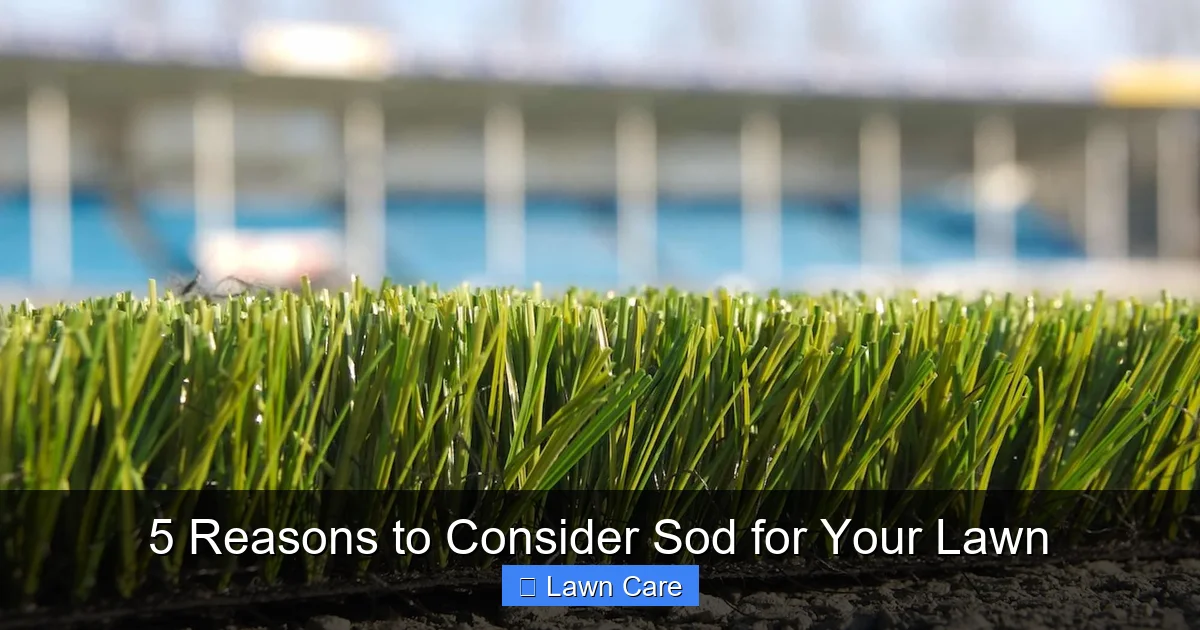
Visual guide about 5 Reasons to Consider Sod for Your Lawn
Image source: elmens.com
Weeds. They are the bane of every homeowner’s existence. Trying to establish a new lawn from seed can feel like an uphill battle against them. Tiny grass seedlings are often no match for aggressive weeds that sprout up quickly. This is where sod shines. A thick, healthy mat of established sod provides an immediate barrier against weed seeds already present in your soil or those that blow in.
A Dense Defense Against Weeds
When sod is laid, the dense root system and thick top growth of the grass effectively crowd out potential weeds. They don’t have the space or the light to establish themselves. This means you’ll spend less time pulling weeds in those crucial early stages and beyond. While no lawn is entirely weed-free, a sodded lawn gets a significant head start in the fight against unwanted greenery.
Reduced Need for Herbicides
Because sod naturally suppresses weeds so effectively, you might find yourself relying less on chemical herbicides. This is not only better for the environment but also for your family and pets. A healthier, more natural approach to weed control starts with a robust and established lawn. Of course, good lawn maintenance practices will always be key, so remember to check out our tips on how to care for your lawn to keep it looking its best.
3. Effective Erosion Control: A Rooted Solution for Slopes and Bare Spots
If you have a sloped yard, areas prone to heavy rain, or any spot where soil tends to wash away, sod is an incredibly effective solution. The dense network of roots in a sod roll acts like a natural anchor, holding the soil in place. This is crucial for preventing erosion and maintaining the integrity of your landscape. Planting grass seed on a slope is a risky endeavor, as the seeds can easily wash away before they even have a chance to germinate.
Stabilizing Your Landscape
Sod creates an immediate living blanket over the soil. This blanket not only looks good but also provides structural stability. For homeowners dealing with erosion issues, sod can be a quick and highly effective way to stabilize problematic areas. It’s particularly useful for areas around downspouts, driveways, or any part of your property that experiences significant water flow.
Protecting Your Property
Erosion can lead to a host of problems, including soil loss, damage to foundations, and unsightly gullies in your yard. By installing sod, you’re actively protecting your property from these issues. The established root system absorbs water, reducing the impact of rainfall, and holds the soil firmly in place. This is especially important in regions with heavy rainfall or during periods of intense storms.
4. Improved Soil Health and Reduced Runoff: A Sponge for Your Yard
Healthy soil is the foundation of a healthy lawn. Sod comes with a built-in advantage: it’s grown on a layer of healthy soil and possesses a robust root system. When you lay sod, you’re essentially bringing a well-established, nutrient-rich soil profile and a strong network of roots to your yard. This can improve the overall structure of your existing soil and enhance its ability to absorb and retain moisture.
The Water Absorption Advantage
The dense root system of sod acts like a sponge. It absorbs water much more efficiently than bare soil or a lawn struggling from seed. This means less water runs off your property and into storm drains, reducing water pollution. It also means your lawn stays hydrated longer, especially during dry spells. Learning how to care for your lawn in dry conditions becomes easier when your lawn has a strong root system to begin with.
Contributing to a Better Ecosystem
By improving soil health and reducing water runoff, sod contributes to a healthier local ecosystem. Healthier soil supports beneficial microorganisms, and reduced runoff means less pollution entering our waterways. It’s a small step for your yard, but a contribution to a larger environmental benefit.
5. A Softer, Safer Play Area: Cushioned Comfort for Family and Friends
For families with children and pets, the texture and safety of a lawn are paramount. Sod provides an instant, naturally cushioned surface that is softer and safer than bare ground or a young, seeded lawn. That thick, springy turf is perfect for running, playing, and tumbling.
A Natural Playground
Imagine kids playing tag, dogs chasing balls, or just enjoying a picnic on a soft, green carpet. Sod provides exactly that. The dense growth and established roots create a comfortable and forgiving surface. This is particularly beneficial in areas where you might otherwise have hard or uneven surfaces that could lead to injuries.
Reduced Mud and Debris
A mature sod lawn also means less mud and dirt tracked into your house. The dense turf acts as a natural barrier, trapping dirt and preventing it from being easily brought indoors. This keeps your home cleaner and reduces the mess associated with kids and pets playing outside. Proper mowing, like learning what is the best time to mow your lawn, will help keep this turf in prime condition.
Considering Sod: Practical Tips for Success
While sod offers many advantages, proper installation and initial care are key to ensuring its success. Here are a few practical tips to keep in mind:
Preparation is Key
Before your sod arrives, prepare your soil. Ensure the ground is level, free of debris, and has been tilled to a depth of at least 4-6 inches. Incorporate a starter fertilizer to give your new sod the best possible nutrients.
Timing Matters
The best time to lay sod is generally during the cooler, wetter months of spring and fall. However, with proper watering, sod can be installed successfully in most seasons.
Watering, Watering, Watering!
This is the most critical step for new sod. Keep the sod consistently moist for the first 2-3 weeks. You’ll need to water deeply and frequently, especially during the initial period. A good sprinkler system is invaluable here; consider looking into the best lawn sprinkler for new sod. After the roots have established, you can gradually reduce watering frequency.
Mowing Safely
Wait until the sod has rooted down – you should be unable to lift a section easily – before mowing. When you do mow, do not cut more than one-third of the grass blade’s height. Ensure your mower blades are sharp for a clean cut. Dull blades can tear the grass, making it susceptible to disease. Learning how to sharpen your lawn mower blade at home can save you money and keep your grass healthy.
Fertilization and Ongoing Care
After the initial establishment period, follow a regular lawn care schedule. This includes proper watering, mowing, and fertilization. Consider using winter fertilizers to prepare your lawn for dormancy or spring fertilizers to encourage growth. For example, if you have Kentucky Bluegrass, exploring the best lawn fertilizers for Kentucky Bluegrass can be very beneficial. Regular lawn maintenance, including aeration and [h3]dethatching[/h3] when necessary, will ensure your sodded lawn remains healthy and beautiful for years to come.
Conclusion
Choosing sod for your lawn is a decision that brings immediate beauty, a wealth of practical benefits, and long-term satisfaction. From its instant visual appeal and superior weed suppression to its effective erosion control and creation of a safe play surface, sod offers a compelling alternative to grass seed. While it might have a higher upfront cost, the time saved, reduced stress, and the immediate, mature aesthetic often make it a worthwhile investment for many homeowners. So, if you’re looking for a quick, reliable, and beautiful way to establish or renovate your lawn, consider giving sod a serious look. Your dream lawn is just a few rolls away!
Frequently Asked Questions
How long does sod take to establish its roots?
New sod typically takes about 2 to 4 weeks to establish its roots into the soil underneath. During this period, consistent watering is crucial to encourage root growth.
Can I lay sod over an existing lawn?
It is generally not recommended to lay sod directly over an existing lawn without proper preparation. You should remove the old grass and weeds, amend the soil, and then lay the new sod for best results.
What is the best time of year to lay sod?
The best times to lay sod are typically in the spring and fall when temperatures are cooler and rainfall is more consistent. This helps reduce stress on the sod and promotes better root establishment.
How often should I water new sod?
You should water new sod daily, or even twice a day, for the first 7-14 days, ensuring the sod and the soil beneath remain moist. Gradually reduce watering frequency as the sod establishes.
What kind of soil is best for laying sod on?
Sod performs best on well-drained soil that is rich in organic matter. It’s important to ensure the soil is properly prepared and loosened before laying sod for optimal root penetration.
What happens if I don’t water new sod enough?
If new sod is not watered sufficiently, it can dry out, turn brown, and the roots may not establish properly, leading to the sod dying and failing to integrate with the soil.