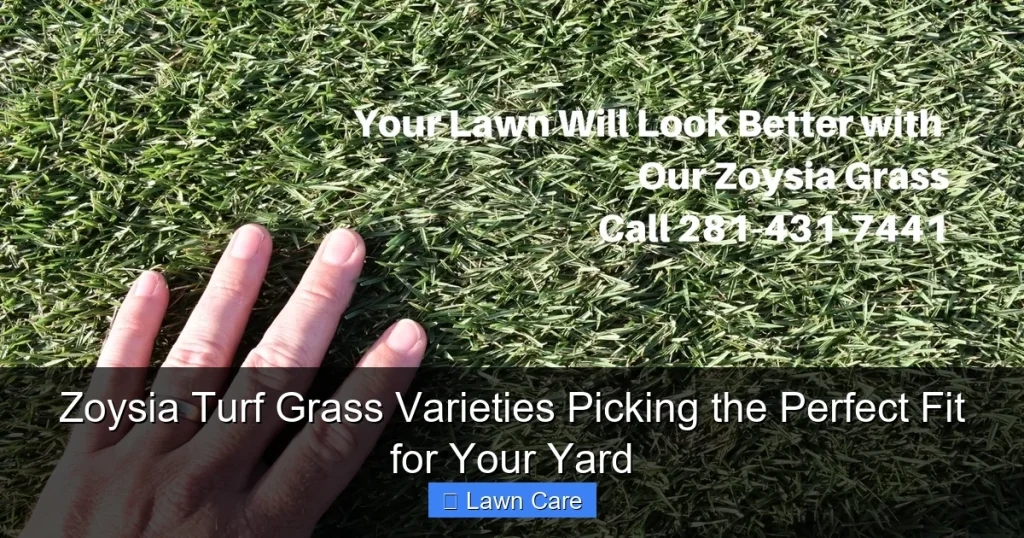
Zoysia grass offers a beautiful, dense, and durable lawn that thrives in warm climates and requires minimal maintenance. Understanding the different Zoysia varieties is key to selecting the ideal grass for your specific needs and yard conditions. From shade tolerance to drought resistance, each type has unique strengths to consider.
So, you’re dreaming of a lush, green carpet of grass that’s tough enough for kids and pets, looks fantastic, and doesn’t demand constant attention? You’ve likely heard about Zoysia grass, and for good reason! It’s a popular choice for homeowners looking for a beautiful, low-maintenance lawn. But here’s the thing: “Zoysia” isn’t just one kind of grass; it’s a whole family of turfgrass varieties, each with its own personality and strengths. Picking the perfect fit for your yard can feel a bit like choosing a new family member – you want one that will thrive in your environment and bring out the best in your home.
Navigating the world of Zoysia can seem a little daunting at first, with names like ‘Meyer’, ‘El Toro’, and ‘Zeon’ being thrown around. But don’t worry, we’re going to break it all down for you. Think of me as your friendly guide, walking you through the unique traits of each major Zoysia variety. We’ll explore what makes them special, where they shine, and how they might be the perfect match for your specific lawn needs. Get ready to transform your yard into a Zoysia paradise!
## Understanding Zoysia Grass: A Warm-Season Champion
Before we dive into the specific varieties, let’s get a general understanding of what makes Zoysia grass so great. Zoysia is a warm-season turfgrass. This means it thrives in warmer climates and enjoys the heat. It grows most vigorously during the hot summer months. When temperatures drop and frost arrives, Zoysia grass naturally goes dormant. This is when it turns a beautiful, rustic brown color. Don’t panic! This is a normal part of its life cycle. As soon as warmer weather returns in the spring, your Zoysia will wake up and green up again.
Zoysia grasses are known for their dense growth habit. They spread via both above-ground (stolons) and below-ground (rhizomes) runners. This dense, interlocking growth makes them incredibly tough and resistant to weeds. Once established, a Zoysia lawn can choke out most unwanted invaders. They are also remarkably drought-tolerant, meaning they can often survive long periods without rain once their root system is well-developed. This low-water requirement makes them a more sustainable choice for many regions. While they are perennial grasses, meaning they come back year after year, their dormancy in cooler months is something to consider. If you’re looking for a grass that stays green year-round, Zoysia might not be your top pick, but its other benefits are hard to beat. For more on the general pros and cons of Zoysia, check out this article on the pros and cons of choosing Zoysia grass.
### Key Characteristics of Zoysia Grass
* **Warm-Season Growth:** Best suited for USDA Plant Hardiness Zones 5-10, with peak performance in Zones 7-9.
* **Dense Thatch Layer:** Can develop a thick thatch, which is a layer of organic matter between the grass blades and the soil. This can be beneficial for cushioning and moisture retention but requires occasional dethatching.
* **Slow Establishment:** Zoysia can take longer to establish than some other grasses because it spreads vegetatively. Be patient; the long-term rewards are worth it.
* **Excellent Wear Tolerance:** Its dense growth makes it highly resistant to foot traffic and play. This is why many athletic fields and high-traffic areas use Zoysia.
* **Good Pest and Disease Resistance:** Generally, Zoysia is less susceptible to common lawn pests and diseases.
## Diving Into the Varieties: Finding Your Perfect Zoysia Match
Now that we understand the basics, let’s get down to the nitty-gritty of the most popular Zoysia turf grass varieties. Each has a slightly different look and feel, and excels in certain conditions.
### ‘Meyer’ Zoysia: The Tried and True Classic
‘Meyer’ Zoysia is probably the most well-known and widely planted Zoysia variety. It was developed by the U.S. Department of Agriculture in the 1950s and has been a lawn favorite ever since. If you’ve ever seen a beautiful, dense, dark green Zoysia lawn, chances are it was ‘Meyer’.
* **Leaf Texture:** ‘Meyer’ has a medium-fine leaf texture. It feels soft to the touch but is still quite robust.
* **Color:** It boasts a rich, dark green color during the growing season.
* **Density and Wear Tolerance:** This is where ‘Meyer’ truly shines. It forms an exceptionally dense turf that can withstand heavy foot traffic. It’s a fantastic choice for areas where kids and pets play.
* **Sunlight Needs:** ‘Meyer’ Zoysia prefers full sun. It needs at least 6-8 hours of direct sunlight per day to look its best. While it has some shade tolerance, its performance will be significantly reduced in shady spots.
* **Drought Tolerance:** It’s quite drought-tolerant once established, making it relatively low-maintenance in terms of watering.
* **Cold Tolerance:** ‘Meyer’ has decent cold tolerance for a warm-season grass, but it will go dormant and turn brown during colder months.
**When to Choose ‘Meyer’:** If you have a sunny yard, need a durable lawn for active families, and want a classic, attractive Zoysia look, ‘Meyer’ is a great bet. It’s a reliable performer that has stood the test of time.
### ‘El Toro’ Zoysia: The Hardy Contender
‘El Toro’ Zoysia is another very popular variety, developed in California. It’s known for its good all-around performance and resilience. ‘El Toro’ is a bit more vigorous in its spread than ‘Meyer’.
* **Leaf Texture:** ‘El Toro’ has a slightly coarser leaf texture than ‘Meyer’, though still considered medium-fine. It’s not as soft as some of the newer, finer-textured Zoysias.
* **Color:** It has a good green color, though some might describe it as a slightly lighter green than ‘Meyer’.
* **Density and Wear Tolerance:** ‘El Toro’ also provides excellent density and good wear tolerance. It’s a strong contender for high-traffic areas. It has a good ability to recover from damage.
* **Sunlight Needs:** Similar to ‘Meyer’, ‘El Toro’ thrives in full sun. It requires at least 6 hours of direct sunlight daily.
* **Drought Tolerance:** ‘El Toro’ is known for its good drought tolerance and can maintain its appearance with less water once established.
* **Establishment Speed:** It tends to establish a bit faster than ‘Meyer’ due to its more aggressive spreading habit.
**When to Choose ‘El Toro’:** If you’re looking for a robust Zoysia that handles moderate to heavy traffic well, has good drought resistance, and establishes a little quicker, ‘El Toro’ is a solid choice. It’s a great all-rounder for sunny locations.
### ‘Zeon’ Zoysia: The Fine-Textured Beauty
For those who prioritize a truly premium look and feel, ‘Zeon’ Zoysia is a standout. It’s one of the newer Zoysia varieties and is often considered a step up in terms of aesthetic appeal.
* **Leaf Texture:** This is where ‘Zeon’ really differentiates itself. It has an exceptionally fine leaf blade, creating a luxurious, soft, and velvety texture. It’s one of the finest textured Zoysias available.
* **Color:** ‘Zeon’ boasts a beautiful, deep, dark green color that stays vibrant throughout the growing season.
* **Density and Wear Tolerance:** While it has a fine texture, ‘Zeon’ is still a dense and durable turfgrass. It offers good wear tolerance, though perhaps not quite as extreme as ‘Meyer’ or ‘El Toro’ in the most heavily trafficked areas.
* **Sunlight Needs:** ‘Zeon’ is one of the more shade-tolerant Zoysia varieties. It can perform well with as little as 4-5 hours of direct sunlight per day, making it suitable for yards with some tree cover. However, it will still perform best in areas receiving more sun. This makes it a more versatile option for yards with partial shade.
* **Drought Tolerance:** It exhibits excellent drought tolerance, requiring minimal watering once established.
* **Disease Resistance:** ‘Zeon’ also shows good resistance to common turf diseases.
**When to Choose ‘Zeon’:** If you desire a high-end, aesthetically pleasing lawn with a soft feel and a deep green color, and you have areas that receive slightly less than full sun, ‘Zeon’ is an excellent choice. It offers a premium look with manageable maintenance.
### ‘Compadre’ Zoysia: The Cold-Tolerant Option
‘Compadre’ Zoysia is a newer hybrid that was developed to offer improved cold tolerance compared to older Zoysia varieties. This makes it a viable option in transitional climate zones where temperatures can dip lower.
* **Leaf Texture:** ‘Compadre’ has a medium leaf texture, similar to ‘Meyer’.
* **Color:** It offers a good green color throughout the growing season.
* **Density and Wear Tolerance:** It provides good density and decent wear tolerance, suitable for most residential use.
* **Sunlight Needs:** Like other Zoysias, ‘Compadre’ prefers full sun but can tolerate some partial shade.
* **Drought Tolerance:** It maintains good drought tolerance once established.
* **Cold Tolerance:** This is its standout feature. ‘Compadre’ can withstand colder temperatures and will stay green longer into the fall than many other Zoysias. It also greens up earlier in the spring. This can give you a slightly extended green season in climates that border the warmer Zoysia zones.
**When to Choose ‘Compadre’:** If you live in a region that experiences cooler winters but still has hot summers, and you want to try Zoysia grass, ‘Compadre’ might be your best bet. Its enhanced cold tolerance can help it perform better and maintain its appearance in transitional climates.
### Other Notable Zoysia Varieties
While the above are the most common, you might encounter other Zoysia varieties like:
* **’Emerald’ Zoysia:** A beautiful, fine-textured variety with a dark green color. It’s known for its aesthetic appeal but is a bit slower to establish and less shade-tolerant than ‘Zeon’.
* **’Innovation’ Zoysia:** Another fine-textured, dark green variety known for its excellent turf quality.
* **’Cavalier’ Zoysia:** Offers good wear tolerance and a medium texture.
## Factors to Consider When Picking Your Zoysia
Choosing the right Zoysia variety goes beyond just liking the name. You need to match the grass to your yard’s specific conditions and your lifestyle.
### Climate and Growing Zone
This is perhaps the most crucial factor. As warm-season grasses, Zoysias thrive in the heat. Ensure your region consistently experiences hot summers. If you’re in a borderline area, varieties like ‘Compadre’ might offer an advantage. Knowing your USDA Hardiness Zone is essential for selecting any grass type. You can find resources online to determine your zone.
### Sunlight Exposure
How much sun does your yard get?
* **Full Sun:** Most Zoysia varieties perform best in full sun (6-8+ hours of direct sunlight). ‘Meyer’, ‘El Toro’, and ‘Compadre’ are excellent choices here.
* **Partial Shade:** If you have trees or structures that cast shade for a significant part of the day, ‘Zeon’ is your best bet among the Zoysias. Even ‘Zeon’ will perform better with more sun, so don’t expect miracles in deep shade. For very shady areas, you might need to explore shade-specific grasses.
### Soil Type and Drainage
Zoysia grasses, in general, are adaptable to a variety of soil types, from sandy to clay. However, they do prefer well-drained soil. Poor drainage can lead to fungal diseases, especially during wet periods. If your yard tends to stay waterlogged, consider amending the soil or improving drainage. Good soil is the foundation for any healthy lawn; learn more about what type of soil is best for healthy grass.
### Intended Use and Traffic Levels
How will you use your lawn?
* **High-Traffic Areas:** For yards with active kids, pets, or frequent outdoor entertaining, look for varieties known for excellent wear tolerance, such as ‘Meyer’ and ‘El Toro’. These grasses can bounce back quickly from abuse. This is related to choosing grass varieties for high-traffic lawns.
* **Aesthetic Appeal:** If your primary goal is a beautiful, manicured look with a soft feel, ‘Zeon’ or ‘Emerald’ might be more appealing.
### Maintenance Preferences
While all Zoysias are considered low-maintenance compared to some other grass types, there are slight differences.
* **Mowing:** Zoysia is typically mowed at a height of 1-2 inches. You’ll need a reliable mower, and knowing how to choose the right lawn mower is important.
* **Fertilization:** Zoysias don’t require heavy fertilization. A light feeding in late spring or early summer is usually sufficient. Consult guides on fertilizing Zoysia grass.
* **Watering:** Once established, Zoysias are drought-tolerant. You’ll only need to water them during extended dry spells. Learn about watering Zoysia grass in summer.
* **Thatch Management:** Due to their dense growth, Zoysias can develop thatch. You may need to dethatch every few years.
## Practical Tips for Choosing and Establishing Your Zoysia
Once you’ve narrowed down your choices, here are some practical steps to take:
1. **Test Your Soil:** Before planting, get a soil test. This will tell you the pH and nutrient levels, allowing you to amend the soil if necessary. This is a crucial step for successful lawn establishment.
2. **Source High-Quality Sod or Seed:** Zoysia is most commonly established from sod or plugs, as seed germination can be slow and inconsistent for many varieties. Ensure you’re buying from a reputable supplier.
3. **Prepare the Site Thoroughly:** Remove all existing weeds and debris. Loosen compacted soil.
4. **Plant at the Right Time:** For Zoysia, the best time to plant is in late spring or early summer when the soil temperatures are consistently warm.
5. **Water Consistently During Establishment:** While Zoysia is drought-tolerant once established, it needs consistent moisture during its first growing season to develop a strong root system.
6. **Be Patient:** Remember that Zoysia spreads and fills in over time. Don’t expect a perfectly uniform lawn overnight.
Choosing the right Zoysia turf grass variety for your yard is an investment in years of beautiful, manageable lawn care. By understanding the unique traits of each type and considering your specific environmental conditions and needs, you can make an informed decision that will lead to a lawn you’ll love. Whether you opt for the classic durability of ‘Meyer’, the hardy resilience of ‘El Toro’, the refined elegance of ‘Zeon’, or the cold-tolerant flexibility of ‘Compadre’, you’re choosing a grass that offers a fantastic blend of beauty and low-maintenance living. So, take your time, do your research, and get ready to enjoy the rewards of a perfect Zoysia lawn!
- Zoysia grasses are warm-season grasses that perform best in warmer climates and go dormant (turn brown) in cooler temperatures.
- Each Zoysia variety has distinct characteristics regarding leaf blade texture, density, color, and growth habit.
- ‘El Toro’ Zoysia is known for its good drought tolerance and ability to recover from wear, making it suitable for moderate-traffic areas.
- ‘Meyer’ Zoysia is a popular, well-established variety offering excellent density, wear resistance, and a fine texture.
- ‘Zeon’ Zoysia is prized for its exceptionally fine texture, dark green color, and good shade tolerance compared to other Zoysias.
- ‘Compadre’ Zoysia is a newer, cold-tolerant variety that can extend the growing season and perform better in transitional climate zones.
- Consider your climate, sunlight exposure, soil type, and desired aesthetic when choosing the right Zoysia turf grass variety for your yard.
Quick Answers to Common Questions
What is the main difference between Zoysia varieties?
The main differences lie in their leaf blade texture (fine to medium-coarse), color (dark green to lighter green), density, shade tolerance, and cold tolerance. Some varieties are bred for specific traits like faster establishment or better disease resistance.
Can Zoysia grass grow in shade?
Most Zoysia varieties prefer full sun. However, ‘Zeon’ Zoysia is known for its relatively good shade tolerance and can perform well with 4-5 hours of direct sunlight, unlike many other Zoysias that require 6-8 hours or more.
How long does it take for Zoysia grass to establish?
Zoysia grass spreads relatively slowly through rhizomes and stolons. It can take 2-3 years for a Zoysia lawn to become fully established and reach its mature density, especially when planted from seed or plugs.
Does Zoysia grass go dormant in the winter?
Yes, Zoysia is a warm-season grass and will go dormant in cooler temperatures, turning brown. It will naturally green up again in the spring as temperatures rise.
Is Zoysia grass good for pets and kids?
Yes, Zoysia grass is an excellent choice for families with pets and children. Its dense, tough growth habit makes it very durable and resistant to wear and tear. It also forms a soft cushion, which is comfortable for playing.
Frequently Asked Questions
Which Zoysia variety is best for high-traffic areas?
Varieties like ‘Meyer’ and ‘El Toro’ Zoysia are highly recommended for high-traffic areas due to their exceptional density and ability to withstand heavy foot traffic and recover quickly from wear and tear.
Can I plant Zoysia grass seed in a cool climate?
While Zoysia is a warm-season grass, varieties like ‘Compadre’ offer improved cold tolerance and may be suitable for transitional zones bordering cooler climates. However, it’s essential to research the specific hardiness of the variety for your region.
How often should I water Zoysia grass?
Once established, Zoysia is very drought-tolerant and requires minimal watering, usually only during extended dry periods. Avoid overwatering, which can lead to disease. Check the soil moisture a few inches down to determine if watering is needed.
What is the difference in texture between ‘Zeon’ and ‘Meyer’ Zoysia?
‘Zeon’ Zoysia is known for its exceptionally fine leaf blade texture, giving it a very soft and luxurious feel. ‘Meyer’ Zoysia has a medium-fine leaf texture that is still dense and durable but not as fine or soft as ‘Zeon’.
When is the best time to fertilize Zoysia grass?
The ideal time to fertilize Zoysia grass is in late spring or early summer, as it enters its peak growing period. Avoid fertilizing when the grass is dormant or under severe stress.
Does Zoysia grass choke out other weeds effectively?
Yes, Zoysia grass forms a very dense turf as it spreads, which makes it highly effective at outcompeting and choking out most common weeds once it is well-established. This density is one of its major benefits for weed control.