
Choosing between Zoysia and Bermuda grass for your lawn involves understanding their unique strengths. Bermuda grass offers rapid growth and excellent durability, making it ideal for high-traffic areas. Zoysia grass, on the other hand, boasts superior shade tolerance and a finer texture, creating a lush, dense carpet. Ultimately, the “winner” depends on your specific climate, desired aesthetics, and the level of care you’re willing to provide.
Key Takeaways
- Bermuda grass excels in full sun and high traffic, recovering quickly from wear and tear.
- Zoysia grass offers better shade tolerance than Bermuda, making it more versatile in partially shaded yards.
- Both are warm-season grasses, thriving in heat and becoming dormant in cooler temperatures.
- Zoysia typically has a finer texture and denser growth habit, creating a more manicured look.
- Bermuda grass spreads aggressively and can be difficult to control if it invades garden beds.
- Drought tolerance varies, but both are generally good once established. Zoysia might have a slight edge in extreme heat with less water.
- Maintenance needs differ; Bermuda often requires more frequent mowing and fertilization, while Zoysia is generally lower maintenance.
Quick Answers to Common Questions
What is the main difference between Zoysia and Bermuda grass?
The main differences lie in their shade tolerance and growth rate. Bermuda grass thrives in full sun and grows very aggressively, while Zoysia grass tolerates partial shade and grows at a slower, more controlled pace.
Which grass is better for high-traffic areas?
Bermuda grass is generally considered superior for high-traffic areas due to its rapid growth and excellent ability to recover quickly from damage and wear.
Which grass is more drought-tolerant?
Both are highly drought-tolerant once established. Zoysia grass might have a slight edge in its ability to conserve moisture and maintain greenness during prolonged dry periods.
Is Zoysia or Bermuda grass easier to maintain?
Zoysia grass is typically easier to maintain. It requires less frequent mowing and fertilization compared to Bermuda grass, which is known for being more high-maintenance.
Which grass provides a finer texture?
Zoysia grass is known for its finer texture and denser, more uniform growth habit, giving it a softer, more luxurious feel compared to the sometimes coarser texture of Bermuda grass.
📑 Table of Contents
- Zoysia Grass Vs Bermuda: Who Wins The Battle For Your Lawn?
- Understanding The Warm-Season Grasses
- Sunlight and Shade Tolerance: A Key Differentiator
- Drought Tolerance and Water Needs
- Wear Tolerance and Recovery
- Pest and Disease Resistance
- Maintenance: Mowing, Fertilizing, and Edging
- Establishment and Spreading Habits
- So, Who Wins the Battle?
Zoysia Grass Vs Bermuda: Who Wins The Battle For Your Lawn?
So, you’re on the hunt for the perfect grass to blanket your yard. The sun is shining, the temperatures are rising, and you’ve narrowed it down to two popular contenders: Zoysia and Bermuda grass. Both are champions in the warm-season grass arena, known for their ability to thrive in heat and create beautiful, green carpets. But which one is the ultimate victor for *your* lawn? It’s not as simple as declaring one a clear winner. The truth is, the best grass for you depends entirely on your specific needs, your climate, and the kind of lawn you dream of. Let’s dive into the nitty-gritty of Zoysia grass vs Bermuda to help you make the most informed decision for your outdoor oasis.
Navigating the world of turfgrass can feel like a complex mission. You want a lawn that’s not just green, but resilient, beautiful, and relatively easy to care for. Zoysia and Bermuda grass are often at the top of the list for homeowners in warmer regions. They share some similarities, but their differences can be the deciding factor. Understanding these nuances is key to achieving that picture-perfect lawn you’ve always wanted. This article aims to break down the battle between Zoysia grass and Bermuda, giving you the insights you need to crown your personal champion. We’ll explore their growth habits, their resilience, their maintenance needs, and much more.
Understanding The Warm-Season Grasses
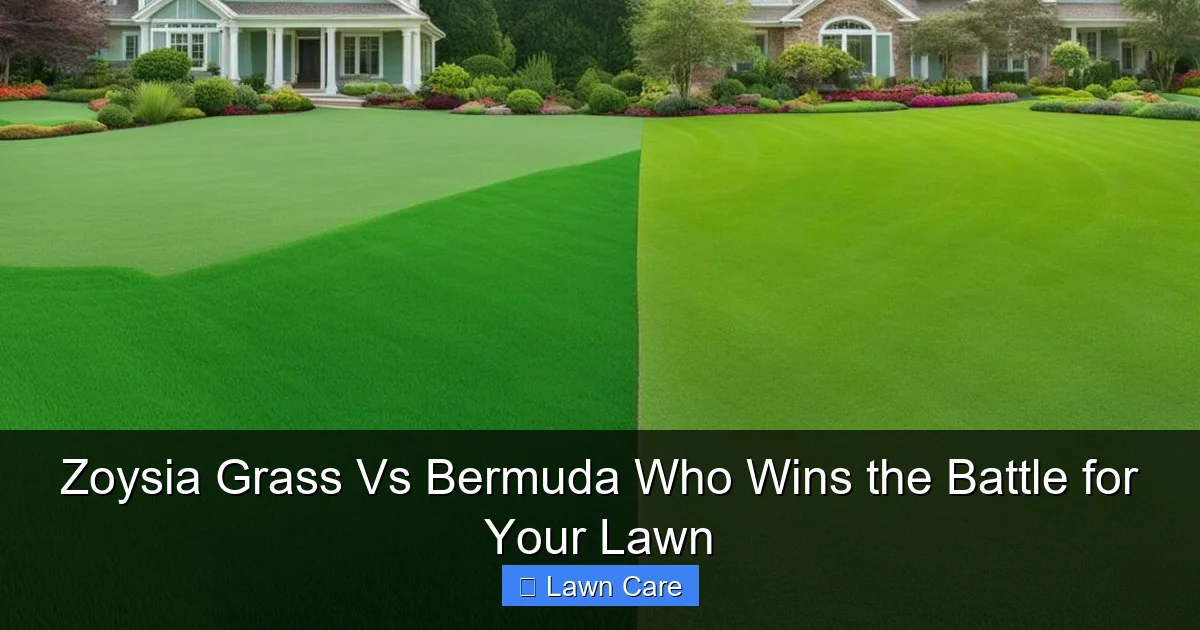
Visual guide about Zoysia Grass Vs Bermuda Who Wins the Battle for Your Lawn
Image source: everythingbackyard.net
Before we pit them against each other, let’s set the stage. Both Zoysia and Bermuda grass fall into the category of “warm-season” grasses. This means they flourish in hot weather, typically performing best when soil temperatures are consistently above 70°F. They grow actively during the spring and summer months and enter a dormant state, turning brown, when temperatures drop significantly in the fall and winter. If you live in a region with harsh, freezing winters, these grasses will likely go dormant. This is a crucial point to consider when deciding which type of grass is best for your climate. You can find more detailed information on choosing the right grass type for your climate in our [article](https://lawnhelpful.com/what-is-the-best-grass-type-for-your-climate/).
Bermuda Grass: The Speedster
Bermuda grass is known for its aggressive growth and incredible durability. It spreads rapidly via both rhizomes (underground stems) and stolons (above-ground runners), quickly filling in bare patches. This makes it an excellent choice for high-traffic areas like play areas, pet yards, or sports fields where the grass faces a lot of wear and tear. It’s a sun-worshipper, needing at least 6-8 hours of direct sunlight daily to maintain its vibrant green color and dense growth. When it’s happy, Bermuda grass forms a thick, dense turf that can crowd out many weeds.
Zoysia Grass: The Elegant Weaver
Zoysia grass is a bit more laid-back than Bermuda but equally impressive. It also spreads via rhizomes and stolons, but at a slower pace than Bermuda. This slower spread means it’s less likely to invade your flower beds and vegetable gardens. Zoysia is renowned for its fine texture and its ability to form a very dense, interlocking growth pattern. This density makes it incredibly resistant to weeds and gives it a luxurious, carpet-like appearance. While it loves sun, Zoysia has a notable advantage: it’s significantly more shade-tolerant than Bermuda grass.
Sunlight and Shade Tolerance: A Key Differentiator
This is where one of the most significant differences between Zoysia grass and Bermuda becomes apparent. If your lawn is bathed in full, unrelenting sun for most of the day, both grasses can perform exceptionally well. However, if you have areas in your yard that receive partial shade, or if your lawn is bordered by trees that cast shadows, Zoysia grass often emerges as the preferred choice.
Bermuda’s Sun Dependency
Bermuda grass absolutely thrives in full sun. It needs that direct sunlight to photosynthesize efficiently and maintain its lush, green appearance. In shaded areas, Bermuda grass will struggle. It will become thin, weak, and more susceptible to diseases and weed encroachment. If you have a yard with significant tree cover or North-facing slopes that don’t get much direct sun, Bermuda grass is likely not your best bet.
Zoysia’s Adaptability
Zoysia grass, while still preferring full sun, can tolerate a decent amount of shade. It can handle areas that receive about 4-6 hours of direct sunlight per day, and some varieties can even do reasonably well with less. This makes Zoysia a more versatile option for yards that have a mix of sunny and shady spots. The grass might not grow quite as densely in the shade as it does in full sun, but it will generally remain healthier and greener than Bermuda would in the same conditions. For a comprehensive look at the pros and cons of Zoysia, check out our article on [pros and cons of choosing Zoysia grass](https://lawnhelpful.com/pros-and-cons-of-choosing-zoysia-grass-for-your-lawn/).
Drought Tolerance and Water Needs
Both Zoysia and Bermuda grass are known for their excellent drought tolerance once established. This is a major advantage over cool-season grasses, especially for homeowners in drier climates or those looking to conserve water. However, there are subtle differences in how they handle dry spells.
Bermuda’s Thirst Quencher
When Bermuda grass experiences drought, its leaves may turn a grayish-green, and it can go dormant, turning brown. However, it has a deep root system that allows it to seek out moisture deep in the soil. This means that once rainfall returns or you irrigate, Bermuda grass typically greens up and recovers very quickly. It’s remarkably resilient in drought conditions, but consistent watering during extreme dry spells will keep it looking its best.
Zoysia’s Water-Wise Nature
Zoysia grass is also incredibly drought-tolerant. Its dense growth habit and thicker leaf blades help it conserve moisture. It can often go longer without water than Bermuda grass and still maintain a good green color. When Zoysia does go dormant due to severe drought, it tends to do so gracefully, and it also recovers well once water is available. Some experts suggest Zoysia may have a slight edge in drought tolerance over Bermuda, especially in prolonged periods of heat and dryness, due to its overall hardiness and lower water retention needs once established.
Wear Tolerance and Recovery
If your lawn sees a lot of action – kids playing, dogs running, or even just frequent foot traffic – wear tolerance is a critical factor. This is where Bermuda grass truly shines.
Bermuda: The Toughest Contender
Bermuda grass is a powerhouse when it comes to withstanding foot traffic and recovering from damage. Its rapid growth rate and dense, spreading nature allow it to heal quickly from divots, scuffs, and bare spots caused by heavy use. If you have a family with active children or pets, or if you frequently entertain outdoors, Bermuda grass is an excellent choice for its sheer durability. It can bounce back from almost anything.
Zoysia: Resilient but Slower to Recover
Zoysia grass is also quite wear-tolerant, especially once it’s fully established and has formed a dense mat. Its interlocking growth makes it resistant to thinning from traffic. However, its recovery rate is generally slower than Bermuda’s. If a Zoysia lawn is heavily damaged, it might take longer for the grass to fill in those bare areas compared to its Bermuda counterpart. For this reason, Bermuda often gets the nod for the most heavily trafficked areas.
Pest and Disease Resistance
Both Zoysia and Bermuda grass are generally quite resistant to many common lawn pests and diseases, which is one of the reasons they are so popular. However, like any living organism, they aren’t entirely immune.
Bermuda’s Vulnerabilities
While generally tough, Bermuda grass can sometimes be susceptible to certain lawn diseases like dollar spot and brown patch, especially under stress from improper watering or fertilization. It can also be prone to insect infestations such as grubs and chinch bugs. Proper lawn care, including appropriate [fertilization](https://lawnhelpful.com/whats-the-best-fertilizer-for-bermuda-grass/) and timely [weed control](https://lawnhelpful.com/what-is-the-best-weed-killer-for-bermuda-grass/), can help prevent many of these issues.
Zoysia’s Fortitude
Zoysia grass is often considered to be even more resistant to pests and diseases than Bermuda grass. Its dense growth habit makes it difficult for many pests to penetrate, and it’s less prone to common fungal diseases. This increased resilience contributes to its reputation as a relatively low-maintenance option once established.
Maintenance: Mowing, Fertilizing, and Edging
The amount of effort you’re willing to put into your lawn is a significant consideration. While both are warm-season grasses, their maintenance requirements do have some differences.
Bermuda Grass: The High-Energy Grass
Bermuda grass is known for being a bit of a high-maintenance grass. It often requires more frequent mowing, especially during its peak growing season, to maintain a neat appearance. It also benefits from regular fertilization to stay vibrant and healthy. Because it spreads so aggressively, you might find yourself needing to edge more often to keep it from creeping into unwanted areas. Learning [how to care for Bermuda grass](https://lawnhelpful.com/how-to-care-for-bermuda-grass-lawn/) is key to its success. Many homeowners opt for a reel mower for Bermuda grass to achieve that perfectly manicured look, as it can cut the grass blades cleanly at lower heights.
Zoysia Grass: The More Relaxed Option
Zoysia grass, while it can be mowed low, generally doesn’t require mowing as frequently as Bermuda. Its slower growth rate means you can often get away with mowing every 10-14 days during the peak season. It also typically requires less fertilization than Bermuda. Its slower spreading habit means less edging is needed to keep it in line. This makes Zoysia a fantastic choice for homeowners who want a beautiful lawn but prefer a less labor-intensive approach.
Establishment and Spreading Habits
The way these grasses establish and spread can impact how quickly you get a full lawn and how they behave in your landscape.
Bermuda: The Rapid Colonizer
Bermuda grass establishes quickly, especially when planted from sod or plugs. Seeded varieties are available but can take longer to fill in. Its aggressive spreading habit is a double-edged sword. It means quick coverage, but it also means it can be a weed in itself if it starts encroaching on your flower beds, pathways, or vegetable gardens. Getting rid of Bermuda grass when it’s unwanted can be a significant challenge.
Zoysia: The Patient Weaver
Zoysia grass is typically established from sod, plugs, or seed. Seeded varieties can take a while to reach full maturity. Its slower spreading habit means it takes longer to establish a full, dense lawn from plugs or sod compared to Bermuda. However, this slower, more controlled spread is often seen as a positive. It’s less likely to become an invasive nuisance in other parts of your yard, making it easier to manage its boundaries.
So, Who Wins the Battle?
The truth is, there’s no single winner in the Zoysia grass vs Bermuda debate. The “winner” is the grass that best suits your specific lawn conditions and your personal preferences.
* **Choose Bermuda grass if:**
* Your lawn receives full sun all day long.
* You have a high-traffic area that needs to withstand a lot of wear and tear.
* You want a lawn that recovers very quickly from damage.
* You don’t mind a bit more mowing and fertilization to keep it looking its best.
* You live in a climate with hot summers and mild winters.
* **Choose Zoysia grass if:**
* Your lawn has some areas of partial shade.
* You prefer a finer texture and a more manicured, luxurious look.
* You want a dense turf that effectively crowds out weeds.
* You prefer a lower-maintenance lawn with less frequent mowing and fertilizing.
* You want a grass that is less likely to invade garden beds.
* You live in a climate with hot summers and mild winters.
Ultimately, both Zoysia and Bermuda grass can create beautiful, functional lawns in the right environments. Understanding their strengths and weaknesses will empower you to make the perfect choice for your outdoor space. If you’re still unsure, consider looking at [how to tell the difference between Zoysia and Bermuda grass](https://lawnhelpful.com/how-to-tell-the-difference-between-zoysia-and-bermuda-grass/) to better identify what you currently have or what you’re looking at. Making the right choice now will save you time, money, and frustration down the road, leading to a lawn you can truly be proud of.
Frequently Asked Questions
When is the best time to plant Zoysia or Bermuda grass?
The best time to plant both Zoysia and Bermuda grass is in the late spring or early summer when the soil temperatures are consistently warm. This allows them ample time to establish before the cooler weather arrives.
Will Zoysia or Bermuda grass die in the winter?
No, they won’t die. Zoysia and Bermuda grass are warm-season grasses that go dormant in the winter. They will turn brown but will typically green up again in the spring as temperatures rise.
Can Bermuda grass invade my garden beds?
Yes, Bermuda grass spreads aggressively via rhizomes and stolons, making it prone to invading garden beds and other unwanted areas. Zoysia grass spreads more slowly and is less likely to become invasive.
How often should I mow Zoysia and Bermuda grass?
Bermuda grass typically needs mowing more frequently, often every 3-5 days during its peak growing season to maintain its best appearance. Zoysia grass can usually be mowed every 7-14 days.
What are the signs of drought stress in these grasses?
Signs of drought stress include a grayish-green color or a bluish-gray tint to the leaves. Both grasses may go dormant and turn brown during severe drought, but they will recover with water.
Which grass is better for homeowners who travel frequently?
For homeowners who travel frequently, Zoysia grass might be a better option. Its slower growth rate and lower maintenance needs mean it will require less attention and intervention while you are away.