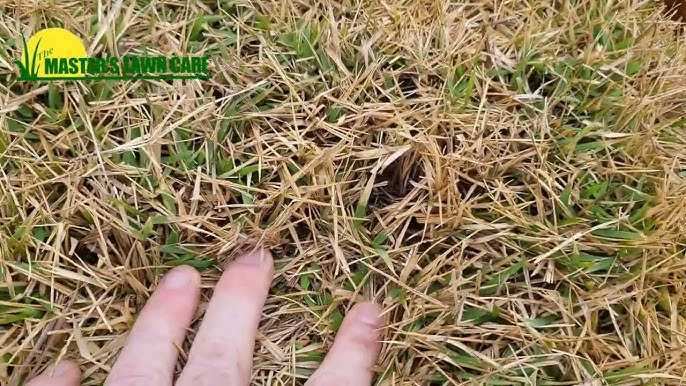
If your lush Zoysia grass is turning brown, don’t panic—there are common reasons and easy fixes to restore its vibrant green. The quick answer is to identify whether the browning is due to drought, overwatering, pests, or disease, then address these issues accordingly. Regular maintenance and proper watering practices can revive your lawn and keep it healthy and green.
Zoysia grass turning brown can be alarming, but it’s often fixable with some simple steps. This issue might stem from environmental stress, such as drought or excessive moisture, or from pests and disease. Understanding the root cause allows you to take targeted action—be it adjusting watering routines, aerating the soil, or applying appropriate treatments. With a little effort, you can bring your Zoysia back to life and enjoy a gorgeous, green lawn once again.
If you notice your Zoysia grass browning, act quickly to diagnose the problem before it worsens. Maintaining proper watering schedules, avoiding over-fertilizing, and keeping pests in check are key. Knowing the common causes and solutions can help you diagnose and fix the issue, ensuring your lawn remains lush and healthy throughout the seasons.

Zoysia Grass is Turning Brown: Causes, Solutions, and Tips to Keep Your Lawn Green
Understanding Why Zoysia Grass Turns Brown
Zoysia grass is a popular choice for lawns because it is hardy and drought-resistant. However, it can sometimes turn brown, which worries many homeowners. Browning usually signals that something is off with the grass’s health or environment.
Several factors can cause zoysia grass to brown, from weather changes to improper watering. Recognizing these causes quickly helps in restoring your lawn’s lush green color.
Common Causes of Browning in Zoysia Grass
1. Drought Stress
Zoysia grass is drought-tolerant but still needs some water to stay healthy. During hot and dry weather, the grass may turn brown as a sign of water shortage. This is a protective response to conserve moisture.
2. Overwatering
Although drought stress causes browning, overwatering can also harm zoysia. Excess water leads to poor drainage and root rot, causing patches of brown grass. Proper watering balances moisture levels for optimal growth.
3. Soil Problems
Poor soil drainage or unsuitable soil pH can hinder grass growth. Soil that is too acidic or alkaline may prevent roots from absorbing necessary nutrients, leading to browning areas.
4. Pest Infestation
Insects like grubs and chinch bugs feed on zoysia roots, damaging the plant. Infested patches often turn brown and may feel spongy or soft when touched.
5. Disease Issues
Fungal diseases such as leaf spot or brown patch can cause discoloration. These diseases thrive in warm, moist conditions and require prompt treatment.
6. Nutrient Deficiencies
Lack of essential nutrients like nitrogen, potassium, or iron can cause poor growth and browning. Regular fertilization helps prevent deficiencies.
7. Cut Height and Mowing Practices
Cutting zoysia grass too short or uneven mowing can stress the plants. Proper mowing height is crucial to keeping the grass healthy and green.
How to Diagnose the Problem
| Symptom | Possible Cause | Action |
|---|---|---|
| Patchy brown areas with soft texture | Pest infestation or disease | Inspect soil and grass, treat pests or fungal problems |
| Brown tips or edges but green center | Fertilizer deficiency or drought stress | Test soil, feed with appropriate fertilizer, and water adequately |
| Uniform brown color | Overwatering or root rot | Check soil drainage, allow soil to dry, aerate if needed |
Effective Solutions to Reverse Browning
Water Properly
Water deeply and infrequently to encourage deep roots. Aim for about 1 to 1.5 inches of water weekly, depending on your climate. Always water early in the morning to reduce evaporation and fungal issues.
Adjust Mowing Height
Maintain a mowing height of around 1.5 to 2 inches for zoysia. Never cut more than one-third of the grass height at once. Proper mowing reduces stress and encourages healthy growth.
Improve Soil Conditions
Test your soil’s pH and nutrient levels before adding amendments. Use lime to raise pH if too acidic or sulfur to lower pH if alkaline. Incorporate organic matter like compost to enhance soil fertility.
Pest and Disease Management
If pests are present, use targeted insecticides or natural predators. For fungal infections, apply fungicides specifically formulated for lawns. Remove debris and thatch to reduce disease spread.
Fertilize Correctly
Apply a balanced fertilizer that supplies nitrogen, potassium, and iron in spring and summer. Follow the recommended application rates to avoid overfeeding, which can promote disease.
Control Weeds and Thatch
Use manual weeding or appropriate herbicides to reduce competition. Aerate your lawn annually to break compacted soil and remove excess thatch buildup.
Tips for Maintaining a Healthy Zoysia Lawn
- Water early in the day to prevent fungal growth.
- Mow regularly at the correct height.
- Fertilize according to seasonal needs.
- Address pests and diseases promptly.
- Test and improve soil conditions annually.
Preventative Measures to Keep Zoysia Green
Regular Soil Testing
Testing soil every year helps you understand its composition and adjust care accordingly. Use at-home test kits or professional services for accurate results.
Consistent Watering Schedule
Establish a watering routine that keeps your lawn moist but not waterlogged. Adjust based on weather conditions and soil type.
Correct Mowing Practices
Maintain the recommended mowing height year-round to reduce stress and promote dense, green growth.
Proper Fertilization
Use slow-release fertilizers and follow seasonal schedules for best results. Avoid over-fertilizing, which can cause thatch buildup and disease.
Seasonal Lawn Care
Prepare your lawn for winter by reducing watering and fertilizing. In spring, focus on revitalization with necessary nutrients and aeration.
Related Topics for a Thriving Zoysia Lawn
- Best fertilizers for zoysia grass
- How to control pests in lawns
- DIY lawn aeration techniques
- Secrets to drought-tolerant turf grass
- Tips for winterizing your lawn
Summary of Key Points
Understanding why zoysia grass turns brown is essential to maintaining a lush, green lawn. Whether caused by watering issues, pests, or soil problems, identifying the root cause allows you to select the correct treatment. Regular care practices, such as proper watering, mowing, fertilizing, and soil management, can prevent browning and keep your grass healthy.
By following the guidelines outlined above, you can ensure your zoysia lawn remains vibrant and resilient throughout the seasons. Consistent attention and timely action are key to reversing brown patches and promoting vigorous growth.
How to Improve Your Zoysia Grass | How to Fix a Crappy, Thin, and Brown Zoysia Lawn!!
Frequently Asked Questions
Why does my Zoysia grass start turning brown during the growing season?
Often, brown patches in Zoysia grass during the growing season result from environmental stresses such as drought, high temperatures, or inadequate watering. Insufficient water causes the grass to go dormant to conserve moisture, leading to browning. Ensure you’re watering deeply and regularly, especially during hot, dry periods, to maintain healthy, green turf.
Could improper mowing be causing my Zoysia grass to turn brown?
Yes, mowing too short or using dull blades can stress Zoysia grass and cause it to turn brown. Cutting the grass at the appropriate height, usually around 1 to 2 inches, helps the grass stay healthy and resist stress. Regularly sharpen your mower blades and avoid cutting more than one-third of the grass height at a time.
How does soil health influence the browning of Zoysia grass?
Soil conditions like poor drainage, low nutrient levels, or compacted soil hinder root growth and water absorption, leading to browning. Conduct soil tests to identify deficiencies and amend the soil with proper fertilizers or organic matter. Improving soil aeration and drainage also promotes healthy root development and lush green growth.
Can pest or disease issues cause Zoysia grass to turn brown?
Yes, pests such as grubs or certain fungal infections can damage the grass, resulting in brown patches. Regular inspections, proper pest control, and timely treatment with suitable fungicides help manage these issues. Maintaining lawn health through proper watering and fertilization also strengthens the grass’s resistance to pests and diseases.
What steps should I take to revive brown Zoysia grass patches?
Start by assessing your watering habits, ensuring you water deeply and infrequently to encourage deep root growth. Aerate the soil if it’s compacted, and apply appropriate fertilizers to boost growth. Reseed or overseed bare patches and keep foot traffic to a minimum until the grass recovers. Proper maintenance and patience help restore your lawn’s health.
Final Thoughts
Zoysia grass is turning brown often indicates stress from drought, poor soil, or inadequate fertilization. These issues weaken the grass, causing discoloration and patchiness. Addressing watering habits and soil health can quickly revive your lawn.
Regular maintenance keeps zoysia lush and vibrant, preventing it from turning brown. Proper aeration and timely fertilization play vital roles in maintaining its health.
In summary, understanding why zoysia grass is turning brown helps you take immediate corrective steps. Consistent care restores its green, healthy appearance and ensures a beautiful yard.