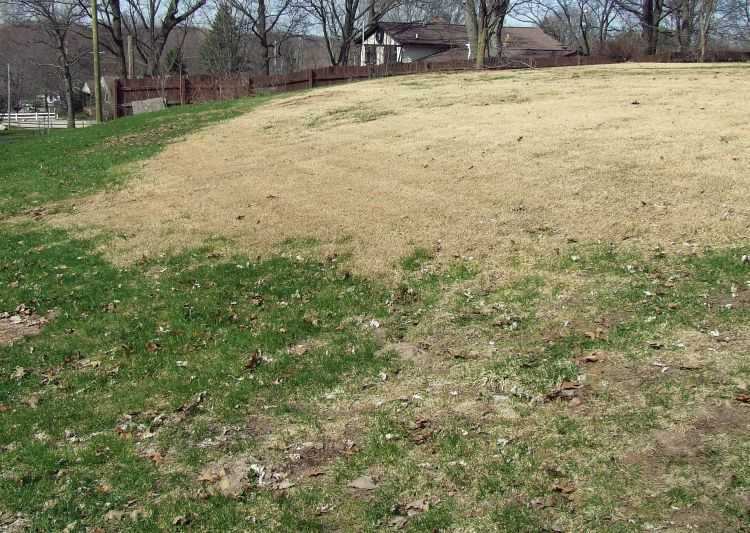
If your zoysia grass is turning brown, don’t panic—it’s often a sign of environmental stress or improper care. The good news is, with the right adjustments, you can bring your lawn back to lush, green health. In most cases, brown patches are caused by factors like drought, over-fertilization, pests, or disease, all of which are manageable once identified. Addressing watering habits, aerating the soil, and applying the correct fertilizers can restore your zoysia’s vibrant color. Keep reading to learn how to diagnose the problem accurately and take effective steps to revive your beautiful lawn.
Zoysia grass turning brown is usually due to environmental stressors or improper maintenance. To fix this, assess watering routines, soil health, and pests, then adjust your care practices accordingly. With patience and proper treatment, your lawn can recover and regain its attractive green hue.
If your zoysia grass is brown, it’s likely suffering from drought, overwatering, or damage from pests or disease. Ensuring proper watering, avoiding over-fertilization, and treating pests or fungal issues will help restore its health. Regular lawn maintenance and timely interventions are key to bringing your zoysia back to life and keeping it lush and vibrant.

Zoysia Grass is Brown: Understanding and Fixing the Problem
What Does It Mean When Zoysia Grass Is Brown?
When zoysia grass turns brown, it often signals that something is wrong. Usually, healthy zoysia grass is lush and green, so brown patches can be a sign of stress or disease. Recognizing what brown color indicates helps homeowners take quick action to restore their lawn.
Common Causes of Brown Zoysia Grass
1. Lack of Water and Drought Stress
One of the main reasons zoysia grass turns brown is insufficient watering. During dry spells or heatwaves, the grass may lose moisture and go dormant to conserve resources. Brown patches are often a sign that the grass needs more consistent watering.
2. Overwatering and Poor Drainage
While dry conditions can cause browning, too much water can be just as harmful. Overwatering causes water to pool around the roots, leading to root rot and fungal diseases. Proper drainage is essential for maintaining healthy, green zoysia grass.
3. Nutrient Deficiency
Grass lacking essential nutrients like nitrogen, potassium, or phosphorus can turn brown. Soil testing can reveal deficiencies, and applying the right fertilizers can help the grass regain its green color.
4. Disease and Pest Infestation
Fungal infections such as brown patch or dollar spot can cause patches of brown grass. Similarly, pests like grubs or chinch bugs damage roots and blades, leading to browning areas on the lawn.
5. Inappropriate Mowing Practices
Mowing too low or with dull blades can stress zoysia grass. When blades are cut unevenly or too short, the grass becomes vulnerable to disease and browning.
6. Extreme Temperatures and Sunlight
High temperatures and intense sunlight can dry out the grass, especially if it’s not adequately watered. Conversely, cold weather can cause dormancy, turning the grass brown temporarily.
Diagnosing Why Your Zoysia Grass Is Brown
To effectively fix the browning issue, identify the root cause. Start by examining watering habits, soil health, and signs of pests or disease. Checking the grass height and recent weather patterns provides additional clues. A step-by-step diagnosis can save time and prevent incorrect treatments.
Ways to Revive Brown Zoysia Grass
1. Adjust Watering Schedules
Ensure zoysia grass gets about 1 to 1.5 inches of water weekly, including rainfall. During hot months, water more frequently to keep the grass hydrated. Avoid overwatering to prevent fungal issues.
2. Improve Soil Health
Test the soil to determine nutrient levels and pH balance. Based on results, apply a balanced fertilizer rich in nitrogen, which promotes green growth. Organic compost also helps improve soil structure and moisture retention.
3. Aerate and Dethatch the Lawn
Compacted soil restricts airflow, water, and nutrients. Aeration creates small holes that allow roots to breathe and access nutrients. Dethatching removes excess thatch which can hinder water and nutrient penetration.
4. Manage Pests and Diseases
If pests or diseases are detected, use appropriate treatments. Fungicides can control fungal infections, while insecticides target pests. Always follow instructions carefully to avoid damaging the grass further.
5. Adjust Mowing Habits
Maintain a mowing height of about 1.5 to 2 inches for zoysia grass. Use sharp blades and avoid cutting more than one-third of the grass height at a time. Regular mowing encourages healthy, dense growth.
6. Apply Overseeding and Lawn Repair
If patches of grass are too damaged, overseeding can fill in bare areas. Use a seed blend suitable for zoysia grass and keep soil moist until new grass establishes.
Preventative Tips for Maintaining a Green Zoysia Lawn
- Water deeply and infrequently to encourage deep roots
- Fertilize during the growing season with a balanced lawn fertilizer
- Keep mower blades sharp for clean cuts
- Practice regular aeration and dethatching
- Monitor for pests and treat promptly
- Ensure proper soil drainage and avoid overwatering
Related Topics for a Healthy Lawn
Choosing the Right Fertilizer for Zoysia Grass
Select fertilizers with the proper ratio of nitrogen, phosphorus, and potassium. Slow-release fertilizers help maintain consistent color and growth.
Understanding Zoysia Grass Varieties
Some varieties are more drought-tolerant or cold-hardy. Selecting the right type for your location reduces the risk of browning and promotes lush growth.
Seasonal Lawn Care Tips
Adjust watering, mowing, and fertilizing routines based on the season. Proper seasonal care helps prevent stress and maintains vibrant, green grass year-round.
Soil Testing and Lawn Maintenance
Regular soil testing provides vital information on nutrient levels and pH. Amendments can be made accordingly to optimize grass health.
Summary
A brown zoysia lawn can be corrected with proper diagnosis and targeted actions. Consistent watering, soil improvement, pest management, and correct mowing are the keys to restoring its healthy green color. Understanding these factors helps keep your lawn beautiful and resilient all year long.
How to Improve Your Zoysia Grass | How to Fix a Crappy, Thin, and Brown Zoysia Lawn!!
Frequently Asked Questions
What are the common causes of brown patches in zoysia grass?
Brown patches in zoysia grass often result from inadequate watering, drought stress, or excessive heat. Poor soil drainage can lead to root rot, causing the grass to turn brown. Over-fertilization, especially with high nitrogen levels, may also stress the grass and contribute to browning. Additionally, pest infestations or fungal diseases can weaken the grass, leading to brown areas.
How can I revive my brown zoysia grass?
To revive brown zoysia grass, start by adjusting your watering schedule to ensure the soil remains consistently moist but not waterlogged. Aerate the lawn to improve soil drainage and root health. Apply a balanced fertilizer to support healthy growth, and consider overseeding areas with patchy grass. Regularly inspect for pests or fungal infections and treat them promptly to prevent further damage.
Are there specific seasons when zoysia grass tends to turn brown?
Zoysia grass may turn brown during colder winter months when dormancy occurs, especially in regions with harsh winters. It can also brown during summer heat waves if it doesn’t receive enough water. Typically, brownness during dormant periods is temporary, and the grass usually recovers in the growing season. Monitoring soil moisture and providing proper care can help minimize seasonal browning.
What maintenance practices can prevent zoysia grass from browning?
Maintaining a consistent watering schedule and avoiding over-fertilization helps prevent browning. Mowing at the proper height, typically around 1 to 2 inches, reduces stress on the grass. Aerating the soil annually improves air and water movement, promoting healthy roots. Additionally, managing pests and fungal issues early can keep the grass healthier and maintain its vibrant green color.
Can soil condition affect the color of zoysia grass?
Yes, soil health plays a crucial role in the grass’s appearance. Poor soil drainage, compaction, or nutrient deficiencies can cause zoysia grass to turn brown. Testing your soil regularly and amending it with organic matter or necessary nutrients can improve its condition. Proper soil management ensures the grass receives adequate nutrients and water, helping it stay healthy and green.
Final Thoughts
Zoysia grass is brown often due to environmental stress or improper care. Proper watering, fertilizing, and mowing can revive its lush green color.
Addressing these issues promptly helps restore your lawn’s vitality and beauty. Regular maintenance is key to preventing further stress.
In conclusion, zoysia grass is brown when it faces challenges, but with attentive care, it can recover. Consistent practices ensure a healthy, vibrant lawn once again.