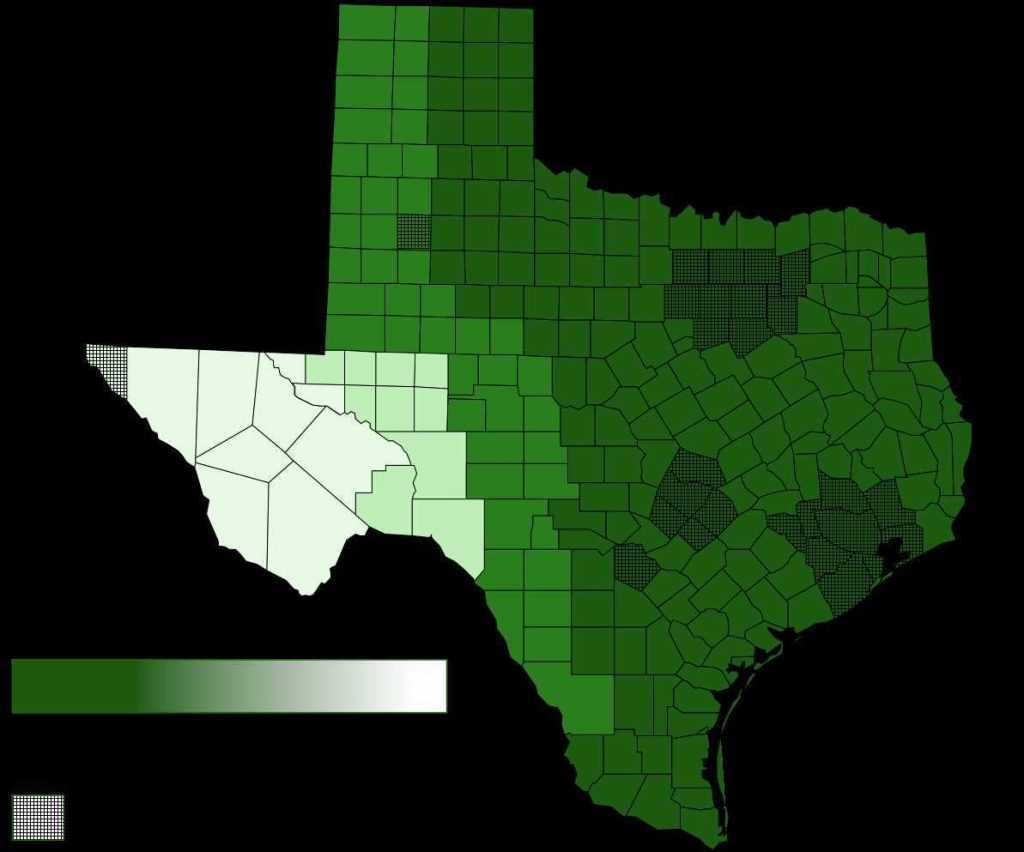
Looking to create a lush, green lawn that can withstand Texas heat? Zoysia grass might just be your ideal solution. This warm-season grass is known for its durability, drought resistance, and beautiful dense growth. In Texas, where summers can be brutal, zoysia offers a low-maintenance, resilient option that keeps your yard looking vibrant year-round. Whether you’re planting a new lawn or renovating an existing one, zoysia can handle the Texas climate better than many other grasses. It adapts well to different soil types and requires less water, making it perfect for water-conscious homeowners. With proper care, zoysia can provide a soft, inviting lawn that stays green even through the hottest months, giving your outdoor space an appealing, trouble-free foundation.
Zoysia grass is an excellent choice for Texas lawns because of its drought tolerance, heat resistance, and low maintenance needs. This grass forms a dense, attractive turf that requires less water and fertilization, making it perfect for the Texas climate. Proper planting and care can ensure your lawn remains lush and healthy throughout the year.
In Texas, where intense sun and dry conditions challenge traditional grasses, choosing the right type of grass is crucial. Zoysia stands out because it tolerates heat and drought well, grows slowly but densely, and stays green longer than many other options. It’s also fairly resistant to pests and diseases, making it a practical, long-lasting solution for homeowners who want a beautiful, hardy lawn without constant fuss. Whether you’re a busy homeowner or someone looking for a sustainable yard option, zoysia is a smart choice to transform your outdoor space into a lush, inviting retreat amid Texas’s challenging climate.

Zoysia Grass for Texas: The Perfect Choice for Your Lawn
Introduction to Zoysia Grass in Texas
Zoysia grass is gaining popularity among homeowners in Texas due to its unique characteristics and adaptability. It is a warm-season grass that thrives in hot climates and handles droughts well. If you’re looking for a low-maintenance, lush green lawn, zoysia might be the ideal choice.
Why Zoysia Grass Is Suitable for Texas Climate
Texas experiences a range of weather conditions, from hot summers to mild winters. Zoysia grass is well-suited because it tolerates high temperatures without burning. It also resists drought and requires less watering than other grass types, making it a practical option for Texas homeowners.
Types of Zoysia Grass Ideal for Texas
There are several varieties of zoysia grass, each with unique features. The most common types suitable for Texas include:
- Meyer Zoysia: Known for its fine texture and vibrant green color. It establishes quickly and is tolerant of shade.
- Empire Zoysia: A cold-hardy variety that maintains its color well in winter. Ideal for northern Texas regions.
- Zoysia japonica: Tolerant of foot traffic and drought, making it great for active lawns.
Planting and Establishing Zoysia Grass in Texas
Planting zoysia grass can be done through sod, plugs, or seeds. Sod provides immediate coverage, while plugs and seeds are more affordable but take longer to establish. Spring and early summer are the best times for planting when the soil warms up.
Best Methods for Planting Zoysia in Texas
- Sod Installation: Lay freshly cut sod pieces on prepared soil for instant results. Ensure they are well-watered after installation.
- Plug Planting: Space plugs evenly in the prepared soil. Water regularly until they fill in.
- Seed Spreading: Use a broadcast spreader for even distribution. Keep the soil moist until grass is established.
Maintenance Tips for Zoysia Grass in Texas
Proper maintenance ensures that your zoysia lawn stays healthy and attractive. Routine care includes watering, mowing, fertilizing, and pest control.
Watering Practices
While zoysia is drought-tolerant, regular watering during dry periods keeps it lush. Deep watering once a week is usually sufficient for established lawns.
Mowing Guidelines
Maintain a height of 1 to 2 inches for optimum appearance. Mowing frequency depends on growth rate but typically once a week during peak season.
Fertilization Schedule
Apply a balanced fertilizer in spring and mid-summer. Avoid over-fertilizing to prevent thatch buildup and promote healthy root growth.
Dealing with Common Zoysia Grass Problems in Texas
Like any lawn, zoysia can face issues like pests, diseases, or weeds. Recognizing these early helps in managing them effectively.
Pest Control
Common pests include grubs and chinch bugs. Use appropriate insecticides and maintain healthy grass to deter infestations.
Addressing Disease issues
Fungal diseases like brown patch or dollar spot can affect zoysia. Proper airflow, watering practices, and fungicide applications help prevent these problems.
Controlling Weeds
Apply pre-emergent herbicides in early spring and hand-pull weeds to keep your lawn free of unwanted plants.
Benefits of Using Zoysia Grass in Texas
Choosing zoysia offers several advantages:
- Low Water Requirements: Saves water and reduces utility bills.
- Drought Tolerance: Survives better during dry spells.
- High Tolerance to Traffic: Perfect for yards with children or pets.
- Minimal Mowing Needs: Maintains a lush appearance with less effort.
- Beautiful Appearance: Dense, fine-textured grass creates an inviting lawn.
Cost Considerations for Zoysia Grass in Texas
The cost varies based on planting method and lawn size. Sod installation is more expensive initially but provides quick results. Seed planting is more affordable but requires patience as the lawn establishes.
Average Cost Breakdown
| Planting Method | Cost per Square Foot | Pros |
|---|---|---|
| Sod | $0.50 to $0.75 | Instant coverage, immediate results |
| Plugs | $0.25 to $0.50 | Lower cost, quicker establishment than seed |
| Seed | $0.10 to $0.20 | Most affordable option |
Additional Tips for Zoysia Lawn Success in Texas
Ensure your soil is properly prepared before planting for the best results. Test your soil’s pH and amend as needed to reach a neutral level.
Soil Preparation
Remove weeds and debris, loosen compacted soil, and add organic matter if necessary. Well-drained soil promotes healthy root growth.
Sunlight Requirements
Zoysia prefers full sun but can tolerate some shade. Plant in areas with at least 6 hours of direct sunlight daily for best results.
Related Topics for Zoysia Grass Enthusiasts in Texas
Consider exploring topics like lawn aeration, overseeding, and proper irrigation techniques to keep your zoysia grass in top shape.
Lawn Aeration
Aerate your lawn annually to improve water penetration and reduce soil compaction, encouraging stronger grass roots.
Overseeding
Overseeding with zoysia can thicken your lawn and help fill in bare patches, particularly after winter dormancy.
Irrigation Techniques
Use efficient watering systems like drip irrigation or soaker hoses to minimize water waste and maintain even moisture levels.
Summary
Zoysia grass offers a resilient, beautiful, and low-maintenance solution for Texas lawns. Its adaptability to the climate and soil conditions makes it an excellent choice for homeowners seeking a durable and attractive yard. Proper planting, regular care, and understanding common issues will ensure a thriving zoysia lawn for years to come.
Zorro Zoysia Sod Installation in Dallas, Texas
Frequently Asked Questions
What is the best time of year to plant zoysia grass in Texas?
The ideal time to plant zoysia grass in Texas is during late spring or early summer when soil temperatures are consistently warm. Planting during this period allows the grass to establish roots before the cooler months approach. Avoid planting in the fall or winter, as the cooler temperatures may hinder root development and growth.
How does zoysia grass handle Texas’s drought conditions?
Zoysia grass is highly drought-tolerant once established. It requires less frequent watering compared to other grass types, making it suitable for Texas’s often hot and dry weather. Regular watering during the initial establishment phase helps the grass develop deep roots, but afterwards, minimal supplemental watering can keep it healthy and green during dry periods.
What maintenance practices are necessary for zoysia grass in Texas?
To maintain a healthy zoysia lawn in Texas, mow it regularly at a height of about 1 to 2 inches to prevent thatch buildup and promote dense growth. Fertilize the grass during the growing season with a balanced fertilizer, and aerate the soil annually to improve water and nutrient absorption. Proper watering, especially during dry spells, also supports its overall health and appearance.
Does zoysia grass tolerate shade environments in Texas?
While zoysia grass prefers full sun, it can tolerate some shaded areas. In Texas, if you have spots with partial shade, select a shade-tolerant zoysia variety and monitor its growth closely. Keep in mind that excessive shade can lead to thinner turf, so where possible, improve light exposure for the healthiest lawn.
How does soil type affect zoysia grass growth in Texas?
Zoysia grass grows best in well-drained, sandy or loamy soils with a pH between 6.0 and 6.5. If your soil is heavy clay or very sandy, consider amending it with organic matter to improve drainage and nutrient retention. Conducting a soil test helps determine specific needs and guides your soil management practices for optimal zoysia turf development.
Final Thoughts
Zoysia grass for Texas offers a low-maintenance, drought-tolerant solution perfect for the region’s climate. It thrives with minimal watering and resists pests, making it ideal for homeowners seeking easy upkeep. Its dense growth pattern provides a lush, green lawn year-round. Choosing zoysia grass ensures a durable and attractive yard that withstands Texas weather conditions while requiring less effort.