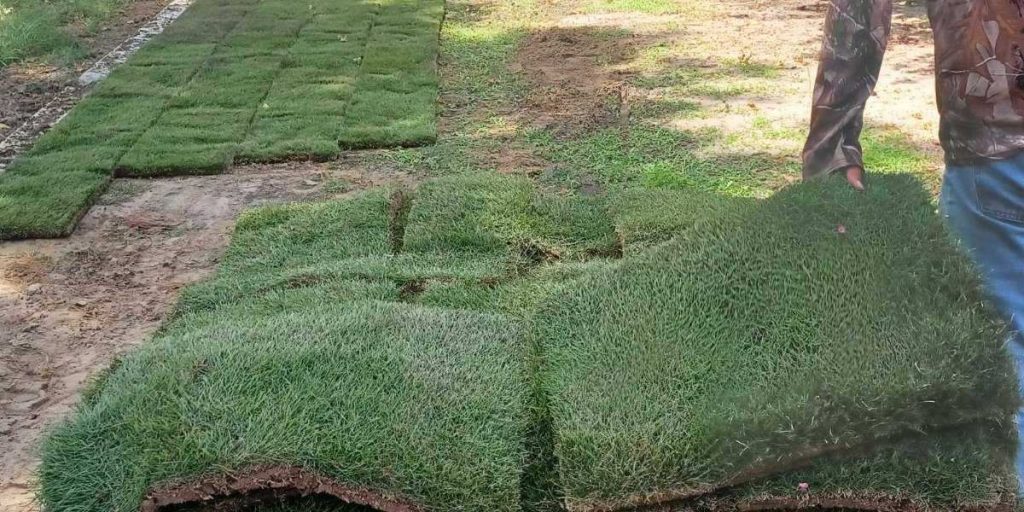
Looking for a lush, green lawn that thrives in shady Texas yards? Zoysia grass might just be your perfect solution! This adaptable grass type is known for its ability to flourish even in less-than-ideal sunlight conditions, making it a popular choice for shaded areas.
**Short answer:** Zoysia grass handles shade well, especially certain varieties like Zoysia japonica, and is suitable for Texas’ climate. Proper selection and care can ensure a healthy, vibrant lawn even in shaded spots.
In Texas, where blazing sun often dominates, many homeowners struggle to maintain a lush lawn in shaded areas caused by trees, buildings, or fences. Zoysia grass offers a resilient and attractive option for these spots, thanks to its tolerance for shade and drought. It’s a warm-season grass, known for its dense growth and low maintenance needs, which can suit Texas’ diverse climate. Although no grass loves shade completely, Zoysia’s adaptability makes it a standout choice for shaded lawns, providing a thick, green carpet that stays lush with the right care. Whether you’re transforming a backyard or a front yard, understanding how to select the best Zoysia variety and maintain it properly can give your lawn the shade-loving boost it needs.

Zoysia Grass for Shade in Texas
Understanding Zoysia Grass and Its Suitability for Shade
Zoysia grass is a warm-season turfgrass known for its dense, lush growth and durability. It is highly adaptable and can thrive in various soil types across Texas. However, not all Zoysia varieties perform well in shady areas, making selecting the right type essential.
Why Choose Zoysia Grass for Shaded Areas in Texas?
Many lawns in Texas have shaded spots caused by trees or buildings. Zoysia grass is known for its tolerance to low light conditions. Its ability to grow slowly reduces the need for frequent mowing, which benefits shaded areas where growth is slower.
Best Zoysia Varieties for Shade in Texas
Zeon Zoysia
Zeon Zoysia is an excellent choice for shaded regions because of its shade tolerance and drought resistance. It displays fine-textured blades and forms a soft, carpet-like lawn.
Empire Zoysia
Empire Zoysia is another favored variety, especially for its ability to handle partial shade. It offers good wear tolerance and stays green longer into the fall.
Emerald Zoysia
Emerald Zoysia is popular for its dense growth and bright green color. It tolerates some shade but performs best in areas with at least four hours of sunlight daily.
Growing Zoysia Grass in Shaded Areas of Texas
Soil Preparation
Start by testing soil pH, aiming for a range between 6.0 and 6.5. Add organic matter if needed to improve soil fertility and drainage for healthier root development.
Planting Methods
Zoysia can be established using plugs, sod, or seeds. Sod is the fastest way to establish a lawn, especially in shaded areas needing quick coverage. Ensure proper spacing and regular watering during initial weeks.
Watering Practices
Deep watering once or twice a week promotes deep root growth. Reduce watering frequency as the grass matures but avoid letting the soil dry out completely.
Maintaining Zoysia Grass in Shade
mowing Schedule
Let the grass grow to about one to two inches tall. Mow regularly but avoid cutting more than a third of the height at once to prevent stress, especially in shaded zones.
Fertilization Tips
Apply a balanced fertilizer in early spring and midsummer. Use slow-release formulas to provide nutrients steadily, supporting growth in low-light conditions.
Pest and Disease Management
Shaded areas may be more susceptible to pests like chinch bugs or fungal infections such as brown patch. Regular inspections and proper lawn care reduce risks.
Common Challenges of Growing Zoysia in Shaded Areas
Slower Growth
Shaded zones often experience slower turf growth, which can lead to patchiness. Patience and proper maintenance help establish a dense, healthy lawn.
Color Variations
Grass may not stay as vibrant in shade, sometimes appearing dull or yellowish. Ensuring adequate nutrients and reducing shade can improve color.
Weed Competition
Weeds can invade shaded spots due to less turf density. Regular overseeding and proper lawn care limit weed growth and promote thick turf.
Additional Tips for Successful Zoysia Lawn in Shaded Texas Areas
- Remove excess shade where possible to improve sunlight exposure.
- Practice aeration to enhance soil aeration and nutrient absorption.
- Overseed bare patches with shade-tolerant grass varieties for better coverage.
- Limit foot traffic on shaded patches to prevent soil compaction and turf damage.
Comparing Zoysia with Other Shade-Tolerant Grasses
| Grass Type | Shade Tolerance | Water Needs | Maintenance Level | Ideal for Texas Shaded Lawns |
|——————-|—————–|————–|——————|——————————|
| Zoysia | High | Moderate | Moderate | Excellent |
| St. Augustine | Moderate | High | Easy | Good |
| Bermuda Grass | Low | Low | Moderate | Limited in shade |
| Centipede Grass | Moderate | Low | Low | Suitable in light shade |
Choosing the right Zoysia grass for shade in Texas involves understanding specific variety needs, soil conditions, and maintenance practices. Proper planning and care ensure a vibrant, healthy lawn even in low-light areas. With patience and consistent effort, Zoysia can create attractive spaces that thrive despite limited sunlight.
Installing Zoysia Grass in Texas under shade tress #zoysia #palisades #grass #sod #landscaping #lawn
Frequently Asked Questions
What are the best practices for establishing Zoysia grass in shaded areas of Texas?
To successfully establish Zoysia grass in shaded regions of Texas, prepare the soil by removing weeds and adding organic matter. Plant Zoysia plugs or sod in early spring or late summer to allow roots to develop before extreme temperatures arrive. Water regularly to keep the soil moist but not oversaturated, and limit foot traffic until the grass is well established. Using shade-tolerant Zoysia varieties can also enhance success in low-light areas.
How do different Zoysia grass varieties perform in shaded zones of Texas?
Some Zoysia varieties, like ‘Emerald’ and ‘Zeon’, adapt better to shaded environments due to their tolerance to low light conditions. These types tend to maintain a dense, green appearance even with limited sunlight, making them ideal for shaded lawns in Texas. Check the growth habits and shade tolerance specifications when selecting a variety to ensure optimal performance.
What common challenges might I face when growing Zoysia grass under shade, and how can I address them?
Shaded areas often lead to slower growth and increased susceptibility to diseases such as fungal infections. To mitigate these issues, improve airflow around the grass by trimming nearby plants, avoid overwatering, and apply appropriate fertilization. Choosing a shade-tolerant variety and maintaining proper lawn care routines will also help Zoysia thrive despite limited sunlight.
Can Zoysia grass recover from poor growth conditions in shaded Texas lawns?
Yes, Zoysia grass can recover if proper care measures are taken. Start by removing any weeds or dead grass, then aerate the soil to improve nutrient and water uptake. Applying appropriate fertilizers and ensuring consistent watering encourages healthy regrowth. Over time, with attentive maintenance, the lawn can regain its density and vibrancy even in shaded spots.
Final Thoughts
Zoysia grass for shade in Texas offers a practical solution for lawns with limited sunlight. It stays green through the cooler months and requires less mowing and watering. Its dense growth naturally suppresses weeds, making lawn maintenance easier.
Choosing the right variety is essential for shaded areas, ensuring it thrives under trees and structures. Proper soil preparation and regular watering help maintain its health and appearance.
In conclusion, zoysia grass for shade in Texas provides a reliable, low-maintenance turf option for shaded yards, enhancing curb appeal while reducing upkeep efforts.