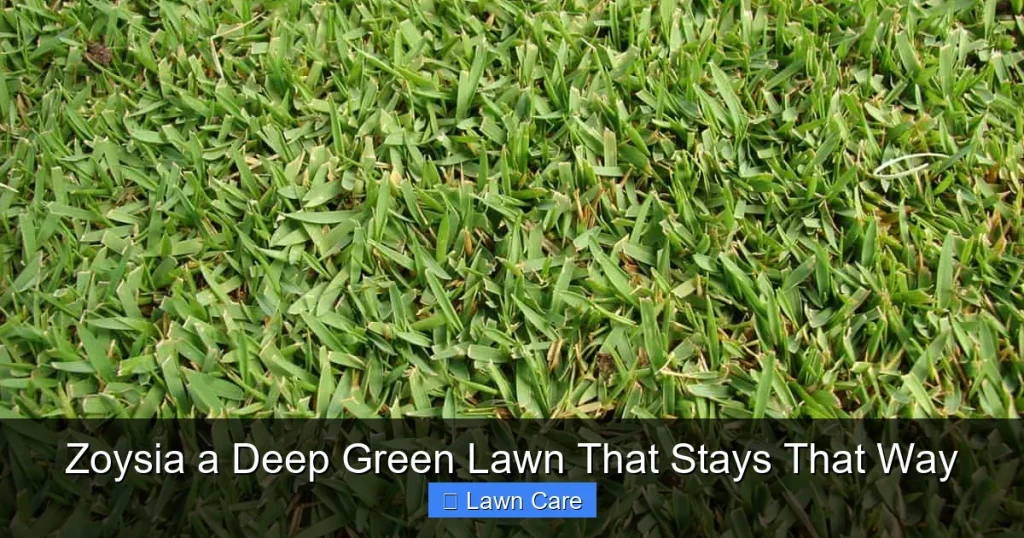
Zoysia grass is a popular choice for homeowners seeking a dense, deep green, and resilient lawn. It thrives in warm climates, offers excellent drought tolerance, and requires minimal maintenance once established. Learn how to cultivate and care for this beautiful grass for a yard that stays vibrant year-round.
Are you dreaming of a lawn that’s the envy of your neighbors? A lawn that boasts a rich, deep green color and stays that way, even under the harsh summer sun? If so, it’s time we talked about Zoysia grass. This isn’t just any grass; Zoysia is a champion when it comes to creating a beautiful, resilient, and low-maintenance lawn.
Many people struggle with lawns that are patchy, brown, or constantly battling weeds. You might find yourself watering excessively or fertilizing frequently, only to see mediocre results. Zoysia grass offers a refreshing change. It’s a warm-season grass known for its dense growth and incredible ability to withstand heat and drought. Imagine a lawn that requires less fuss and delivers more visual appeal – that’s the Zoysia promise.
In this guide, we’ll dive deep into everything you need to know about Zoysia grass. We’ll cover why it’s such a fantastic choice, how to get it established in your yard, and the simple steps to keep it looking its absolute best. Get ready to transform your outdoor space into a vibrant, green oasis!
Key Takeaways
- Zoysia grass is known for its dense growth habit, which helps to crowd out weeds and create a thick, luxurious carpet.
- It possesses excellent drought tolerance, making it a fantastic option for regions with hot summers or water restrictions.
- Zoysia is a warm-season grass that greens up later in spring and goes dormant (turns brown) in winter.
- Proper establishment through sod or plugs is crucial, as Zoysia spreads slowly.
- Mowing Zoysia requires a sharp mower set to the correct height, and it’s important to avoid mowing too short.
- Fertilization needs are moderate, and timing is key to support its growth cycle.
- Zoysia is relatively pest and disease resistant, contributing to its low-maintenance appeal.
Quick Answers to Common Questions
What is Zoysia grass?
Zoysia grass is a warm-season turfgrass known for its dense growth, deep green color, and excellent tolerance to heat and drought.
When does Zoysia grass go dormant?
Zoysia grass goes dormant and turns brown during the cooler fall and winter months when temperatures consistently drop.
How often should I water Zoysia grass?
Once established, Zoysia grass requires infrequent, deep watering only when it shows signs of drought stress, making it very water-efficient.
Is Zoysia grass good for shade?
Zoysia grass prefers full sun and will not perform well in heavily shaded areas. It requires at least 6-8 hours of direct sunlight per day.
How fast does Zoysia grass spread?
Zoysia grass spreads relatively slowly through its rhizomes and stolons, meaning it takes time to establish a full lawn from plugs or seed.
📑 Table of Contents
- Why Choose Zoysia Grass? The Benefits Unpacked
- Establishing Your Zoysia Lawn: From Bare Ground to Beautiful
- Mowing Your Zoysia Lawn: The Right Height and Technique
- Watering Your Zoysia Lawn: Less is More
- Fertilizing Zoysia: Timing and Type
- Dealing with Pests and Diseases on Your Zoysia Lawn
- Zoysia in Winter: Embracing the Dormancy
Why Choose Zoysia Grass? The Benefits Unpacked
So, what makes Zoysia grass stand out from the crowd? It’s a combination of its striking appearance and its practical, hardy nature. If you’re looking for a lawn that’s both beautiful and easy to manage, Zoysia is a strong contender.
Dense Growth and Weed Suppression
One of the most significant advantages of Zoysia is its incredible density. It forms a thick, impenetrable mat of turf that leaves little room for weeds to take hold. This is because Zoysia spreads through both rhizomes (underground stems) and stolons (above-ground runners), creating a tightly woven network. This natural weed suppression means less time spent pulling weeds or resorting to herbicides. A healthy Zoysia lawn naturally outcompetes most common lawn invaders.
Drought Tolerance and Heat Resistance
Zoysia is a warm-season grass, meaning it thrives in the heat. It’s exceptionally drought-tolerant, thanks to its deep root system. When conditions get dry, Zoysia can go dormant, turning a light brown color, but it will quickly green up again once moisture returns. This is a huge advantage in areas prone to water restrictions or during scorching summer months. You won’t have to water as much to keep your Zoysia looking good, which can save you time and money. For advice on keeping any lawn green during a dry spell, you might find our article on how to keep your lawn green during a drought helpful, though Zoysia truly excels in this area.
Low Maintenance Appeal
Once established, Zoysia grass is remarkably low-maintenance. It doesn’t require frequent fertilization, its mowing needs are manageable, and it’s generally resistant to pests and diseases. This means more time to enjoy your yard and less time spent on demanding lawn care tasks. For those interested in reducing chemical use, Zoysia is an excellent foundation for a lawn you can maintain without chemicals.
Attractive Appearance
Zoysia grass boasts a beautiful, deep green color and a fine to medium texture, depending on the specific variety. Its uniform growth pattern creates a visually appealing, carpet-like appearance that enhances curb appeal. It’s a grass that looks good and feels good underfoot.
Establishing Your Zoysia Lawn: From Bare Ground to Beautiful
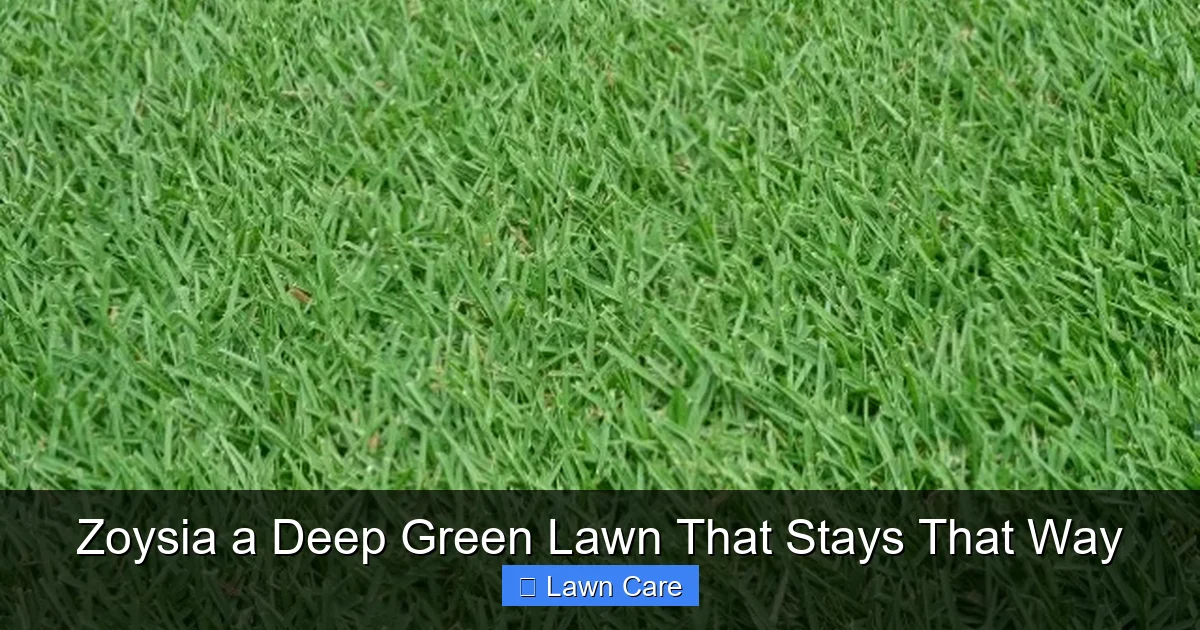
Visual guide about Zoysia a Deep Green Lawn That Stays That Way
Image source: i0.wp.com
Getting a Zoysia lawn established takes a little patience, as it spreads more slowly than some other grass types. However, the long-term rewards are well worth the initial effort. You can establish Zoysia through sod or plugs.
Choosing Between Sod and Plugs
* Sod: This involves laying down large pieces of pre-grown Zoysia grass turf. It provides an instant lawn and is the quickest way to achieve a mature look. However, it can be more expensive.
* Plugs: These are small, individual pieces of Zoysia grass turf, typically 3-4 inches in diameter. You plant them into prepared soil, and they will gradually spread to fill in the gaps. This method is more economical but takes longer to establish a full lawn.
Site Preparation is Key
Regardless of whether you choose sod or plugs, proper site preparation is crucial for success.
1. Clear the Area: Remove any existing grass, weeds, rocks, or debris. If you’re renovating an existing lawn, you might need to remove the old sod.
2. Test Your Soil: Get a soil test done to understand its pH and nutrient levels. Zoysia prefers slightly acidic to neutral soil (pH 6.0-7.0). Amend the soil as needed based on the test results.
3. Loosen the Soil: Till the soil to a depth of at least 4-6 inches. This helps with root development and water penetration.
4. Level the Ground: Rake the area smooth to create an even surface.
Planting Zoysia
* For Sod: Lay the sod pieces tightly together, ensuring good soil-to-soil contact. Water thoroughly immediately after installation.
* For Plugs: Dig holes about 1 inch deep and 6-12 inches apart. Place the plug in the hole so the top of the root ball is level with the surrounding soil. Firm the soil around the plug. Water thoroughly after planting.
Initial Watering and Care
During the establishment phase (the first few weeks to months), keep the soil consistently moist but not waterlogged. This is vital for the roots to take hold. Once established, Zoysia’s drought tolerance will kick in. It’s also important to avoid fertilizing immediately after planting. Wait until the grass shows signs of active growth.
Mowing Your Zoysia Lawn: The Right Height and Technique
Proper mowing is essential for maintaining a healthy and attractive Zoysia lawn. It’s not just about cutting the grass; it’s about doing it in a way that promotes good growth and prevents stress.
The Ideal Mowing Height
Zoysia grass generally performs best when mowed at a height of 1 to 2 inches. Mowing too short can stress the grass, making it more susceptible to drought, weeds, and disease. The exact ideal height might vary slightly depending on the specific Zoysia variety and your local climate. For example, ‘Meyer’ Zoysia is often recommended to be mowed at 1-1.5 inches.
Sharp Blades are a Must
Always use a mower with sharp blades. Dull blades tear the grass blades, leaving them with ragged edges that can turn brown and invite disease. A clean cut promotes faster healing and a healthier appearance. If you’re unsure about your mower’s condition, it might be time to learn how to start a lawn mower that has been sitting and perhaps sharpen or replace its blades. Remember, the way you mow matters for the health of your grass.
Mowing Frequency
Zoysia is a relatively slow-growing grass, so you won’t need to mow it as often as some other types. During its peak growing season (warm weather), you might need to mow once a week or every two weeks. In cooler periods or when growth slows, mowing frequency will decrease. Always adhere to the one-third rule: never remove more than one-third of the grass blade height in a single mowing. If your grass gets too tall, it’s better to mow it gradually over a couple of sessions rather than cutting it all at once. This is especially important if you’ve found yourself in a situation where you need to mow a lawn that is overgrown.
Edging for a Professional Finish
A crisp edge makes a huge difference in the overall appearance of your lawn. Regularly edging along sidewalks, driveways, and garden beds defines your lawn and gives it a neat, manicured look. For Zoysia, using a string trimmer or a dedicated edger works well. For specific techniques, you can explore guides on how to edge a lawn with Zoysia grass cleanly for the best results.
Watering Your Zoysia Lawn: Less is More
One of Zoysia’s biggest selling points is its low watering requirement. Once established, it’s incredibly drought-tolerant. However, understanding its watering needs, especially during establishment and prolonged dry spells, is still important.
Establishment Watering
As mentioned, newly planted Zoysia needs consistent moisture to establish its root system. Water frequently enough to keep the top few inches of soil moist. This might mean watering daily or every other day, depending on weather conditions.
Mature Lawn Watering
Once your Zoysia lawn is established (usually after the first growing season), its watering needs change dramatically. It requires much less water. Deep, infrequent watering is the best approach. Water deeply when the grass shows signs of stress, such as a dulling color or wilting. Aim to water until the soil is moist several inches down. This encourages the roots to grow deeper, making the lawn even more resilient. You can also explore alternative watering methods, like learning the best way to water lawn without a sprinkler system, if that’s a consideration. The goal is to water efficiently, which Zoysia makes much easier.
Signs of Thirst
Learn to recognize when your Zoysia needs water. Besides wilting, look for footprints that remain visible long after you’ve walked across the lawn. This indicates the grass blades don’t have enough moisture to spring back.
Fertilizing Zoysia: Timing and Type
Zoysia grass isn’t a heavy feeder. Over-fertilizing can actually be detrimental, leading to excessive thatch buildup or weak growth. The key is to fertilize at the right times and with the right kind of fertilizer.
When to Fertilize
Since Zoysia is a warm-season grass, it actively grows and utilizes nutrients during the warmer months. The best times to fertilize are typically in late spring or early summer, and possibly again in late summer or early fall. Avoid fertilizing when the grass is dormant (during cold weather) or when it’s under extreme heat stress.
* Late Spring/Early Summer: This is the most important feeding time, supporting its active growth.
* Late Summer/Early Fall: A second application can help it recover from summer stress and prepare for dormancy.
Fertilizer Choices
* Slow-Release Fertilizers: These are generally preferred for Zoysia as they provide a steady, consistent supply of nutrients. Look for a balanced fertilizer (e.g., 10-10-10 or similar ratios).
* Organic Fertilizers: Many homeowners opt for organic fertilizers, which improve soil health over time. Composted materials, grass clippings (if left on the lawn), and other organic amendments can provide essential nutrients. If you’re interested in this approach, understanding what is the best way to fertilize a lawn organically can be very beneficial.
* Application Rate: Follow the product label instructions carefully. Applying too much fertilizer can damage the grass.
The Role of Aeration and Dethatching
Over time, Zoysia can develop a layer of thatch – a dense mat of dead and living organic material between the grass blades and the soil. Excessive thatch can impede water and nutrient penetration. Aerating the lawn (creating small holes in the soil) and dethatching (removing the thatch layer) can help. Aeration is best done when Zoysia is actively growing, usually in late spring or early summer. Dethatching can also be done during the active growing season. If you’re unsure about the process, learning what is the best way to dethatch a lawn is a good starting point. If your lawn feels compacted, consider what is the fastest way to aerate a lawn.
Dealing with Pests and Diseases on Your Zoysia Lawn
One of the perks of Zoysia grass is its natural resistance to many common lawn pests and diseases. However, no lawn is completely immune, so it’s good to be aware of potential issues and how to address them.
Common Pests
Zoysia is less susceptible to grubs and chinch bugs than many other grass types. However, they can occasionally be a problem. Signs of grub damage include brown patches that lift easily like a carpet. Chinch bugs can cause irregular brown patches, especially in hot, dry conditions. If you suspect a pest infestation, identify the culprit and choose an appropriate treatment, preferably an environmentally friendly option.
Common Diseases
Fungal diseases like brown patch or dollar spot can sometimes affect Zoysia, particularly during periods of high humidity or prolonged wetness. Proper mowing and watering practices (avoiding overwatering and allowing the lawn to dry out between waterings) can help prevent fungal issues. If a disease is present, improving air circulation and drainage can also be beneficial. You might find information on how to improve drainage in a Zoysia lawn particularly useful if water-related issues arise. For very stubborn problems, consulting with a local agricultural extension office or a lawn care professional can provide specific advice.
Moss and Other Unwanted Growth
Occasionally, you might see moss growing in shaded or damp areas of your Zoysia lawn. Moss thrives in conditions that Zoysia doesn’t prefer. Addressing the underlying cause – usually poor light or excessive moisture – is key to eliminating moss. Learning what is the best way to remove moss from a lawn can help you tackle this issue.
Zoysia in Winter: Embracing the Dormancy
As a warm-season grass, Zoysia grass has a distinct seasonal cycle. It greens up later in the spring and goes dormant, turning brown, when temperatures drop in the fall and winter. This dormancy is a natural survival mechanism and nothing to worry about.
The Dormant Look
During dormancy, your Zoysia lawn will appear brown. This is completely normal. The grass is not dead; it’s simply resting and conserving energy. Resist the urge to overwater or fertilize during this period, as this can do more harm than good.
Overwintering Care
Continue to mow your Zoysia lawn if it’s still growing or if fallen leaves are smothering the grass. Removing excess leaf litter helps prevent matting and potential disease issues over winter. You can also take this time to plan for spring. If you’re considering a lawn renovation or new plantings, spring is a good time to start preparing.
Greening Up in Spring
Be patient in the spring. Zoysia greens up from the ground up, and it can take a few weeks after the last frost for it to start showing color. Once temperatures consistently warm up, you’ll see your lawn come back to life, often with a renewed vigor. The slow spread of Zoysia also means that if you have a patchy area, you can work on establishing it further in spring, perhaps using plugs. Creating a thick, lush lawn with Zoysia grass is a gradual process, but one that yields beautiful results over time.
In conclusion, Zoysia grass is an exceptional choice for anyone seeking a deep green, resilient, and low-maintenance lawn, particularly in warmer climates. Its dense growth habit, drought tolerance, and resistance to pests and diseases make it a superior option for many homeowners. While it requires a bit of patience for establishment, the payoff is a stunning, vibrant lawn that stands the test of time and heat. By understanding its needs for proper mowing, watering, and occasional fertilization, you can ensure your Zoysia lawn remains the beautiful, deep green carpet you’ve always desired. It truly is a grass that lives up to its reputation of staying vibrantly green.
Frequently Asked Questions
Is Zoysia grass difficult to maintain?
No, Zoysia grass is known for its low-maintenance characteristics once established. It requires less frequent watering, mowing, and fertilization compared to many other grass types.
Can Zoysia grass be planted from seed?
While some Zoysia varieties can be seeded, it is less common and takes much longer to establish a dense lawn. Planting sod or plugs is generally the preferred method for faster results.
What is the best time of year to plant Zoysia grass?
The best time to plant Zoysia grass is in late spring or early summer when soil temperatures are consistently warm, allowing for optimal growth and establishment.
Will Zoysia grass survive in cooler climates?
Zoysia grass is a warm-season grass and is not well-suited for cold climates. It will go dormant in winter and may not survive prolonged freezing temperatures.
How do I get rid of weeds in my Zoysia lawn?
The dense growth of Zoysia grass naturally helps to suppress weeds. However, for persistent weeds, manual removal or spot treatment with herbicides may be necessary, especially during its active growing season.
How high should I mow my Zoysia lawn?
Zoysia grass should ideally be mowed at a height of 1 to 2 inches. Mowing too short can stress the grass and make it more vulnerable to pests and diseases.