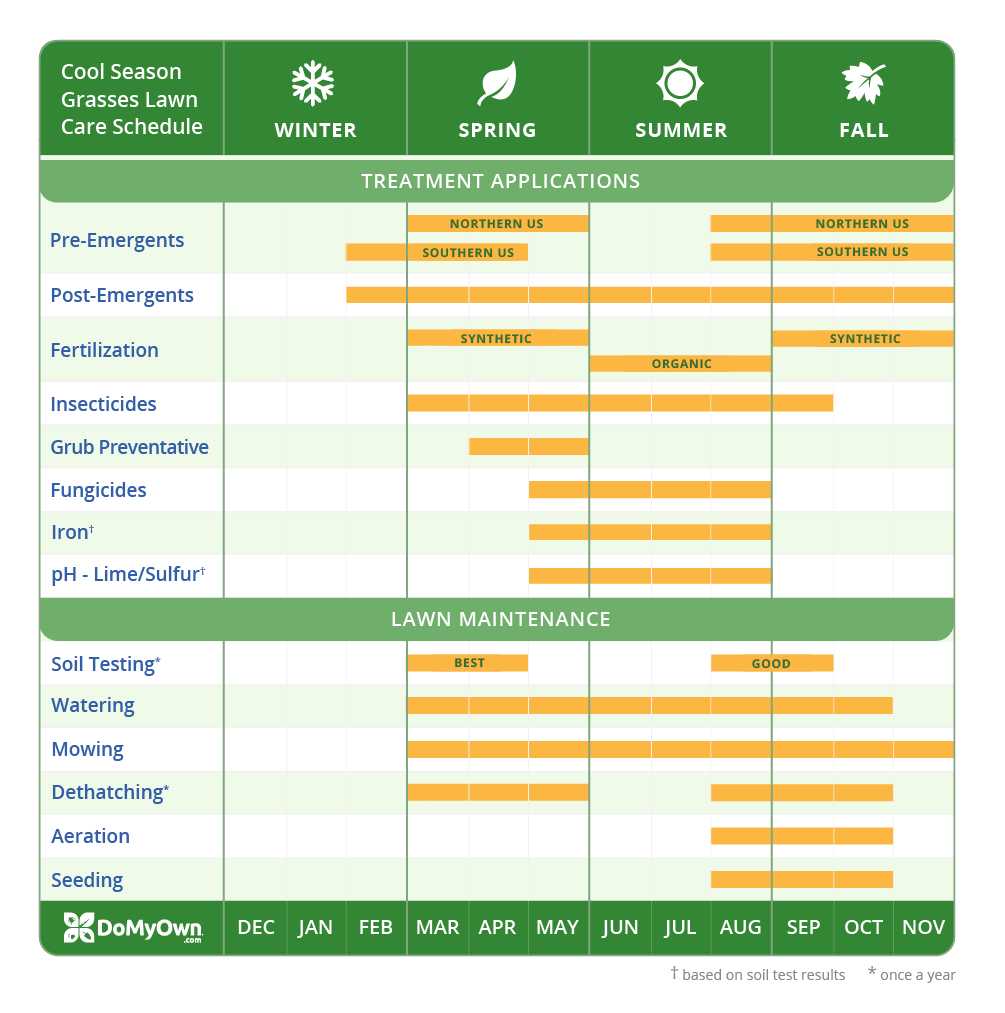
For a lush, green lawn in the Northeast, having a seasonal lawn-care schedule is essential. It helps you stay on track with your lawn’s needs throughout the year, ensuring it thrives despite the region’s varying weather conditions. From spring’s awakening to winter’s dormancy, each season presents unique tasks. By following a simple calendar, you can tackle everything from fertilization and aeration to weed control and mowing. Whether you’re a seasoned gardener or just starting out, this guide will help you manage your lawn effectively, so you can enjoy a beautiful outdoor space year-round. Let’s dive into the specifics of what your lawn needs every season to flourish!

Your Seasonal Lawn-Care Schedule for the Northeast
Caring for your lawn in the Northeast requires a thoughtful approach tailored to each season. Understanding what your lawn needs and when is essential for maintaining a healthy, vibrant yard. In this guide, we’ll cover a detailed seasonal lawn-care schedule to help you keep your lawn looking its best year-round.
Spring: Time for Awakening
As the snow melts and the days grow longer, spring is the perfect time for renewal.
– **Assess Your Lawn**: Start by examining your lawn for damage from winter. Look for bare patches, weeds, and fungal growth.
– **Soil Testing**: Conduct a soil test to understand the pH levels and nutrient needs. This will inform your fertilization choices later.
Fertilization
Applying fertilizer in early spring provides essential nutrients to kickstart growth.
– **Slow-Release Fertilizer**: Opt for a slow-release product with nitrogen to promote green growth.
– **Timing**: Aim to fertilize in late March to early April, depending on the weather.
Weed Control
Spring is also the time to tackle weeds.
– **Pre-Emergent Herbicides**: Apply a pre-emergent herbicide before the weeds germinate. This is typically around mid-April.
– **Manual Weeding**: Combine this with hand-pulling any visible weeds to prevent them from spreading.
Summer: Maintenance and Watering
During the hot summer months, focusing on maintenance and proper watering is key.
– **Mowing**: Keep mowing your grass to maintain a height of 3 to 4 inches. This helps shade the roots and conserve moisture.
– **Watering**: Water your lawn deeply but infrequently. Aim for about one inch of water per week, either from rainfall or manual watering.
Pest Control
Summer also brings pest challenges.
– **Monitor for Pests**: Keep an eye out for signs of grubs and other pests that can damage your lawn.
– **Treatment Options**: Consider using organic pest control methods to keep your garden safe.
Fertilization Follow-Up
In mid-summer, consider a light application of fertilizer to maintain growth.
– **Balanced Fertilizer**: Use a balanced fertilizer that supports overall health without overwhelming the grass.
Fall: Preparation for Winter
As summer fades, fall is all about preparing your lawn for the winter months.
– **Aeration**: Aerate your lawn in early September to relieve soil compaction and enhance nutrient absorption.
Overseeding
Seeding in the fall can help fill in bare patches.
– **Choosing Seeds**: Select grass seed that is suitable for your area. Kentucky bluegrass is a popular choice in the Northeast.
– **Timing**: Aim to overseed in mid-September to allow seedlings time to develop before the frost.
Fertilization for Fall
Applying a fall fertilizer blend supports root growth and prepares your lawn for winter.
– **High-Phosphorus Fertilizer**: Use a product high in phosphorus to encourage strong roots.
– **Application Timing**: Fertilize in late October to ensure nutrients are ready for winter.
Winter: Dormancy and Protection
During winter, your lawn enters a dormant phase, but that doesn’t mean you’re off the hook.
– **Snow and Ice Management**: Avoid heavy foot traffic on your lawn when it’s frozen or covered in snow to prevent damage.
Winterizing Your Lawn
Winterizing your lawn sets it up for a healthy growing season next spring.
– **Final Mow**: Give your grass one last mow before the winter to a height of about 2.5 inches.
– **Mulching Leaves**: Instead of raking, consider mulching fallen leaves to provide organic matter back to the soil.
Essential Lawn-Care Tips
To ensure your lawn remains healthy throughout the year, consider these essential tips.
- Regularly check for weeds and pests.
- Adjust watering based on rainfall and temperature.
- Keep your mower blades sharp for a clean cut.
- Stay informed about local lawn-care guidelines.
Common Lawn Care Mistakes to Avoid
Maintaining a healthy lawn is often about avoiding common pitfalls.
- Overwatering: Too much water can lead to rot.
- Neglecting soil health: Healthy soil is the foundation of a good lawn.
- Mowing too short: Cut grass too short can lead to stress in hot weather.
Understanding Your Grass Type
Different grasses thrive in different conditions. Understanding your grass type is crucial for effective care.
– **Cool-Season Grasses**: Common in the Northeast include tall fescue, Kentucky bluegrass, and perennial ryegrass. These grasses grow best in spring and fall.
– **Warm-Season Grasses**: Less common in the Northeast, warm-season grasses like Bermuda can struggle with cold winters but thrive in summer.
By following this seasonal lawn-care schedule tailored for the Northeast, you can ensure a thriving, healthy lawn. Each season presents unique opportunities and challenges, and staying proactive makes all the difference. Make sure to assess your lawn regularly and adjust care based on its needs. Happy lawn caring!
Lawn Care Schedule – Northeast
Frequently Asked Questions
What are the best practices for mowing my lawn throughout the seasons in the Northeast?
In the Northeast, it’s ideal to maintain a mowing height of 2.5 to 3.5 inches during the growing season. In spring, mow regularly as the grass starts to grow, cutting no more than one-third of the grass blade at a time. During the summer, raise the mowing height slightly to help the grass retain moisture. In fall, continue regular mowing, but allow the grass to grow slightly longer as temperatures drop, which helps in protecting the roots for winter.
How can I effectively manage weeds in my Northeast lawn care routine?
Weed control in the Northeast requires a combination of pre-emergent and post-emergent treatments. In early spring, apply a pre-emergent herbicide to prevent weed seeds from germinating. Regularly mow your lawn to keep weeds from flowering and going to seed. In late summer and fall, identify existing weeds and treat them with a targeted post-emergent herbicide or hand pull them before they damage your lawn.
When should I fertilize my lawn for optimal growth?
Fertilization should occur at strategic times throughout the year. In spring, use a nitrogen-rich fertilizer to promote green growth. Apply a second round in late summer, focusing on a balanced fertilizer that supports root development as the weather cools. Avoid fertilizing too late in the fall, as this can encourage new growth that may not survive winter conditions.
What steps should I take to prepare my lawn for winter in the Northeast?
Winter preparation starts in the fall. Begin by mowing your lawn one last time at a slightly higher setting. Rake up leaves and debris to prevent mold and disease. Aerate the soil to improve drainage and reduce compaction. Apply a winterizer fertilizer in late fall, which helps strengthen the root system and prepares the grass for dormancy.
How often should I water my lawn during the different seasons?
Watering frequency varies with the seasons. In spring, water deeply but less frequently, aiming for about 1 inch per week. During the hot summer months, increase watering to twice a week if rainfall is insufficient. In fall, reduce watering as temperatures cool, but ensure the lawn receives enough moisture to support root growth before winter. Always adjust based on weather conditions.
What type of grass is most suitable for Northeast lawns?
For Northeast lawns, cool-season grasses work best due to the region’s climate. Kentucky bluegrass, perennial ryegrass, and tall fescue are popular choices. These grasses thrive in cooler temperatures and can handle the area’s typical winter conditions. Consider your lawn’s sunlight exposure and intended use to choose the best grass type for your needs.
Final Thoughts
Your Seasonal Lawn-Care Schedule for the Northeast emphasizes the importance of timing and technique in maintaining a healthy lawn. Spring calls for fertilization and seeding, while summer requires regular watering and mowing. In the fall, aeration and overseeding help prepare the grass for winter. Finally, winter maintenance focuses on protecting your lawn from harsh conditions, ensuring it thrives come spring. Following Your Seasonal Lawn-Care Schedule for the Northeast will lead to a lush, vibrant lawn throughout the year.