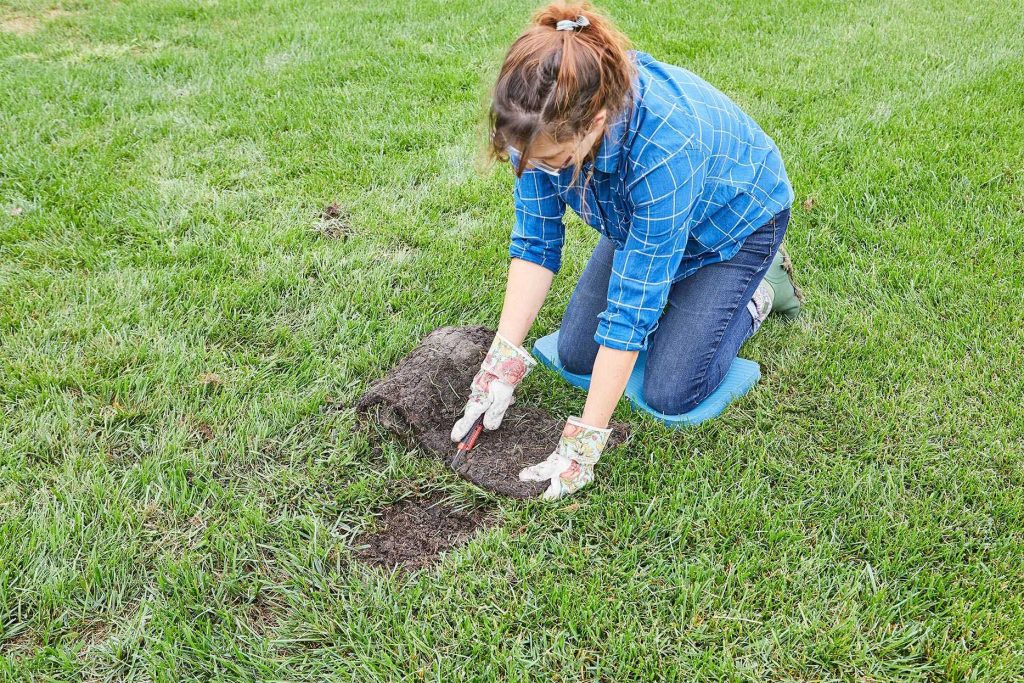
Planting sod can seem daunting, but it’s a straightforward process that can transform your yard into a lush, green landscape in just a few hours. In five simple steps, you can have your new lawn established and ready to thrive. Firstly, prepare your soil by removing old grass and debris, then level it out for a smooth base. Next, lay the sod in a staggered pattern, ensuring tight seams between pieces. Water generously after installation, and keep the area moist for a few weeks as the sod takes root. Lastly, remember to mow once the grass reaches a height of about three inches to encourage healthy growth. Let’s dive deeper into each step for a successful sod installation!

“`html
How to Plant Sod in 5 Simple Steps
Planting sod can dramatically enhance the appearance of your lawn, creating a lush green area for family activities and improving your property’s curb appeal. This guide will walk you through the essential steps needed to successfully plant sod, ensuring a healthy and vibrant lawn.
Step 1: Prepare the Soil
Before laying sod, proper soil preparation is crucial. Start by removing any existing grass, weeds, or debris. You can use a sod cutter or a shovel to get rid of these unwanted materials.
Next, it’s important to **loosen the soil**. Using a rototiller or a garden fork, till the top 3-4 inches of soil. This will create a better environment for the sod to establish its roots.
After tilling, make sure to **level the soil**. Rake the area to break up clumps and fill any low spots. A level surface ensures that water will drain properly and helps prevent any pooling in your new lawn.
Finally, consider testing your soil to check its pH level. This will determine if any amendments, like lime or sulfur, are needed to create optimal conditions for sod growth.
Step 2: Choose the Right Type of Sod
Selecting the appropriate sod type for your climate and usage is key. There are various types of sod, including:
- **Bermudagrass**: Ideal for sunny areas and heavy foot traffic.
- **Fescue**: Great for shaded areas and cooler climates.
- **Zoysiagrass**: Tolerates drought and is good for high-traffic lawns.
When making your choice, consider the sunlight availability on your lawn. Some grasses thrive in full sun, while others prefer shade. Additionally, think about how you plan to use your lawn.
If you have pets or children playing outside, a durable variety will hold up better. Always consult with a local nursery or extension service to find the best sod type for your specific area.
Step 3: Water the Soil Before Laying Sod
Once you’ve prepared the soil and chosen the right sod, it’s time to water the area before laying it down. This is a critical step as it helps reduce shock to the sod.
Using a garden hose or sprinkler, thoroughly water the soil so that it’s moist but not soaking wet. Aim for a depth of about 6 inches to ensure that the sod has adequate moisture to establish its roots.
Avoid laying sod on dry soil, as this can lead to poor growth and may even kill the sod. If you do have to lay sod on dry soil, be prepared to water very frequently to keep the sod alive.
Step 4: Lay the Sod Properly
Now comes the exciting part: laying down the sod!
Start by laying the first piece of sod along a straight edge, like a driveway or a sidewalk. Ensure you stagger the seams by laying the next piece on the adjacent row. This technique helps to create a more natural look and allows the sod to fit together without gaps.
Make sure to press each piece down firmly to eliminate any air pockets underneath. While laying the sod, use a utility knife to trim any edges or corners as needed.
After placing several pieces, it’s essential to check for gaps or uneven areas. If you find any, fill them in quickly to ensure a smooth, even surface.
Step 5: Water and Fertilize the New Sod
After your sod is laid down, the last step is to water and fertilize. Immediately after laying the sod, give it a good drink of water. This helps it settle and begins the rooting process.
You should aim to keep the sod moist but not overly wet. Watering daily for the first week is often recommended, gradually reducing it as the sod establishes itself.
Consider applying a starter fertilizer to encourage strong root development. Look for fertilizers that are high in phosphorus, as this nutrient is vital for root growth.
Some recommend doing this about two weeks after laying the sod. Always follow the manufacturer’s instructions for the correct application rates.
Common Mistakes to Avoid
While laying sod looks straightforward, there are common mistakes homeowners make. Be wary of:
- Not preparing the soil properly: Skipping soil preparation can lead to poor growth.
- Laying sod on hot days: The heat can stress the sod. Try to work in the cooler parts of the day.
- Overwatering: Too much water can lead to root disease.
By being aware of these pitfalls, you can help ensure that your sod thrives.
Maintenance After Planting Sod
Once your sod is laid, maintaining it is crucial for a healthy lawn. This includes regular watering, mowing, and fertilizing.
- **Watering**: Continue to water regularly, especially during dry spells.
- **Mowing**: Wait until the sod reaches about 3 inches in height before mowing.
- **Fertilizing**: Apply a balanced fertilizer every 6-8 weeks during the growing season.
Monitoring your lawn for pests and diseases is also important. Early detection can help you manage any issues effectively.
Planting sod can be a rewarding experience that brings beautiful results. Follow these five simple steps to ensure a healthy lawn that you can enjoy for years to come. With proper preparation, the right sod choice, and basic maintenance, you’ll create an inviting outdoor space for family and friends.
“`
Laying Sod & How to Prepare Soil For Sod | The Home Depot
Frequently Asked Questions
What tools do I need to plant sod effectively?
To plant sod successfully, gather the following tools: a shovel or spade for preparing the soil, a rake to level the ground, a tape measure for precise fitting, a sharp knife for cutting sod pieces, and a roller or your feet to press down the sod after laying it. Having a garden hose or sprinkler can help with watering the newly laid sod as well.
When is the best time to lay sod?
The optimal time to lay sod is during the growing seasons, typically in early spring or early fall. This timing provides the best conditions for the grass to establish roots before extreme weather conditions arise. Avoid laying sod during the hottest summer months or when the ground is frozen in winter.
How should I prepare the soil before laying sod?
To prepare the soil, first remove any existing grass, weeds, and debris. Then, till the soil to a depth of 4 to 6 inches to improve aeration and drainage. Ensure that the soil is level by raking it smooth, and consider adding soil amendments like compost to enhance nutrient content for the new sod.
How often should I water new sod after planting?
Watering new sod is crucial for establishing roots. For the first two weeks after planting, water the sod daily or as needed to keep the top inch of soil consistently moist. After two weeks, gradually reduce the frequency to two or three times a week, allowing the grass to develop deeper roots.
What should I do if my sod begins to yellow?
If your sod starts to yellow, it may indicate stress due to insufficient water, nutrient deficiencies, or pest issues. Inspect the soil moisture first; if it’s dry, increase your watering schedule. If moisture levels are adequate, check the soil for nutrient levels or any signs of pests that may be affecting the grass.
Final Thoughts
Planting sod can rejuvenate your lawn quickly and effectively. Follow the steps outlined in “How to Plant Sod in 5 Simple Steps” to achieve a lush, green yard. Start by preparing the soil, ensuring it is level and free of debris.
Next, lay the sod pieces tightly together, staggering the seams like bricks. Water the sod thoroughly after installation, and continue regular watering to promote root establishment.
Finally, avoid heavy foot traffic for a few weeks to allow the sod to take hold. With these simple steps, you can enjoy a beautiful lawn in no time.