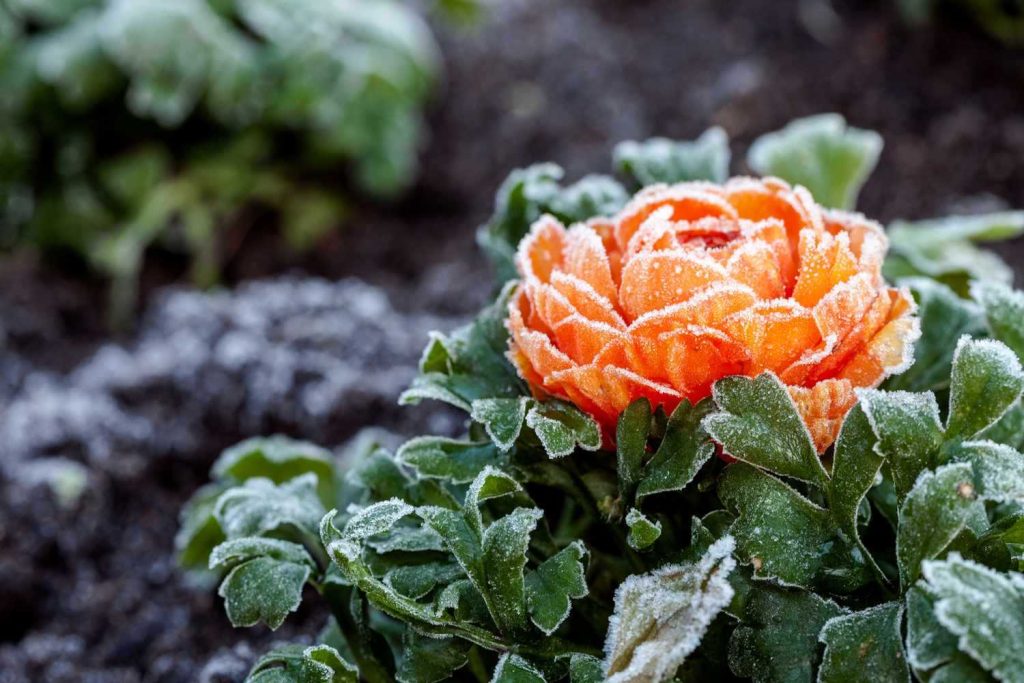
If you’re looking to bring some color and life to your winter garden, you’re in luck! There are several winter flowers that bloom even in the cold, adding beauty and charm to your landscape. From the vibrant crocus to the delicate hellebore, these resilient plants can provide a much-needed burst of color during the dreary winter months. Not only do they brighten up your garden, but they can also attract pollinators, offering them a valuable food source when little else is available. Choosing the right winter flowers can transform your outdoor space, making it a delightful place to be, even when temperatures drop. Let’s explore some stunning options that will thrive in the chill of winter.

Winter Flowers That Bloom In The Cold
Winter might be cold and dreary, but it can also be a vibrant time for flowers. While many plants go dormant during the chilly months, some remarkable winter flowers manage to bloom and bring life to your garden. These hardy flowers not only add color but also give hope during the coldest days of the year. Let’s explore some of the best winter flowers that thrive in the cold.
The Beauty of Winter Blooms
Winter flowers offer a unique beauty that contrasts starkly with the snowy landscapes. These blooms are resilient and are specifically adapted to survive harsh conditions.
– Many winter flowers are perennial, meaning they come back year after year.
– They play a crucial role in supporting pollinators during the winter months.
– Their bright colors can lift spirits during the long, gray days.
Popular Winter Flowers
There are several popular winter flowers that you can include in your garden. Here are some of the top choices:
- Hellebores: Often called Christmas roses, these flowers bloom in late winter and come in various shades like white, pink, and purple.
- Cyclamen: With its heart-shaped leaves and beautiful flowers, cyclamen can bloom in winter, adding vibrant colors to your garden.
- Winter Jasmine: This shrub produces bright yellow flowers that bloom in late winter, bringing warmth to the landscape.
- Snowdrops: These petite, white flowers often peek out of the snow, signaling the arrival of spring.
Understanding Their Growth Conditions
Each winter flower has specific growing conditions that help them thrive.
– **Sunlight:** Most winter flowers prefer partial to full sunlight.
– **Soil:** Well-drained soil is essential to prevent root rot.
– **Water:** While they are cold-tolerant, they still need moisture, especially during dry spells.
Hellebores: The Christmas Rose
Hellebores are one of the most well-known winter blooms. They usually start flowering from late winter to early spring.
– They can tolerate shade, making them perfect for gardens with less sunlight.
– Hellebores have leathery leaves, which can stay green even in snow.
Cyclamen: A Charming Addition
Cyclamen is celebrated for its unique flower shape and vibrant colors. They bloom from winter through spring.
– These flowers prefer cooler temperatures and moist, well-drained soil.
– Cyclamen can be planted outdoors or grown indoors in pots.
Winter Jasmine: Bright and Cheerful
Winter jasmine is a scrambling plant that produces cheerful yellow flowers. It blooms from late winter to early spring.
– This hardy shrub can grow in various conditions, from sun to partial shade.
– It is often used as ground cover or for training against walls.
Snowdrops: The First Sign of Spring
Snowdrops are among the first flowers to bloom, often breaking through snow. They bloom from late winter to early spring.
– These delicate flowers are resilient and thrive in various soil types.
– Snowdrops are commonly found in shady areas or under trees.
Planting and Caring for Winter Flowers
Planting winter flowers requires some care to ensure they flourish. Here are some tips for growing them successfully:
- Timing: Plant before the first frost for the best results.
- Spacing: Give each plant enough space to breathe and grow.
- Mulching: Use mulch to protect the roots from extreme cold.
Creating a Winter Flower Garden
Designing a winter flower garden can turn your yard into a seasonal wonderland. Here are a few ideas:
– **Layering:** Plant taller winter flowers in the back and smaller ones in the front to create depth.
– **Color Contrast:** Choose flowers with contrasting colors for visual interest.
– **Evergreens:** Include evergreen plants to provide a backdrop and year-round structure.
The Importance of Winter Flowers for Wildlife
Winter flowers play a significant role in supporting wildlife. During winter, food sources can be scarce.
– **Pollinator Support:** Many winter blooms attract early pollinators like bees.
– **Habitat:** These plants provide shelter and nesting materials for birds and insects.
Fun Facts About Winter Flowers
Here are some fun facts that show just how fascinating winter flowers can be:
- Adaptability: Winter flowers have special adaptations to survive cold temperatures.
- Medicinal Uses: Some winter flowers, like hellebores, have been used in traditional medicine.
- Historical Significance: Snowdrops have been symbols of hope for many cultures throughout history.
Winter flowers add beauty and life to your garden during the coldest months. By choosing the right varieties and caring for them properly, you can enjoy a colorful landscape even in winter. Whether it’s the delicate snowdrop or the bold hellebore, each flower brings its charm and resilience, reminding us that beauty can thrive, even in the cold. Exploring the unique characteristics and care requirements of these winter blooms can help you create an inviting sanctuary that supports both your aesthetic and local wildlife. So don’t shy away from planting these cold-tolerant flowers, as they undoubtedly offer joy and color throughout the winter season.
Top 7 Winter Flowers That Bloom Beautifully — Even in Cold Weather 🥶❄️⛄️
Frequently Asked Questions
What are some common winter flowers that thrive in cold climates?
Common winter flowers that thrive in cold climates include pansies, violas, hellebores, and winter jasmine. These plants can withstand frost and even snow, adding color to gardens during the cold months. They often bloom in late winter to early spring, bringing life to the otherwise dormant landscape.
How can I care for winter flowers to ensure they bloom well?
Caring for winter flowers involves choosing the right location, ensuring adequate drainage, and providing supplemental water during dry spells. Mulching can help regulate soil temperature and retain moisture. Additionally, removing any dead leaves or spent blooms encourages healthier growth and flowering.
Can I plant winter flowers in containers?
Yes, many winter flowers thrive in containers. Pansies and violas are popular choices for pots, as they can handle temperatures below freezing. Ensure that the containers have good drainage and place them in a sheltered location to protect them from harsh winds.
What conditions do winter flowers need to survive?
Winter flowers need well-drained soil, adequate sunlight, and protection from extreme weather conditions. Many do well in partial to full sun, and it’s important to monitor soil moisture to prevent root rot. Some may also benefit from a layer of mulch to insulate their roots during extremely cold spells.
Are winter flowers resistant to pests and diseases?
While winter flowers are generally hardier than other plants, they can still be susceptible to pests like aphids and diseases such as powdery mildew. Regularly inspecting the plants and keeping the garden clean can help prevent these issues. Using organic treatments can also control any infestations without harming the plants.
Which winter flowers provide the best color during colder months?
Pansies and violas provide vibrant colors throughout the winter season, while hellebores bring beautiful blooms in shades of white, pink, and purple. Winter jasmine offers bright yellow flowers, creating a lovely contrast against the winter landscape. These varieties add brightness and cheer to gardens during the colder months.
Final Thoughts
Winter Flowers That Bloom In The Cold bring joy even in the frostiest months. With vibrant colors and unique structures, these blooms brighten dreary landscapes and provide hope for the warmer days ahead. From the cheerful hellebore to the resilient snowdrop, these flowers showcase nature’s ability to thrive against the odds. Embrace the beauty of winter flowers and let them inspire you during the cold season.