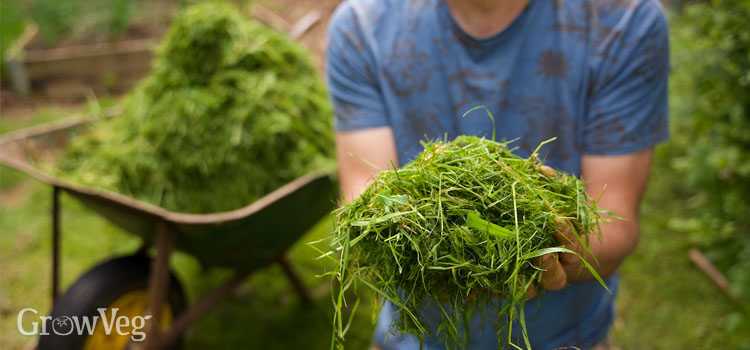
Using grass clippings as mulch is a fantastic way to recycle your yard waste while benefiting your garden. Simply spread a thin layer of dried grass clippings around your plants to retain moisture, suppress weeds, and enrich the soil as they decompose. This not only helps improve your garden’s health but also reduces waste and saves you money on store-bought mulch. To get started, be sure to let the clippings dry out a bit before applying them, as fresh clippings can mat down and create a barrier that prevents water from reaching the soil. With just a little effort, you can transform those clippings into a valuable resource for your garden.
Grass clippings can be an absolute game changer for your garden! They are rich in nutrients and can serve multiple purposes. Whether you’re looking to retain moisture, suppress weeds, or improve soil quality, using grass clippings as mulch is an easy and eco-friendly solution. Just remember to use them properly, and you’ll have gorgeous, thriving plants in no time.

“`html
Ways To Use Grass Clippings As Mulch
Grass clippings are often an overlooked resource in gardening and landscaping. Using grass clippings as mulch is both eco-friendly and economical. This practice not only reduces waste but also provides numerous benefits to your garden or lawn.
What Are Grass Clippings?
Grass clippings are the cut pieces of grass that accumulate when mowing lawns. They are rich in nutrients and can be a great addition to your gardening practices.
Benefits of Using Grass Clippings as Mulch
Using grass clippings as mulch offers several advantages:
- Moisture retention: Grass clippings help retain soil moisture, reducing the need for frequent watering.
- Weed suppression: A layer of clippings can prevent weed growth by blocking sunlight.
- Soil enrichment: As clippings decompose, they return essential nutrients back to the soil.
- Cost-effective: Instead of purchasing mulch, you can reuse what you already have at home.
How to Use Grass Clippings as Mulch Effectively
To maximize the benefits of grass clippings, it’s essential to apply them correctly. Here are some guidelines to follow:
1. Collecting Grass Clippings
After mowing your lawn, collect the grass clippings. You can use a bag attachment on your mower or rake them into piles. Make sure the clippings are dry to prevent them from clumping and creating a barrier that water cannot penetrate.
2. Applying Grass Clippings
Spread the grass clippings in a layer that’s about 1 to 3 inches thick around your plants. Avoid piling them against the stems to prevent rot. Instead, ensure there’s a small gap around the base of plants.
3. Mixing with Other Materials
For better results, consider mixing grass clippings with other mulch materials. Combining them with leaves, straw, or wood chips can create a more balanced mulch layer. This approach can also help improve airflow and prevent mats from forming.
Different Applications of Grass Clippings as Mulch
Grass clippings can be used in various areas of your garden or lawn. Here are some of the most effective applications:
In Vegetable Gardens
Using grass clippings in vegetable gardens helps keep weeds down and retains moisture. They can also provide nutrients as they break down, promoting healthy plant growth.
For Flower Beds
Flower beds benefit significantly from grass clippings. A layer of clippings protects flowers’ roots from harsh weather and helps keep the soil temperature steady.
In Around Trees and Shrubs
Applying grass clippings around trees and shrubs can protect them from extreme temperatures. This practice also lowers evaporation rates from the soil.
Considerations When Using Grass Clippings as Mulch
While grass clippings offer many benefits, there are a few considerations to keep in mind:
1. Pesticides and Fertilizers
If you use chemicals on your lawn, avoid using those clippings as mulch. Chemicals can transfer to the soil and potentially harm your plants. Always check the labels on any products you use.
2. Overuse Can Lead to Problems
Using too many grass clippings at once can create a thick mat that prevents water and air from reaching the soil. It can also promote disease. Keeping layers thin is crucial.
3. Timing of Application
It’s best to apply clippings shortly after mowing when they are fresh. If left too long, they can become too compact and create issues with decomposition.
Composting with Grass Clippings
Another great way to use grass clippings is by adding them to your compost pile. Grass clippings are considered green materials, which are high in nitrogen.
Creating a Balanced Compost Pile
To create a balanced compost pile, you’ll want to mix grass clippings with brown materials, such as dried leaves or cardboard. A good ratio is about 2:1 of brown to green materials.
Benefits of Composting Grass Clippings
When grass clippings decompose in compost, they break down into nutrient-rich soil. This compost can then be used to enrich your garden beds or lawn, making it a great way to recycle your grass clippings.
Grass Clippings in Different Climates
Depending on where you live, the use of grass clippings can differ. Here’s how it can vary in different climates:
In Hot Climates
In hot regions, grass clippings can help keep the soil cool. Their insulating properties reduce evaporation, helping your plants conserve moisture.
In Cold Climates
In colder regions, applying grass clippings as mulch can help protect the soil from freezing temperatures. A good layer acts as insulation, promoting a warmer soil environment for plant roots.
Recycling Grass Clippings Through Lawn Care
In addition to using clippings as mulch, you can recycle them through smart lawn care practices.
Leave Them on the Lawn
Instead of collecting clippings, consider leaving them on the lawn during mowing. This practice, known as grass cycling, returns nutrients back to your lawn.
Regular Lawn Maintenance
Maintaining your lawn’s health through regular mowing and the right fertilization schedule will produce healthy grass, leading to high-quality clippings. Healthy clippings are then more beneficial when used as mulch or compost.
Using grass clippings as mulch is a simple yet effective way to improve your garden’s health. They offer moisture retention, weed suppression, and rich nutrients. Plus, it’s a sustainable practice that helps recycle waste. By following the guidelines outlined above, you can make the most of this easy-to-find resource in your gardening routine.
“`
The Simple Right Way to Use Grass Clipping as a Garden Mulch – Conserve Water!: Two Minute TRG Tips
Frequently Asked Questions
Can I use fresh grass clippings directly as mulch?
Using fresh grass clippings directly as mulch is possible, but it’s best to let them dry out first. Fresh clippings can create a dense mat that may prevent water and air from reaching the soil. Allowing them to dry will ensure better aeration and reduce the risk of creating a slimy layer that can harbor pests and diseases.
How thick should I apply grass clippings as mulch?
When applying grass clippings as mulch, aim for a thickness of about 1 to 2 inches. A thicker layer may smother plants and hinder water penetration, while a thinner layer may not effectively suppress weeds. Monitor the mulch regularly and replenish it as needed to maintain the desired thickness.
Will using grass clippings attract pests to my garden?
Grass clippings can attract pests if they are fresh and not dried out, as these can provide a moist environment for insects and slugs. To minimize pest attraction, allow clippings to dry before applying them as mulch and mix them with other materials like leaves or straw to create a balanced mulch that is less inviting to pests.
Can I mix grass clippings with other types of mulch?
Mixing grass clippings with other types of mulch, such as wood chips, straw, or shredded leaves, can enhance the benefits of mulching. This combination improves texture, air circulation, and moisture retention while reducing the risk of matting with just grass clippings. Aim for a balanced mix to take advantage of the strengths of each material.
How do grass clippings affect soil nutrition?
Grass clippings are rich in nitrogen, which contributes to soil fertility as they decompose. This addition enriches the soil and promotes healthy plant growth. Over time, grass clippings break down and release nutrients that plants can readily absorb, making them an excellent organic mulch choice.
Final Thoughts
Using grass clippings as mulch offers numerous benefits for your garden. They provide excellent insulation for soil, helping to retain moisture and suppress weeds effectively. Additionally, grass clippings enrich the soil as they decompose, adding valuable nutrients back to the ground.
When exploring the various ways to use grass clippings as mulch, remember to apply them in a thin layer to avoid matting and odor issues. By following these simple guidelines, you can enhance your gardening experience while promoting a healthy ecosystem. Embrace these methods for a thriving garden.