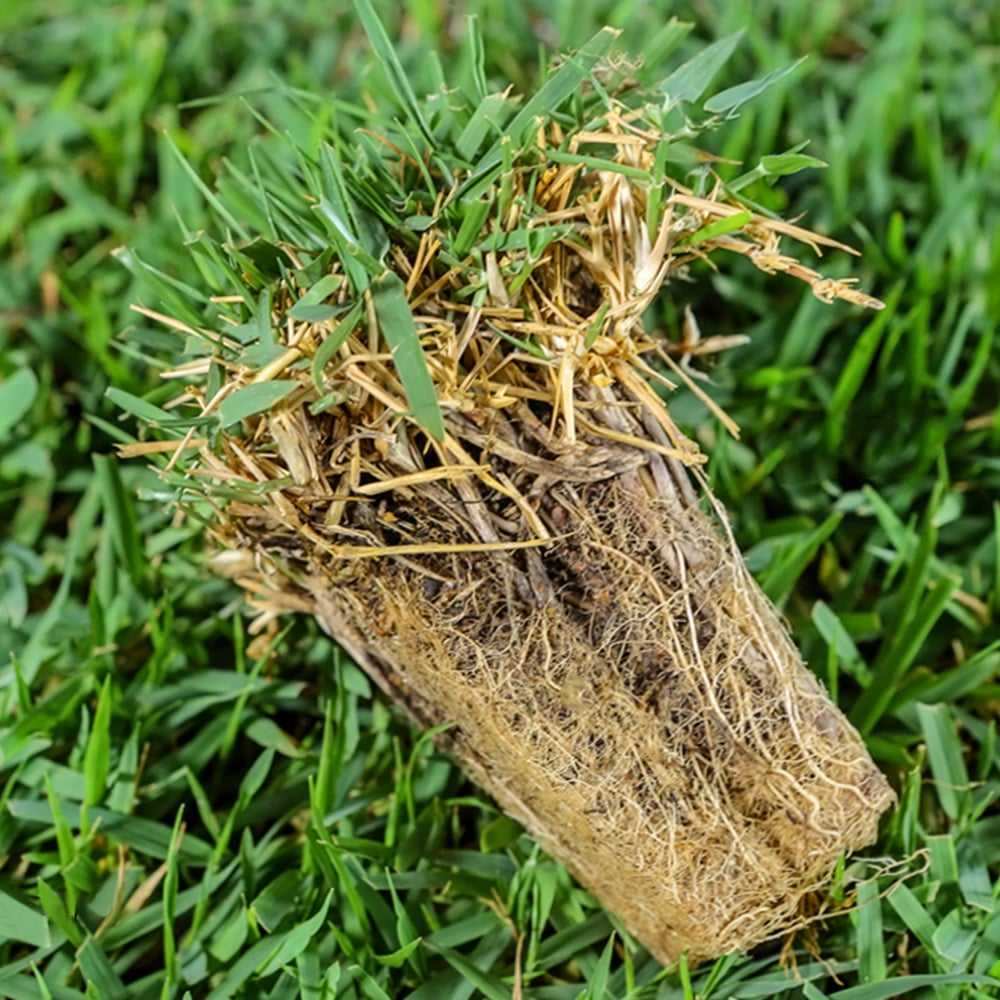
If you have a fescue lawn that struggles through hot summers, you’ve probably noticed patches of a coarser, thicker grass creeping in. That’s likely Zoysia — and yes, it can eventually take over your fescue. But the outcome depends on your climate, soil, and how you manage the transition. This article explains exactly how Zoysia competes against fescue, what speeds up or slows down the takeover, and what you can do to steer the process.
Understanding the Two Grasses
Zoysia and tall fescue are fundamentally different plants. One thrives in heat, the other in cool weather. Knowing their strengths and weaknesses is the first step to predicting which one will win in your yard. For more on this, see our guide on will zoysia grass take over bermuda 3.
Zoysia Grass – Warm‑Season Aggressor
Zoysia is a warm‑season perennial that spreads by both rhizomes (underground stems) and stolons (above‑ground runners). This dual spreading system allows it to fill in bare spots and push into neighboring turf. It grows actively when soil temperatures stay above 60°F, typically from late spring through early fall. During summer heat, Zoysia stays green and dense, while cool‑season grasses like fescue often go dormant or struggle.
In practice, a well‑established Zoysia lawn can choke out most weeds and other grasses simply by forming a thick mat that blocks sunlight. Modern Zoysia cultivars, such as ‘Meyer’ or ‘Empire’, have improved cold tolerance and faster establishment than older varieties.
Tall Fescue – Cool‑Season Classic
Tall fescue is a bunch‑type grass that grows in clumps rather than spreading. It does not produce rhizomes or stolons, so it fills gaps only through tillering (new shoots from the same crown). Fescue’s deep root system (up to 3 feet) gives it decent drought tolerance, but it still requires regular watering during summer to stay green. It excels in partial shade and cooler regions, with peak growth in spring and fall.
Because fescue doesn’t spread laterally, it is vulnerable to invasion by aggressive spreading grasses. Once Zoysia gets a foothold, fescue has no natural mechanism to reclaim the space.
Can Zoysia Actually Take Over Fescue?
Yes, Zoysia can take over fescue, but the speed and certainty depend on several factors. In warm, humid climates (USDA zones 6–9), Zoysia has a clear advantage. In cooler zones or heavily shaded yards, fescue may hold its own for years.
Factors That Give Zoysia the Edge
- Climate: Zoysia thrives in temperatures above 80°F. Summers in the transition zone (like the mid‑Atlantic or lower Midwest) give Zoysia a long growing season to expand. Fescue, meanwhile, struggles and may thin out, leaving openings for Zoysia.
- Spreading mechanism: Zoysia’s rhizomes and stolons allow it to creep into fescue territory inch by inch. A single Zoysia plug can expand to a 2‑foot diameter within two seasons.
- Drought resistance: Once established, Zoysia needs far less water than fescue. If you reduce supplemental watering during summer, fescue weakens and Zoysia gains ground.
- Mowing height: Zoysia is often mowed shorter (1–2 inches) than fescue (3–4 inches). If you mow at a height that favors Zoysia, you stress the fescue and give Zoysia more light.
Where Fescue Holds Its Ground
- Shade: Zoysia requires full sun (6–8 hours daily). In shaded areas, fescue will outcompete Zoysia.
- Cooler climates: In USDA zones 4–5, Zoysia’s growing season is short, and winter kill can set it back. Fescue stays green longer and recovers faster.
- Poor soil compaction: Zoysia’s rhizomes struggle in heavily compacted clay. Aerating the soil helps, but fescue’s deep taproots can tolerate compaction better.
A common mistake is assuming Zoysia will take over everywhere. In practice, many homeowners end up with a patchy lawn where Zoysia dominates sunny spots and fescue lingers in shade. That mixed look can be acceptable, but if you want a uniform lawn, you need to manage the transition actively.
How Long Does the Takeover Take?
Under optimal conditions, Zoysia can start visibly overtaking fescue within one growing season. A full takeover — meaning less than 10% fescue remaining — usually takes two to three full seasons. In cooler climates or with less aggressive management, it may stretch to five years.
The timeline depends on your starting point. If you plant Zoysia plugs into an existing fescue lawn, expect the plugs to spread about 1–2 inches per month during peak summer. By the end of the second summer, those plugs may have merged into a continuous mat. If you are relying on Zoysia already present in the lawn (from a previous planting or encroachment), the process is slower because the Zoysia patches are smaller and more scattered.
Strategies to Encourage Zoysia Over Fescue
If you want Zoysia to dominate, you can tip the scales with deliberate lawn care. The following steps are based on practical experience from turf managers and homeowners who have successfully converted fescue lawns.
1. Prepare the Soil
Zoysia establishes faster in loose, well‑drained soil. Aerate the lawn in late spring to reduce compaction — this helps Zoysia rhizomes penetrate deeper. If your soil pH is below 6.0, apply lime according to a soil test. Zoysia prefers a pH between 6.0 and 7.0.
2. Introduce Zoysia Plugs or Sod
The most reliable method is to plant Zoysia plugs (2–4 inches apart) in the fescue lawn. Plugs establish faster than seed and give Zoysia a head start. You can also lay Zoysia sod over bare areas, but that is more expensive. Overseeding Zoysia seed into fescue is less effective because Zoysia seed germinates slowly and can be outcompeted by fescue in the first few weeks.
3. Adjust Mowing and Watering
- Mow Zoysia at 1.5–2 inches during the growing season. This encourages lateral spread and exposes fescue to more stress.
- Water deeply but infrequently — 1 inch per week is enough for Zoysia. Fescue will suffer under this regime, especially in summer.
- Avoid mowing when the lawn is wet, as that can spread disease. Keeping your equipment running smoothly is essential — routine upkeep of your mower, including a clogged intake and proper blade sharpening, ensures a clean cut that doesn’t damage Zoysia runners.
4. Use Selective Herbicides Sparingly
Some herbicides that kill fescue without harming Zoysia exist (e.g., fluazifop). However, using them too aggressively can leave bare soil that weeds invade. A better approach is to spot‑treat stubborn fescue clumps in late spring when Zoysia is actively growing. Always follow label directions and consider consulting your local extension office.
5. Fertilize for Zoysia
Zoysia responds well to nitrogen in late spring and early summer, when it is actively growing. Apply a slow‑release fertilizer with an N‑P‑K ratio around 16‑4‑8 at a rate of 1 pound of nitrogen per 1,000 square feet. Avoid fertilizing fescue in summer — that only helps it compete.
Managing a Mixed Lawn During Transition
During the takeover period, you will have a patchwork of Zoysia and fescue. This is normal. To keep the lawn looking decent:
- Mow at the Zoysia height (1.5–2 inches). Fescue will look scalped, but it will survive.
- Water sparingly — let the fescue show stress in summer. This weakens it and gives Zoysia an edge.
- Hand‑pull or spot‑treat large fescue clumps in early fall. Fescue is easier to remove when it’s actively growing and the soil is moist.
If you want a more even look, consider a complete renovation: kill the entire lawn with a non‑selective herbicide, then plant Zoysia sod or seed. That resets the clock and gives you a pure Zoysia lawn in one season.
Frequently Asked Questions
Does Zoysia grass spread quickly enough to replace fescue entirely?
Yes, but only in sunny, warm areas. Zoysia spreads about 1–2 inches per month during summer. In a full‑sun yard, it can replace most fescue within 2–3 years. In shade, it will not replace fescue at all.
Can overseeding with Zoysia help it take over a fescue lawn?
Overseeding Zoysia seed into fescue is slow and unreliable. Zoysia seed germinates slowly and is easily choked out by existing fescue. Plugs or sod are far more effective.
What factors influence whether Zoysia will dominate over fescue?
Climate is the biggest factor. Warm summers, full sun, well‑drained soil, and mowing at 1.5–2 inches all favor Zoysia. Cool summers, shade, and heavy clay soil favor fescue.
Will the type of Zoysia grass matter in replacing fescue?
Yes. ‘Meyer’ Zoysia is a reliable spreader with good cold tolerance. ‘Empire’ is also aggressive. ‘Zenith’ is a seeded variety that works well but is slower to establish. Choose a cultivar suited to your region.
How long does it typically take for Zoysia to take over a fescue lawn?
Expect visible encroachment within one season, and a dominant Zoysia lawn within two to three seasons under good conditions. In cooler areas, it may take five or more years.
Final Thoughts
Zoysia grass can and will take over fescue in many lawns, especially where summers are hot and the yard gets plenty of sun. The process is natural and requires little active effort beyond adjusting your mowing and watering habits. If you want to speed it up, planting plugs, aerating the soil, and fertilizing in late spring will give Zoysia a clear advantage.
However, fescue still holds its ground in shade and cooler climates. Before you invest time and money, assess your specific conditions. For a full‑sun lawn in the transition zone, letting Zoysia take over is a low‑maintenance path to a drought‑tolerant, weed‑resistant turf. If you prefer a uniform look or need to cover shaded areas, consider a complete renovation or a mixed‑grass approach.
Remember, the key to a successful transition is consistency. Keep your mower well‑maintained, mow at the right height, and let the heat of summer do the work for you. For more on getting a deep green lawn, check out our guide to achieving that perfect color.