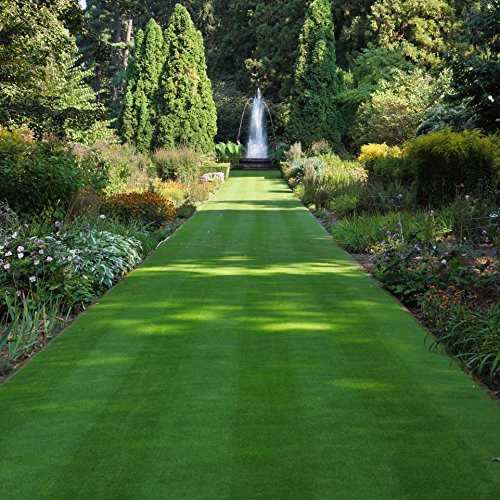
Yes, zoysia grass can grow in Minnesota, but it’s not the easiest choice due to the state’s cold winters. With proper selection of cold-tolerant varieties and some extra care, you can enjoy a lush, green lawn.
In summary, while traditional zoysia grass struggles with Minnesota’s harsh climate, certain hardy varieties like Zoysia japonica may survive with winter protection. However, for most homeowners, considering alternative grasses better suited to the cold might be more practical.
If you’re dreaming of a thick, verdant lawn in Minnesota, you might wonder if zoysia grass can thrive there. Many assume it’s only suitable for warmer regions, but recent developments in cold-hardy types have opened new possibilities. Still, because Minnesota experiences severe winters, growing zoysia successfully requires selecting the right variety and providing some additional care. It’s not impossible, but it demands effort and patience. Understanding the climate challenges and choosing the appropriate grass can help you achieve a beautiful yard, even in cooler environments.

Will Zoysia Grass Grow in Minnesota? A Complete Guide
Understanding Zoysia Grass and Its Growing Conditions
Zoysia grass is a warm-season turfgrass known for its dense growth and ability to create a lush, green lawn. It thrives best in regions with hot summers and mild winters. Typically, zoysia needs plenty of sunlight, well-drained soil, and consistent moisture to stay healthy and green.
In Minnesota, the climate is classified as humid continental, meaning cold winters and warm summers. This climate brings challenges for warm-season grasses like zoysia to survive year-round. To determine if zoysia can grow successfully, it’s important to look at its temperature and seasonal needs.
Zoysia grass goes dormant in colder weather, turning brown or yellow during winter months. This dormancy is natural but can be concerning for homeowners expecting a green lawn year-round. Understanding the dormancy cycle helps homeowners decide if zoysia is suitable for their lawn or if they should choose a grass better adapted to Minnesota’s climate.
Climate Compatibility and Zoysia Grass
Minnesota experiences cold winters with average lows reaching well below freezing. Zoysia grass generally requires temperatures above 50°F to actively grow and thrive. When temperatures drop below this threshold, the grass enters dormancy, and growth halts.
The key question is whether zoysia can survive the cold Minnesota winters. These grasses are hardy in USDA zones 6 through 10. Most parts of Minnesota fall into zones 3 through 5, which are colder than zoysia’s preferred zones. This means that in many areas, zoysia will not survive the prolonged cold season.
However, some zoysia cultivars have shown better cold tolerance. For example, **Zoysia japonica** varieties such as ‘Meyer’ and ‘Zeon’ are known for their ability to withstand slightly colder temperatures compared to other types. Yet, even these are likely to struggle in the harshest Minnesota winters.
Challenges of Growing Zoysia in Cold Climates
- Cold Hardiness: Most zoysia grasses are not adapted to survive prolonged exposure to sub-zero temperatures common in Minnesota. This results in winter kill or severe damage.
- Short Growing Season: Zoysia’s active growth period ends early in the fall and begins late in the spring, limiting its ability to establish and maintain a lush appearance in the state.
- Rough Dormancy: During dormancy, zoysia turns brown, which might not be desirable for homeowners seeking a vibrant green lawn throughout the year.
- Maintenance Concerns: To keep zoysia alive, you would need to take extra steps like soil heating or protective coverings, which may not be feasible or cost-effective.
Alternatives for Minnesotan Lawns
Given these challenges, homeowners in Minnesota often turn to grasses better suited to their climate. Some popular options include:
- Kentucky Bluegrass: Tolerant of cold winters and able to recover quickly from damage.
- Perennial Ryegrass: Quick to establish and withstands cold temperatures well.
- Fescues: Such as Fine Fescue and Tall Fescue, which thrive in shade and colder conditions.
Combining these grasses can create a durable lawn that remains green through Minnesota’s seasons.
Can Zoysia Grass Be Used as a Ground Cover in Minnesota?
While traditional lawn use might pose issues, zoysia can be used as ground cover in specific areas. For example, in warmer microclimates within Minnesota, such as southern parts, or under protective conditions, zoysia might survive.
Some homeowners grow it in containers or use it for landscape features where winter protection is possible. However, routine maintenance and winterization are essential if you want zoysia to recover each year.
Best Practices for Growing Zoysia in Marginal Climates
For those still interested in planting zoysia in Minnesota, here are some recommendations:
| Step | Practice |
|---|---|
| Soil Preparation | Ensure well-draining soil with appropriate pH levels. Amend soil as needed for optimal growth. |
| Timing | Plant in late spring after the last frost to maximize the growing season. |
| Establishment | Use sod or plugs to establish zoysia quickly. Keep soil moist during initial growth. |
| Winter Protection | Cover with mulch or use frost blankets to offer some insulation during cold spells. |
| Watering and Fertilization | Provide deep, infrequent watering and use fertilizers suitable for warm-season grasses. |
Even with these practices, success can be limited in colder zones.
Understanding Dormancy and Maintenance Needs
Zoysia naturally enters dormancy during winter months, turning brown. This is not a sign of poor health but an adaptation to cold weather.
During dormancy, reducing watering and avoiding fertilization prevents unnecessary stress. In early spring, as temperatures rise, zoysia will start greening again. Patience is vital when managing lawns with zoysia in Minnesota.
Summary of Key Points for Minnesota Lawn Owners
- Most zoysia varieties are not suitable for Minnesota’s cold climate due to their limited cold hardiness.
- Warm-season grasses like zoysia need temperatures above 50°F to grow actively, which is rare in winter.
- Using cold-tolerant grass types such as Kentucky Bluegrass or Fescues generally yields better results.
- In some microclimates or with extra protection, zoysia may survive; however, its success is not guaranteed.
- Winter dormancy is natural for zoysia, and proper lawn management helps maintain its health.
In conclusion, while zoysia grass might be an appealing option for warm regions, it is generally not recommended for Minnesota lawns due to its inability to withstand cold winters. Homeowners seeking a lush, green lawn should consider cool-season grasses better suited to Minnesota’s climate but can explore small-scale or protected planting of zoysia if desired. Proper selection of grass type tailored to your environment helps ensure a healthy, resilient lawn year-round.
3 reasons to use Zoysia over Bermuda.
Frequently Asked Questions
Can Zoysia grass survive Minnesota’s cold temperatures?
Zoysia grass struggles to survive Minnesota’s harsh winters because it is a warm-season grass. It prefers milder climates and cannot withstand prolonged freezing conditions. If you want a grass that stays green during the cooler months, Zoysia may not be the best choice without proper winter protection strategies.
What are the best practices for growing Zoysia grass in Minnesota’s climate?
Growing Zoysia in Minnesota requires careful planning. It’s essential to select a heat-tolerant Zoysia variety and plant it during the late spring after the danger of frost has passed. You should also prepare your soil properly, ensure adequate watering during the growing season, and consider overseeding with cool-season grasses to maintain a green lawn in winter.
Does Zoysia grass require specific maintenance in Minnesota?
Yes, Zoysia needs regular maintenance to thrive in Minnesota. This includes aeration, fertilization tailored to its growth cycle, and mowing at the correct height. Due to the colder climate, you might also need to implement winter protection techniques, such as covering the grass or applying anti-freeze formulas, to prevent winter damage.
Are there any Zoysia varieties suitable for Minnesota’s climate?
Some Zoysia varieties are more tolerant of cooler temperatures, such as Zoysia japonica ‘Meyer’ or Zoysia matrella. However, even these may not survive the coldest Minnesota winters without extra protection. It’s vital to talk to local turf experts to identify the best options suited for your specific location.
Is it practical to plant Zoysia on a new lawn in Minnesota?
For a new lawn, planting Zoysia in Minnesota presents challenges due to the climate. It is more practical to establish Zoysia in the warmer months and plan for winter protection. Alternatively, consider cool-season grasses like Kentucky bluegrass or fescue as a more reliable option for year-round greenery in this region.
Final Thoughts
In summary, Zoysia grass struggles to thrive in Minnesota’s colder climate. Its warm-season nature limits its growth during harsh winters.
Will zoysia grass grow in Minnesota? Likely not, due to these climatic challenges. Homeowners should consider cool-season grasses better suited for the region. Proper lawn choices ensure a healthy and lush yard year-round.