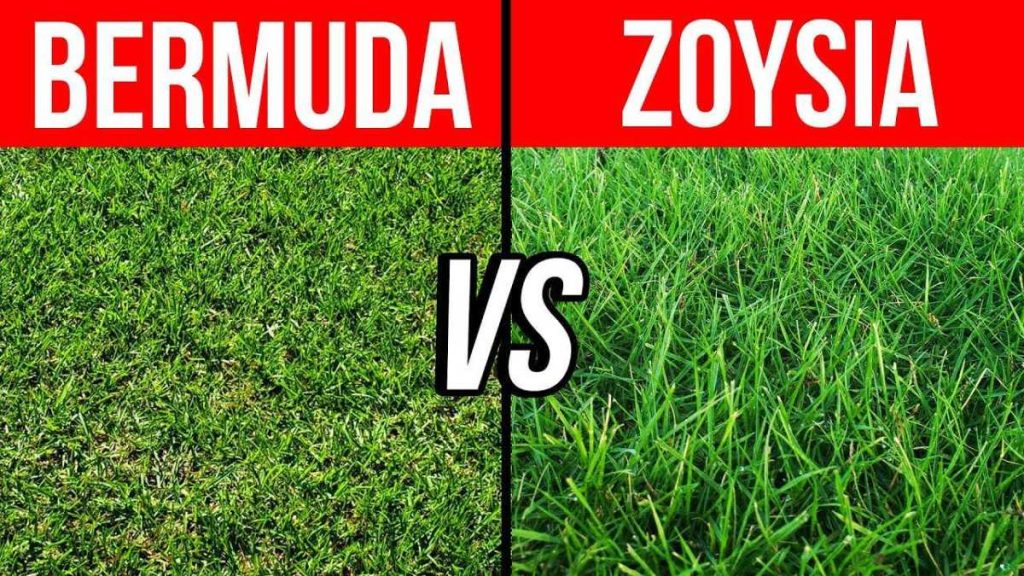
Yes, zoysia grass can eventually choke out Bermuda grass, but it takes time and proper conditions. Zoysia is a dense, slow-growing grass that can outcompete Bermuda in some cases, especially if it’s established well and maintained properly. However, whether it will completely replace Bermuda depends on factors like climate, soil, and lawn care practices.
Zoysia grass has the potential to choke out Bermuda grass, but it’s not an immediate process. It often involves a gradual takeover, especially in areas where zoysia thrives better. To encourage this, you need to focus on establishing a healthy zoysia lawn, maintaining proper mowing heights, and limiting Bermuda’s growth. Understanding the competitive dynamics between these grasses can help you plan your lawn care strategy effectively. Whether you’re aiming to replace Bermuda altogether or manage both, knowing how these grasses interact is key to achieving the perfect green yard.

Will Zoysia Grass Choke Out Bermuda? An In-Depth Look at Turf Competition
Understanding the Basics of Zoysia and Bermuda Grasses
Zoysia and Bermuda grasses are two popular choices for lawns and sports fields. Zoysia is known for its dense, fine-textured blades and drought tolerance. Bermuda grass, on the other hand, is appreciated for its fast growth and durability in high-traffic areas. Knowing their unique traits helps determine how they interact when planted together.
Can Zoysia Grass Suppress Bermuda Grass Growth?
The concern about whether Zoysia can choke out Bermuda is common among landscapers and homeowners. Generally, Zoysia forms a thick mat that can outcompete many weeds and grasses. Its dense growth habit can also suppress Bermuda, but several factors influence this interaction.
Growth Patterns and Competition
Zoysia spreads slowly but aggressively via rhizomes and stolons. Bermuda grows quickly through its prolific runners. When these grasses are planted close, Zoysia’s dense canopy can prevent Bermuda’s runners from establishing fully. However, Bermuda’s rapid growth may still challenge Zoysia over time.
Factors Influencing Turf Dominance
Multiple aspects affect which grass wins out in a turf mixture. These include soil type, watering habits, mowing practices, and fertilization routines. Proper management can tip the balance toward one grass or the other.
The Role of Soil and Climate Conditions
The environment plays a crucial role in turf competition. Zoysia prefers slightly acidic, well-draining soils, while Bermuda thrives in sandy, nutrient-rich soils. Both grasses love full sun and warm temperatures, making their coexistence possible in many regions.
Impact of Soil Fertility and Drainage
High soil fertility supports vigorous growth for both grasses, but over-fertilization can favor Bermuda’s fast growth. Good drainage minimizes root diseases that can weaken the grasses and give one an edge over the other.
Climate Compatibility
Both Zoysia and Bermuda flourish in similar climates, especially in USDA zones 7 through 10. Their overlapping climatic needs facilitate potential turf competition, where the better-maintained grass might prevail.
Mowing and Maintenance Techniques
Proper mowing height is essential for managing turf dominance. Zoysia is typically cut at 1 to 2 inches, whereas Bermuda is maintained at 0.5 to 1.5 inches.
Mowing Height and Frequency
Raising the mowing height for Bermuda can weaken its growth, giving Zoysia a chance to establish dominance. Conversely, lowering Bermuda’s mowing height can encourage its aggressive runners to spread further.
Watering and Fertilizing
Consistent watering promotes dense growth in both grasses. Fertilizing with appropriate nitrogen levels enhances turf vigor, but excessive use favors Bermuda’s rapid spread. Balanced fertilization supports a more controlled turf competition.
Strategies to Promote Zoysia and Suppress Bermuda
Achieving a Zoysia-dominant lawn involves specific practices. Here are effective methods to encourage Zoysia’s growth and limit Bermuda spread.
Selective Mowing
Mowing at higher heights favors Zoysia over Bermuda, which prefers lower cuts. Regularly raising the mower blade helps maintain Zoysia’s dense canopy.
Spot Treatments and Removal of Bermuda
Manual removal or targeted herbicide applications can reduce Bermuda patches. Using a non-selective herbicide carefully prevents damage to Zoysia.
Using Barriers and Proper Planting Techniques
Installing physical barriers like edging prevents Bermuda runners from encroaching into Zoysia areas. Proper planting density ensures Zoysia’s quick establishment and creates competition against Bermuda.
Comparing Turf Management and Cost Implications
Managing a lawn with both grasses involves ongoing effort. Zoysia requires less frequent mowing and can handle drought better. Bermuda, while quick to establish, needs regular maintenance to control its spread.
Cost of Maintenance
Zoysia’s slow growth reduces mowing needs and fertilizer applications, which can lower long-term costs. Bermuda’s aggressive growth pattern can increase mowing frequency and herbicide use, raising maintenance expenses.
Long-Term Turf Stability
A Zoysia-dominant lawn tends to be more stable over time with less intervention. Bermuda may require vigilant management to prevent it from overtaking other grasses.
Related Topics: Hybrid Lawns and Turf Alternatives
In some cases, blending Zoysia and Bermuda can create a resilient, low-maintenance lawn. Hybrid grasses or alternative turf options like St. Augustine or centipede grass may also be considered to balance growth and suppression.
Hybrid Grass Products
Some turf varieties combine traits of Zoysia and Bermuda for better shade tolerance and drought resistance. These hybrids can help reduce turf competition issues.
Alternative Turf Options
Choosing grasses suited to specific climate and soil conditions minimizes turf rivalry. For example, centipede grass offers a low-maintenance, shade-tolerant alternative.
Summary of Key Factors Influencing Turf Competition
| Factor | Effect on Turf Interaction |
|---|---|
| Soil Type | Well-draining, nutrient-rich soils support both grasses, but fertility levels can sway dominance |
| Watering | Consistent moisture promotes dense growth, favoring one or both grasses depending on management |
| Mowing Height | Higher mowing favors Zoysia; lower cuts encourage Bermuda spread |
| Fertilization | Balanced, moderate fertilization limits Bermuda’s rapid growth |
| Planting Density | Proper spacing supports Zoysia’s establishment, preventing Bermuda takeover |
Final Thoughts on Turf Competition
Zoysia can suppress Bermuda to some extent due to its dense mat-forming growth habit. Still, Bermuda’s quick spread makes complete control a challenge without consistent maintenance. The best approach involves understanding each grass’s needs, employing proper management techniques, and monitoring turf health regularly.
Remember, the success of a turf mixture depends heavily on the environment and maintenance practices. Focused efforts can tip the turf competition in favor of Zoysia, especially when starting with well-prepared soil and targeted management strategies.
New Way To Get Rid of Bermuda Grass In St Augustine (and Zoysia)
Frequently Asked Questions
Can Zoysia grass eventually overpower Bermuda grass in a lawn?
Yes, Zoysia grass can gradually spread and become dominant over Bermuda grass. Zoysia tends to form a dense sod that can outcompete Bermuda in certain conditions, especially if it is given proper care and space to establish. However, the rate at which this happens depends on environmental factors and lawn maintenance practices.
What management strategies help prevent Zoysia grass from overtaking Bermuda grass?
Regular mowing, controlling the growth rate through proper fertilization, and maintaining optimal watering habits help keep both grasses balanced. Overseeding or targeted removal of aggressive Zoysia patches can also prevent it from dominating certain areas, ensuring a healthy mix without one species overwhelming the other.
Does soil type influence which grass can choke out the other?
Yes, soil conditions such as drainage, fertility, and pH can favor one grass type over another. Zoysia prefers well-drained, slightly acidic soil, which can promote its spread more than Bermuda in certain situations. Adjusting soil conditions and choosing appropriate grass varieties for your soil can help control their competitive growth.
How does lawn maintenance impact the competition between Zoysia and Bermuda grasses?
Consistent maintenance routines, including appropriate mowing heights and fertilization schedules, influence how each grass competes for resources. Proper lawn care can prevent Zoysia from becoming overly aggressive and help Bermuda maintain its presence, ensuring a balanced turf.
Final Thoughts
Il est important de noter que zoysia grass peut effectivement rivaliser avec la bermuda. Cependant, sa capacité à la choke out dépend de plusieurs facteurs, tels que la qualité du sol et l’entretien.
Will zoysia grass choke out bermuda? La réponse varie selon les conditions. En général, zoysia peut supplanter la bermuda si elle est bien établie.
En conclusion, oui, zoysia grass peut choke out bermuda dans des conditions favorables, mais cela n’est pas garanti.