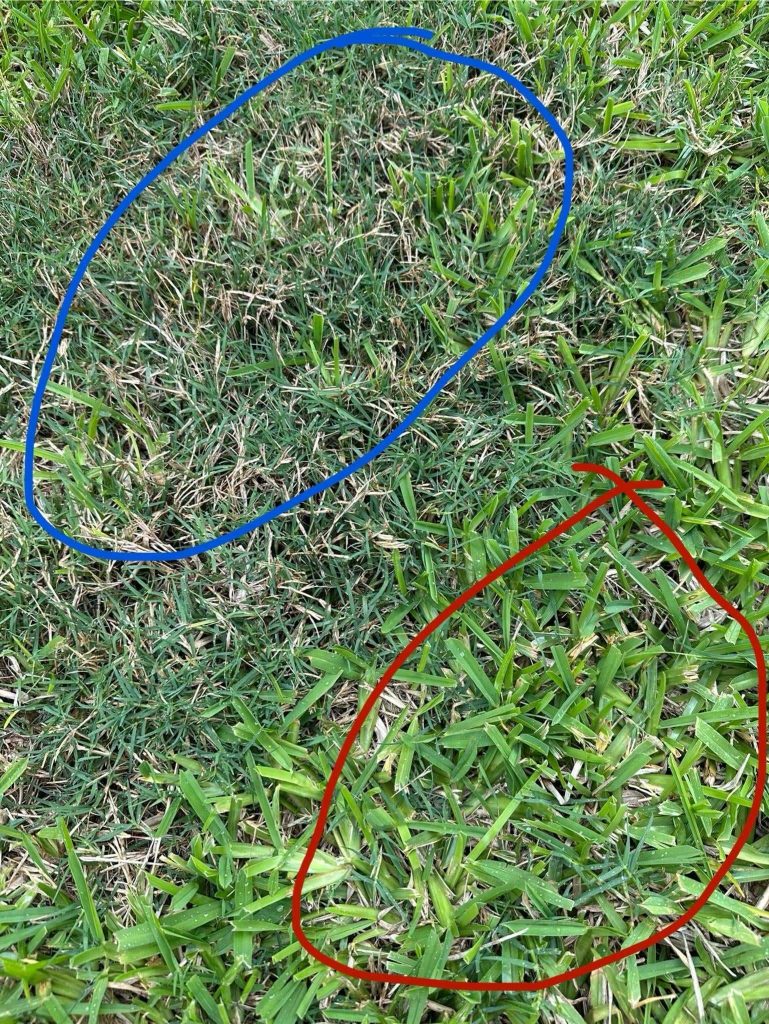
Yes, St. Augustine grass can eventually take over Bermuda grass, especially in shaded areas where it thrives better. However, in full sun, Bermuda tends to dominate more quickly. They can coexist for a time, but over several seasons, St. Augustine often encroaches on Bermuda’s territory if conditions favor it.
St. Augustine and Bermuda grasses are two popular turf choices, each with their own strengths and weaknesses. If you’re wondering whether St. Augustine grass will take over Bermuda, the answer depends on the growing conditions and maintenance practices. Many homeowners notice that in shaded spots or areas with higher humidity, St. Augustine gradually spreads and can outcompete Bermuda. But in sunnier, well-drained lawns, Bermuda usually remains dominant. If you’re planning a lawn renovation or just curious about how these grasses interact, understanding their growth habits can help you manage your yard better and promote a balanced, healthy turf.

Will St Augustine Grass Take Over Bermuda?
Introduction to St Augustine and Bermuda Grass
St Augustine and Bermuda grass are two popular choices for lawns in warm climates. Both grasses have unique qualities that make them suitable for different yard conditions. Many homeowners want to know if St Augustine can overtake Bermuda grass or vice versa.
What Are the Main Differences Between St Augustine and Bermuda Grass?
Understanding the differences helps us grasp how these grasses behave in a yard.
- Appearance: St Augustine has broad, flat blades, while Bermuda has finer, thinner blades.
- Growth Pattern: St Augustine spreads through surface runners called stolons, creating a dense carpet. Bermuda spreads through both stolons and underground rhizomes, making it very fast-growing.
- Climate Tolerance: Both thrive in warm temperatures, but Bermuda grasses handle drought better. St Augustine prefers more moist soils.
Can St Augustine Grass Take Over Bermuda Grass?
The possibility of St Augustine overtaking Bermuda grass depends on several factors.
Growth Rate and Spread
St Augustine spreads slower compared to Bermuda. Bermuda’s aggressive growth allows it to fill spaces quickly, often outcompeting other grasses.
Environmental Conditions
In moist and shaded areas, St Augustine can outcompete Bermuda due to its shade tolerance. Conversely, Bermuda thrives in full sun and dry conditions, making it less vulnerable to being overtaken.
Root System and Competition
Bermuda has a strong root system that helps it dominate the soil. St Augustine’s surface runners make it easier for it to spread horizontally, but Bermuda’s underground rhizomes give it an edge in competitive situations.
Factors That Influence Grass Competition
Several environmental and maintenance factors impact which grass dominates.
Sunlight Exposure
Bermuda prefers full sun and will dominate shady spots where St Augustine struggles.
Soil Quality and Moisture
Rich, moist soil favors St Augustine, allowing it to spread effectively. Well-drained, drier soil favors Bermuda’s growth and resilience.
Maintenance Practices
Regular mowing, watering, and fertilizing influence which grass thrives. Overly aggressive fertilization can boost Bermuda’s growth, making it harder for St Augustine to take over.
The Role of Lawn Management in Grass Competition
Proper lawn care can tip the balance between St Augustine and Bermuda.
Proper Mowing Techniques
Mowing at the correct height helps manage grass dominance. Bermuda is often cut shorter compared to St Augustine, which prefers slightly taller mowing heights.
Watering and Fertilization
Consistent watering favors St Augustine, whereas Bermuda can handle less water. Fertilize to promote desired grass, but avoid overfertilizing to prevent Bermuda from becoming invasive.
Overseeding and Lawn Renovation
If Bermuda begins to dominate, overseeding with St Augustine can help restore balance. Conversely, removing Bermuda patches may require digging or chemical spot treatments.
Controlling Bermuda Grass from Overrunning St Augustine
Controlling Bermuda requires specific strategies due to its aggressive growth.
Physical Barriers and Manual Removal
Installing edging or barriers can prevent Bermuda Rhizomes from encroaching into St Augustine areas. Manual removal involves pulling or digging out Bermuda runners.
Herbicide Options
Selective herbicides like glyphosate can target Bermuda, but use caution to avoid damaging St Augustine. Follow manufacturer instructions carefully to control Bermuda without harming desired grass.
Preventive Measures
Keeping your lawn healthy and dense reduces Bermuda’s foothold. Proper fertilization and mowing can suppress Bermuda’s spread naturally.
Which Grass Is Better for Your Climate?
Choosing between St Augustine and Bermuda depends on your local weather conditions.
St Augustine Preferences
This grass performs well in humid, shaded, or semi-shaded areas, common in coastal regions with moist soils.
Bermuda Preferences
Ideal for areas with hot, full sun, and drought-resistant properties. Bermuda is suitable for regions with frequent dry spells and hot temperatures.
Long-Term Lawn Planning and Grass Selection
Deciding which grass to plant depends on your yard’s specific needs.
- Site Conditions: Shade, sun, moisture, and soil type.
- Maintenance Willingness: How much time you can dedicate to lawn care.
- Desired Appearance: Texture, color, and density.
Summary of Key Points
– Bermuda grass grows faster and spreads through rhizomes and stolons, making it more invasive and competitive.
– St Augustine spreads via surface runners and prefers shaded, moist environments.
– In situations where conditions favor Bermuda, it may overtake St Augustine if not properly managed.
– Lawn management practices like mowing, fertilization, and physical barriers are essential for controlling grass dominance.
– Climate plays a pivotal role in which grass becomes dominant, with Bermuda thriving in dry, sunny conditions and St Augustine doing well in moist, shaded areas.
While Bermuda grass has the capacity to overtake St Augustine under certain conditions, proper lawn care and management can prevent this. Understanding the unique traits of each grass helps homeowners make informed decisions based on their climate and yard conditions. Regular maintenance, strategic planting, and targeted control methods keep your lawn healthy and balanced, avoiding unwanted turf dominance.
St. Augustine Grass can take over a Bermuda yard
Frequently Asked Questions
Can St. Augustine grass outgrow Bermuda grass in a lawn setting?
Yes, St. Augustine grass can spread quickly and may overtake Bermuda grass if conditions favor its growth, especially in shaded areas or regions with high humidity. Its dense growth habit allows it to fill in gaps and expand more rapidly than Bermuda grass in certain environments.
Will environmental conditions cause St. Augustine grass to dominate Bermuda grass?
Environmental factors such as shade, soil type, and moisture levels tend to favor St. Augustine grass over Bermuda. In shaded or moist areas, St. Augustine often thrives better, which can lead to it taking over parts of a mixed lawn where Bermuda struggles to compete.
Is it possible for St. Augustine grass to permanently replace Bermuda grass in a yard?
While St. Augustine can dominate Bermuda under ideal conditions, it is unlikely to permanently replace Bermuda entirely unless intentionally maintained and cultivated. Proper lawn management practices can help control one grass type from overtaking the other.
How do lawn maintenance practices influence the spread of St. Augustine grass into Bermuda areas?
Consistent mowing, fertilization, and watering practices significantly influence how these grasses spread. Regular mowing at the right height can prevent St. Augustine from spreading uncontrollably, while overwatering can promote its growth over Bermuda grass.
Are there specific plant characteristics that allow St. Augustine to outcompete Bermuda grass?
St. Augustine’s dense, coarse texture and its ability to root at nodes make it more aggressive in spreading across a lawn. These traits enable it to establish quickly and sometimes outcompete Bermuda grass, especially in favorable conditions.
Final Thoughts
In conclusion, the question of whether st augustine grass will take over bermuda remains uncertain. Factors like climate, soil type, and maintenance play crucial roles in shaping their competition. While st augustine grass can thrive in certain conditions, it may not completely replace bermuda in all areas. Ultimately, the dominance of either grass depends on specific environmental and care factors. Therefore, st augustine grass take over bermuda is not guaranteed but possible in suitable conditions.