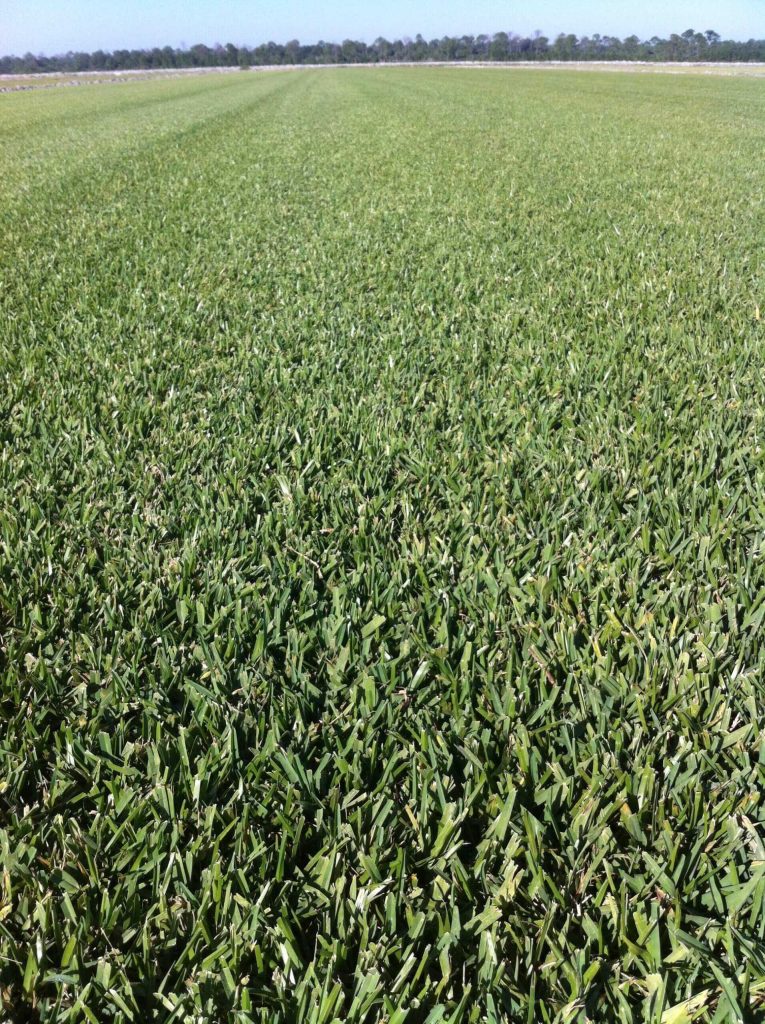
The best St. Augustine grass for South Florida is the Floratam variety, renowned for its lush green appearance and resistance to pests and heat. It’s a perfect choice to create a vibrant, durable lawn that thrives in warm, humid climates. With proper care, this grass can handle the high temperatures and occasional storms typical of South Florida, making it a reliable option for homeowners.
In summary, Floratam St. Augustine grass is the top pick for South Florida lawns due to its resilience and adaptability. It offers a thick, beautiful carpet that can withstand the region’s unique environmental challenges, ensuring a gorgeous yard all year round.
Choosing the right grass for South Florida can be a game-changer for your outdoor space. The region’s hot, humid climate demands a lawn that’s not only attractive but also tough enough to resist pests, drought, and foot traffic. St. Augustine grass is a popular option because of its dense growth and ability to handle these conditions. Among the many varieties, Floratam stands out as the best choice due to its superior heat tolerance, disease resistance, and low-maintenance requirements. Whether you’re starting from scratch or need to overseed, understanding which type of St. Augustine works best ensures your lawn stays vibrant and healthy, transforming your yard into a stunning outdoor retreat in South Florida’s sunny climate.

The Best St Augustine Grass for South Florida
Understanding St Augustine Grass and Its Popularity in South Florida
St Augustine grass is one of the most common warm-season grasses grown in South Florida. It thrives in hot, humid climates and handles the seaside environment well. Property owners favor it because of its lush green appearance and dense growth, which provides a beautiful lawn.
This grass grows quickly and is relatively easy to maintain, making it perfect for residential lawns and commercial landscapes. Its ability to tolerate shade also makes it versatile, especially in areas with varying sunlight exposure. Overall, St Augustine remains a top choice among Florida homeowners.
Factors to Consider When Choosing the Best St Augustine Grass
Selecting the right type of St Augustine grass depends on several key factors. Soil type, sunlight exposure, water availability, and level of foot traffic all influence the best choice for your lawn.
Understanding these factors helps ensure healthy growth and a vibrant lawn. It also reduces maintenance hassles and leads to a more sustainable, eco-friendly landscape. Keep in mind that soil quality in South Florida often includes sandy and alkaline conditions, which influence the choice of grass.
Common Types or Varieties of St Augustine Grass Suitable for South Florida
There are several varieties of St Augustine grass that perform well in South Florida. Each offers different benefits, such as improved shade tolerance, disease resistance, or drought endurance.
- Palmetto: Known for its fine texture and deep green color, Palmetto is highly shade tolerant and resistant to some diseases. It adapts well to a variety of soil conditions.
- Florida Cracker: This variety features a softer texture and dense growth. It is hardy, drought-tolerant, and performs well in sandy soils common in South Florida.
- Raleigh: Recognized for its vigorous growth and dark green color, Raleigh does well in sunny areas but requires more water and fertilization.
- Seville: An older variety that is very tolerant of shade and disease, but it may have a coarser texture compared to newer types.
The choice among these depends on your specific lawn conditions and aesthetic preferences.
Advantages of Using Palmetto St Augustine in South Florida
Palmetto is one of the most recommended varieties for South Florida lawns. It offers several advantages that make it stand out.
- Shade Tolerance: It handles shaded areas better than many other varieties, which is beneficial if your yard has trees or structures blocking sunlight.
- Fine Texture: Its softer, finer blades give your lawn a lush appearance and feel.
- Disease Resistance: Palmetto resists common issues like gray leaf spot and brown patch, reducing lawn care worries.
- Low Water Requirements: It needs less water compared to other grass types, helping save on watering costs.
For homeowners seeking a low-maintenance, attractive lawn, Palmetto is often the top choice.
Growing Conditions for Optimal St Augustine Lawn in South Florida
Providing the right growing conditions is essential for a healthy St Augustine lawn. South Florida’s climate offers ideal warmth and humidity, but some adaptations are necessary.
Soil Preparation and Fertilization
Ensuring fertile, well-drained soil promotes dense, green growth. Regular fertilization with an appropriate fertilizer blend supports overall health. A typical schedule involves fertilizing every six to eight weeks during the growing season.
Watering Guidelines
St Augustine grass prefers about 1 to 1.5 inches of water per week. Deep, infrequent watering encourages strong roots and drought resilience. Adjust watering schedules based on rainfall and temperature fluctuations.
Sunlight and Shade Balance
While St Augustine loves sunlight, some varieties like Palmetto thrive in shaded spots. Proper placement ensures vibrant, even growth and reduces stress on the grass.
Common Pests and Diseases Affecting St Augustine in South Florida
Understanding potential issues helps prevent widespread damage. South Florida’s warm climate can foster certain pests and diseases.
Pests to Watch For
- Chinch Bugs: These pests suck sap from grass blades, causing yellow patches and thinning turf.
- Armyworms: They chew on grass blades, leading to bald spots if untreated.
- Sod Webworms: They feed on the grass at night, causing irregular patches.
Common Diseases
- Gray Leaf Spot: Shows as grayish patches with possible fungal growth; resistant varieties like Palmetto can minimize occurrence.
- Brown Patch: Causes circular patches of dead or dying grass during humid conditions; proper watering and airflow help prevent it.
Monitoring and early treatment are key to maintaining lawn health and preventing pests and diseases.
Effective Maintenance Tips for a Healthy South Florida Lawn
Proper lawn care routines extend the lifespan and appearance of your St Augustine grass.
- Mowing: Keep the mower blade at 3 inches for optimal health and shade coverage.
- Watering: Water deeply once or twice a week, avoiding overwatering which can promote disease.
- Fertilizing: Use slow-release fertilizers rich in nitrogen to promote lush growth.
- Aeration: Aerate annually to reduce soil compaction and improve water and nutrient penetration.
- Weed Control: Apply pre-emergent herbicides to prevent weed invasion and manually remove unwanted plants.
Environmental Impact and Sustainable Practices
Choosing eco-friendly practices benefits your lawn and the environment. Use organic fertilizers when possible and avoid excess chemicals. Water conservation techniques, such as rain harvesting and drip irrigation, also support sustainability.
Local Regulations and Lawn Care Support in South Florida
South Florida communities often have landscaping guidelines and restrictions. Consulting local extension services can provide tailored advice. Hiring professional lawn care services ensures proper maintenance and disease management.
Summary of Best Practices for Growing St Augustine Grass in South Florida
To grow a vibrant lawn, select a variety suited to your conditions, such as Palmetto. Prepare your soil, water wisely, and fertilize regularly. Control pests early and mow at the correct height. With consistent care, your South Florida lawn can look lush year-round.
By understanding the specific needs of St Augustine grass in South Florida’s unique climate and soil conditions, you can enjoy a healthy, beautiful lawn that enhances your property’s curb appeal.
What's The BEST Fertilizer To Use On St. Augustine Grass? | It's NOT What You Might Think
Frequently Asked Questions
What factors should I consider when choosing St. Augustine grass for South Florida lawns?
When selecting St. Augustine grass for your South Florida yard, consider factors such as climate compatibility, sun exposure, soil type, and lawn usage. Choose a variety that tolerates high temperatures and humidity, thrives in full sun or partial shade, and suits your soil’s drainage and fertility. Additionally, think about the level of foot traffic and maintenance you can provide to ensure the grass remains healthy and lush throughout the year.
Are there specific St. Augustine grass varieties better suited for shaded areas in South Florida?
Yes, certain St. Augustine varieties perform better in shaded environments. For instance, ‘Seville’ and ‘Palmetto’ are known for their shade tolerance, making them suitable choices for lawns with limited direct sunlight. Selecting a shade-tolerant type helps maintain a green, dense lawn even under trees or structures that block sunlight, ensuring consistent coverage and appearance.
How does soil preparation influence the success of growing St. Augustine grass in South Florida?
Proper soil preparation enhances the grass’s ability to establish roots and thrive. Aerate the soil to improve drainage, and amend it with organic matter or fertilizers to provide essential nutrients. Performing a soil test helps determine pH levels and nutrient deficiencies, allowing you to make targeted adjustments. Well-prepared soil promotes healthy growth, resistance to pests, and a more resilient lawn overall.
What maintenance practices help sustain healthy St. Augustine grass in South Florida?
Consistent watering, regular mowing, and proper fertilization support healthy St. Augustine grass. Water deeply and infrequently to encourage deep root growth. Keep mowing heights around 2.5 to 4 inches to promote drought tolerance and weed suppression. Apply fertilizers according to recommended schedules, and control pests and diseases promptly to maintain a vibrant and dense lawn.
Can I plant St. Augustine grass in areas with high foot traffic in South Florida?
Yes, some varieties of St. Augustine grass are more durable and suitable for high-traffic zones. ‘Palmetto’ and ‘Raleigh’ are known for their wear tolerance. Ensure proper maintenance, including adequate watering and fertilization, to help the grass recover from foot traffic and maintain its appearance. Regular overseeding and reseeding can also help keep high-traffic areas lush and resilient.
Final Thoughts
The best st augustine grass for south florida offers excellent heat tolerance and dense growth, perfect for the warm climate. It requires minimal maintenance and resists pests well, making it ideal for homeowners. Choosing the right variety ensures a lush, green lawn that remains vibrant throughout the year. Proper care and selection are key to thriving in South Florida’s unique environment.