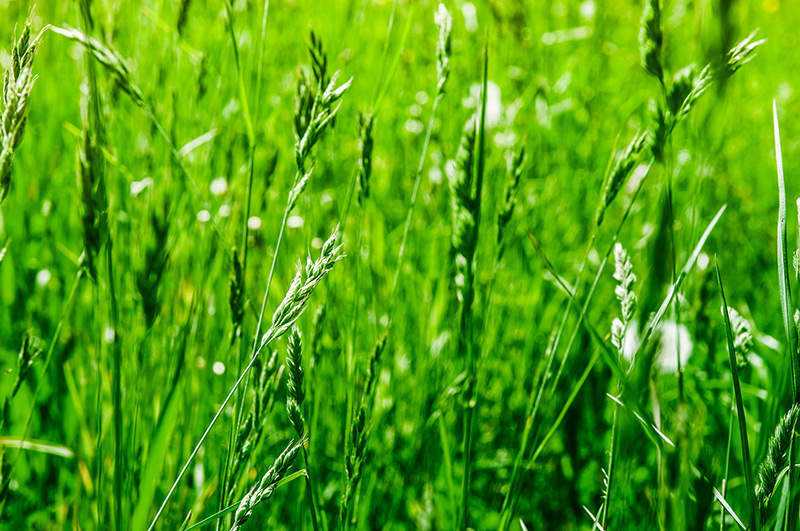
Yes, ryegrass can grow in winter, especially if planted in the right conditions. It is a cool-season grass that thrives in lower temperatures and can stay green even during colder months with proper care. However, its growth rate slows down in winter, and it may require extra attention to survive the chill.
Ryegrass, known for its rapid growth and lush green color, is a popular choice for lawns and pastures. While it prefers mild weather, certain varieties, like perennial ryegrass, can withstand winter temperatures and continue to grow, providing ground cover and preventing erosion. The key to successful winter growth lies in selecting the right type and providing adequate soil warmth, moisture, and protection from frost. If you’re considering planting ryegrass for a winter lawn or pasture, understanding its seasonal needs can help you achieve a vibrant, healthy patch of grass even in the colder months.

Will Ryegrass Grow in the Winter?
Many gardeners and landscapers wonder if ryegrass can grow during the colder months. The answer depends on the type of ryegrass and your local climate conditions. Understanding whether ryegrass can survive and thrive in winter helps you plan your lawn care better.
Types of Ryegrass and Their Winter Growing Capabilities
Annual Ryegrass
This type of ryegrass is designed to grow quickly for one season. It germinates in fall and tends to die off when winter arrives. However, in milder climates, annual ryegrass may persist slightly longer.
Annual ryegrass is less cold-tolerant. It often struggles to survive below freezing temperatures. For winter growth, it is more suitable in regions with mild winters.
Perennial Ryegrass
Perennial ryegrass is more adaptable and can often grow during winter in some areas. Its root system is deeper, allowing it to withstand colder weather better than annual ryegrass. In zones with mild winters, this type can stay green and grow through winter months.
However, in colder zones, perennial ryegrass may go dormant or experience minimal growth during winter.
Environmental Factors Affecting Ryegrass Growth in Winter
Temperature
Ryegrass generally prefers temperatures between 55°F and 75°F for optimal growth. When temperatures drop below 50°F, growth slows down significantly.
In regions where winter temperatures stay above freezing, ryegrass can sometimes survive and grow slowly.
Soil Conditions
Well-drained, fertile soil supports ryegrass growth, even in winter. Poor drainage can lead to root rot, especially during wetter winter months.
Maintaining soil health with proper aeration and fertilization encourages ryegrass resilience during cold weather.
Sunlight
Ryegrass needs adequate sunlight to grow. Shorter winter days with less sunlight can slow down growth or cause it to halt altogether.
Planting in areas with good sun exposure increases the chance of winter growth.
Can Ryegrass Be Overseeded in Winter?
Overseeding Strategies
Overseeding ryegrass in the fall prepares your lawn for winter by creating a lush, green surface. It is generally done in late summer or early fall for best results.
In later fall or early winter, overseeding may still work in milder climates, but success depends on temperature and moisture levels.
Timing for Overseeding
The best time to overseed is when soil temperatures are still above 50°F. This allows seedlings to establish roots before the coldest months arrive.
Late autumn overseeding in cold zones might result in poor germination, making spring a better time for new growth.
Winter Management for Ryegrass Lawns
Watering Tips
Water ryegrass regularly but avoid overwatering. Proper moisture levels promote healthy roots and resilience during winter stress.
During winter, less frequent watering is necessary since growth slows down, and evaporation is lower.
Fertilization Practices
Use a balanced fertilizer in fall to strengthen ryegrass before winter. Avoid heavy feeding in late winter, which can promote weak, young growth vulnerable to cold damage.
Applying slow-release fertilizers can help maintain steady nutrient supply during colder months.
Protection and Maintenance
Ryegrass can benefit from mulch or straw coverings in very cold areas. This insulation helps protect roots from frost damage.
It is essential to mow your ryegrass at appropriate heights to prevent disease and promote healthy regrowth in spring.
Signs of Ryegrass Dormancy and Winter Damage
Identifying Dormancy
Most ryegrass will turn brown or yellow during winter, indicating dormancy. This is a natural response to cold temperatures.
Green patches in winter usually mean the grass is actively growing, which is common in milder climates.
Handling Damage
If your ryegrass shows signs of winter damage, avoid heavy foot traffic to prevent further stress. Reseeding in early spring can restore patches.
Proper lawn care, including aeration and fertilization, helps ryegrass recover quicker after winter dormancy.
Related Topics and Alternatives
Other Cool-Season Grasses
- Kentucky Bluegrass
- Fine Fescue
- Chewings Fescue
These grasses also tolerate winter conditions and can complement or replace ryegrass depending on your climate and lawn needs.
Warm-Season Grasses
- Bermudagrass
- Zoysiagrass
These are not suitable for winter growth in colder zones but excel in warmer climates.
Other Lawn Care Tips for Winter
- Mowing less frequently and at higher heights
- Controlling weeds that may grow during winter
- Ensuring proper drainage and aeration to prevent compaction
Summary
Ryegrass, especially perennial types, can sometimes grow during winter in mild climates or regions with warmer winters. However, in colder zones, it mainly goes dormant and resumes growth in spring. Proper lawn management, soil care, and timing are crucial for encouraging winter growth or preparing your lawn for the cold season.
Perennial Ryegrass Pros and Cons
Frequently Asked Questions
Can ryegrass thrive during winter conditions?
Ryegrass can survive winter temperatures, especially if it is well-established before the cold sets in. It remains semi-dormant in colder months, slowing its growth but not dying out completely. Proper care, such as adequate watering and fertilization before winter, helps ensure the grass can endure the colder weather and bounce back when temperatures rise again.
What factors influence ryegrass growth in winter?
Several factors determine whether ryegrass can grow in winter, including soil temperature, sunlight exposure, and moisture levels. Ryegrass prefers cooler temperatures but will cease vigorous growth if temperatures drop too low or if the soil freezes. Adequate sunlight and well-drained soil help maintain healthier growth, even during the colder months.
Should I fertilize ryegrass in winter for better growth?
Fertilizing ryegrass in winter is generally not necessary unless you experience mild winters with consistent temperatures. Applying a light, balanced fertilizer in late fall before the coldest months can help strengthen the grass and promote resilience. Avoid heavy fertilization during extreme cold to prevent unnecessary stress on the plants.
How can I improve ryegrass’s winter resilience?
To improve ryegrass’s ability to withstand winter, plant it early in the season to establish a strong root system. Use appropriate soil amendments, such as lime or organic matter, to enhance soil quality. Providing adequate irrigation before the ground freezes can also help the grass conserve moisture and stay healthy through the colder months.
Will ryegrass die off if a harsh winter occurs?
While ryegrass is relatively hardy, extremely severe winter conditions, such as prolonged freezes or heavy snowfall, can damage or kill parts of the grass. Proper maintenance, like overseeding or applying protective coverings during severe cold spells, can help minimize winter damage and promote quicker recovery in spring.
Final Thoughts
Ryegrass can grow in winter if conditions are mild and temperatures stay above freezing. It thrives with adequate moisture and proper soil preparation.
However, cold snaps and frost can hinder its growth and cause damage.
Will ryegrass grow in the winter? Yes, but only under suitable weather conditions. Maintaining a good lawn care routine will help ensure healthy growth during colder months.