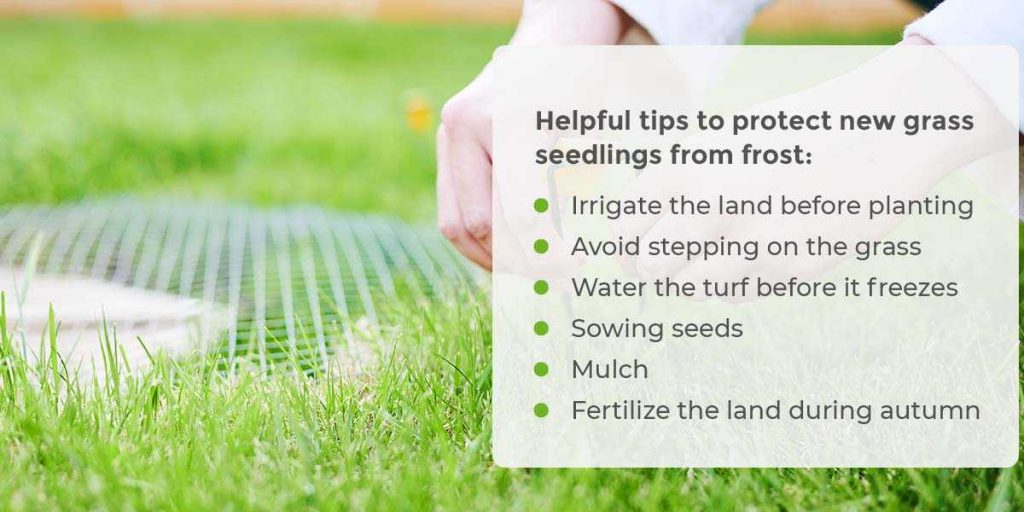
Yes, frost can kill ryegrass seed, but it depends on the severity and timing. Cooler temperatures and frost can damage or destroy the seed, especially if it occurs during germination or early growth stages. However, mature seeds may survive light frost, making it crucial to understand the timing of frost events to protect your ryegrass.
A quick answer is that frost can indeed kill ryegrass seed if it occurs during key stages of germination or early development. Protecting the seed during cold snaps can improve germination rates and establish a healthy lawn or pasture.
If you’re wondering whether frost will damage or kill your ryegrass seed, you’re not alone. Many gardeners and farmers worry about the impact of cold weather on their new plantings. Ryegrass is generally quite hardy, but young seeds and seedlings are more vulnerable to frost. Frost can inhibit germination, cause seed desiccation, or even kill developing plants, especially if it hits during the early stages. The timing and intensity of frost are important factors—mild frost might not do much damage, while hard freezes can wipe out your efforts. To give your ryegrass the best chance, it’s wise to plan planting schedules around local frost forecasts and consider frost protection methods if cold weather is expected.

Will Frost Kill Ryegrass Seed? Exploring the Impact of Cold Weather on Ryegrass Germination and Growth
Understanding Ryegrass and Its Growth Cycle
Ryegrass is a popular cool-season grass known for its lush green appearance and fast germination. It is often used in lawns, sports fields, and pastures because of its ability to establish quickly. Ryegrass germinates when soil temperatures are between 50°F and 65°F, making it ideal for cooler months.
The growth cycle of ryegrass involves several stages: seed dormancy, germination, seedling development, and mature growth. Each stage can be affected differently by environmental factors such as temperature, moisture, and frost. Knowing these stages helps determine how frost might influence seed viability.
What Happens to Ryegrass Seeds During Cold Weather?
Cold weather impacts ryegrass seeds primarily during the germination phase. If seeds are planted too early in the fall or winter and temperatures drop below freezing, it can hinder germination or harm young seedlings.
Frost can cause physical damage to seeds, especially if the soil temperature fluctuates rapidly. This damage might prevent seeds from sprouting properly or cause young plants to die back. However, mature ryegrass plants often tolerate frost better than new seeds.
Can Frost Kill Ryegrass Seeds? The Risks and Factors
The answer depends on several factors, including the timing of planting, seed quality, and severity of the frost. Generally, frost is less likely to kill mature ryegrass plants but can significantly affect seeds and seedlings.
- Seed age and health: Fresh, high-quality seeds are more resilient, but old or damaged seeds may be more susceptible to frost damage.
- Soil temperature: Soil temperatures below 32°F (0°C) can damage seeds or inhibit germination.
- Frost severity and duration: Light frosts lasting a few hours are less damaging than prolonged, hard frosts.
- Timing of planting: Seeds sown too late in the season are at higher risk during unexpected frost events.
In most cases, light frost may slow down germination or cause seed dormancy but rarely kills seeds outright, especially if the soil is well-prepared and not excessively frozen.
How to Protect Ryegrass Seeds from Frost Damage
To minimize the risk of frost killing ryegrass seed, consider several protective measures. Proper preparation and timely planting are essential for success.
Plant at the Right Time
Timing your planting to coincide with milder soil temperatures can help avoid frost damage. Typically, aim for planting when daytime temperatures are consistently above 50°F.
Use Soil Coverings
Applying a thin layer of straw, mulch, or crop cover can insulate the soil and protect seeds during cold nights.
Adjust Planting Depth
Plant seeds slightly deeper than usual—about 0.5 to 1 inch deep—to shield them from temperature fluctuations and frost.
Ensure Good Soil Drainage
Poorly drained soil can lead to freezing conditions that harm seeds. Improving drainage reduces the risk of water freezing around the seeds.
Consider Frost-Resistant Ryegrass Varieties
Some ryegrass cultivars are bred to tolerate colder temperatures better. Selecting these varieties is advantageous in regions with unpredictable frosts.
Effects of Frost on Germination and Young Ryegrass
Frost can delay germination, lead to uneven seedling emergence, or cause damage to tender young plants.
- Delayed germination: Cold temperatures slow down seed sprouting, leading to uneven growth.
- Seedling damage: Younger plants are more susceptible to frost injury, which can kill or stunt their development.
Despite these challenges, ryegrass often recovers quickly once temperatures rise, especially if damage is minimal. Proper site preparation and planting strategy can help mitigate these risks.
Understanding the Resilience of Ryegrass to Frost
While frost can harm seeds and young plants, mature ryegrass generally exhibits good frost tolerance. It can survive temperatures as low as 25°F (-4°C) if established well.
However, frost may cause temporary browning or dieback, but regrowth usually occurs when warmer temperatures return. Ensuring healthy, deep root systems during the growing season enhances resilience.
Alternative Strategies for Growing Ryegrass in Frost-Prone Areas
If you live in a region with frequent frost, some strategies can improve seedling survival:
- Plant in late fall or early spring: Choosing seasons with milder temperatures reduces frost risk.
- Use frost blankets or covers: Lightweight fabrics can insulate seedlings during cold nights.
- Start seeds indoors: Begin germinating seeds indoors, then transplant when conditions are suitable.
These methods increase the chances of successful ryegrass establishment despite cold weather challenges.
Impact of Climate Changes on Ryegrass and Frost Damage
Climate change can lead to unpredictable weather patterns, including unexpected frost events. This variability complicates planning for ryegrass planting.
Farmers and homeowners should stay informed about local weather forecasts and adjust planting schedules accordingly. Implementing frost protection measures becomes more critical in volatile climates.
Summary of Key Points
– Frost can damage ryegrass seeds, especially if planted too early or during unexpected cold snaps.
– Young seedlings are more vulnerable than established plants.
– Planting at the right time, protecting seeds with coverings, and selecting frost-tolerant varieties help reduce risks.
– Proper soil management and timing are vital for successful ryegrass growth in cold weather.
Related Topics for Further Exploration
- Best ryegrass varieties for different climates
- Soil preparation techniques for ryegrass planting
- Frost protection methods for lawns and sports fields
- Seasonal lawn care tips for cool-weather grass
Understanding how frost affects ryegrass seed helps plan better planting strategies. With proper timing and protection measures, you can improve germination success and ensure a healthy, green lawn even in colder months.
Will Frost Kill Grass Seed
Frequently Asked Questions
Can frost damage ryegrass seeds before they germinate?
Frost can harm ryegrass seeds if they are exposed to freezing temperatures before germination. Extremely cold conditions can cause the seed coat to crack or become damaged, potentially affecting germination rates. However, if the seeds are well-covered in soil or mulch, they are less likely to be directly impacted by frost.
Does planting ryegrass before a frost period affect seed viability?
Planting ryegrass just before a frost period might decrease seed viability if the soil temperature drops significantly. Cold soil can slow down germination or prevent the seeds from sprouting altogether. To improve success, plant seeds when soil temperatures are consistently above freezing and weather conditions are stable.
How can I protect ryegrass seeds from frost during planting?
To protect ryegrass seeds from frost, you should plant them during a period of warmer soil temperatures. Applying a layer of mulch over the sowing area can insulate the soil and shield seeds from extreme cold. Additionally, delaying planting until after the last expected frost reduces the risk of cold damage.
Will ryegrass seeds that survive a frost still grow healthily?
If ryegrass seeds withstand a frost without damage, they can still grow healthily. In fact, some cold exposure can even trigger early germination and lead to strong root development. Ensure the soil remains moist and the temperature is suitable for growth to support healthy development.
What signs indicate frost has affected ryegrass seed germination?
Signs that frost has impacted ryegrass seed germination include uneven sprouting, delayed emergence, or failure of certain seeds to sprout altogether. The seedlings that do emerge might appear weak or discolored if they suffered frost damage during early development stages. Monitoring soil temperature and seedling health helps determine if frost affected your planting.
Final Thoughts
Frost can damage ryegrass seed, but it typically won’t kill it outright if the seeds are properly stored and planted at the right time.
Seed resilience depends on how established the ryegrass is and the severity of the frost.
Will frost kill ryegrass seed? Generally, no, but extreme cold may weaken the seed’s viability over time.
Proper planning ensures successful germination despite cold weather conditions.