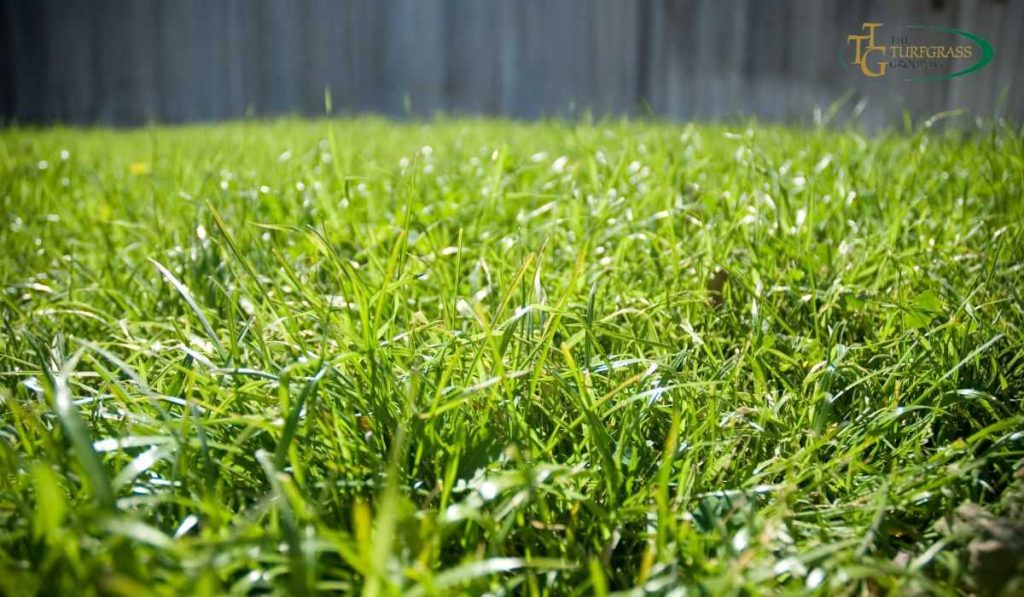
Yes, fescue can overtake other grasses if given the right conditions, but it doesn’t necessarily mean it will always dominate your lawn. Fescue is a resilient, fast-growing grass that can spread quickly, especially in shaded or cool environments, often outcompeting weaker grasses. However, the outcome depends on your lawn’s specific climate, soil, and maintenance practices. With proper care, fescue can become the primary ground cover, but it’s important to manage its growth to maintain a balanced and healthy lawn.
Fescue has the potential to overtake other grasses because of its vigorous growth and adaptability. Still, successful establishment and dominance depend on factors like soil quality, irrigation, and mowing practices. Proper lawn management can influence whether fescue becomes the main grass or remains part of a diverse mix.
When it comes to lawns, many homeowners wonder if fescue will take over other grasses, especially since it’s known for its lush, dense appearance. Fescue’s ability to thrive in cooler, shaded areas makes it a popular choice for many yards. Its rapid growth can indeed lead it to spread and overshadow native grasses, particularly if not kept in check. However, whether it overtakes completely depends on your lawn’s environment and your maintenance routines. Understanding how to control its spread can help you enjoy the benefits of fescue while maintaining a balanced, appealing yard.

Will fescue overtake other grass?
Understanding Fescue: What Is It?
Fescue is a popular type of cool-season grass used in lawns and pastures. It is known for its lush green color and adaptability in various climates. Fescue grows vigorously, especially during cooler months, making it a favorite among many homeowners.
Types of Fescue and Their Characteristics
There are several kinds of fescue, each with unique traits:
- Tall Fescue: Known for its deep root system and drought tolerance. It is well-suited for lawns that need resilience.
- Fine Fescue: Comprises several species like Creeping Red and Hard Fescue. It has fine blades and grows slowly.
- Chewing Fescue: Similar to fine fescues, it performs well in shaded areas and low-maintenance lawns.
Will Fescue Overcome Other Grass Types?
The possibility of fescue overtaking other grasses depends on several factors. It is capable of spreading quickly in suitable conditions and forming dense patches. However, its dominance over other grass types depends on environmental factors and maintenance practices.
Factors That Influence Fescue Spread
Several elements determine how well fescue can dominate a lawn:
- Climate: Fescue thrives in cooler temperatures and may struggle in hot, humid weather where warm-season grasses excel.
- Soil Conditions: Well-draining soil with good fertility supports aggressive fescue growth.
- Sunlight: Fescue prefers full sun but can tolerate some shade, influencing its spreading pattern.
- Maintenance: Proper watering, fertilization, and mowing are crucial for encouraging fescue’s growth over other grasses.
Compatibility With Other Grasses
Fescue often coexists with other cool-season grasses like Kentucky bluegrass and perennial ryegrass. It can gradually outcompete certain weeds and less aggressive grasses if conditions favor its growth.
How Does Fescue Spread?
Fescue spreads primarily through two methods:
Seed Dispersal
Fescue produces numerous seeds that can be spread by wind, animals, or manual overseeding. Proper seeding practices enhance its ability to establish quickly.
Rhizomes and Stolons
Some varieties, notably tall fescue, develop underground stems called rhizomes that help them spread laterally. This growth habit helps fescue form dense lawns that can surpass other grasses in coverage.
Growth Rate and Density
Fescue has a moderate to fast growth rate, especially during spring and fall. Its dense growth habit helps it compete effectively against weeds and less vigorous grasses.
Can Fescue Completely Overtake Warm-Season Grasses?
In cooler climates, fescue can dominate and potentially replace warm-season grasses like Bermuda or Zoysia during the cooler months. However, in hotter climates, warm-season grasses tend to outperform fescue.
Maintenance Tips to Promote Fescue Dominance
Proper care can encourage fescue growth and help it overtake other grasses:
- Regular Mowing: Keep the height at 2.5 to 3 inches to promote dense growth.
- Watering: Deep, infrequent watering encourages stronger roots and better establishment.
- Fertilization: Use nitrogen-rich fertilizers in fall and spring to promote vigorous growth.
- Overseeding: Re-seed bare patches with fescue for quicker coverage and dominance.
Challenges to Fescue Overtaking Other Grasses
While fescue has strong growth capabilities, several challenges can limit its overtaking potential:
- Heat Stress: High temperatures can weaken fescue, allowing warm-season grasses to dominate.
- Soil Compaction: Poor soil health hampers root growth, limiting fescue’s spread.
- Pest and Disease Pressure: Fescue is susceptible to certain pests and diseases that can hinder its expansion.
Comparing Fescue and Other Cool-Season Grasses
Understanding how fescue compares to other grasses helps determine its ability to overtake:
| Feature | Fescue | Kentucky Bluegrass | Perennial Ryegrass |
|---|---|---|---|
| Growth Rate | Moderate to fast | Fast | Fast |
| Shade Tolerance | Good | Excellent | Good |
| drought Tolerance | High (especially tall fescue) | Moderate | Low |
| Maintenance | Moderate | High | High |
Related Topics: Can Fescue Be Mixed With Other Grasses?
Many lawn owners combine fescue with other grasses to create a resilient, attractive lawn. Mixing tall fescue with Kentucky bluegrass or fine fescues can enhance aesthetic appeal and adaptability. Properly managed blends can promote healthier turf overall and help fescue establish dominance where desired.
Long-Term Outlook: Will Fescue Overtake Other Grass in the Future?
Fescue’s ability to overtake other grasses depends heavily on regional climate and maintenance practices. In cooler regions, it has a higher likelihood of becoming dominant due to its resilience and rapid spreading. In warmer climates, its competitive edge diminishes against warm-season grasses.
Conclusion
In summary, fescue can overtake other grasses under the right conditions. Its vigorous growth, ability to spread through rhizomes and seed, and adaptability give it an advantage in many situations. However, environmental factors and proper lawn care are essential for fescue to establish its dominance. Being aware of these factors helps homeowners and landscapers make informed decisions about lawn management and grass selection.
Can Bermuda Take Over Fescue?
Frequently Asked Questions
Can fescue grass spread quickly and dominate a lawn?
Yes, fescue grass can spread rapidly, especially in suitable soil and climate conditions. It has a vigorous root system that helps it establish quickly and fill in open areas, which can lead to it becoming the dominant grass in your lawn if not properly managed.
How does fescue compete with other grass types for nutrients and water?
Fescue is known for its deep root system, allowing it to access water and nutrients that may be unavailable to shallower-rooted grasses. This ability gives it an advantage in competing for resources, which can result in it gradually overtaking weaker or less aggressive grass species.
Will overseeding with fescue displace existing grasses over time?
When you overseed with fescue, it can gradually replace existing grasses, especially if the conditions favor its growth. Its dense growth habit can crowd out weaker grasses, leading to a more uniform fescue lawn over several growing seasons.
What are the management practices to prevent fescue from overtaking other grasses?
To prevent fescue from dominating your lawn, regularly mow at recommended heights, aerate the soil, and apply appropriate fertilization. These practices help maintain a balanced turf where multiple grass varieties coexist and prevent fescue from becoming overly dominant.
Can environmental conditions influence whether fescue overtakes other grasses?
Absolutely. Fescue thrives in cool, moist environments with well-drained soil. If these conditions persist, fescue’s growth can accelerate and potentially overshadow other grasses less adapted to such climates, leading to its increased presence in the lawn.
Final Thoughts
Fescue is a popular choice for lawns due to its durability and adaptability. It thrives in various soil types and climates, making it a versatile option for many homeowners. However, whether it will overtake other grass depends on factors like maintenance and local conditions.
In some areas, fescue may spread quickly and dominate the turf, but in others, it might coexist with other grasses. Its ability to compete with native species varies case by case. Overall, fescue has the potential to overtake other grass, but success depends on proper care and environment.