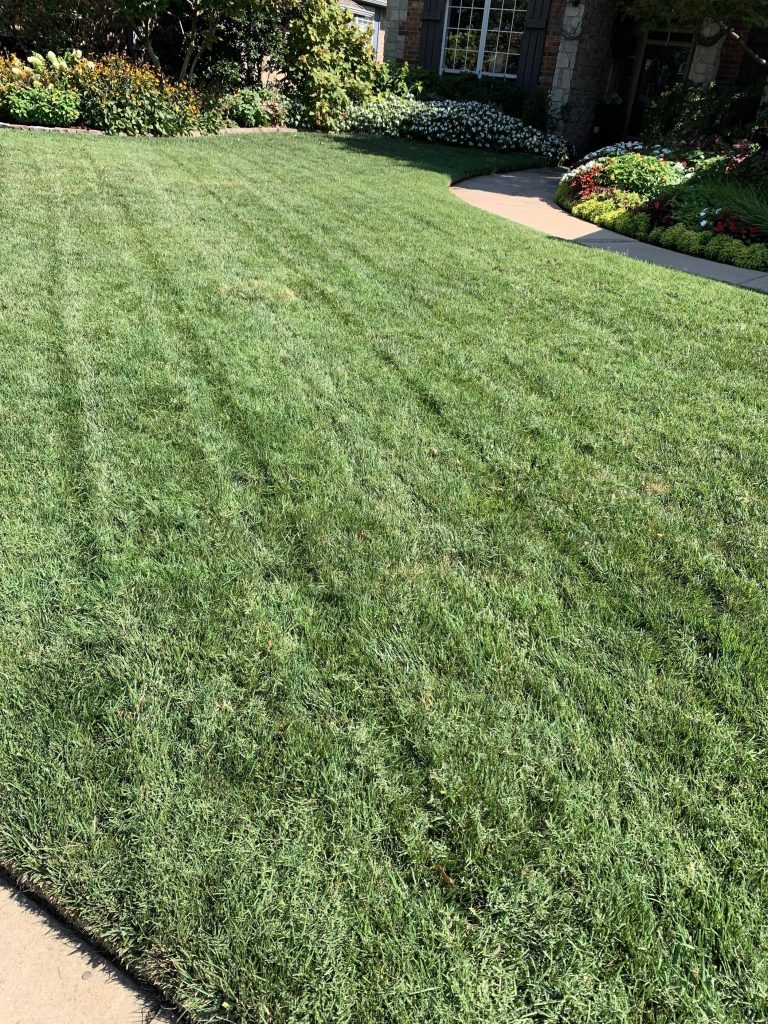
Yes, you can plant tall fescue over existing grass, but it requires proper preparation and technique to ensure successful growth. It’s important to understand that thin or damaged lawns respond better to overseeding and can help create a lush, thick turf.
Planting tall fescue over existing grass is possible and can be an effective way to improve your lawn without starting from scratch. The key is to properly prepare your current grass by mowing it shorter, raking to remove debris, and sometimes even aerating the soil. This allows the tall fescue seeds to make good contact with the soil for better germination. Keep in mind that for the best results, overseeding works best when the existing grass is healthy but thin, and you should follow recommended seeding and watering practices to help the new grass establish successfully.
A lush, green lawn can be achieved by overseeding with tall fescue over existing grass, provided the right steps are taken to prepare the area. This method saves time and effort compared to entirely replacing your lawn. Proper preparation—such as mowing, aerating, and ensuring good seed-to-soil contact—encourages new fescue growth and results in a fuller, more resilient yard. Just keep in mind that patience is key as the new grass establishes itself, but with care, your lawn will soon look revitalized.

Can you plant tall fescue over existing grass?
Understanding Tall Fescue and Its Growing Requirements
Tall fescue is a popular cool-season grass known for its durability and drought resistance. It thrives in a variety of soil types and is often used for lawns, sports fields, and golf courses. To successfully establish tall fescue, it requires a well-prepared soil environment, adequate sunlight, and proper watering.
Tall fescue’s deep root system helps it withstand stress and makes it a low-maintenance choice. Its adaptability to different climates and soil conditions makes it a favorite among homeowners. Before planting, it’s important to understand its growth pattern and the conditions that promote healthy establishment.
Assessing Your Existing Grass and Lawn Conditions
Before planting tall fescue over an existing lawn, evaluate the current grass type. Some grasses, like Kentucky bluegrass or Bermuda grass, may not be compatible with tall fescue. Check for patchiness, weeds, or compacted soil, all of which can affect new grass growth.
Assess the health of your existing grass. If it’s thin or weak, overseeding with tall fescue can help improve the lawn’s overall look. If the current grass is dense and healthy, overseeding might be less effective, and renovation could be a better choice.
Is It Possible to Plant Tall Fescue Over Existing Grass?
Yes, planting tall fescue over existing grass is possible, particularly through a process called overseeding. Overseeding involves spreading tall fescue seed over your current lawn to thicken it or introduce a different grass type.
However, success depends on several factors. These include the condition of your current lawn, soil preparation, and proper seeding techniques. Overseeding works best when done during the grass’s active growing season, usually in early fall or spring.
Advantages of Overseeding with Tall Fescue
Overseeding can offer many benefits for your lawn:
- Improves lawn density and appearance
- Helps fill in bare or thin spots
- Introduces drought-tolerant grass to your landscape
- Reduces weed invasion by crowding out unwanted plants
- Creates a resilient lawn that withstands foot traffic and weather stress
These benefits make overseeding an attractive option to enhance your existing lawn without complete renovation.
Step-by-Step Guide to Overseeding Tall Fescue Over Existing Grass
Proper preparation is key to successful overseeding. Here is a detailed step-by-step process:
1. Timing Your Overseeding
Plant tall fescue in early fall or spring, when temperatures are moderate. This timing allows seeds to germinate and establish roots before extreme weather occurs.
2. Mowing and Raking the Lawn
Trim existing grass to about 1.5 inches. Remove any debris, dead grass, or thatch to create a clean surface for seed contact.
3. Aerating the Soil
Use a lawn aerator to create small holes in the soil. This improves aeration, water infiltration, and seed-to-soil contact, increasing germination chances.
4. Soil Preparation
If your soil is compacted or poor quality, consider applying a thin layer of compost or topsoil. This encourages healthy root growth and provides nutrients.
5. Seeding
Spread tall fescue seed evenly across the lawn. Use a seed spreader for uniform coverage, following the recommended seed rate specified on the packaging.
6. Covering the Seeds
Lightly rake the area or apply a thin layer of compost or soil to cover the seeds, which protects them from birds and improves germination.
7. Watering
Keep the soil consistently moist with light, frequent watering. Watering should occur daily until seedlings emerge and become established.
8. Ongoing Lawn Care
Gradually reduce watering frequency. Fertilize appropriately based on soil test results and follow recommended maintenance practices.
Dealing with Common Challenges During Overseeding
Overseeding can present some difficulties. Here are common issues and solutions:
- Poor germination: Ensure good seed-to-soil contact and maintain consistent moisture.
- Weed competition: Control weeds before overseeding to reduce competition for nutrients and space.
- Disease risk: Avoid overseeding during overly wet or stressful conditions to prevent disease outbreaks.
Adjust your practices based on weather conditions and lawn health for better results.
Can You Oversee Tall Fescue on a Dense Lawn?
Overseeding on a dense, healthy lawn is less effective because the existing grass can outcompete new seeds. In such cases, lawn renovation, including dethatching and aerating, may be needed first. Once the lawn is thinned, overseeding can then be successful.
Tips for Best Results When Planting Tall Fescue Over Existing Grass
– Always prepare the soil properly for seed contact and germination.
– Choose high-quality, disease-free seed for better results.
– Follow recommended seeding rates to avoid overcrowding.
– Maintain proper watering to keep the soil moist.
– Fertilize as needed to support seed growth and established plants.
Related Topics to Consider
Soil Testing and Fertilization
Testing your soil helps determine nutrient deficiencies. Proper fertilization promotes healthy tall fescue growth and ensures a lush, green lawn.
Watering Techniques
Consistent, light watering encourages germination and minimizes seed washing away. Using a sprinkler system or setting timers can help maintain even moisture.
Managing Lawn Wear and Tear
High traffic areas may require overseeding more frequently. Use stepping stones or designate specific zones to protect stressed areas.
Comparing Tall Fescue With Other Grass Types
Tall fescue’s drought tolerance and deep roots make it ideal for areas prone to dryness. However, other grasses like Kentucky bluegrass or Bermuda may perform better in certain conditions, so choose based on your climate and lawn goals.
Environmental Considerations
Planting tall fescue can reduce water use and chemical inputs due to its drought resistance. This choice supports more sustainable lawn care practices.
Planting tall fescue over existing grass is feasible with careful preparation and timing. Overseeding can improve your lawn’s appearance, resilience, and drought tolerance. Proper soil preparation, seed selection, and regular maintenance are essential for successful overseeding. With these steps, you can create a beautiful, healthy lawn that withstands weather and foot traffic, all while requiring less water and fewer chemicals.
Fix an Ugly Lawn with Overseeding // Complete Step by Step Guide For Beginners
Frequently Asked Questions
What preparation steps are necessary before overseeding tall fescue on existing grass?
Before overseeding tall fescue over existing grass, you should mow the current lawn closely to reduce competition and improve seed-to-soil contact. Raking the area helps remove debris and thatch, allowing the seeds to reach the soil. It’s also beneficial to aerate the soil to loosen compacted areas, which enhances seed germination and root establishment. Ensuring proper soil moisture and pH levels supports healthy growth of the new grass.
Is it important to remove existing grass before planting tall fescue?
In most cases, completely removing existing grass isn’t necessary when overseeding with tall fescue. Instead, preparing the surface through mowing, raking, and aerating suffices to create a conducive environment. If the old grass is heavily dominated by weeds or invasive species, removing it before overseeding can prevent competition and promote better establishment of the new turf.
What is the best time of year to overseed with tall fescue over existing grass?
The optimal time to overseed with tall fescue is during early fall or early spring, when temperatures are moderate and rainfall is adequate. These periods allow the seeds to establish roots before extreme weather conditions. Planting during these times encourages healthy germination and reduces stress on the new grass, leading to a thicker, more resilient lawn.
Can I expect good germination if I overseed over dense existing grass?
If the existing grass is very dense or thick, overseeding may result in poor seed-to-soil contact, which can hinder germination. To improve results, you should dethatch or lightly scarify the lawn to create openings for the new seeds. Ensuring the area receives proper watering and maintaining adequate soil contact helps increase the chances of successful germination and establishment.
How should I care for the lawn after overseeding tall fescue over existing grass?
After overseeding, keep the soil consistently moist to support seed germination. Light, frequent watering prevents the seeds from drying out and encourages healthy root development. Avoid heavy traffic on the lawn until the new grass establishes firmly. Applying a light fertilization after a few weeks can also support vigorous growth and help the new grass integrate well with the existing lawn.
Final Thoughts
Planting tall fescue over existing grass is possible but requires preparation. Clear debris and roughen the current lawn to help the new grass establish roots. Proper watering and fertilization support healthy growth.
Can you plant tall fescue over existing grass? Yes, you can, but ensure conditions are optimal for success. Thick, healthy grass may compete for resources, so overseeding works best when the existing grass is thin or patchy. Follow these steps for best results.