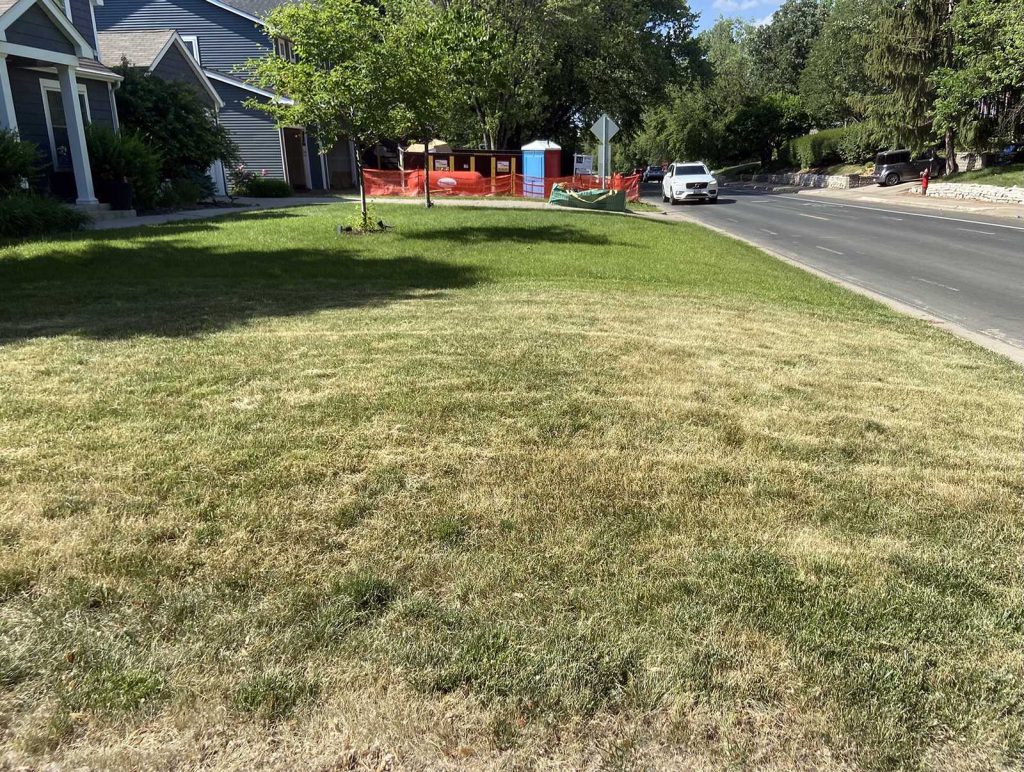
If your Kentucky bluegrass is turning brown, don’t panic—there are usually straightforward reasons behind it and simple solutions to bring it back to life. The main causes often include drought stress, over-fertilization, disease, or improper mowing. Identifying the specific issue is key to restoring your lawn’s lush green appearance quickly.
In short, brown patches in Kentucky bluegrass are commonly caused by environmental stressors like drought, or problems such as diseases or poor maintenance. Addressing these issues with proper watering, fertilizing, and lawn care techniques can help rejuvenate your grass and keep it healthy year-round.
Your Kentucky bluegrass turning brown can be concerning, especially when you’ve invested time and effort into maintaining it. The transition from vibrant green to dull brown might seem sudden, but understanding the root causes can help you take quick action. Sometimes, it’s simply a matter of seasonal changes or water shortages, while other times, disease or pests might be involved. This article explores common reasons behind the browning, so you can diagnose the problem accurately and get your lawn looking its best again in no time. Proper care, timely interventions, and a little patience are all you need to restore your bluegrass to its beautiful, lush state.

Why Is My Kentucky Bluegrass Turning Brown? Understanding the Causes and Solutions
Introduction to Kentucky Bluegrass and Its Popularity
Kentucky bluegrass is a common choice for lawns because of its lush appearance and soft texture. It thrives in many climates but can sometimes turn brown unexpectedly. Understanding why this happens helps homeowners keep their lawns healthy and green.
Common Reasons for Browning Kentucky Bluegrass
There are various reasons why your Kentucky bluegrass might turn brown. The most common causes include extreme weather, improper watering, pests, diseases, or soil issues. Recognizing these factors helps in finding the right solution quickly.
Extreme Weather Conditions
Heat Stress and Drought
Hot summer days can make Kentucky bluegrass go brown because it struggles to retain water. When the grass doesn’t get enough moisture, it goes into survival mode, turning brown to conserve energy. Lack of rain and high temperatures increase this problem.
Cold Damage and Frost
Frost or cold temperatures in winter can cause the grass to turn brown temporarily. This is often a natural response, and the grass might recover in the spring. However, prolonged cold can damage roots, making recovery harder.
Watering Issues
Overwatering and Underwatering
Too much water can drown the grass roots, leading to root rot and browning. Conversely, not watering enough causes drought stress, making the turf turn brown and dry. Proper watering is essential for a healthy lawn.
Watering Frequency and Method
Frequent, shallow watering doesn’t reach deep roots. Instead, it’s better to water thoroughly less often. Deep watering encourages deep root growth, making the grass more resilient to drought.
Pest Infestations and Their Effects
Insects Impacting Kentucky Bluegrass
Pests like chinch bugs or billbugs can damage the grass by feeding on the roots and blades. This weakens the plant, causing sections to turn brown or die off.
Signs of Pest Problems
Look for patches with uneven browning, small insects on the grass, or the presence of webbing. Identifying pests early helps in applying targeted treatments effectively.
Disease and Fungal Infections
Types of Diseases Affecting Kentucky Bluegrass
Diseases such as rust, dollar spot, or brown patch can cause irregular brown spots or patches in your lawn. These infections thrive in humid, moist conditions.
Preventive Measures and Treatments
Maintaining proper mowing height, aerating the soil, and avoiding overwatering reduces disease risk. Fungicides can control active infections but should be used as a last resort.
Soil Health and Nutritional Deficiencies
Importance of Proper Soil Conditions
Healthy soil provides nutrients and proper drainage for Kentucky bluegrass. Compacted or poor soil can starve the grass, leading to browning and thinning.
Signs of Nutritional Deficiencies
Yellowing or browning may indicate lack of essential nutrients like nitrogen, potassium, or phosphorus. Conducting soil tests helps determine the exact nutrient needs.
Improper Mowing Practices
Mowing Height and Frequency
Cutting the grass too short stresses the plant, making it more vulnerable to browning. Maintaining a mowing height of about 2.5 to 3 inches encourages healthy growth.
Blade Sharpness
Dull mower blades tear grass instead of cutting cleanly, leading to brown, ragged edges. Regularly sharpening blades improves the health and appearance of your lawn.
Physical Damage and Traffic Stress
Heavy foot traffic and physical damage from activities like sports or pet use can compact soil and break grass blades. This stress causes patches of browning and thinning.
Environmental Factors and Pollution
Pollutants from nearby roads or factories can settle on the grass and damage the turf. Additionally, excessive shade or poor sunlight reduces photosynthesis, affecting grass health.
Steps to Revive Browning Kentucky Bluegrass
First, identify the primary cause. Adjust watering, improve soil conditions, address pests or diseases, and modify mowing habits. Regular lawn care practices promote recovery and keep the grass green.
Proper Watering Techniques
Deep and infrequent watering encourages strong roots. Avoid watering late in the day to reduce disease risk.
Applying Fertilizer Correctly
Use a balanced fertilizer tailored to Kentucky bluegrass needs. Follow recommended application rates for best results.
Addressing Pest and Disease Problems
Use organic or chemical treatments targeting specific pests or fungi. Always follow safety instructions.
Soil Aeration and Soil Testing
Aerate compacted soil to improve air and water penetration. Soil tests help determine nutrient deficiencies and pH imbalances.
Adjusting Mowing and Traffic
Keep mowing blades sharp and mow at the recommended height. Limit foot traffic on stressed patches until they recover.
Preventative Lawn Care Practices
Regular maintenance encompasses watering wisely, fertilizing according to the season, mowing correctly, and aerating periodically. These steps create a resilient lawn less prone to turning brown.
Related Topics for a Healthy Lawn
- Choosing the right grass seed for your climate
- Best practices for watering in different seasons
- How to prevent and treat lawn pests and diseases
- Soil testing and amendments for optimal turf growth
This comprehensive understanding of why Kentucky bluegrass turns brown can help you troubleshoot issues effectively. Regular lawn care, attention to environmental conditions, and timely intervention keep your grass green and thriving year-round.
Is your Kentucky Bluegrass turning yellow?
Frequently Asked Questions
What are common environmental factors that cause Kentucky bluegrass to turn brown?
Environmental conditions such as drought, excessive heat, or prolonged periods without watering can stress Kentucky bluegrass, leading it to turn brown. Insufficient rainfall or inadequate irrigation reduces the grass’s ability to maintain healthy green color, causing it to become dormant or die back in affected areas. Additionally, strong sun exposure and wind can increase evaporation and dehydration, further contributing to browning.
How does improper mowing affect the health of Kentucky bluegrass?
Mowing too short or using dull blades can damage the grass blades, making it more vulnerable to stress and disease. Cutting the grass unevenly can also weaken root development and reduce its ability to recover from drought or pest attacks. Maintaining the proper mowing height and sharp blades encourages healthier growth and helps prevent the grass from turning brown.
Can pest infestations or diseases lead to browning in Kentucky bluegrass?
Yes, pests like chinch bugs or grub worms can damage the roots or blades of Kentucky bluegrass, causing patches of brown or dead grass. Fungal diseases such as dollar spot, brown patch, or rust thrive in specific conditions and can quickly disfigure the lawn. Identifying the symptoms early and applying appropriate treatments can prevent extensive damage and restore the grass’s green color.
What role does soil health play in the browning of Kentucky bluegrass?
Poor soil drainage, compaction, or nutrient deficiency can hinder the grass’s ability to absorb water and nutrients, leading to browning. Healthy soil promotes strong root growth and effective nutrient uptake. Regular testing and amendment of the soil, along with aeration and fertilization, support the overall health of Kentucky bluegrass and prevent discoloration.
How can improper watering practices lead to brown spots in Kentucky bluegrass?
Overwatering can cause root rot and fungal issues, while underwatering stresses the grass and causes it to turn brown. Inconsistent watering schedules can make the grass go through cycles of drought and recovery, weakening its overall health. Applying water deeply and infrequently encourages deep root growth and helps maintain a lush, green appearance.
Final Thoughts
Understanding why your Kentucky bluegrass turns brown helps you take effective steps to refresh your lawn. Factors like drought, over-fertilization, or disease can cause browning. Proper watering, balanced fertilization, and regular maintenance prevent these issues.
Consistent care keeps your grass healthy and vibrant. Recognize early signs of stress or damage, and act quickly.
In conclusion, why is my Kentucky bluegrass turning brown? By maintaining appropriate watering, avoiding over-fertilization, and addressing diseases promptly, you can restore your lawn’s green beauty.