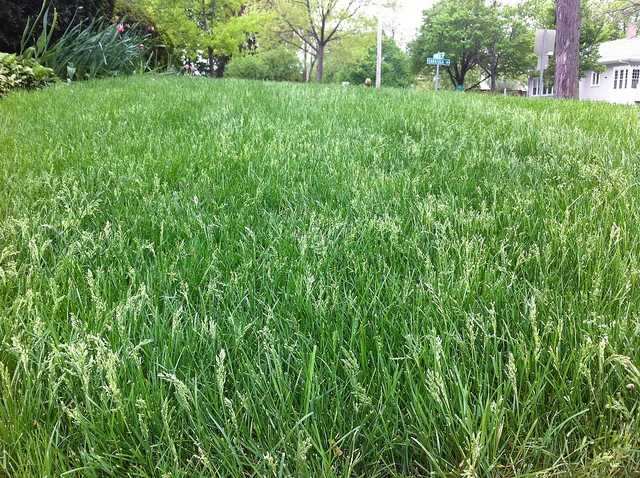
If your Kentucky bluegrass suddenly starts sending up seed heads, you might feel concerned or puzzled. The good news is, it’s a natural part of the grass’s life cycle, often triggered by environmental conditions or stress. To put it simply, your grass going to seed is a sign that it’s reaching maturity or trying to reproduce, which can happen if it’s under stress, experiencing longer daylight hours, or if it’s in the late summer or early fall. Regular maintenance, proper watering, and fertilization can help keep your lawn lush and healthy, reducing unwanted seed production. Understanding why this happens allows you to decide whether to encourage the seed heads or try to manage them for a more uniform look.
Kentucky bluegrass going to seed is a common occurrence, particularly when the grass is at its peak growing season or under stress. If your lawn has recently experienced drought, overcrowding, or inconsistent watering, it may signal the grass to focus energy on seed production. Additionally, natural flowering processes occur as the grass matures, especially in late summer or early fall. By understanding these triggers, you can better manage your lawn, either by encouraging seed production for a thicker turf or by trimming seed heads for aesthetic reasons. Proper lawn care practices and knowing the right timing can help maintain your perfect green space.

Why is my Kentucky Bluegrass Going to Seed?
Understanding Kentucky Bluegrass Growth Cycle
Kentucky Bluegrass is a cool-season grass that grows actively during cooler months. Its growth cycle includes periods of rapid development and dormancy, influenced by environmental factors. Recognizing the natural cycle helps explain why it might go to seed at certain times of the year.
Signs That Your Kentucky Bluegrass Is Going to Seed
The first sign is often a visible seed head emerging from the grass blades. You might notice the grass appearing more upright and less lush. The seed stalks can stand out distinctly, signaling that the grass is entering the seed production phase.
Why Does Kentucky Bluegrass Go to Seed? Common Causes
There are several reasons your Kentucky Bluegrass might produce seed heads. These include natural growth processes, environmental stress, and mowing practices. Understanding these causes helps in managing seed head formation.
Natural Growth and Reproductive Cycle
Kentucky Bluegrass is designed to reproduce through seed formation. When conditions are favorable, the grass produces seed heads to ensure the continuation of its species. This process is a normal part of its life cycle.
Environmental Factors That Trigger Seeding
Environmental stressors such as drought, heat, or overexposure to sunlight can induce seed production. These conditions signal the grass to reproduce quickly, often resulting in more seed heads.
Impact of Mowing Practices
Mowing height influences seed head development. When grass is cut too short, it may stress the plant and promote seed production as a survival response. Conversely, mowing at the proper height can help reduce seed head formation.
How Temperature Affects Seed Production
Kentucky Bluegrass thrives in temperatures between 65°F and 75°F, which is also when it tends to go to seed. Warmer temperatures can accelerate seed head development, especially in late spring and early summer.
Watering and Soil Conditions Impact
Inadequate watering or poor soil health can stress the grass, leading it to produce seed heads prematurely. Consistent moisture and nutrient-rich soil help keep the grass healthy and reduce seed head formation.
Managing Seed Head Development
Controlling seed head production involves proper lawn maintenance techniques. Regular mowing, adequate watering, and fertilization can all influence the grass’s tendency to go to seed.
Proper Mowing Techniques
Mowing at a height of around 2.5 to 3 inches encourages healthy growth and discourages seed head formation. Regular mowing prevents seed stalks from becoming too prominent and spreading.
Fertilizer Application
Applying the right fertilizer promotes lush, dense grass that is less likely to produce seed heads. Use a balanced fertilizer with appropriate nitrogen levels to support healthy growth.
Watering and Irrigation Tips
Water deeply and infrequently to encourage deep root growth. Consistent watering reduces stress, which helps in minimizing seed head production.
Preventive Measures to Reduce Seed Head Formation
Implementing specific lawn care practices can help keep seed heads at bay. These include maintaining the correct mowing height, fertilizing appropriately, and ensuring consistent watering.
Choosing the Right Mowing Height
Keep the grass at 2.5 to 3 inches to prevent stress that can lead to seed production. Avoid cutting more than one-third of the grass height at a time.
Regular Fertilization Schedule
Feed the lawn in early spring and late summer with a fertilizer suitable for Kentucky Bluegrass. Proper feeding encourages healthy, vigorous growth resistant to seed production.
Watering Schedule and Techniques
Water the lawn early in the morning, providing about 1 to 1.5 inches of water weekly. Deep watering helps the grass grow strong and reduces the likelihood of seed set.
Dealing With Seed Heads – To Remove or Not?
Deciding whether to remove seed heads depends on your lawn goals. If you prefer a lush, uniform appearance, trimming seed heads can be beneficial.
Mechanical Removal Methods
Use scissors or hedge trimmers to cut seed stalks before they mature fully. This prevents seed dispersal and keeps the lawn looking tidy.
Timing for Cutting Seed Heads
Trim seed heads as soon as they appear, ideally before they flower fully. Prompt removal minimizes seed spread and encourages the grass to focus on leaf growth.
Long-Term Lawn Care Tips to Control Seed Production
Maintaining a healthy Kentucky Bluegrass lawn reduces stress-induced seed head production. Consistent care practices are key to preventing excessive seeding.
Proper Lawn Maintenance Schedule
Create a routine that includes regular mowing, fertilizing, and watering tailored to the season. Healthy grass is less likely to go into early seed production.
Choosing Seed-Resistant Cultivars
Select Kentucky Bluegrass varieties known for reduced seed head production. Consult local nurseries or lawn care experts for recommendations suited to your area.
Environmental Management
Manage shade, soil quality, and watering to keep the lawn stress-free. Less stress equals less seed head formation over time.
When to Seek Professional Help
If seed head production becomes overwhelming, consider consulting with a lawn care professional. They can diagnose underlying issues and suggest tailored solutions.
Related Topics to Consider
- Best fertilization practices for Kentucky Bluegrass
- Timing and frequency of mowing for optimal lawn health
- Water management strategies for cool-season grasses
- Dealing with thatch buildup to improve lawn vigor
This comprehensive understanding of why Kentucky Bluegrass goes to seed helps in making informed decisions for lawn care. Proper management, attention to environmental factors, and routine maintenance can significantly reduce unwanted seed head production and maintain a lush, healthy lawn.
When To Seed Kentucky Bluegrass?
Frequently Asked Questions
What environmental factors can cause Kentucky bluegrass to seed prematurely?
Environmental stresses such as drought, poor soil conditions, or excessive heat can trigger Kentucky bluegrass to produce seed heads early. These conditions signal the grass to reproduce quickly, often as a survival strategy. Providing consistent watering, improving soil health, and maintaining appropriate mowing heights help reduce premature seeding caused by environmental factors.
How does mowing height influence seed production in Kentucky bluegrass?
Mowing Kentucky bluegrass too short encourages the plant to produce seed heads sooner. Keeping the mower at a taller setting promotes healthy growth and delays seed production. A mowing height of about 2.5 to 3 inches helps the grass stay vigorous and minimizes the tendency to go to seed.
Can nutrient deficiency lead to seed head formation in Kentucky bluegrass?
Yes, a lack of essential nutrients, especially nitrogen, can stress Kentucky bluegrass and cause it to focus energy on seed production. Applying balanced fertilization tailored to the grass’s needs encourages lush growth and reduces the urge to seed early. Regular feeding ensures the grass remains healthy and less prone to early seeding.
What role does age or maturity of the grass play in seed production?
As Kentucky bluegrass matures, it naturally begins to produce seed heads to perpetuate its lifecycle. Older or established lawns tend to seed more readily than young sod. Managing this process involves proper lawn maintenance and sometimes overseeding to maintain a youthful, vigorous turf that resists early seeding.
Final Thoughts
My Kentucky bluegrass going to seed often indicates that the grass is trying to reproduce. This typically happens during its natural growth cycle, especially in late spring or early summer. Stressful conditions like drought or over-fertilization can also trigger seed production.
To prevent this, properly mow your lawn and water it consistently. Understanding why your Kentucky bluegrass is going to seed helps you manage its growth effectively. Addressing these factors keeps your lawn healthy and prevents excessive seed head formation.