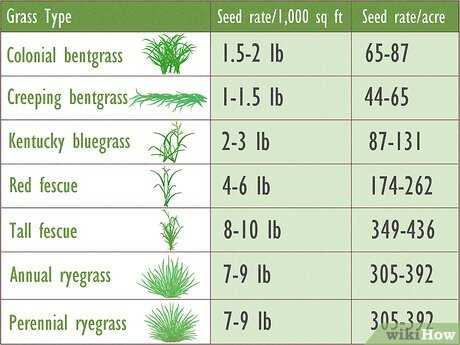
To achieve a lush, green Kentucky Bluegrass lawn, planting the right amount of seed is crucial. Typically, you’ll need about 1 to 1.5 pounds of seed per 1,000 square feet, which roughly translates to 43 to 65 pounds per acre.
For a thriving Kentucky Bluegrass lawn, knowing exactly how much seed to use per acre makes all the difference. The amount varies depending on your lawn’s purpose, soil conditions, and planting method, but generally, about 50 pounds of seed per acre is a good starting point for establishing a dense, uniform turf. Proper seeding density ensures healthy growth without overcrowding, which can lead to disease and poor root development. In this article, we’ll explore how to determine the right seed quantity for your specific needs and provide tips for successful planting to keep your lawn looking vibrant year-round.

How Much Kentucky Bluegrass Seed Per Acre
Knowing the right amount of Kentucky bluegrass seed to plant per acre is essential for a lush, healthy lawn or sports field. Proper seed placement ensures even coverage and strong growth. In this section, we’ll explore the key factors that determine seed quantity and help you plan your seeding project effectively.
Standard Seeding Rate for Kentucky Bluegrass
The typical seeding rate for Kentucky bluegrass ranges from 1 to 2 pounds per 1,000 square feet. For an acre, which measures 43,560 square feet, this equals approximately 43.5 to 87 pounds of seed. This variation depends on factors like soil condition and desired turf density.
Calculating Seed Amount per Acre
To determine the exact seed needed, multiply the seeding rate by the total number of 1,000 square foot sections in an acre. For example, at 1.5 pounds per 1,000 square feet, you would need about 65 pounds of seed (1.5 x 43.56). Always consider purchasing a little extra to account for seed loss or uneven coverage.
Factors Affecting Seed Quantity
- Soil quality: Poorer soil might require a higher seed rate for better coverage.
- Seeding method: Overseeding generally needs less seed than initial planting.
- Desired turf density: Thicker lawns demand more seed for full coverage.
- Time of year: Early spring or fall planting can influence seed needs due to growth rates.
Adjusting Seeding Rate for Specific Goals
Initial Planting vs. Overseeding
When establishing a new lawn, use the higher end of the seed rate, around 2 pounds per 1,000 square feet. For overseeding existing lawns, a lower rate around 1 pound per 1,000 square feet is often sufficient to fill in bare spots.
Achieving Thicker Lawns
For dense, carpet-like turf, increasing the seed rate to about 2 pounds per 1,000 square feet is recommended. This ensures the grass has enough seed to create a lush appearance and compete with weeds.
Seed Spreading Techniques
Proper spreader choice impacts seed distribution. Use a broadcast spreader for even coverage over large areas and a drop spreader for precise spots. Consistent spreading helps prevent thinning patches or overcrowding.
Seeding Schedule and Timing
The best times to plant Kentucky bluegrass are early spring and fall. Seeding during these periods improves germination success and reduces drought stress. Timing also influences how much seed you should use for optimal results; earlier planting allows better establishment.
Seed Bed Preparation
Preparing the ground improves seed-to-soil contact, which is vital for good germination. Remove weeds, loosen compacted soil, and level the surface. A well-prepared seed bed minimizes seed waste and ensures uniform coverage.
Seeding Density and Lawn Quality
Higher seed densities lead to thicker lawns but increase costs. Balance your budget and desired appearance by adjusting the seed rate accordingly. Remember, over-seeding can lead to overcrowding and weak grass plants.
Comparing Kentucky Bluegrass Varieties
Different varieties may have unique seeding rates based on seed size and growth habits. Always check the label for specific recommendations. Using the right seed type for your climate and soil improves overall lawn quality.
Cost Considerations and Seed Investment
Seed cost varies with quality and seed quantity. Investing in high-quality seed ensures better germination rates and healthier turf. Calculate the total cost for your acre to budget effectively for your project.
Summary of Key Points
- Typical seed rate: 1 to 2 pounds per 1,000 square feet
- Per acre: approximately 43.5 to 87 pounds
- Adjust based on soil, lawn goals, and seeding method
- Use proper spreading equipment for even coverage
- Time your planting for optimal germination and growth
Additional Tips for Successful Kentucky Bluegrass Seeding
- Ensure the seed is fresh and of high quality for better results
- Water lightly but frequently after planting to keep soil moist
- Avoid heavy fertilization immediately after seeding to prevent damage
- Monitor growth and thin out overcrowded patches if necessary
Understanding exactly how much Kentucky bluegrass seed to use per acre helps you achieve a vibrant, resilient lawn. By considering the factors above and following proper seeding practices, you can create a beautiful grass area that lasts for years to come. Proper planning and preparation lead to successful seeding and a lawn you’ll enjoy every season.
When To Seed Kentucky Bluegrass?
Frequently Asked Questions
What is the typical seeding rate for Kentucky bluegrass per acre?
Generally, you should plant about 2 to 3 pounds of Kentucky bluegrass seed per 1,000 square feet. This translates to roughly 87 to 130 pounds per acre. This rate ensures a dense and healthy turf while avoiding over-seeding, which can lead to competition among plants.
How does soil type influence the amount of seed needed per acre?
Soil type significantly affects seeding rates. For sandy soils, slightly higher seed rates may be necessary to compensate for drainage and nutrient retention. Conversely, clay soils might require a lower rate due to better moisture retention. Always assess your soil conditions before determining the exact quantity of seed to plant per acre.
What are the consequences of using too much or too little seed per acre?
Using too much seed can lead to overcrowding, increased competition for nutrients, and higher costs without added benefits. On the other hand, planting too little seed can result in sparse coverage, weed intrusion, and uneven growth. Maintaining the recommended seeding rate helps establish a healthy, uniform turf.
How does the purpose of the lawn affect the seed quantity per acre?
If you need a high-quality, durable lawn for sports or heavy foot traffic, increase the seeding rate slightly to promote denser growth. For ornamental or aesthetic purposes with less traffic, sticking to the standard seeding rate suffices. Adjusting the seed amount ensures the turf meets your specific needs.
When is the best time to adjust seeding rates for Kentucky bluegrass?
The optimal planting period is early spring or early fall when temperatures are cooler and moisture levels are higher. During these times, you can follow standard seeding rates to achieve optimal establishment. In conditions where growth might be slower, slightly increasing the seed rate can help ensure successful establishment.
Final Thoughts
The amount of Kentucky bluegrass seed per acre depends on your desired lawn density and seed quality. Typically, planting 2 to 3 pounds of seed per 1,000 square feet yields good results. For an acre, this translates to roughly 50 to 75 pounds of seed.
Adjust these amounts based on soil conditions and seed spacing preferences to achieve optimal coverage.
Knowing how much Kentucky bluegrass seed per acre to use ensures a healthy, lush lawn. Proper seeding rates lead to better establishment and long-term success.