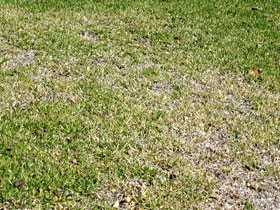
If your Bahia grass is turning brown and dying, the cause might be as simple as overwatering, drought, poor soil quality, or pests. The good news is, you can often revive your lawn by adjusting watering habits, fertilizing properly, and managing pests effectively. Quick action can save your Bahia grass from complete ruin.
Bahia grass can be a hardy, drought-tolerant turf, but it’s sensitive to environmental stresses and improper care. Identifying whether your grass is suffering from drought, overwatering, nutrient deficiencies, or pests is key to reviving it. With some tweaks to your lawn care routine, you can restore your Bahia grass to its healthy, vibrant state.
Your Bahia grass may be dying due to inconsistent watering—either too much or too little—poor soil drainage, or pests like armyworms. Other factors such as nutrient deficiencies, compacted soil, or excessive foot traffic can also cause stress. Addressing these issues promptly will help your grass recover and prevent future damage, keeping your lawn lush and green.

Why Is My Bahia Grass Dying? Understanding the Causes and Solutions
Introduction to Bahia Grass Issues
Bahia grass is a popular choice for lawns in warmer climates because of its drought tolerance and ease of growth. However, many homeowners notice their Bahia grass turning brown, thinning out, or dying altogether. Recognizing the reasons behind this decline is essential to restoring a healthy, lush lawn.
Common Causes of Bahia Grass Dying
Several factors can cause Bahia grass to decline. Sometimes, multiple issues occur at once, making it tricky to identify the primary problem. Addressing each cause systematically can help revive your grass effectively.
Inadequate Watering: Too Much or Too Little
Watering plays a vital role in maintaining healthy Bahia grass. Both overwatering and underwatering can stress the grass, leading to browning or dying patches.
Signs of Water Stress
If the grass turns a dull brown or appears wilted, it may be a sign of water imbalance. Too much water can cause root rot, while too little leads to dehydration.
Proper Watering Techniques
– Water deeply once or twice a week, depending on rainfall.
– Ensure the lawn receives about 1 to 1.5 inches of water each time.
– Use a rain gauge to monitor rainfall and adjust watering schedule accordingly.
Soil Problems Affecting Bahia Grass
Healthy roots depend on good soil quality. Poor soil conditions can hinder nutrient absorption, stunt growth, or kill the grass.
Soil pH Imbalance
Bahia grass prefers slightly acidic to neutral soil, with a pH between 5.8 and 6.5. Soil too acidic or alkaline can prevent nutrient uptake, causing yellowing or death.
Compacted Soil
Compacted soil restricts root growth and water penetration. This condition is common in high-traffic areas or after heavy rainfall.
Testing and Amending Soil
– Use a soil testing kit to check pH and nutrient levels.
– Amend soil with lime to raise pH or sulfur to lower it, based on test results.
– Aerate the soil to reduce compaction and improve water and nutrient flow.
Disease and Pest Infestation
Various pests and diseases can cause patchy or widespread Bahia grass death. Identifying them early is key to controlling damage.
Common Pests
– Chinch bugs feed on grass and create brown patches.
– Armyworms can quickly defoliate large areas.
– Grubs damage roots, leading to weak grass and death.
Common Diseases
– Brown patch disease causes circular brown spots, especially during humid weather.
– Large patch disease leads to large dead areas with a dark border.
– Fusarium blight damages the entire turf, causing it to turn yellow or brown.
Controlling Pests and Diseases
– Use appropriate insecticides or fungicides as needed.
– Remove fallen debris to reduce pathogen spread.
– Maintain proper watering and mowing to limit disease development.
Improper Mowing Practices
Mowing too short or irregularly can weaken Bahia grass. It stresses the grass, making it more susceptible to diseases and pests.
Ideal Mowing Height
Keep Bahia grass at a height of about 2 to 3 inches. This height allows the grass to develop a healthy root system and resist weeds.
Regular Mowing Tips
– Mow frequently enough so that no more than one-third of the grass height is removed at a time.
– Keep mower blades sharp to prevent tearing and stress.
– Avoid mowing during the hottest part of the day to minimize stress.
Nutrient Deficiencies and Fertilizer Issues
Nutrient imbalances can lead to poor grass health, yellowing, or thinning patches. Proper fertilization helps maintain lush, green Bahia grass.
Essential Nutrients for Bahia Grass
– Nitrogen promotes lush, green growth.
– Phosphorus supports root development.
– Potassium strengthens overall plant health and disease resistance.
Fertilizer Application Tips
– Use a balanced fertilizer formulated for warm-season grasses.
– Follow recommended application rates to avoid overfeeding.
– Fertilize during the active growing season, mainly in spring and summer.
Environmental Stressors and Climate Conditions
Extreme weather conditions can also negatively impact Bahia grass health. High temperatures, drought, or heavy storms can cause stress and damage.
Effects of Drought and Heat
Prolonged dry periods cause the grass to go dormant or die back. Sunburn from intense heat can also scorch the grass blades.
Managing Climate-Related Stress
– Water deeply during dry periods.
– Mulch around the lawn to retain moisture.
– Provide some shade if possible, especially during peak heat.
Preventative Maintenance to Keep Bahia Grass Healthy
Regular lawn maintenance can prevent many common problems. Consistent care promotes stronger, more resilient Bahia grass.
Steps for Preventative Care
– Aerate the soil annually to improve root growth.
– Fertilize according to seasonal needs.
– Mow at the recommended height consistently.
– Water efficiently, matching rainfall and weather conditions.
When to Seek Professional Help
If despite your efforts, the Bahia grass continues to decline, consult a lawn care professional. They can diagnose complex issues like deep-rooted diseases or severe pest infestations.
Summary of Solutions for Dying Bahia Grass
Addressing the root cause is key. Regular testing of soil, proper watering, correct mowing, pest control, and nutrient management work together to restore health. Being attentive to environmental conditions also helps your Bahia grass thrive.
Taking these steps can significantly improve your lawn’s condition and turn around a dying Bahia grass patch. With patience and proper care, your lawn can regain its lush, green beauty.
How To Care For A Bahia Grass Lawn Part 1
Frequently Asked Questions
What soil conditions can cause Bahia grass to decline?
If the soil lacks proper drainage or has an imbalance of nutrients, Bahia grass can struggle to thrive. Poorly drained soil causes roots to sit in water, leading to root rot and other diseases. Additionally, soils that are too acidic or too alkaline may hinder nutrient absorption, resulting in yellowing or thinning grass. Regularly testing soil and amending it with appropriate fertilizers and conditioners can help maintain optimal conditions for Bahia grass.
How does overwatering affect Bahia grass health?
Overwatering can cause the roots of Bahia grass to suffocate and rot, as excessive moisture prevents oxygen from reaching the roots. This often leads to brown patches and increased susceptibility to fungal infections. Ensuring proper watering practices—watering deeply but infrequently—helps the grass develop a strong root system and reduces the risk of disease.
Could insect pests be responsible for my Bahia grass dying?
Yes, certain insects such as grubs, chinch bugs, and sod webworms can damage Bahia grass by feeding on the roots or blades. This feeding weakens the grass, making it more prone to disease and decline. Regular inspection and appropriate pest control measures can prevent infestations and keep your lawn healthy.
What impact does improper mowing have on Bahia grass?
Mowing Bahia grass too short or inconsistent mowing can stress the plant, making it vulnerable to weeds, pests, and disease. Cutting the grass at the correct height—generally around 3 to 4 inches—helps promote strong root growth and keeps the grass healthy. Regular mowing with sharp blades also prevents tearing and uneven growth.
How can seasonal changes contribute to Bahia grass deterioration?
Extreme temperatures and seasonal changes can cause stress to Bahia grass. During cold winters or hot, dry summers, the grass may go dormant or weaken, making it more susceptible to damage. Proper seasonal care, such as watering during dry periods and protecting the grass from frost, helps maintain its health throughout the year.
Final Thoughts
Le manque d’eau peut causer la sécheresse et le déclin de votre bahia grass. Les racines faibles ne peuvent pas absorber suffisamment d’humidité, entraînant un déclin rapide.
Une mauvaise fertilisation nuit également à la santé du gazon. Un apport insuffisant en nutriments essentiels empêche la croissance saine.
Les maladies et les parasites peuvent aussi affaiblir votre bahia grass. Inspectez régulièrement pour identifier les signes d’infection.
Pourquoi est mon bahia grass dying ? Le problème peut résider dans un arrosage insuffisant, une fertilisation inadéquate ou des parasites. En identifiant la cause précise, vous pourrez agir rapidement pour préserver votre pelouse.