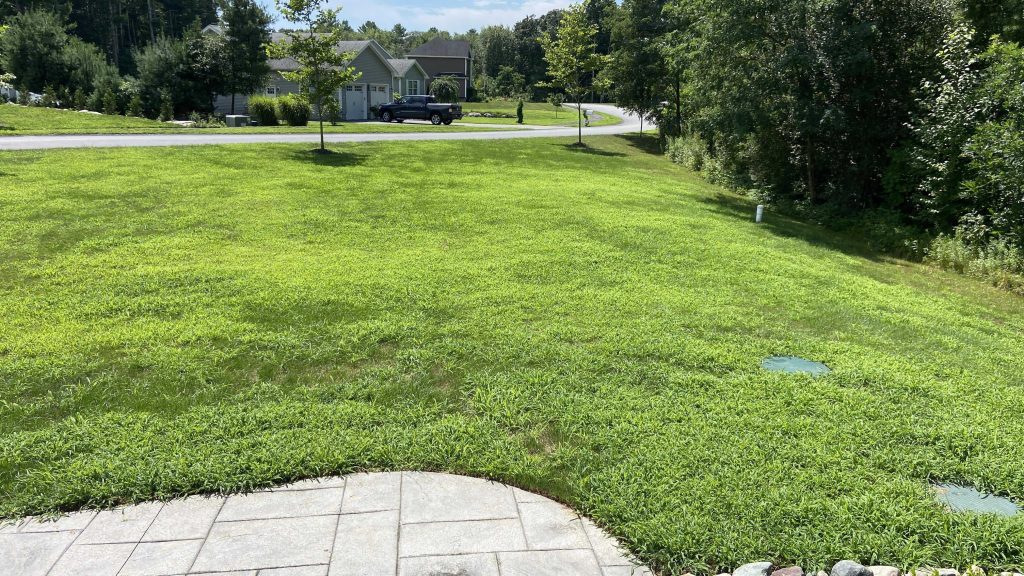
Crabgrass seems to appear out of nowhere, quickly transforming a lush, green yard into a patchwork of unwanted weeds. It’s frustrating to see your carefully maintained lawn overrun by this invasive grass, especially during prime growing seasons. The main reason crabgrass takes over is because it thrives in warm, disturbed soils and can outcompete your regular grass when conditions are just right. To keep it at bay, understanding its growth habits and maintaining a healthy, dense turf is essential. Proper lawn care, timely weed prevention, and targeted treatments can help prevent its spread and reclaim your yard’s beauty. If you’re wondering why crabgrass is dominating, the good news is that with the right strategies, you can stop it before it takes over completely.

Why Is Crabgrass Taking Over My Yard?
Understanding Crabgrass and Its Growth Habits
Crabgrass is a fast-growing weed that can quickly spread across your lawn. Its resilience makes it a challenging plant to control once it takes hold. Crabgrass thrives in warm weather and popular for its ability to cover large areas rapidly. It typically appears in late spring to summer and can continue to grow throughout the season.
Unlike regular grass, crabgrass grows low to the ground but spreads outward with long runners called stolons. These runners enable it to form dense patches that compete with your regular turfgrass. Understanding its growth habits is essential to controlling its spread effectively.
Environmental Factors Promoting Crabgrass Growth
Several environmental conditions contribute to crabgrass taking over your yard. Warm temperatures and plenty of sunlight create the perfect environment for crabgrass to flourish.
Crabgrass prefers disturbed soils with poor nutrient content or compacted areas where regular grass struggles to grow. These conditions give crabgrass a competitive advantage. Additionally, areas with inconsistent watering or drought stress can weaken regular grass, making it easier for crabgrass to establish.
Soil Conditions That Favor Crabgrass
Crabgrass tends to invade lawns with specific soil issues. Soil that is **poor in nutrients** or has a **high pH level** creates an ideal environment for crabgrass to thrive.
Compacted soil is another common factor that encourages its growth. Compaction prevents proper water drainage and aeration, stressing regular grass and allowing weeds like crabgrass to invade. Testing your soil can reveal issues that, when addressed, may reduce crabgrass problems.
A table summarizing soil factors:
| Factor | Impact on Crabgrass Growth |
|---|---|
| Poor nutrient content | Encourages crabgrass dominance |
| High soil pH | Creates favorable conditions for weed growth |
| Soil compaction | Reduces grass competition, promotes weed invasion |
Seed Spread and Propagation of Crabgrass
Crabgrass spreads mainly through seeds that are easily carried by wind, animals, or mowing equipment. Each plant produces hundreds of seeds that can remain dormant in the soil for years.
This seed longevity allows crabgrass to re-emerge even after initial removal efforts. Once the seeds germinate in warm conditions, they develop rapidly and form dense patches. Preventing seed spread is crucial to managing crabgrass effectively.
Timing and Lifecycle of Crabgrass
Knowing the lifecycle of crabgrass helps in timing control methods. Crabgrass seeds typically germinate from late spring to early summer.
It reaches maturity fast, often within 6 to 8 weeks after germination. Recognizing this timing allows you to apply pre-emergent herbicides early, before the seeds sprout, and to target the patches during their most vulnerable stage.
Common Reasons Your Lawn is Invaded by Crabgrass
Many lawns fall victim to crabgrass because of common mistakes. Insufficient lawn care, such as irregular watering or mowing, weakens the turf and creates openings for weeds.
Overlapping this, poor lawn aeration or patchy soil can make your yard more inviting for crabgrass than healthy grass. Understanding these weak points lets you improve your lawn’s resilience.
How Poor Lawn Maintenance Contributes to Crabgrass Spread
Ignoring regular lawn maintenance encourages crabgrass growth. Mowing height is critical; cutting grass too short stresses it and provides space for crabgrass to invade.
Infrequent watering causes drought stress, weakening the turf. Likewise, inconsistent fertilization can lead to nutrient deficiencies, making your lawn less competitive against weeds.
Impact of Overwatering and Underwatering
Both overwatering and underwatering can promote crabgrass. Excess watering creates moist conditions that favor weed germination. Conversely, drought stresses regular grass, opening gaps for crabgrass to seed and root in.
Maintaining a consistent watering schedule helps keep your lawn healthy and resistant to weed invasion.
Preventive Measures to Stop Crabgrass From Taking Over
Prevention begins with good lawn care practices. Applying a pre-emergent herbicide before crabgrass seeds germinate is highly effective.
Similarly, overseeding bare patches helps establish dense turf that can outcompete weeds. Proper mowing, watering, and fertilization routines are also vital to creating a strong, resistant lawn.
Strategies for Controlling Crabgrass Once It Appears
While prevention is ideal, control methods are necessary when crabgrass already takes over. Hand-pulling may work on small patches, but it’s labor-intensive.
Applying post-emergent herbicides targeting crabgrass during its early growth stages can be effective. Regular mowing at the proper height also weakens crabgrass plants and prevents seed production.
Choosing the Right Herbicides for Crabgrass
Select herbicides labeled specifically for crabgrass control. Pre-emergent options prevent seed germination, while post-emergent herbicides kill existing plants.
Make sure to follow label instructions carefully to avoid damaging your desirable grass. Choosing the right product depends on your lawn type, crabgrass extent, and timing.
Natural and Organic Control Options
If you prefer organic methods, proper lawn fertilization and maintaining a healthy, dense turf can limit crabgrass invasion.
Manual removal combined with natural herbicides like vinegar solutions may control small patches. Aeration and overseeding promote strong grass growth, making it harder for crabgrass to take hold.
Long-term Lawn Care Tips to Prevent Crabgrass Return
Consistent lawn maintenance is key to preventing future infestations. Regular fertilization, watering, mowing at the right height, and aeration are essential.
Overseeding thin areas keeps the turf dense and competitive. Additionally, applying pre-emergent herbicides annually can keep crabgrass at bay.
Related Topics to Consider for a Healthy Lawn
Healthy lawn practices include soil testing to address pH and nutrient imbalances. Consider overseeding or soil aeration to improve turf health.
Managing thatch buildup and controlling pests also contribute to a resilient yard. A holistic approach ensures your lawn can withstand weed invasions like crabgrass.
Summary of Key Points for Crabgrass Control
Preventive actions such as early application of pre-emergent herbicides, proper mowing, and overseeding are essential.
Understanding the growth habits and environmental preferences of crabgrass helps you tailor your control methods. Consistent lawn care routines create a dense, healthy turf that naturally resists weed invasion.
Additional Tips for a Lush, Crabgrass-Free Lawn
Maintain optimal mowing height and avoid cutting more than one-third of the grass blade at a time. Regularly test and amend soil to ensure nutrients are available.
Water deeply but infrequently to encourage deep roots and drought-resistant grass. These steps help keep your yard vibrant and resistant to crabgrass takeover.
How to Kill Crabgrass Without Affecting Your Lawn Fast & Easy
Frequently Asked Questions
What environmental conditions favor crabgrass growth in my yard?
Crabgrass thrives in warm, sunny environments with poor soil quality. It often takes advantage of areas with compacted soil, excessive foot traffic, or bare patches where grass struggles to grow. These conditions create an ideal setting for crabgrass to establish itself quickly and spread throughout your lawn.
How does lawn maintenance influence crabgrass invasion?
If you do not mow your lawn to the proper height, leave thatch buildup, or neglect regular watering, your lawn becomes vulnerable to crabgrass. Short or uneven mowing can stress desired grasses, while overwatering or uneven watering creates moist conditions that crabgrass favors, allowing it to outcompete healthy grass varieties.
In what ways does soil disturbance contribute to crabgrass spreading?
Disturbing the soil through activities like aeration, planting, or construction exposes bare soil, which crabgrass seeds quickly colonize. Frequent soil disturbance prevents desirable grasses from establishing strong root systems and provides open spaces where crabgrass can easily take hold and expand.
Why do crabgrass seeds flourish in certain times of the year?
Crabgrass seeds germinate best during late spring and early summer when soil temperatures reach around 55 to 70°F. During these warm periods, the seeds sprout rapidly, especially if conditions are also dry and sunny. Timing your lawn care to prevent seed production can reduce future outbreaks.
How can the presence of existing weeds or grasses affect crabgrass growth?
Other weeds or weak grasses in your yard can create gaps or thin patches, which crabgrass seeds fill quickly. Dense, healthy turf competes more effectively for nutrients and sunlight, making it harder for crabgrass to establish itself. Improving overall lawn health helps suppress crabgrass invasion.
Final Thoughts
Crabgrass often takes over a yard due to compacted soil, poor lawn health, or excessive sunlight. It thrives in areas with thin grass and frequent disturbances. Regular lawn care and proper watering can help prevent its spread.
Understanding why crabgrass is invading your yard allows you to take targeted action. Addressing soil issues and improving lawn density can curb its growth.
Why is crabgrass taking over my yard? Consistent maintenance and early intervention are key to controlling this invasive weed and maintaining a healthy lawn.