Bahia grass can feel like a stubborn opponent when you’re trying to mow, often bouncing back after every trim. Its dense growth and tough, resilient blades make it a challenge for even the most experienced lawn enthusiasts.
The main reason Bahia grass is so hard to cut is its vigorous growth pattern and tough, coarse blades that resist regular mowing. Additionally, its deep root system and dense, thick foliage make it resilient, requiring sharp blades and proper mowing techniques to handle effectively.
If you’re wondering why your Bahia grass is so difficult to trim, it’s because of its hardy nature and growth habits. This grass type is designed to withstand harsh conditions, which also makes it tough to cut. Proper mowing tools, regular maintenance, and correct cutting height can help manage this resilient grass more easily.
Bahia grass is popular in warm climates because of its drought resistance and durability, but these same traits make it a tough opponent when it comes to mowing. Its dense, coarse texture is built to withstand foot traffic and extreme weather, which unfortunately translates into a more labor-intensive mowing process. Understanding its growth pattern and using the right equipment can make your lawn maintenance much smoother, turning what feels like an uphill battle into a manageable task.

Why Is Bahia Grass So Hard to Cut?
Baahia grass is a popular choice for lawns and pastures because of its durability and lush appearance. However, many people find it challenging to cut effectively. Understanding what makes this grass so difficult can help you choose better tools and techniques for maintenance.
Characteristics of Bahia Grass
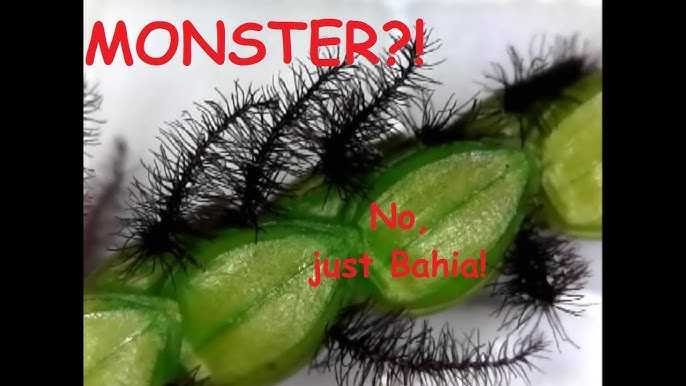
Bahia grass, also known as *Paspalum notatum*, is a warm-season grass native to South America. Its deep root system allows it to tolerate drought and poor soil conditions, but these same roots can make cutting difficult.
This grass grows quickly and spreads by both seed and runners. Its dense growth habit can cause resistance to standard mowing equipment. The grass’s thick stems and tough blades require special attention during mowing.
Why Is Bahia Grass So Thick and Dense?
One reason Bahia grass is hard to cut is its density. The plant forms a thick mat that is difficult for mower blades to pass through smoothly. Thick growth can lead to uneven cuts and the need for frequent blade sharpening.
Additionally, the dense root system causes the grass to hold onto soil tightly. This makes it more resistant to cutting and can cause blades to clog or stop working efficiently.
Blade Resistance and Tough Stems
The Toughness of Bahia Grass Stems
The stems of Bahia grass are tougher than many other grasses. They contain fibers that make cutting with standard lawn mowers more labor-intensive. These fibers require blades to be sharp and sometimes necessitate the use of specialized equipment.
Blade Dullness and Cutting Efficiency
If mower blades are dull, they can crush rather than cut the grass blades, leading to uneven edges and more effort. Regular sharpening is essential to maintain clean cuts and reduce the strain on your equipment.
Growth Cycle and Timing
Growth During Warm Seasons
Bahia grass thrives in warm weather, which can lead to rapid growth during spring and summer. Quick growth can make mowing more frequent and tougher, especially if the grass is tall and thick.
Timing Your Mowing
Timing is critical for easier cutting. Mowing when the grass is at its optimal height—typically around 3-4 inches—reduces stress on the mower. Cutting too tall or too short leads to resistance and potential damage to the mower blades.
Moisture Content and Cutting Challenges
Moisture levels impact Bahia grass’s toughness. Wet grass tends to be more challenging to cut because blades can slip or clog. Mowing during dry conditions ensures cleaner cuts and less strain on equipment.
Soil Conditions and Grass Toughness
Soil Fertility and Grass Density
Fertile soil promotes thick, vigorous grass growth. While healthy grass looks great, it can be more resistant to cutting due to its density and strong stems.
Compacted Soil and Root Growth
Compacted soil can make the roots tougher to penetrate. As roots grow deeper, they support tougher stems and denser foliage. Aerating the soil can help reduce these issues and make mowing easier.
Type of Mowing Equipment Needed
Standard Lawnmowers and Their Limitations
Standard rotary mowers often struggle with Bahia grass because of its density and tough stems. They may clog or leave uneven cuts, especially if blades are dull.
Using Commercial-Grade Equipment
Heavy-duty mowers with high-powered blades and sharpened cutting edges are better suited for Bahia grass. Some professionals prefer commercial zero-turn mowers or rotary cutters for more effective cutting.
Maintenance Tips for Easier Mowing
- Sharpen your mower blades regularly for cleaner cuts.
- Adjust the mower height to avoid cutting too low, which causes resistance.
- Maintain proper tire pressure to ensure even mowing and avoid scalping the grass.
- Remove debris and tall weeds that can interfere with cutting blades.
Additional Techniques for Cutting Bahia Grass
Gradual Height Reduction
Instead of cutting all at once, lower the mower gradually over a few sessions. This reduces stress on the grass and makes cutting more manageable.
Use of Proper Mowing Schedule
Regular mowing during the grass’s active growing period prevents it from becoming too tall and resistant. Consistent cutting encourages healthy, manageable growth.
Supplementary Tools and Techniques
In some cases, using a string trimmer or brush cutter for edges and tough patches can supplement mower efforts, making the overall process easier.
Related Topics to Consider
- Proper Lawn Maintenance for Bahia Grass: Watering, fertilizing, and aerating tips.
- Choosing the Right Mower: Factors to consider based on grass type.
- Controlling Overgrowth: Best practices for preventing overly tall and dense Bahia grass.
- Dealing with Pests and Diseases: How they affect grass growth and cutting difficulty.
Understanding these factors that contribute to Bahia grass’s resistance to cutting can help you develop effective mowing strategies. Regular maintenance, proper equipment, and timing are key to managing this resilient grass type successfully.
Why is Bahia Grass so hard to cut?
Frequently Asked Questions
What factors contribute to the resistance of Bahia grass when cutting?
Bahia grass has a naturally dense and tough structure, which makes it resistant to cutting. Its stems can be thick and fibrous, requiring more effort from the mower or trimmer. Additionally, the grass develops a strong root system that supports its height and density, making it more difficult to cut through effectively.
How does the height of Bahia grass affect the cutting process?
When Bahia grass grows too tall, it becomes more challenging to cut cleanly. Longer blades tend to bend or fold under the mower, reducing the efficiency of the blades and increasing the workload. Cutting grass at the appropriate height can improve ease of trimming and prevent damage to your equipment.
In what ways does the mower’s blade sharpness impact cutting Bahia grass?
A dull blade struggles to penetrate the thick fibers of Bahia grass, causing uneven cuts and increased resistance. Regularly sharpening blades ensures they stay effective, allowing for cleaner cuts and less strain on your mower, which can help make the process smoother.
Why does Bahia grass require specific mowing techniques compared to other grasses?
Bahia grass responds better to certain techniques, such as mowing at higher heights and using appropriate equipment. Cutting too short can weaken the grass, making it harder to manage, while improper techniques can cause tearing or uneven patches. Adapting your approach helps in maintaining the grass more easily.
Can environmental conditions influence the difficulty of cutting Bahia grass?
Yes, factors like high humidity and recent rainfall can increase the density and moisture content of Bahia grass, making it thicker and more resilient to cutting. Waiting for drier conditions or mowing during optimal weather helps reduce resistance and eases the cutting process.
Final Thoughts
Bahia grass is notoriously difficult to cut due to its dense root system and tough blades. Its rapid growth can quickly overwhelm standard mowing tools, making cutting labor-intensive. Additionally, the high moisture content and thick stems add to the challenge.
In conclusion, why is bahia grass so hard to cut? The grass’s resilient structure and quick growth rate contribute to this struggle, demanding specialized equipment or consistent maintenance for manageable cutting.