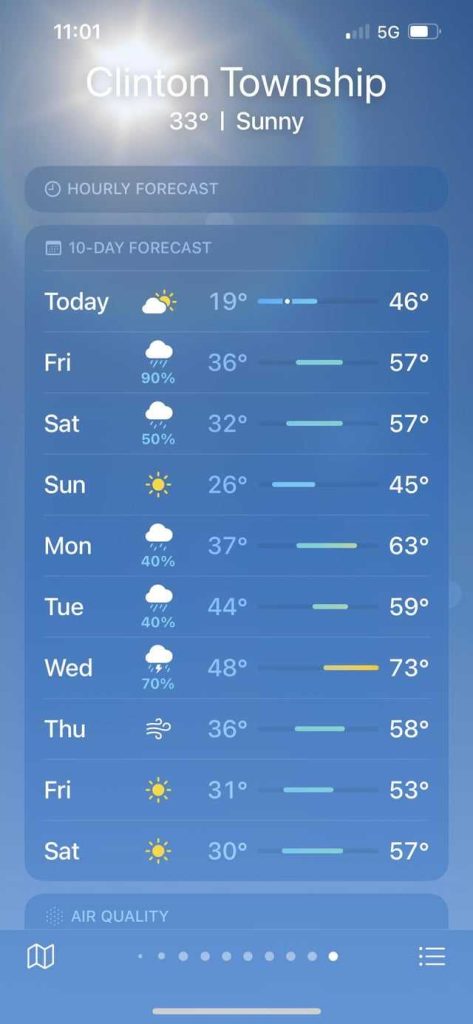
The best time to apply crabgrass preventer in Michigan is early spring, just as soil temperatures reach around 55°F. Timing is everything to keep your lawn free of these pesky weeds before they sprout. Applying it too early or too late can reduce its effectiveness, so catching that perfect window is key.
In short, you should apply crabgrass preventer in Michigan in early spring, typically between late March and early April, depending on local weather conditions. Aim to do it before crabgrass seeds germinate, which usually happens when soil temperatures hit the mid-50s. Proper timing ensures you prevent these weeds from taking root and taking over your lawn all summer long.
When it comes to lawn care in Michigan, understanding the climate and seasonal changes is crucial for weed prevention. Crabgrass is a common nuisance, and catching it early can save you lots of time and effort later. As spring begins to unfold, keep an eye on soil temperatures and local forecasts to determine the perfect moment to lay down that preventer. This simple step can be the difference between a lush, weed-free yard and a stubborn, crabgrass-infested mess.

When Should You Apply Crabgrass Preventer in Michigan
Applying crabgrass preventer at the right time is essential to keep your lawn healthy and free of this invasive weed. In Michigan, seasonal changes influence the best window for treatment. Knowing when to apply crabgrass preventer can save you time, money, and effort in maintaining a lush, green yard.
Understanding Crabgrass Growth Cycles
Crabgrass begins to germinate when soil temperatures reach around 55°F to 60°F. This typically happens in late spring or early summer in Michigan. Recognizing these growth cycles helps in timing your preventer application correctly.
Crabgrass is an annual weed, meaning it completes its life cycle within one year. It sproutes in the warmer months and dies off with the first frost. Early prevention halts its development before it takes over your lawn.
Optimal Timing Based on Soil Temperature
Since crabgrass germinates at soil temperatures of about 55°F to 60°F, monitoring local weather and soil temperatures is vital. Use a soil thermometer for accurate readings around your yard.
The best time to apply crabgrass preventer in Michigan is when soil temperatures reach 55°F to 60°F for at least three consecutive days. This typically occurs during late April or early May, depending on your specific location.
Why Soil Temperature Matters
Applying preventer too early can lead to ineffective results, as crabgrass may not have started to germinate yet. Waiting too long allows the weed to establish and spread. Accurate timing based on soil temperature ensures maximum effectiveness.
Timing Based on Calendar Dates
In Michigan, mid to late April marks the beginning of the ideal window for applying crabgrass preventer. Generally, from April 15 to May 15 is the recommended period.
Keep an eye on local weather forecasts. Warm days with sunshine often lead to rising soil temperatures, signaling the right time for treatment.
Factors Affecting Timing in Michigan
Several environmental factors influence when you should apply crabgrass preventer. These include soil moisture, air temperature, and recent weather events.
- Soil Moisture: Moist soils warm up faster, so if your lawn has recently been watered or experienced rain, it may reach the ideal temperature sooner.
- Air Temperature: Daytime temperatures above 60°F promote soil warming, signaling a good time to treat.
- Frost Risks: Make sure all chances of frost have passed before applying preventer, as frost can damage the chemical’s effectiveness.
Comparing Different Types of Crabgrass Preventers
There are various formulations available, including pre-mixed fertilizers with crabgrass preventers and standalone preventer products. Your choice influences the timing and method of application.
Most products recommend applying before crabgrass germination, emphasizing the importance of timing in relation to soil temperature and calendar dates.
Liquid vs. Granular Products
| Type of Application | Advantages | Ideal Timing |
|---|---|---|
| Liquid | Easy to apply, quick absorption | Early spring, before crabgrass germination |
| Granular | Longer-lasting, easier to spread over large areas | Late spring, when soil warms up |
Applying Crabgrass Preventer Properly in Michigan
Proper application techniques maximize the preventer’s effectiveness. Always follow product instructions for best results.
Preparation Before Application
Clear your lawn of debris and mow your grass to a recommended height. A clean, even surface allows for better product contact with the soil.
Check weather conditions to ensure no rain is forecasted within 24 hours of application to prevent wash-off.
Application Tips
- Measure accurately to apply the correct amount of product.
- Spread evenly using a broadcast spreader or hose-end sprayer.
- Water lightly after application if instructions recommend so, which helps activate the chemical.
- Avoid applying during high heat or drought conditions to prevent stress on your lawn.
Post-Application Care
After applying crabgrass preventer, continue normal lawn maintenance. Avoid fertilizing or aerating the soil immediately afterward unless specified by the product.
Maintain consistent watering habits to encourage healthy turf growth, which naturally suppresses weeds.
Recognizing When It’s Too Late for Prevention
If you notice crabgrass sprouting in your lawn, it’s likely past the optimal preventative window. At this point, consider post-emergent herbicides to control established weeds.
Prevention is always easier and more effective than controlling weeds after they have taken hold. Early application is key to avoiding a crabgrass infestation.
Additional Tips for Michigan Homeowners
- Use Local Weather Data: Regularly check local forecasts to time your treatment accurately.
- Consider Soil Testing: Knowing your soil temperature and conditions helps plan the best application window.
- Consistency Is Key: Apply preventer annually during the right time to build a strong defense each year.
Related Topics to Enhance Lawn Health
In addition to applying crabgrass preventer, consider these practices to improve your lawn’s resilience:
- Mowing: Keep your grass at the recommended height to promote thick turf growth.
- Watering: Water deeply and infrequently to encourage deep root growth.
- Fertilizing: Use appropriate fertilizers to strengthen your grass against weeds and pests.
- Aerating: Aerate in spring or fall to improve soil health and promote even nutrient distribution.
Summary
Deciding when to apply crabgrass preventer in Michigan hinges on soil temperature, calendar date, and weather conditions. The key is to act when soil temperatures consistently reach 55°F to 60°F, usually from mid-April to mid-May. Proper timing, combined with correct application techniques, results in a weed-free lawn and reduces the need for costly weed removal later.
Stay vigilant by monitoring soil conditions and weather reports, and you’ll keep your lawn crabgrass-free all season long. Remember, early prevention pays off in a healthy, vibrant yard that you can enjoy all summer.
When to apply crabgrass preventer
Frequently Asked Questions
What is the ideal time to apply crabgrass preventer in Michigan before the weed begins to sprout?
Apply crabgrass preventer in Michigan when soil temperatures reach about 55°F for several consecutive days, typically in early spring (around late March to early April). Applying at this time prevents crabgrass seeds from establishing roots, effectively stopping growth before it starts. Keep an eye on local weather patterns and soil temperature forecasts to determine the best moment for application.
Why is it important to schedule crabgrass preventer application before the peak growing season?
Applying crabgrass preventer before the peak growing season ensures the herbicide can stop crabgrass seedlings from germinating and establishing. If you delay application until crabgrass becomes visible, it will be harder to control, and the preventer might be less effective. Early treatment also reduces competition for nutrients and water in your lawn, promoting healthier grass growth.
How does the timing of application vary based on Michigan’s climate zones?
Michigan’s climate varies from warmer in the south to cooler in the north, affecting the timing of crabgrass preventer application. In southern regions, consider applying when soil temperatures reach 55°F, typically from late March to early April. In northern areas, wait until soil temperatures rise around 55°F, which may be in late April or early May. Monitoring local soil temperatures helps you choose the best time for effective prevention.
Should you apply crabgrass preventer during a specific weather condition for better results?
Yes, applying crabgrass preventer during dry, calm days ensures better adherence of the herbicide to the soil and reduces wash-off risks caused by rain or irrigation. It is best to apply when the weather is forecasted to be dry for at least 24 hours after application, allowing the chemical to settle into the soil and form a barrier against seed germination.
What are the risks of applying crabgrass preventer too early or too late in Michigan?
Applying too early, before soil temperatures reach 55°F, can lead to ineffective control because crabgrass seeds have not yet germinated. Conversely, applying too late, after crabgrass has started to sprout, diminishes the preventer’s effectiveness and may only slow its growth. Proper timing ensures the preventer works as intended, preventing crabgrass from establishing in your lawn.
Final Thoughts
The best time to apply crabgrass preventer in Michigan is early spring, typically when soil temperatures reach about 55°F. Applying too early may reduce effectiveness, while waiting too long allows crabgrass to establish. Monitor local weather patterns to choose the optimal window.
Applying crabgrass preventer at the right time helps keep your lawn healthy and free of invasive weeds. When should you apply crabgrass preventer in Michigan? Do so in early spring before crabgrass germinates for the best results.