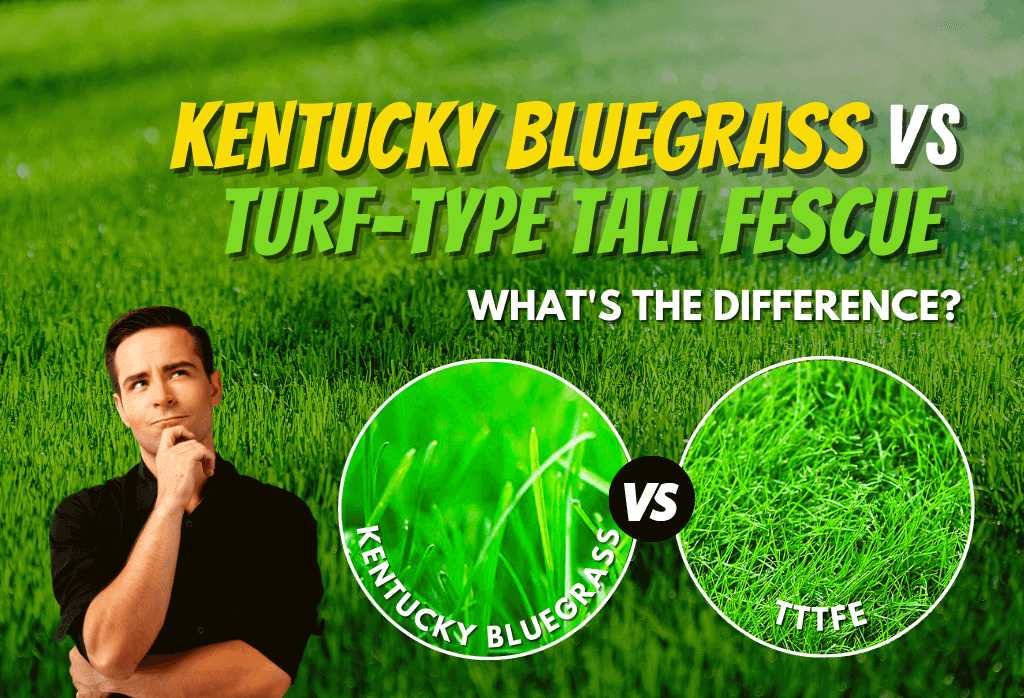
Tall fescue generally outperforms Kentucky bluegrass in durability and drought resistance, making it ideal for low-maintenance lawns. While Kentucky bluegrass offers a lush, fine-textured appearance, tall fescue is more resilient and easier to care for in varied climates. Ultimately, the choice depends on your lawn’s specific needs and environmental conditions.
Looking to decide between tall fescue and Kentucky bluegrass? It really comes down to your yard’s climate, how much time you want to spend maintaining your lawn, and the look you prefer. If you want a hardy, drought-tolerant turf that can handle foot traffic and less frequent watering, tall fescue is often the better option. On the other hand, if you’re after a soft, dense, and luxurious lawn that thrives with regular care, Kentucky bluegrass might suit you better. Both grasses have their strengths, but understanding their differences can help you choose the perfect grass for your home.

Which Is Better Tall Fescue or Kentucky Bluegrass?
Understanding the Basics of Tall Fescue and Kentucky Bluegrass
Both tall fescue and Kentucky bluegrass are popular grass types used in lawns across the country. They each have unique qualities that make them suitable for different environments and preferences. Knowing their basic characteristics helps homeowners choose the grass that fits their needs best.
Tall fescue is a cool-season grass known for its deep roots and resilience. It holds up well against droughts and heavy foot traffic, making it a strong choice for active lawns. Kentucky bluegrass, also a cool-season grass, is famous for its lush, dense, and soft appearance.
Growth Habits and Appearance
Tall Fescue
These grasses grow in clumps, with blades that are coarse and dark green. They tend to have a slightly upright growth pattern, giving your lawn a thicker look over time. Tall fescue’s deep roots can stretch several feet into the soil, helping it survive dry conditions.
Kentucky Bluegrass
This grass forms a dense, carpet-like turf with fine-textured blades. It spreads through rhizomes, which are underground stems, to fill in bare spots. Kentucky bluegrass often has a bright blue-green color, especially in well-maintained lawns.
Climate Preferences and Growing Conditions
Temperature Tolerance
- Tall Fescue: Handles both cool and warm weather but performs best in regions with hot summers due to its drought resistance.
- Kentucky Bluegrass: Prefers cooler climates and thrives in areas with moderate temperatures and sufficient moisture.
Soil and Sunlight
Both grasses prefer well-draining soil and full sun exposure. Tall fescue can tolerate poorer soil conditions better than Kentucky bluegrass and is more adaptable to shaded areas. Kentucky bluegrass grows lushest in fertile, moist soil with at least six hours of sunlight daily.
Maintenance and Care Requirements
Watering Needs
- Tall Fescue: Requires less frequent watering once established because of its deep root system.
- Kentucky Bluegrass: Needs regular watering to keep the turf vibrant but can struggle during droughts without supplemental irrigation.
Mowing and Fertilization
Both grasses should be mowed regularly to maintain a healthy lawn. Tall fescue can be mowed higher, around 3 inches, which helps its roots stay strong. Kentucky bluegrass generally looks best when kept at 2 to 2.5 inches for a dense, tidy appearance.
Pest and Disease Resistance
- Tall Fescue: Shows good resistance to pests such as chinch bugs and diseases like rust. Its drought resilience also reduces disease risk.
- Kentucky Bluegrass: Susceptible to certain fungal diseases and requires good aeration to prevent thatch buildup. Regular overseeding helps maintain density.
Durability and Foot Traffic Tolerance
For lawns with frequent activity or children playing, durability matters. Tall fescue is highly tolerant to heavy foot traffic because of its coarse texture and deep roots. Kentucky bluegrass also handles activity well but can develop compacted areas prone to disease if not maintained properly.
Cost and Seed Availability
In general, tall fescue seeds tend to be more affordable and widely available. It is often sold as a durable, low-maintenance option. Kentucky bluegrass seeds, while sometimes pricier, are favored for their aesthetic appeal and lush look, especially in high-end lawns.
Environmental Impact and Sustainability
Tall fescue’s drought resistance makes it an eco-friendly choice, reducing water consumption significantly. Kentucky bluegrass, requiring more water and fertilization, may have a larger environmental footprint if not managed responsibly. Choosing the right grass can contribute to conservation and sustainable lawn care practices.
Best Uses and Recommendations
For Drought-Prone Areas
Tall fescue excels in regions with hot, dry summers, making it ideal for those looking for a low-water lawn. Its deep roots help it survive drought conditions with less irrigation.
For Aesthetic Appeal
Kentucky bluegrass is preferred when the goal is a lush, picture-perfect lawn. Its fine texture and vibrant color make it a favorite for ornamental landscapes.
For High Traffic and Child-Friendly Lawns
Both grasses work well, but tall fescue’s tough nature provides an edge in high-activity areas. It can withstand more wear and tear without becoming patchy.
Combining Tall Fescue and Kentucky Bluegrass
Many homeowners and landscapers opt for a blend of both grasses. This combination offers the resilience of tall fescue with the beauty of bluegrass. Such mixes can balance durability with visual appeal and adapt to variable conditions.
Final Thoughts on Which Is Better
Ultimately, choosing between tall fescue and Kentucky bluegrass depends on your environment, lawn use, and aesthetic goals. Tall fescue works well in areas needing drought tolerance and low maintenance. Kentucky bluegrass shines in cooler climates where appearance is a priority. Both have their place, and understanding their differences helps you make the best decision for your lawn’s health and beauty.
Kentucky Bluegrass vs. Tall Fescue
Frequently Asked Questions
How do drought tolerance levels compare between tall fescue and Kentucky bluegrass?
Tall fescue generally handles drought conditions better than Kentucky bluegrass. Its deep root system allows it to access moisture deep in the soil, making it more resilient during dry spells. Kentucky bluegrass requires more frequent watering to stay healthy, especially in prolonged dry periods.
Which grass type requires less maintenance, tall fescue or Kentucky bluegrass?
Generally, tall fescue demands less maintenance than Kentucky bluegrass. It resists pests and diseases more effectively and needs fewer fertilizations. Kentucky bluegrass, on the other hand, often requires regular watering, fertilizing, and occasional overseeding to maintain its lush appearance.
In terms of shade tolerance, which grass performs better?
Both tall fescue and Kentucky bluegrass perform well in shaded areas, but tall fescue tends to be slightly more adaptable to varying light conditions. It maintains its color and density better in partial shade compared to Kentucky bluegrass, which prefers sunnier locations for optimal growth.
Which grass type recovers faster from damage or heavy use?
Tall fescue recovers quickly after damage or heavy foot traffic due to its vigorous growth habit. It has a deep root system that helps it bounce back faster. Kentucky bluegrass takes longer to recover because its growth is more concentrated on the surface and it is somewhat more sensitive to stress.
How do the visual appearances of tall fescue and Kentucky bluegrass differ?
Kentucky bluegrass offers a fine-textured, dense, and vibrant green appearance that many find attractive. Tall fescue has a coarser texture with broader leaves, but it still provides a lush, dark green look. The choice often depends on aesthetic preferences and the specific look you want for your lawn.
Final Thoughts
Tall fescue is highly drought-tolerant and requires less maintenance, making it ideal for dry climates. Kentucky bluegrass offers a lush, dense lawn but needs frequent watering and care.
Which is better tall fescue or kentucky bluegrass depends on your climate and maintenance preferences. For low upkeep and drought resistance, tall fescue stands out. Kentucky bluegrass excels in areas with ample water and regular care.