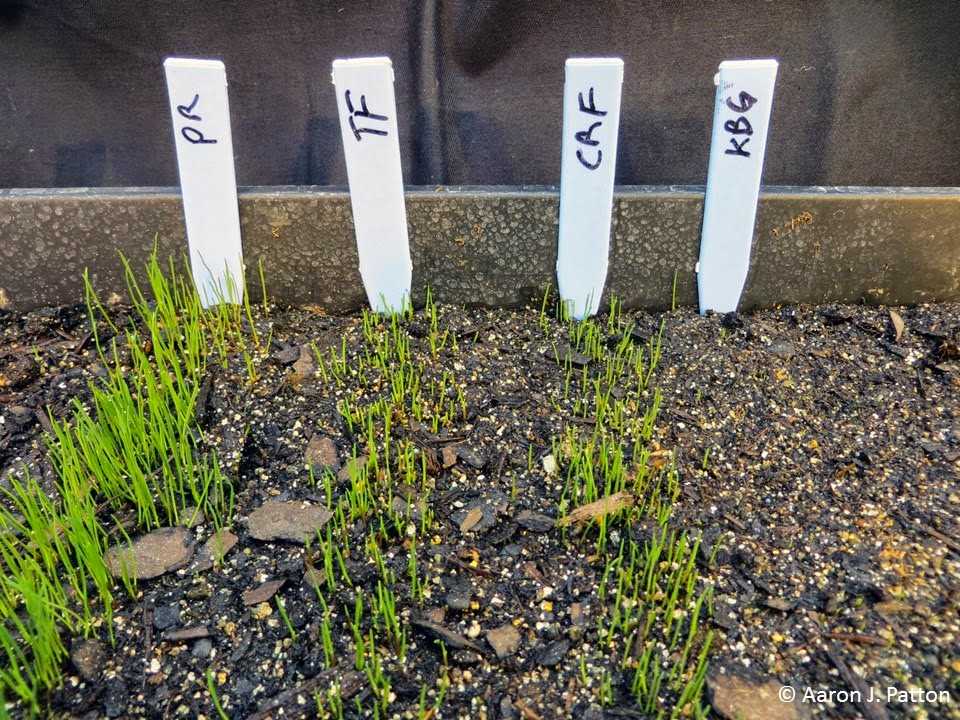
Kentucky bluegrass typically takes about 14 to 21 days to germinate under ideal conditions. Want a lush, green lawn? Knowing the right timing helps you plan your planting and care routines. With proper soil preparation, consistent watering, and favorable weather, you’ll see your new grass sprout within a few weeks, transforming your yard into a beautiful outdoor space.
Kentucky bluegrass generally takes around two to three weeks to germinate, depending on factors like soil temperature and moisture levels. It thrives best when planted in early fall or spring, with consistent watering and good soil contact. Understanding these timelines helps you set realistic expectations and provides guidance for successful lawn establishment.
Planting Kentucky bluegrass is a rewarding experience, but patience is key. Once the seed is sown, maintaining even moisture and optimal soil temperature—ideally between 60 to 75°F—will promote faster germination. Keep the soil moist, avoid heavy foot traffic during this period, and you’ll soon be rewarded with a vibrant, dense lawn. So, if you’re wondering how long your new grass will take to emerge, expect about two to three weeks, provided you give it proper care and the right growing conditions.

How Many Days for Kentucky Bluegrass to Germinate
Understanding the germination time for Kentucky Bluegrass helps you plan your lawn project effectively. Typically, this grass takes a certain number of days to sprout after planting, depending on various factors. Let’s explore in detail how long it takes for Kentucky Bluegrass to germinate and what influences this process.
Average Germination Period for Kentucky Bluegrass
Most Kentucky Bluegrass seeds generally sprout within 14 to 21 days after planting. However, the exact time can vary based on conditions like soil temperature and moisture levels. Patience is key, as seedlings usually appear gradually during this period.
Factors Affecting Germination Time
Soil Temperature
This grass prefers soil temperatures between 60°F and 75°F. Seeds tend to germinate faster when soil is within this range. Cool soils can delay germination, while warmer soils can speed it up, but avoid temperatures above 80°F to prevent seed damage.
Soil Moisture
Consistent moisture is essential for seed germination. Keep the soil evenly humid but not soggy. Drought or excessive water can slow down or even prevent germination.
Seed Quality and Preparation
High-quality seed with good purity and germination rates improves chances for faster sprouting. Proper soil preparation, like tilling and removing debris, helps the seed contact good soil and absorb moisture effectively.
Impact of Planting Time on Germination Duration
Spring Planting
Planting Kentucky Bluegrass in early spring gives the seeds the warm, moist conditions they need. Expect germination within two to three weeks. Spring is often considered the best time to plant for quick results.
Fall Planting
Fall planting can also lead to successful germination, especially if soil temperatures remain between 50°F and 65°F. Germination might take a bit longer, around two to four weeks, due to cooler soil temperatures.
Steps to Promote Faster Germination
Proper Soil Preparation
Loosen the soil to a depth of at least 4 inches. Remove weeds and debris, then level the surface to ensure good seed-to-soil contact. Adding a starter fertilizer can provide essential nutrients for initial growth.
Seed Spreading and Covering
Distribute the seed evenly using a spreader. Cover the seeds lightly with soil or compost, about 1/4 to 1/2 inch, to protect them from birds and to maintain moisture.
Consistent Watering
Water lightly and frequently, keeping the top inch of soil moist. During germination, aim to water once or twice a day, depending on weather conditions.
Waiting and Monitoring During Germination
Regularly check your lawn after planting. Look for tiny green shoots emerging from the soil. Avoid heavy foot traffic until the grass is well established.
Common Challenges and Troubleshooting
Slow Germination
If seeds aren’t sprouting after three weeks, check soil temperature and moisture. Adjust watering or wait for better weather conditions to improve germination.
Seed Damping-Off
Fungal disease can cause seeds or young seedlings to rot. Ensure good drainage and avoid overwatering to prevent this issue.
Uneven Growth
Uneven germination might result from patchy seed distribution or inconsistent soil preparation. Reseed bare spots for a uniform lawn.
Related Topics to Consider for Optimal Growth
- Soil Testing: Conduct a test to check pH and nutrient levels, ensuring ideal conditions for Kentucky Bluegrass.
- Fertilization Schedule: Use a balanced fertilizer to provide necessary nutrients during germination and early growth stages.
- Sunlight Requirements: Kentucky Bluegrass thrives in full sun but can tolerate some shade. Ensure your lawn gets at least 4 to 6 hours of direct sunlight daily.
- Watering Techniques: Use a gentle spray or sprinkler to avoid disturbing the soil or washing away seeds.
Summary of Key Data
| Parameter | Optimal Range or Timeframe |
|---|---|
| Germination Time | 14 to 21 days |
| Soil Temperature | 60°F to 75°F |
| Watering Frequency | Daily or as needed to keep soil moist |
| Planting Season | Spring or Fall for best results |
Knowing how many days for Kentucky Bluegrass to germinate helps set realistic expectations and allows you to prepare properly. With the right conditions and care, you’ll see those tiny green shoots emerge, turning your lawn into a lush green space.
How long does it take for KBG to germinate?
Frequently Asked Questions
What environmental conditions influence the germination time of Kentucky bluegrass?
Optimal soil temperature, moisture levels, and proper light exposure significantly affect how quickly Kentucky bluegrass seeds germinate. When the soil temperature ranges between 60°F and 75°F, seeds tend to sprout more rapidly. Consistent moisture helps activate seed growth, while adequate sunlight ensures healthy seedling development. If any of these conditions are suboptimal, germination may take longer or be uneven.
How does soil preparation impact the germination process of Kentucky bluegrass?
Preparing the soil properly creates a conducive environment for seed germination. Incorporating organic matter improves soil aeration and water retention, while breaking up compacted soil allows seeds to establish roots more easily. Raking the seedbed to create good seed-to-soil contact also speeds up germination, helping seeds sprout within the typical time frame.
What is the expected time frame for Kentucky bluegrass to sprout after planting?
Most Kentucky bluegrass seeds germinate within 14 to 30 days. The exact duration depends on factors such as temperature, soil conditions, and moisture availability. Maintaining consistent watering and monitoring environmental conditions can help ensure seeds sprout within this period, leading to a healthy and even lawn development.
Can planting Kentucky bluegrass at different times of the year affect germination speed?
Yes, planting during the optimal cooler months, typically early spring or early fall, promotes faster germination. During these periods, soil temperatures are ideal, and moisture levels are usually sufficient. Planting during unsuitable seasons can delay germination or reduce overall success due to adverse conditions like excessive heat or dryness.
What gardening practices can help achieve quicker germination of Kentucky bluegrass?
Practicing proper watering, maintaining consistent soil moisture, and ensuring good seed-to-soil contact support quicker germination. Additionally, mulch can help retain soil moisture, while avoiding overwatering prevents seed washout. Using a starter fertilizer with the right nutrients can also promote healthy seedling growth and reduce the germination period.
Final Thoughts
Kentucky bluegrass typically germinates within 14 to 21 days after planting. Proper soil preparation and consistent watering encourage faster germination. Keep the soil moist and ensure it stays at a temperature of around 60-75°F for optimal growth.
In summary, how many days for Kentucky bluegrass to germinate? Generally, it takes about two to three weeks, depending on conditions and care. Providing ideal conditions can help achieve quicker results.