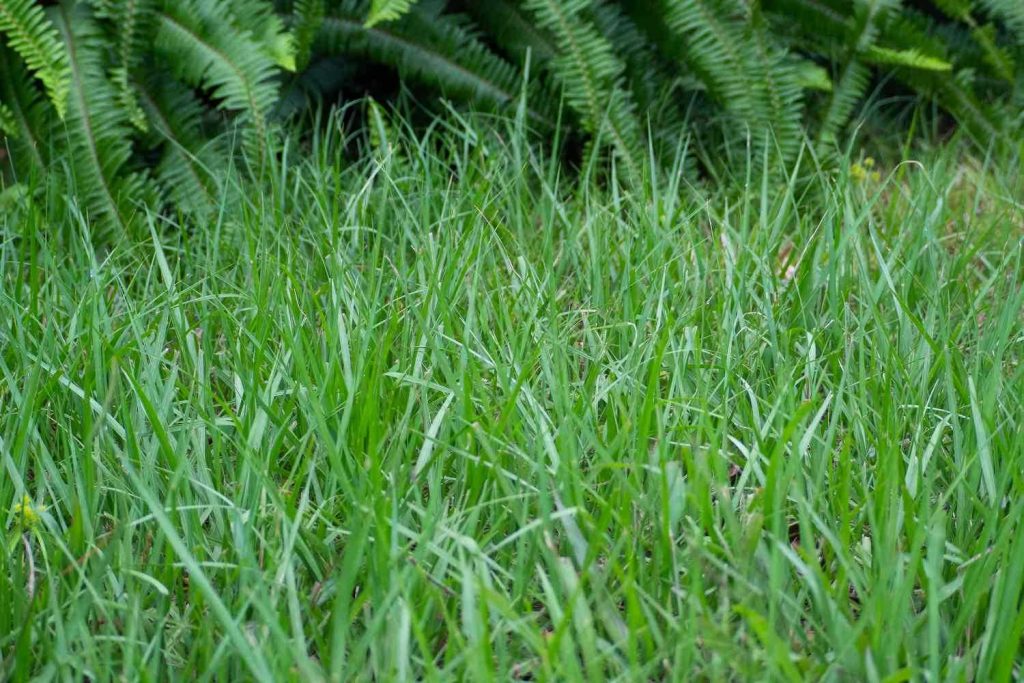
Bahia grass is a popular choice for warm climates, often seen sprawling across lawns and pastures. If you’re wondering where to find it, the answer is simple: Bahia grass thrives mainly in the southeastern United States, particularly in states like Florida, Texas, Georgia, and Alabama. It prefers well-drained soils and full sunlight, making it a common sight in warm, sunny areas. Whether you’re looking to plant it for your lawn or grazing land, Bahia grass naturally grows in regions with subtropical to tropical climates. Knowing its ideal environment helps you locate it easily or determine if it can be cultivated in your area. This vibrant, hardy grass not only enhances landscapes but also provides excellent forage for livestock, making it a valuable plant in many southern landscapes.

Where Do You Find Bahia Grass?
Understanding Bahia Grass and Its Natural Habitat
Bahia grass, known scientifically as *Paspalum notatum*, is a warm-season grass that thrives in specific environments. It is naturally found in regions with hot, humid climates where it can grow vigorously. This grass often appears in open fields, pastures, and along natural waterways. Its adaptability allows it to flourish in areas with minimal rainfall and poor soil quality, making it a popular choice for land coverage in suitable regions.
Geographical Regions Where Bahia Grass Naturally Grows
Bahia grass is primarily native to tropical and subtropical regions. You are most likely to find it in the southeastern parts of the United States, such as Florida, Texas, and parts of Louisiana. It also grows extensively in Central and South America, including countries like Brazil, Argentina, and Uruguay. In these areas, the climate provides ideal conditions for Bahia grass to spread and establish dense mats.
Climatic Conditions Favoring Bahia Grass Growth
This grass prefers warm temperatures ranging from 75°F to 95°F. It thrives in areas with long, hot summers and mild winters. Bahia grass is highly tolerant of drought once established, making it suitable for regions with irregular rainfall. It also tolerates high temperatures and full sun exposure, which promotes lush growth and healthier development.
Temperature and Rainfall Requirements
| Parameter | Optimal Range |
|---|---|
| Temperature | 75°F to 95°F |
| Annual Rainfall | 20 to 40 inches |
Where Else Can You Find Bahia Grass?
Apart from its native regions, Bahia grass has been introduced to other parts of the world for pasture and landscaping. It is commonly planted in warm climates around the globe where conditions mimic its natural habitat. It is often found in tropical islands, Mediterranean regions, and parts of Australia. Its ability to tolerate poor soils and drought makes it a valuable grass in these areas.
How to Identify Bahia Grass in the Field
Recognizing Bahia grass involves understanding its physical characteristics. It has a coarse texture with broad, flat leaves that grow in dense clumps. The grass produces soft, purple-tinted seed heads that appear during late spring and summer. Its roots spread extensively, allowing it to cover large areas quickly.
Physical Features of Bahia Grass
- Growth Habit: Clumping and spreading
- Leaf Texture: Coarse with broad, flat leaves
- Color: Green leaves with purple-tinted seed heads
- Seed Production: Produces soft, fuzzy seed heads in warmer months
Regions and Environments for Cultivation
Farmers and landscapers often cultivate Bahia grass in areas that match its natural environmental preferences. It’s suitable for pasturelands, golf courses, and residential lawns in warmer zones. Its ability to withstand environmental stresses makes it a popular choice for land management in drought-prone areas.
Best Environments for Cultivating Bahia Grass
- Open Fields and Prairies
- Pasturelands for Grazing Animals
- Lawns in Warm, Humid Climates
- Areas with Well-Drained, Sandy, or Loamy Soils
The Role of Soil and Water in Bahia Grass Distribution
While Bahia grass is adaptable, it prefers certain soil types and water availability to thrive best. It grows well in sandy, well-drained soils that are low in fertility but can survive in poorer soils. Adequate sunlight and minimal water are ideal, but the grass can endure drought conditions once established.
Soil Preferences and Tolerance
– Well-drained sandy or loamy soils
– Tolerance for acidic to neutral pH levels
– Poor fertility soils are still suitable for growth
Water Requirements and Drought Tolerance
Bahia grass can withstand periods of drought, but regular watering encourages denser, healthier growth. Overwatering should be avoided to prevent root diseases. Its deep root system allows it to access water from underground sources, aiding survival during dry spells.
Bahia grass can be found naturally in warm, tropical, and subtropical regions across North and South America. It thrives in open fields, pastures, and lawns where environmental conditions match its needs. Recognizing its physical traits and understanding its preferred soil and climate conditions can help growers and landscapers identify and cultivate Bahia grass effectively, ensuring lush, resilient ground cover in suitable environments.
How To Care For A Bahia Grass Lawn Part 1
Frequently Asked Questions
What regions in the United States are known for natural Bahia grass growth?
Bahia grass thrives in the warm climates of the southeastern United States. States like Florida, Texas, Georgia, Alabama, and parts of Louisiana commonly feature Bahia grass in their landscapes. These areas provide the ideal combination of temperature and soil conditions that support its growth.
Can Bahia grass be found in tropical and subtropical environments outside the US?
Yes, Bahia grass is prevalent in tropical and subtropical regions worldwide, including parts of Central and South America, the Caribbean, and Africa. Its adaptability allows it to flourish in warm, sunny environments with well-drained soils, making it a popular choice for lawns and pastures in these regions.
Where do landscapers typically plant Bahia grass in residential settings?
Landscapers usually plant Bahia grass in regions with hot, sunny climates, especially in yards, parks, and sports fields. They select areas with ample sunlight and good drainage to promote healthy growth. Bahia grass also works well for erosion control on slopes and in low-maintenance lawns across suitable climates.
What types of soil conditions favor the growth of Bahia grass in its natural habitats?
Bahia grass prefers sandy, well-drained soils that are moderately acidic to neutral. It can tolerate infertile soils better than many other grasses, making it highly adaptable. In its natural habitats, it often grows in open, sunny areas with minimal soil fertility, which helps it establish strong roots and spread effectively.
Are there specific ecological zones where Bahia grass is most commonly found?
Bahia grass is mainly found in ecological zones characterized by warm temperatures, such as the subtropical and tropical grasslands and savannas. These zones provide the consistent sunlight, warmth, and soil conditions that support its growth, making Bahia grass a common feature in these environments.
Final Thoughts
Bahia grass thrives in warm climates and is commonly found in the southern United States, Central America, and parts of South America. It prefers well-drained soils and sunny locations, making it ideal for pastures and lawns in these regions.
You can find bahia grass predominantly in states like Texas, Florida, and Georgia. It is also prevalent in tropical and subtropical areas where conditions support its growth.
Where do you find bahia grass? It is typically located in warm, sunny environments with suitable soil types. Knowing its preferred habitat helps you identify where it naturally occurs.