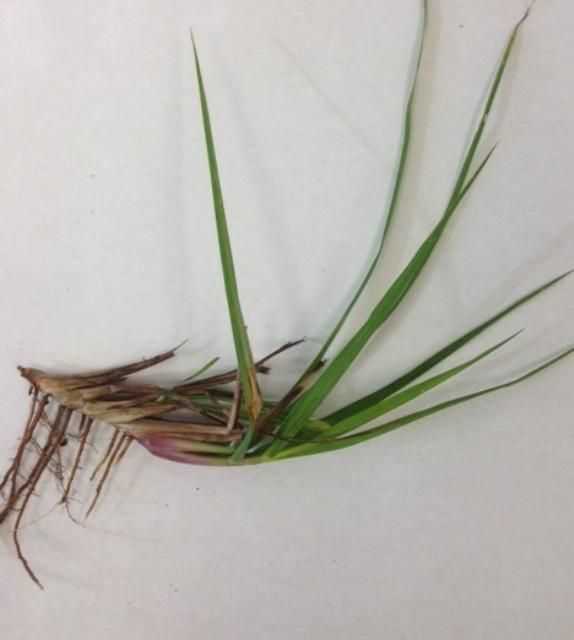
The best time to plant Argentine Bahia grass seed in Florida is during the late spring to early summer months, typically from May to June, when soil temperatures are warm and conditions are ideal for germination. Planting during this period allows the grass to establish a strong root system before the heat of summer and cooler winter months arrive. For quick results, ensure the soil is well-prepared and moist.
In short, the optimal time to plant Argentine Bahia grass seed in Florida is late spring to early summer, from May to June. Planting during this window maximizes germination success and promotes healthy turf growth throughout the year.
If you’re considering planting Argentine Bahia grass in Florida, timing is crucial to ensure a lush, durable lawn. Bahia grass thrives in warm weather, so planting at the right time helps the grass take root before the intense heat of summer or the cooler winter chill. Generally, the best window for planting is late spring through early summer, when soil temperatures are consistently warm and rainfall is sufficient to support germination. Proper timing, combined with soil preparation and regular watering, can lead to a vibrant, resilient lawn that withstands Florida’s challenging climate.

When to Plant Argentine Bahia Grass Seed in Florida
Understanding the Growth Cycle of Argentine Bahia Grass
Argentine Bahia grass is known for its warm-season growth pattern. It thrives during the hot summer months and remains dormant during colder periods. Knowing its growth cycle helps determine the best planting time for optimal results in Florida.
In Florida, the grass’s growth is primarily active from late spring through early fall. During this period, the weather conditions favor seed germination and healthy establishment. Planting outside this window may result in poorer germination rates or weak grass development.
The key is to time your planting so that seeds can establish roots before the peak heat of summer arrives. This ensures the grass has enough time to grow strong and fill in patches before the cooler months set in.
Ideal Climate Conditions for Planting
Planting Argentine Bahia grass in Florida requires understanding the state’s climate. Florida has a subtropical to tropical climate with warm temperatures year-round.
Warm soil temperatures are essential for successful seed germination. Ideally, soil temperatures should be between 65°F (18°C) and 85°F (29°C). In Florida, this means planting in late spring or early summer when soil warmth is consistent.
Avoid planting during the cooler winter months when soil temperatures fall below the optimal range. Cold weather hampers seed germination and delays growth.
Additionally, planting during periods of low rainfall or drought can lead to poor germination. Ensure that the weather forecast indicates some rain or plan for supplemental watering.
Best Time to Plant Argentine Bahia Grass Seed in Different Florida Regions
Florida’s diverse climate means planting times may vary across the state. It is important to tailor your planting schedule based on your specific location.
In northern Florida, aim for planting between late March and early June. This allows the seeds to establish well before the hot summer and cooler winter months.
In central Florida, late April through early July is ideal. The soil warms quickly, and the weather remains warm enough for quick germination.
In southern Florida, you can plant from late March to June. The consistent warm climate supports rapid seed growth and establishment.
Always check local weather conditions before planting, and avoid dates with unexpected cold fronts or heavy rains.
Preparing Your Soil for Argentine Bahia Grass Planting
Proper soil preparation boosts germination success. Before planting, clear the area of debris, weeds, and rocks. Loosen the soil to ensure good seed-to-soil contact.
Amend the soil as needed. Argentine Bahia grass prefers well-drained, sandy soils with a pH level between 5.5 and 6.5.
Incorporate organic matter or compost to improve soil fertility and moisture retention. A soil test can help determine if additional nutrients or pH adjustments are necessary.
Level the soil surface to prevent water pooling, which can drown seeds or cause uneven germination.
Choosing the Right Seed and Planting Method
Opt for high-quality Argentine Bahia grass seed from reputable suppliers. Look for seeds with high germination rates and disease resistance.
Seed application can be done by broadcasting or using a seed spreader for even distribution. For best results, lightly rake the seeds into the soil or press them down with a roller to ensure seed-to-soil contact.
Maintain a consistent moisture level—keep the soil damp but not soaked—until seeds germinate. Regular watering is essential during this period, especially in dry spells.
In some cases, planting during the early stages of the rainy season reduces watering needs and supports quicker germination.
Factors Affecting Germination and Growth
Several factors influence how well Argentine Bahia grass seeds germinate and grow in Florida.
Temperature is crucial; seeds germinate best at soil temperatures between 65°F and 85°F. Excessively hot or cold temperatures slow down germination or halt it altogether.
Soil moisture must be consistent; too dry or overly saturated soil can prevent seeds from establishing. Proper irrigation during the first few weeks is vital.
Light exposure also affects germination. Seeds need direct sunlight to sprout effectively, so plan your planting in open areas with plenty of sunlight.
Avoid planting during periods of heavy wind or rain, which can wash away seeds or damage seedlings.
Timing for Post-Plant Care and Maintenance
Once the seeds are planted, your focus shifts to nurturing the young grass. Keep the soil consistently moist until the grass is established, typically for the first 4 to 6 weeks.
Apply a light layer of fertilizer to encourage healthy growth, especially a fertilizer formulated for warm-season grasses. Follow the recommended application rates to avoid over-fertilization.
Avoid heavy foot traffic on newly planted areas to prevent seed displacement or soil compaction.
As the grass begins to grow, gradually reduce watering frequency but continue to supply enough moisture to support root development.
Maintain proper mowing height—about 3 to 4 inches—to promote thick, healthy turf growth.
Practical Tips for Successful Planting in Florida
Florida residents should consider some practical tips for the best Argentine Bahia grass results.
Timing your planting with the local weather forecast reduces risks associated with unexpected cold snaps or heavy rainfall.
Use a soil thermometer to check soil temperatures before planting, ensuring optimal conditions are met.
Water seeds lightly but consistently, especially during dry periods, to maintain moist soil without encouraging fungal diseases.
Monitor for pests and weeds that can compete with young grass seedlings, and address problems early.
Lastly, patience is key; Argentine Bahia grass takes time to establish, but with proper planning, your lawn will become lush and durable.
Summary of Key Points
- Plant in late spring or early summer when soil temperatures are between 65°F and 85°F.
- Prepare your soil thoroughly, ensuring good drainage and proper pH levels.
- Choose high-quality seeds and follow recommended planting techniques.
- Water consistently during germination, then adjust as the grass matures.
- Tailor your planting schedule based on your specific Florida region for best results.
How To Care For A Bahia Grass Lawn Part 1
Frequently Asked Questions
What is the best time of year to plant Argentine Bahia grass seed in Florida?
The optimal time to plant Argentine Bahia grass seed in Florida is during the late spring to early summer months, typically from May to June. Planting during this period allows the grass to establish itself during warm weather, ensuring healthy growth and better drought tolerance throughout the warmer months.
Should I wait until the soil temperature reaches a certain point before planting?
Yes, it is important to wait until soil temperatures are consistently between 70°F and 85°F. This range promotes better seed germination and healthy root development. Monitoring soil temperature helps you choose the right planting window for optimal seed establishment.
Is it better to plant Argentine Bahia grass seed before or after the rainy season in Florida?
Planting just before the rainy season begins tends to yield the best results. The increased moisture from rain helps the seeds settle and germinate more efficiently. Scheduling planting just ahead of the rainy season ensures the young grass receives enough water to develop strong roots.
Can I plant Argentine Bahia grass seed in Florida during the cooler months?
While it is possible to plant during the cooler months, it is not recommended because germination and growth slow down significantly. The best results occur when planting during warm periods, typically late spring through early summer, when soil and air temperatures support active growth.
How long should I wait after planting before I see new growth in Florida’s climate?
Generally, Argentine Bahia grass seeds begin to sprout within 10 to 21 days after planting. Factors such as soil temperature, moisture levels, and seed quality influence germination time. Adequate watering and proper planting conditions speed up the emergence of new grass growth.
Final Thoughts
When to plant argentine bahia grass seed in Florida depends on local climate conditions. The best time is during the warm months, typically from late spring to early summer, when soil temperatures are ideal for germination.
Planting in early fall is also effective, allowing the grass to establish before winter. Avoid planting during the coldest months, as low temperatures hinder seed growth.
By choosing the right timing, you ensure a healthy, lush lawn that thrives in Florida’s environment.