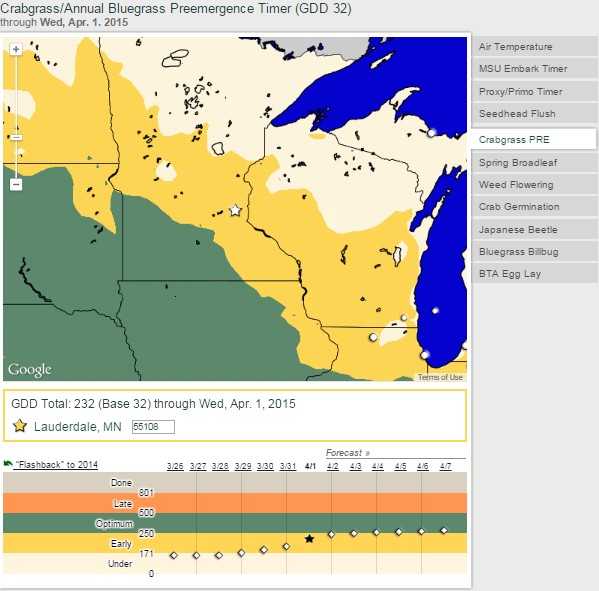
The best time to apply crabgrass preventer in Minnesota is early spring before the soil temperature reaches 55°F for several consecutive days. Timing is crucial to effectively stop crabgrass from sprouting and taking over your lawn. Applying too early or too late can reduce its effectiveness, so understanding Minnesota’s seasonal cues is key.
In short, you should apply crabgrass preventer in Minnesota in early to mid-spring, ideally when soil temperatures begin to rise but before crabgrass seeds germinate. Monitoring local weather patterns and soil temperatures helps ensure you’re applying at the right moment for maximum protection.
Crabgrass preventer is essential for maintaining a lush, healthy lawn in Minnesota, where this invasive weed can quickly dominate. Since Minnesota’s spring weather can be unpredictable, timing your application just before crabgrass seeds sprout ensures you’re taking the most effective step toward a weed-free lawn all season long. Keep an eye on soil temperatures and local forecasts to plan your application perfectly.

When to Use Crabgrass Preventer in Minnesota
Understanding Crabgrass and Why Prevention Matters
Crabgrass is a common weed that appears in lawns during the warm months. It spreads quickly and can take over a yard if not managed early. Using a crabgrass preventer at the right time can stop it from germinating and spreading. Proper prevention helps maintain a lush, healthy lawn and reduces the need for costly weeding later.
Timing Is Everything for Crabgrass Prevention
The best time to apply crabgrass preventer in Minnesota depends on the weather. Generally, applying before crabgrass seeds sprout gives the best results. If you wait too long, the weed can establish itself and become harder to control.
Understanding Minnesota’s Climate and Its Impact on Crabgrass Growth
Minnesota has cold winters and warm summers. Crabgrass seeds typically start to germinate when soil temperatures reach around 55°F to 60°F. This usually happens between late April and early May in Minnesota.
Monitoring Soil Temperature for Precise Timing
Using a soil thermometer can help you determine the ideal time for application. Check the soil temperature regularly starting in early spring. Once temperatures stay above 55°F for three consecutive days, it’s time to apply the preventer.
Ideal Periods for Applying Crabgrass Preventer in Minnesota
Applying at the right time depends on your region within Minnesota. In southern areas, late April to early May is perfect. In northern parts, wait until mid to late May when soil warms up sufficiently.
Spring Application
Apply crabgrass preventer in early spring, ideally before weed seeds germinate. This window is crucial for preventing crabgrass from sprouting. Use a weather forecast to confirm warm days are ahead.
Fall Considerations
While spring is the primary time for application, some homeowners apply a second treatment in early fall. This practice can help control any late germination and protect your lawn for the following year.
How to Apply Crabgrass Preventer Effectively
Proper application ensures the product works as intended. Use a broadcast spreader or drop spreader for even coverage. Avoid applying on windy days to prevent wastage and uneven distribution.
Preparation Before Applying
Mow your lawn to a height of about 2.5 to 3 inches before applying the preventer. A clean, dry lawn allows the product to settle into the soil more effectively.
Applying the Product
Follow the label instructions carefully for recommended amounts. Use a spreader to distribute evenly across the lawn, targeting all areas. Water the lawn lightly after application unless instructed otherwise.
Factors That Affect Crabgrass Preventer Effectiveness
Several factors can influence how well your prevention efforts work. Weather, soil conditions, and proper timing all play roles.
Rainfall and Watering
Light watering after application helps the preventer soak into the soil. Heavy rain within 24 hours can wash away the product, reducing effectiveness. Conversely, drought conditions may hinder product absorption.
Soil Type and Condition
Sandy soils may require slightly more product or additional watering to ensure proper coverage. Compacted or poorly drained soils can limit the preventer’s ability to penetrate and protect.
Proper Lawn Maintenance
Healthy lawns resist weeds better. Keep your grass at the recommended height, avoid overwatering, and mow regularly to promote strong turf growth.
Common Mistakes to Avoid When Using Crabgrass Preventer
Avoiding mistakes can improve your results and protect your lawn.
Applying Too Late
Applying after crabgrass has germinated can be ineffective. It’s crucial to act proactively within the recommended window.
Incorrect Application Rates
Using too little may leave gaps for weeds, while too much can harm your lawn. Always follow the product label instructions for dosage.
Ignoring Weather Conditions
Applying before a heavy rain or during drought can reduce success. Planning around weather forecasts ensures better results.
Additional Tips for Lawn Care in Minnesota
Healthy turf is your best defense against weeds. Consider aeration, proper fertilization, and watering practices. These steps help set a strong foundation for weed prevention.
Timing Your Overall Lawn Maintenance
Combine crabgrass prevention with spring fertilization and grass seedings. Early-season treatments give your lawn a better chance to thrive.
Selecting the Right Products for Minnesota
Use products formulated for your region. Read labels carefully to ensure they are suitable for Minnesota’s climate and soil conditions.
Related Topics to Enhance Your Lawn Care Routine
Besides crabgrass preventers, consider managing other weeds and pests. Aerating your soil can improve product penetration and turf health.
Weed Control Strategies for Minnesota Lawns
Combine preventers with post-emergent herbicides for broader weed management. Regular mowing and watering also help keep your lawn healthy.
Preparing for the Next Growing Season
Plan your lawn care in fall by aerating and overseeding. Proper preparation reduces weed pressure and encourages dense, healthy grass growth.
Applying crabgrass preventer at the correct time and using proper techniques are key to a weed-free lawn in Minnesota. Stay vigilant about soil temperatures and weather conditions, and combine prevention with good lawn maintenance practices for the best results. By following these guidelines, you can keep your yard lush, green, and free of crabgrass year after year.
When to Apply Crabgrass Preventer – Spring Fertilizer – Crabgrass
Frequently Asked Questions
What signs indicate the best timing to apply crabgrass preventer in Minnesota?
Applying crabgrass preventer in Minnesota works best when soil temperatures reach around 55°F and stay consistent. You should monitor local weather forecasts and soil temperature trends in early spring, typically between late April and mid-May. Applying before the soil warms too much ensures the preventer blocks crabgrass seeds before they germinate, effectively reducing future problems.
How does the timing of crabgrass preventer affect its effectiveness in Minnesota’s climate?
Timing the application correctly ensures the preventer works efficiently. If you apply it too early, it may degrade before crabgrass seeds sprout. Applying too late allows crabgrass to establish and compete with your lawn. In Minnesota, applying the preventer when soil temperatures consistently hit about 55°F between late April and early May minimizes weed growth while avoiding unnecessary chemical use later in the season.
When should homeowners reapply crabgrass preventer during the Minnesota growing season?
Typically, a second application might be necessary if your lawn experiences a warm spell early in the season that causes crabgrass seeds to germinate after your initial application. Reapply around mid to late summer if needed, especially if you notice crabgrass beginning to emerge again. Always follow the product instructions for reapplication intervals to ensure safety and effectiveness.
How does local weather influence the timing of crabgrass preventer application in Minnesota?
Weather patterns, especially temperature fluctuations, directly impact when you should apply crabgrass preventer. A warm spell early in spring prompts earlier application, while a cooler spring delays it. Keep an eye on weather forecasts, and wait until soil temperatures are steady at about 55°F for several days. This approach guarantees your preventer works when crabgrass seeds are most vulnerable.
Are there specific months recommended for applying crabgrass preventer in Minnesota?
The optimal window for applying crabgrass preventer in Minnesota usually falls between late April and early May. This timing aligns with soil warming and before crabgrass begins to germinate. Avoid applying it too early, as cold soil can reduce its effectiveness, or too late, which allows weeds to establish. Regularly check soil temperatures and local weather conditions to pinpoint the best time each year.
Final Thoughts
When to use crabgrass preventer in Minnesota depends on soil temperature and seasonal timing. Apply it early in spring before crabgrass begins to germinate, typically when soil reaches about 55°F. This timing prevents crabgrass seeds from establishing roots and spreading.
Early application ensures your lawn stays healthy and weed-free throughout the season. Pay attention to local weather patterns to determine the best moment for application. Using crabgrass preventer at the right time helps maintain a lush, uniform yard without weeds.