When you're trying to figure out when to transplant mint, the answer isn't as simple as "spring or fall." Your timing depends entirely on where your plant lives right now. Pot size, root condition, your local climate, and whether you're moving it across the yard or across town all change the equation.
Mint (the Mentha genus, which covers spearmint, peppermint, apple mint, and others) is tough. But transplant it at the wrong time or in the wrong conditions, and you'll watch it wilt within 48 hours. The USDA hardiness zone you're in, last and first frost dates, and your plant's current root situation all matter when picking the right window.
Let's walk through it so you can make the right call for your specific setup.
Image source: iNaturalist / Brittany Jean (CC BY)
Quick Answer
Transplant container mint in early spring after your last frost date. In warmer zones (7 through 10), fall transplanting often works better because it avoids summer heat stress. Make sure the plant is not in active bloom before you move it. Always water thoroughly one to two hours before you start.
First, Identify Your Situation
Mint doesn't give you one universal rule. Before you pick a date, you need to answer a few questions about what you're working with. The right timing for a root-bound spearmint choking its pot is completely different from dividing a patch of peppermint that's taking over a garden bed.
Is Your Mint in a Pot or in the Ground?
This matters more than most people realize. Container mint has a confined root system you can control and move on your schedule. In-ground mint has runners, or stolons, that have already spread underground.
Pulling those out without a plan usually means you lose half the plant or end up with mint popping up everywhere next season.
If your mint is in a pot, check whether it's root-bound. Root-bound mint shows roots circling the inside of the container or water running straight through without absorbing. That plant needs attention soon, regardless of season.
For more detail on recognizing root problems in turf and ground-cover plants, our guide on how deep are bermuda grass roots breaks down root behavior patterns that apply to aggressive growers like mint as well.
In-ground mint that's been in the same spot for multiple seasons will have spread through its rhizome system. Transplanting those plants requires dividing the root ball intentionally rather than just popping them out. Fall is the safer bet for in-ground divisions, especially in cooler zones.
Is It Root-Bound or Just Getting Crowded?
A slightly crowded mint plant will recover from transplanting almost any time you do it during the active growing season. A severely root-bound one is a different story. When roots have formed a tight mat around the inside of the pot, the plant has a hard time absorbing water even after you move it into fresh soil.
Severely root-bound mint does best with transplanting in mild conditions. That means spring or fall when daytime highs sit between 50°F and 75°F (10°C to 24°C). Mid-summer heat adds stress the plant can't handle when its roots are already compromised.
If you find yourself dealing with a root-bound plant in July, your best move is to move it into a slightly larger pot rather than disturbing it with a full repotting and root loosening.
What's Your Climate Zone?
Your location sets the boundaries for every timing decision. If you want to learn about turf-type plants and their hardiness resilience, our article on bermuda blue grass covers zone selection more intimately. For mint specifically:
- Zones 3 through 6: Late spring after your last frost is the primary window. Fall transplanting is possible, but the plant needs four to six weeks before your first frost to establish.
- Zones 7 through 10: Fall (September through early November) often beats spring because the plant avoids summer stress during establishment.
- Zone 11 and tropical areas: Transplant during the coolest period of your year. Avoid the hottest months entirely.
Cooperative Extension services in your state can give you exact last and first frost dates specific to your county. Those dates are more accurate than zone averages because they reflect local conditions.
The Decision Tree: When to Transplant Based on Your Setup
Here's where we put it all together. Use the section below that matches your situation. Each path will point you to the right season and the right approach.
Container Mint That's Outgrown Its Pot
If your mint is in a pot and showing root-bound signals, the decision comes down to how urgent the situation is.
- If the plant is healthy but slightly crowded: Transplant in early spring as temperatures climb into the 50°F to 70°F range. This gives the plant a full growing season to establish in its new container.
- If the plant is severely root-bound and wilting: Don't wait for spring if it's already struggling. Move it into a pot two inches larger in diameter. Do this indoors or in a shaded spot, and keep it out of direct sun for three to five days afterward. This applies even in summer. A root-bound plant in distress can't afford to wait for perfect weather.
- Minimum pot size for established mint: 12 to 14 inches in diameter. Anything smaller will have the plant root-bound again within one growing season.
In-Ground Mint That Needs Relocating
Mint planted directly in garden beds has usually spread by the time you decide to move it. Its stolons travel horizontally underground, sometimes several feet from the visible plant.
- Best timing: Early spring before the plant reaches six inches of new growth, or six weeks before your first fall frost.
- Critical step: Dig a wide circle, at least eight inches from the main stem, to capture as much of the root system as possible. Mint roots are shallow but spread aggressively. Narrow digging severs roots the plant needs.
- Containment requirement: If you're replanting in the ground, use a root barrier. A 12-inch-deep barrier around the planting area prevents the same spreading problem from happening again. Without it, you'll be right back in the same situation within two growing seasons.
Mint You Want to Divide Into Multiple Plants
Division is the most reliable propagation method for mint. It produces exact clones of the parent plant and establishes faster than cuttings.
- Best timing to divide: Spring, just as new growth appears. Each division needs at least three to four healthy stems and a solid root section.
- Fall division: Works in zones 7 and warmer. Give each division four to six weeks of growing time before your first frost. The roots need that window to anchor before the ground cools.
- Tool prep: Use a clean, sharp blade to separate root balls. Sterilize it with rubbing alcohol between cuts to prevent transferring disease between plants. This matters more than most gardeners realize. A dirty knife can introduce fungal problems that take weeks to show up.
For aggressive spreading groundcovers, including mint, our detailed breakdown on how to get bermuda grass to spread describes how propagation by division works similarly across invasive species, including timing and spread considerations.
Indoor Mint Moving Outdoors for the First Time
Indoor mint has never experienced direct sun, wind, or temperature swings. Moving it outside without hardening it off will scorch the leaves within a day.
- Start hardening off seven to ten days before transplanting. Place the plant outside in partial shade for two hours on day one. Increase by one hour each day and gradually move it into more direct light.
- Best outdoor transplant window: After your last spring frost, once nighttime temperatures stay above 45°F (7°C). Mint can handle cool nights, but a hard chill right after transplanting adds unnecessary stress.
- Container vs. ground: Keep newly outdoor mint in a container for at least two to three weeks. This lets you move it into shade if it struggles, and you can better control soil moisture while the roots adapt.
Seasonal Timing by Hardiness Zone
Your zone determines which transplant window gives mint the best shot. Below is a breakdown of why each zone range favors a specific season and what the risks are if you get the timing wrong.
| Zone Range | Best Transplant Window | Alternative Window | Key Risk |
|---|---|---|---|
| Zones 3–6 | Late spring, 1–2 weeks after last frost | Early fall, 6+ weeks before first frost | Fall transplants may not establish before freezes hit |
| Zones 7–9 | Fall (September–November) | Early spring | Spring transplants face rapid summer heat within weeks |
| Zones 10–11 | Late fall through winter | N/A for summer | Year-round heat makes summer transplanting a non-starter |
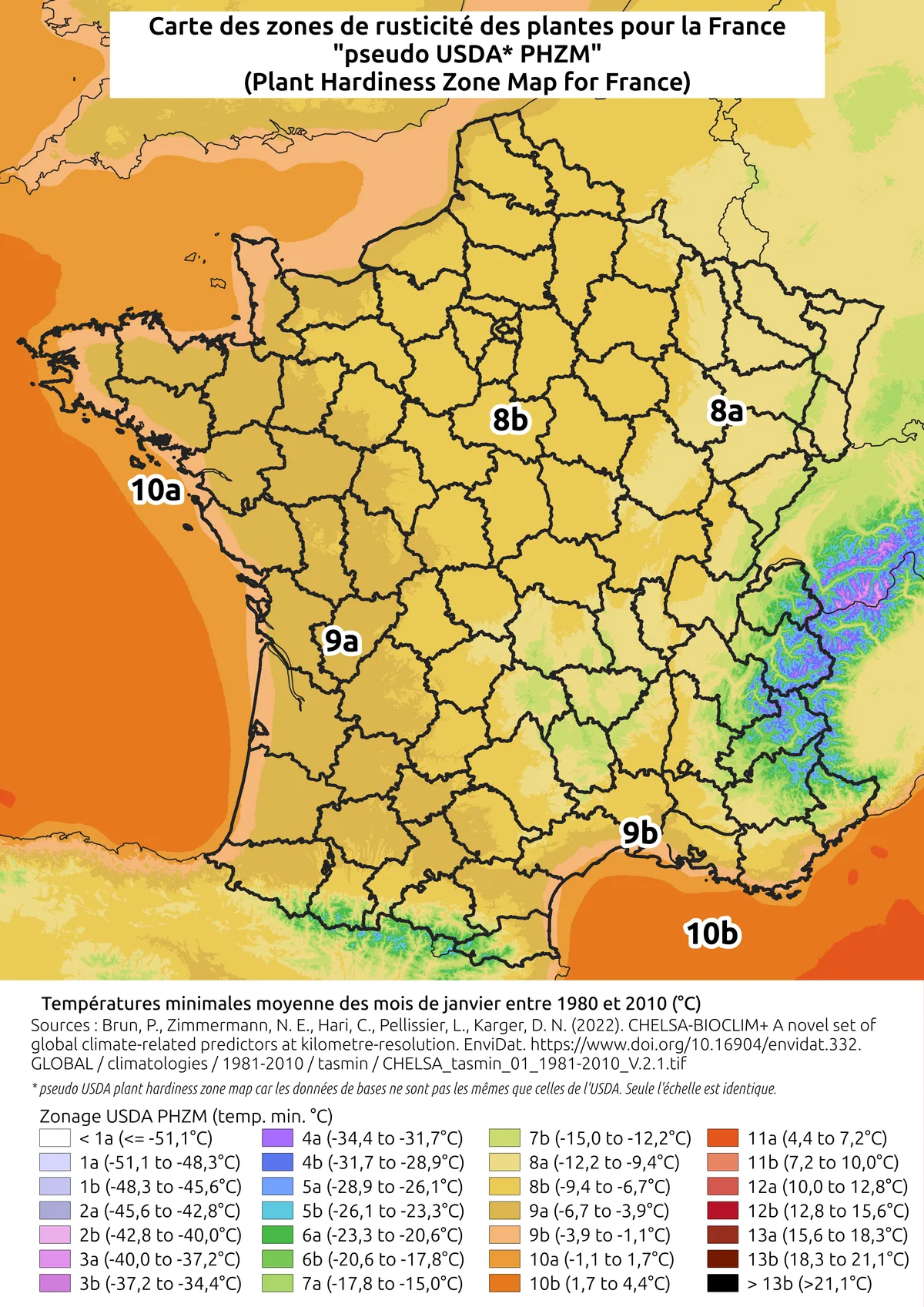
Image source: Openverse / BotaFlo
Cooler Zones (3 through 6): Spring Is Your Window
In zones covering Minnesota, Wisconsin, upstate New York, and similar areas, the growing season is shorter. You want mint in the ground or repotted before summer kicks in. Spring transplanting after the last frost date gives mint the maximum running time through summer and into fall.
Fall transplanting works if you time it at least six weeks before your first expected frost. After that cutoff, the plant doesn't have enough warm soil to push new roots. You'll lose it over winter even if it looks fine going into the cold.
If you're battling weeds during the growing season, our pick of the best post emergent weed killer for bermuda grass covers how selective herbicides interact with aggressive plants during active growth phases.
Warm Zones (7 through 10): Fall Works Better Here
Zones covering much of the South, the Mid-Atlantic, coastal California, and Texas have brutal summers. Transplanting mint in April means possible triple-digit heat and dry spells by June. Fall gives the plant September through November to establish in cooling soil without heat stress.
Spring transplants in these zones need extra care. Consistent watering for the first three weeks is non-negotiable. Mulching around the base with two to three inches of straw helps regulate soil temperature and moisture.
Even with that, spring-transplanted mint will grow slower through summer than fall-transplanted mint would.
Tropical and Hot Zones (11+): Work With the Cool Months
In southern Florida, parts of southern Texas, and similar warm zones, year-round heat eliminates both traditional transplant windows. Mint goes in during the coolest months, typically December through February. This gives it two to three months of moderate temperatures before the extreme heat returns.
Given that bermuda grass thrives in many of these same hot zones, our breakdown on bermuda grass in Pennsylvania highlights how different growing conditions affect various grasses compared to any tropical setup.
Signs Your Mint Is Telling You It's Time
Mint doesn't wilt overnight without reason. The plant gives you clear signals when it needs more space or a new location. Catching these early means you can transplant on your schedule instead of scrambling to save a dying plant.
Root-Bound Red Flags
The most reliable indicator is what's happening below the soil line. If you see roots circling the inside of the pot or growing out of the drainage holes, the plant has run out of room. Water that runs straight through the pot without absorbing is another telltale sign.
The soil can't hold moisture because there's more root mass than soil at that point.
Lift the plant out gently and check the root ball. A healthy root system has white or light tan tips with fibrous growth. A severely root-bound plant shows a dense, tangled mat of roots with little visible soil.
That plant needs transplanting within days, not weeks. For container mint, checking every four to six weeks during the active growing season catches this before it becomes critical.
Growth and Health Signals You Shouldn't Ignore
Slowing growth during peak season is a signal people often miss. If your mint usually pushes out vigorous new stems in May or June and it suddenly stalls, the roots are likely constrained. Yellowing lower leaves can also indicate root stress, though overwatering causes similar symptoms.
Check the roots before assuming it's a nutrient issue.
Wilting despite adequate watering is the final warning. At that point, the root system can't take up enough moisture to support the foliage. Transplant quickly but carefully.
The roots will be fragile, and rough handling at this stage can set recovery back by a week or more.
How to Transplant Mint Without Killing It
The actual transplant process is straightforward. Most failures come from skipping preparation or planting too deep. Follow these steps and your mint should bounce back within a week.
Prepping Before You Pull the Plant
Water the mint thoroughly one to two hours before transplanting. Hydrated roots handle stress better, and moist soil holds together during the move. Prepare the new pot or planting hole before you disturb the plant.
Have your potting mix ready, the container cleaned, and the hole dug to the right depth.
For container transplants, choose a pot no more than two inches larger in diameter than the current one. Going too large means excess soil that stays wet, which invites root rot. Make sure the new pot has drainage holes.
Mint sitting in waterlogged soil is one of the fastest ways to lose it.
The Actual Transplant: Step by Step
- Gently squeeze the sides of the current pot to loosen the root ball.
- Tip the pot sideways and slide the plant out, supporting the base of the stems. Don't yank it.
- Inspect the roots. If they're circling tightly, gently tease them apart with your fingers. Severely root-bound roots may need a few shallow vertical cuts with a clean blade to encourage outward growth.
- Place the plant in the new container or hole at the same soil depth it was before. Burying the crown (where stems meet soil) invites rot.
- Fill in around the root ball with fresh potting mix or garden soil. Press lightly to eliminate air pockets. Don't compact it hard. Mint roots need air circulation.
- Water thoroughly until water drains from the bottom. This settles the soil around the roots.
The First Week After: What to Watch For
Keep the transplanted mint in partial shade for three to five days. Direct sun on a freshly moved plant increases transpiration and stress. Water every one to two days for the first week, keeping the soil consistently moist but not soggy.
New growth appearing within five to seven days means the plant has rooted into its new location. Once you see that, you can move it back to its normal light conditions and resume regular care.
Common Mistakes That Kill Mint During Transplant
Even experienced gardeners lose mint during transplanting when they skip basic precautions. These are the mistakes we see most often, and every one of them is avoidable.
Transplanting at the Wrong Time of Year
Moving mint during peak summer heat is the number one killer. Daytime temperatures above 85°F (29°C) put the plant into survival mode. Its roots can't establish fast enough to support the foliage, and the leaves lose water faster than the roots can replace it.
If you must transplant in summer, do it in the evening and provide shade for at least five days.
Transplanting during flowering is another timing mistake. The plant is putting energy into blooms, not root development. Pinch off flower buds before transplanting.
This redirects energy to root growth and dramatically improves survival rates.
Forgetting Mint's Invasive Root System
Mint's aggressive spreading habit is a feature in some gardens and a nightmare in others. When transplanting in-ground mint without a root barrier, you're essentially planting a future problem. Runners will emerge several feet from the original planting spot within one growing season.
Use a physical barrier at least 12 inches deep around any in-ground planting area. Alternatively, keep transplanted mint in containers sunk into the ground. This gives the look of an in-ground planting while containing the roots.
Our article on planting bermuda grass in Arizona covers similar containment strategies for other aggressive spreading plants that apply here.
Overwatering the Moment You Pot It Up
Freshly transplanted mint needs consistent moisture. That doesn't mean sitting in water. Soggy soil suffocates roots and creates the perfect environment for fungal diseases like Pythium root rot.
Water when the top inch of soil feels dry to the touch. In most conditions, that's every one to two days during the first week, then tapering to every two to three days as the plant establishes.
What to Do If Your Mint Is Wilting After Transplant
Wilting after transplanting is common and doesn't mean the plant is dead. Transplant shock happens when roots are disturbed and can't take up water fast enough. Most mint recovers within three to seven days if you manage the conditions right.
Move the plant to a shaded location immediately. Mist the foliage lightly once or twice a day to reduce water loss through the leaves. Keep the soil moist but not saturated.
Don't fertilize a stressed plant. Fertilizer forces new growth the root system can't support, which makes things worse.
If the mint hasn't perked up after seven days, check the roots for rot. Soft, brown, or mushy roots mean fungal infection has set in. Trim affected roots, repot in fresh dry mix, and reduce watering frequency.
Severe cases rarely recover, but early intervention saves most plants.
Frequently Asked Questions
Can I transplant mint in summer?
You can, but it's risky. Daytime temperatures above 85°F put too much stress on moved roots. If you must do it, transplant in the evening, provide shade for five days, and keep the soil consistently moist.
How do I transplant mint without it dying?
Water the plant one to two hours before moving it. Keep as much of the original root ball intact as possible. Plant at the same depth, water thoroughly afterward, and keep it in partial shade for three to five days.
When should I divide mint instead of just repotting?
Divide when you want more plants or when the root ball is so dense it won't absorb water. Division in early spring gives each new plant the full growing season to establish. It's also the best way to control mint's spread.
How often should I repot container mint?
Check container mint every four to six weeks during the growing season. Repot when you see roots circling the inside of the pot or growing out of drainage holes. Most container mint needs repotting every 12 to 18 months.
Can I transplant mint indoors for winter?
Yes. Bring container mint indoors before your first fall frost. Place it in a south-facing window or under a grow light.
Indoor mint grows slower but stays harvestable through winter.
Final Verdict: Pick Your Timing Based on Your Situation
There's no single best date that works for everyone. The right answer depends on your plant's current state, your climate, and whether you're repotting or dividing. Use this quick reference to lock in your timing.
| Your Situation | Best Timing | Key Action |
|---|---|---|
| Root-bound container mint | Spring, or immediately if wilting | Repot into a container 2 inches larger |
| In-ground mint relocation | Spring before 6 inches of growth, or fall | Use a 12-inch root barrier |
| Dividing mint for propagation | Early spring | Ensure each division has 3 to 4 stems |
| Indoor mint moving outdoors | After last frost, after hardening off | Keep in container for first 2 to 3 weeks |
| Emergency transplant (any season) | Evening, with 5 days of shade | Mist foliage, keep soil moist, no fertilizer |
Mint is forgiving. If you get the timing right and follow the basics, it bounces back fast. The biggest mistake is waiting too long.
A root-bound plant in distress can't afford to wait for the calendar to catch up. Act when the plant tells you it's ready, and you'll have more mint than you know what to do with.