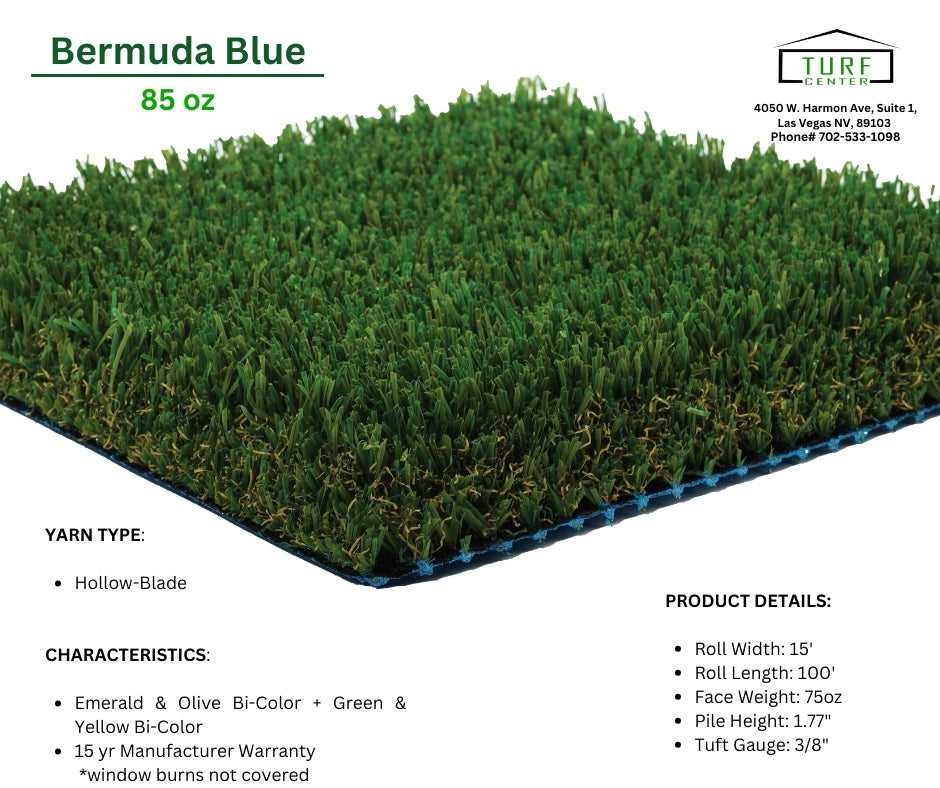
Looking for a lush, resilient lawn that stays green all year round? Bermuda Blue Grass might just be your perfect answer. This grass type is renowned for its durability, vibrant color, and ability to withstand heat and foot traffic, making it ideal for both residential and sports fields. If you’re wondering whether Bermuda Blue Grass is right for your yard, the good news is that with proper care, it can transform your outdoor space into a lush paradise. In this article, you’ll learn about its maintenance, planting tips, and how to keep it thriving through changing seasons.
Bermuda Blue Grass is a popular choice for warm climates due to its excellent drought tolerance and dense growth. It requires specific care techniques to flourish, including appropriate watering, fertilization, and mowing practices. Understanding these needs can help you establish a healthy, stunning lawn that enhances your home’s curb appeal and provides an inviting space for outdoor activities. Whether you’re a seasoned gardener or a homeowner looking to upgrade your yard, Bermuda Blue Grass offers a fantastic blend of beauty and resilience.

Bermuda Blue Grass: The Perfect Choice for a Lush Lawn
What is Bermuda Blue Grass?
Bermuda blue grass is a type of warm-season grass known for its vibrant green color and dense growth. It thrives in warm climates and is popular in many southern states. This grass creates a soft, inviting surface perfect for outdoor activities.
Characteristics and Appearance
Bermuda blue grass features fine-textured blades that form a thick, carpet-like mat. Its bright green hue remains vivid throughout the growing season. The grass is dense enough to suppress weeds and resist many pests.
Ideal Growing Conditions for Bermuda Blue Grass
- Temperature: Best growth occurs when temperatures are between 75°F and 95°F.
- Sunlight: Needs full sun for optimal health and color.
- Soil: Prefers well-draining, sandy loam with a pH between 5.8 and 6.5.
- Water: Requires moderate watering, especially during hot, dry months.
Planting Bermuda Blue Grass
There are two main ways to establish Bermuda blue grass: seed and sod. For quick coverage, sod is usually preferred. Seeding takes longer but can be more cost-effective.
Preparing the Soil
Start by removing weeds and unwanted plants. Loosen the soil and amend it with organic matter if needed to improve drainage and fertility. Proper preparation ensures healthy root development.
Seeding and Sodding Tips
- For seeds, spread evenly across the prepared soil and lightly rake to ensure good soil contact.
- Sod should be laid in a brick-like pattern and pressed down firmly.
- Water the area thoroughly after planting or laying sod.
Care and Maintenance of Bermuda Blue Grass
Proper care keeps Bermuda blue grass lush and healthy year-round. It requires regular mowing, fertilization, and watering.
Mowing Practices
Maintain a mowing height of around 1 to 2 inches. Mow frequently enough to remove no more than one-third of grass height at a time. This encourages healthy growth and prevents stress.
Fertilization Schedule
Apply a balanced fertilizer with nitrogen every six to eight weeks during the growing season. Use soil test results to tailor nutrient applications for optimal health.
Watering Guidelines
Water deeply once or twice a week, depending on rainfall. Avoid overwatering, which can lead to fungal issues or root rot.
Problems and Solutions
Despite its resilience, Bermuda blue grass can face certain challenges.
Pest Issues
Common pests include grubs and armyworms. Use targeted insecticides and maintain healthy soil to prevent infestations.
Disease Concerns
Fungal diseases like dollar spot and brown patch may appear during humid weather. Ensuring proper watering and aeration can reduce disease risk.
Weed Control
To prevent weeds from taking over, maintain a dense turf and apply pre-emergent weed preventers. Spot-treat existing weeds with herbicides suited for Bermuda grass.
Benefits of Bermuda Blue Grass
Bermuda blue grass offers many advantages for homeowners and landscapers.
- Durability: Can withstand heavy foot traffic and drought conditions.
- Low Maintenance: Requires less watering and fertilization than other grasses once established.
- Aesthetic Appeal: Provides a lush, uniform green look.
- Cost-Effective: Seeds and sod are affordable options for establishing a lawn.
Related Topics: Alternatives and Comparisons
While Bermuda blue grass is ideal for warm climates, other grasses may suit different regions.
Zoysia Grass
Zoysia offers similar durability but performs better in slightly cooler climates and has a finer texture.
Bermuda vs. Centipede Grass
Centipede requires less mowing and fertilization but does not tolerate as much foot traffic as Bermuda.
Climate Suitability
Understanding your local climate helps determine if Bermuda blue grass is the best fit or if other options might work better.
Environmental Impact and Sustainability
Choosing Bermuda blue grass can be environmentally friendly when properly maintained. Its drought tolerance reduces water use, and a dense turf minimizes chemical herbicide and pesticide needs.
Tips for Eco-Friendly Lawn Care
- Avoid over-fertilizing to reduce runoff.
- Follow watering schedules that conserve water.
- Use organic pesticides when possible.
Summary of Key Facts
| Characteristic | Details |
|---|---|
| Growth Season | Warm-season, active in late spring to early fall |
| Color | Bright green year-round in warm climates |
| Maintenance | Moderate; needs regular mowing and fertilization |
| Water Needs | Moderate; drought-tolerant once established |
| Resistance | Resistant to pests and some diseases when healthy |
Bermuda blue grass stands out as an excellent choice for creating a durable, attractive lawn in warm regions. Its ease of maintenance, natural resilience, and lush appearance make it popular among homeowners. Proper planting, regular care, and thoughtful management can keep Bermuda blue grass thriving for many years.
Bermudagrass will FRY in the Heat at Lengths Less Than 3”
Frequently Asked Questions
What are the ideal growing conditions for Bermuda Blue Grass?
Bermuda Blue Grass thrives best in warm climates with full sunlight exposure. It prefers well-drained soils that are slightly acidic to neutral, typically with a pH between 5.8 and 7.0. The grass requires regular watering to maintain moisture, especially during dry periods, and benefits from fertilization during the growing season to promote healthy growth. Adequate air circulation and minimal shade also contribute to its optimal development.
How should I properly maintain Bermuda Blue Grass to ensure its health?
Maintaining Bermuda Blue Grass involves routine mowing, usually at heights of about 1 to 2 inches, to encourage dense growth. Aerate the soil annually to relieve compaction and improve nutrient absorption. Regular overseeding helps fill in thin areas, while periodic dethatching removes build-up of thatch, preventing disease. Applying appropriate fertilizers based on soil tests supports vigorous growth, and controlling pests and weeds keeps your lawn healthy.
Can Bermuda Blue Grass handle heavy foot traffic and how does it recover after damage?
Bermuda Blue Grass is highly resilient and tolerates heavy foot traffic well. Its dense root system allows it to recover quickly from damage. After being stepped on or subjected to wear, the grass regrows rapidly, especially if properly maintained and fertilized. Ensuring adequate watering and avoiding prolonged drought stress help support quicker recovery and maintain a lush, durable lawn.
What are common problems associated with Bermuda Blue Grass and how can I address them?
Common issues include brown patch disease, which appears as irregular brown spots, and weed invasion that competes with the grass. Maintaining proper mowing height, avoiding overwatering, and applying fungicides when necessary help prevent diseases. Regularly monitoring for weeds and applying appropriate herbicides keep the lawn healthy. Proper fertilization and overseeding also aid in maintaining dense, resilient turf.
Is Bermuda Blue Grass suitable for overseeding in cooler seasons?
While Bermuda Blue Grass performs best in warm conditions, it is not ideal for overseeding in cooler seasons as it goes dormant and turns brown during cold weather. For year-round green lawns in cooler climates, consider combining Bermuda with cool-season grasses or overseeding with compatible species that stay active in lower temperatures. Proper planning ensures your lawn remains attractive throughout the year.
Final Thoughts
Bermuda blue grass thrives in warm climates and offers a lush, dense lawn. Its drought tolerance and resilience make it a popular choice for homeowners seeking low-maintenance greenery. Proper care ensures a vibrant, healthy turf that lasts throughout the season.
In conclusion, Bermuda blue grass provides a practical and attractive option for many landscapes. Its adaptability and beauty make it a favorite among turfgrass enthusiasts. Choosing Bermuda blue grass ensures a durable and picturesque lawn for years to come.